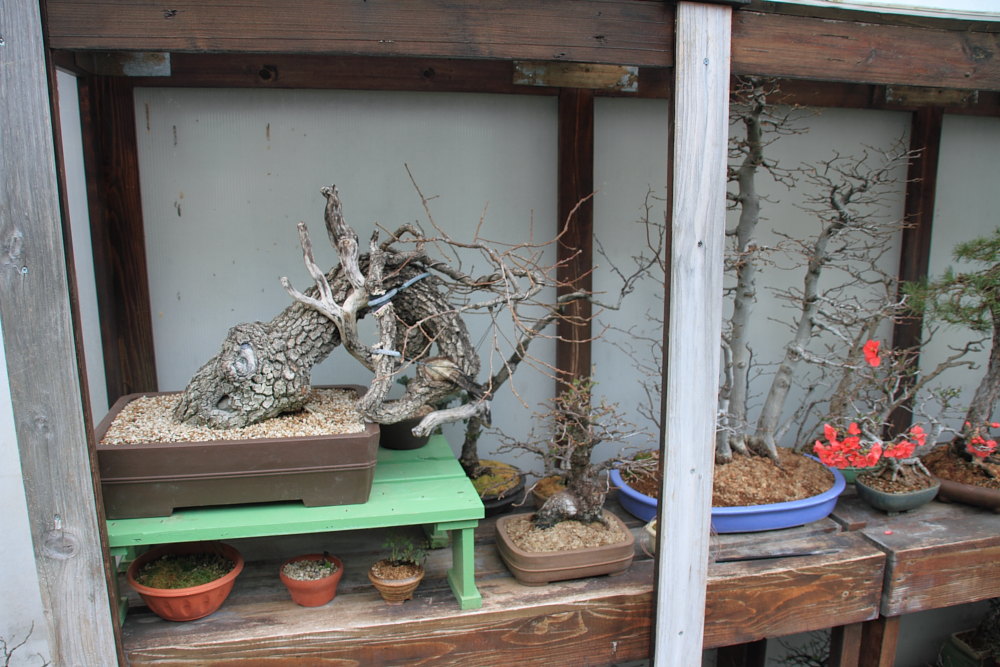
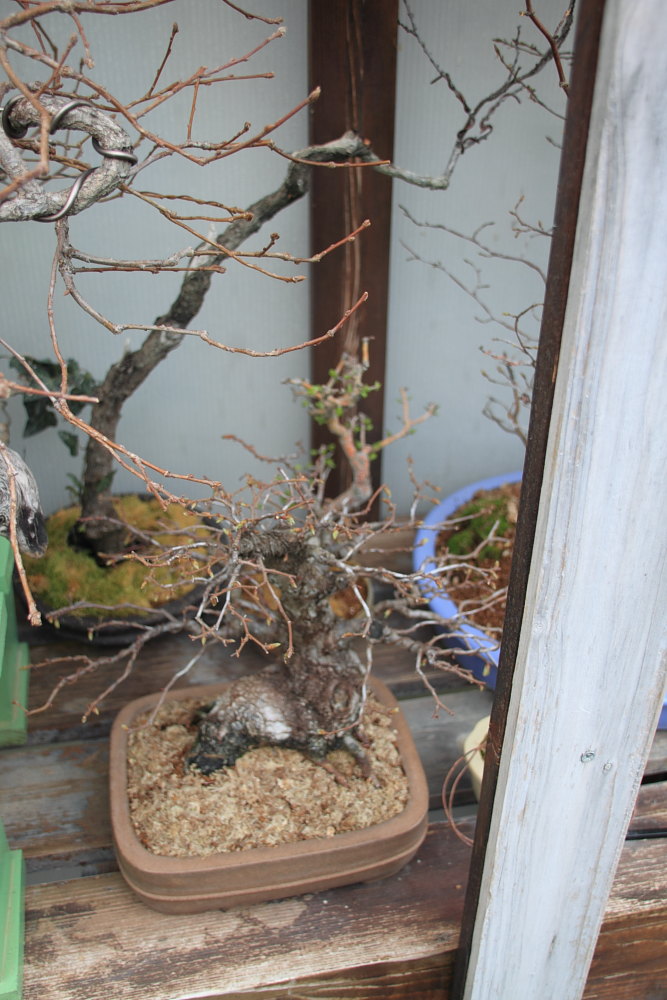
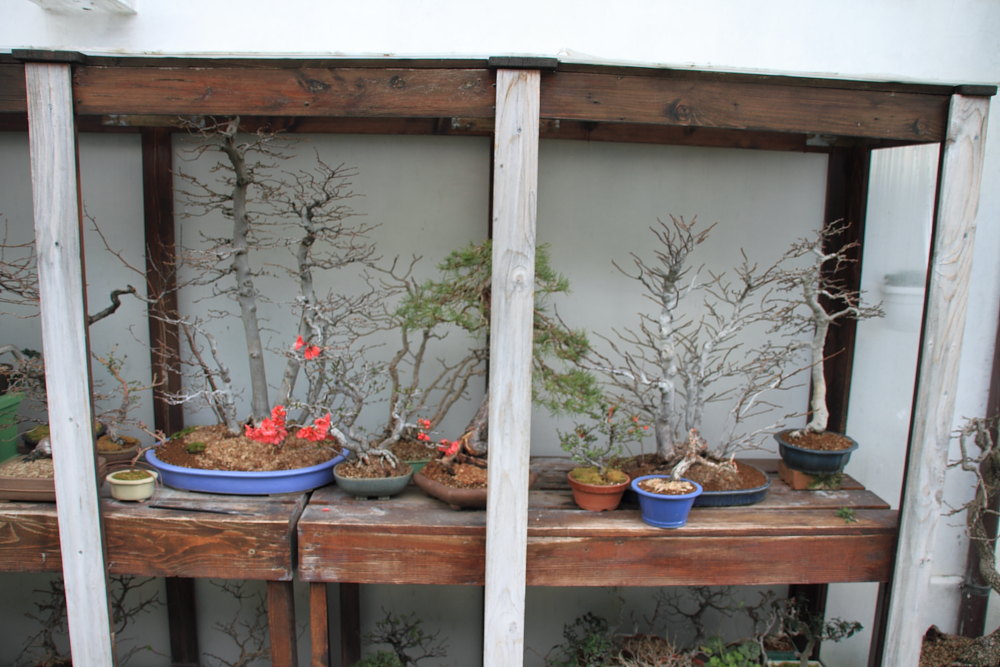
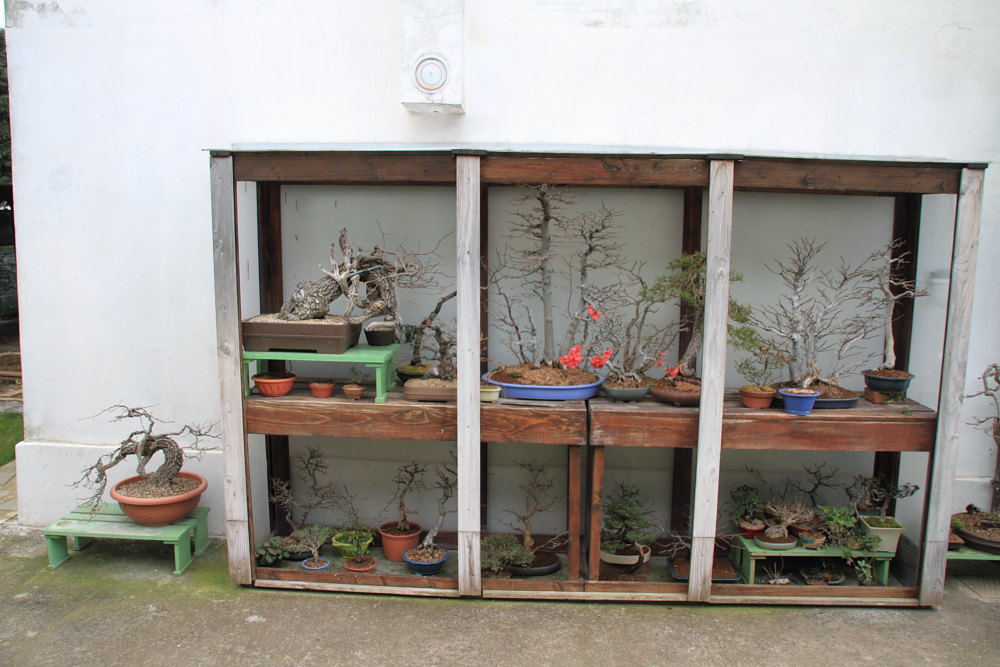
La collezione di Nevis
Rispondi


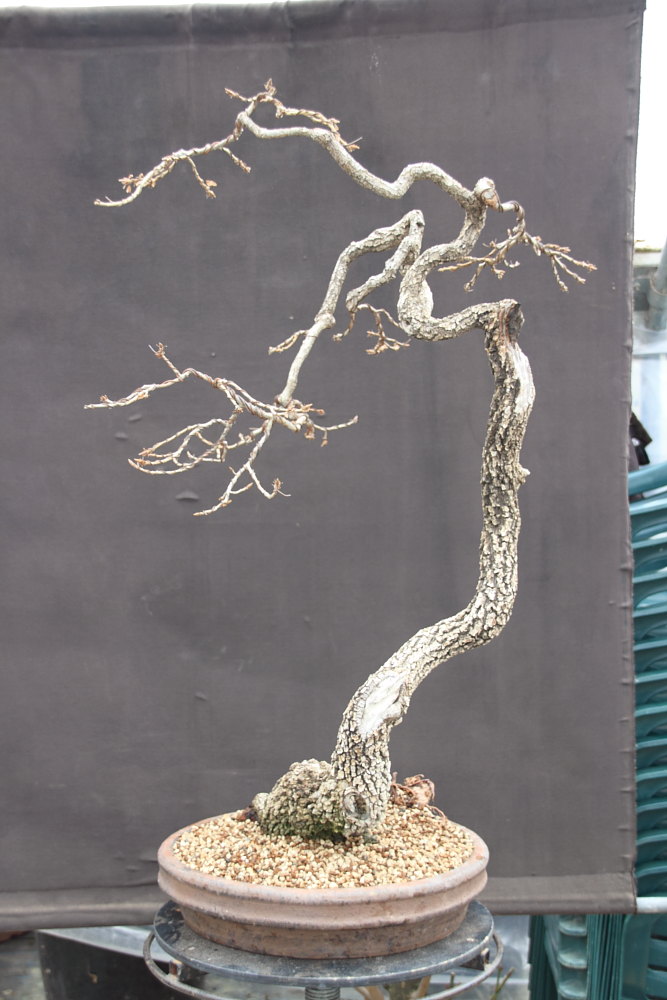
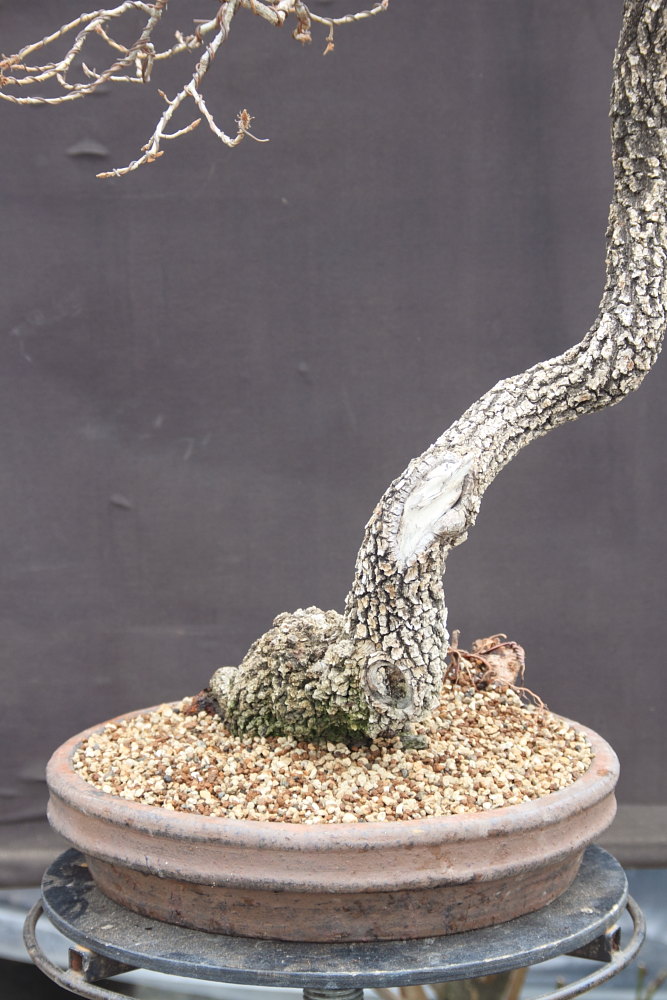
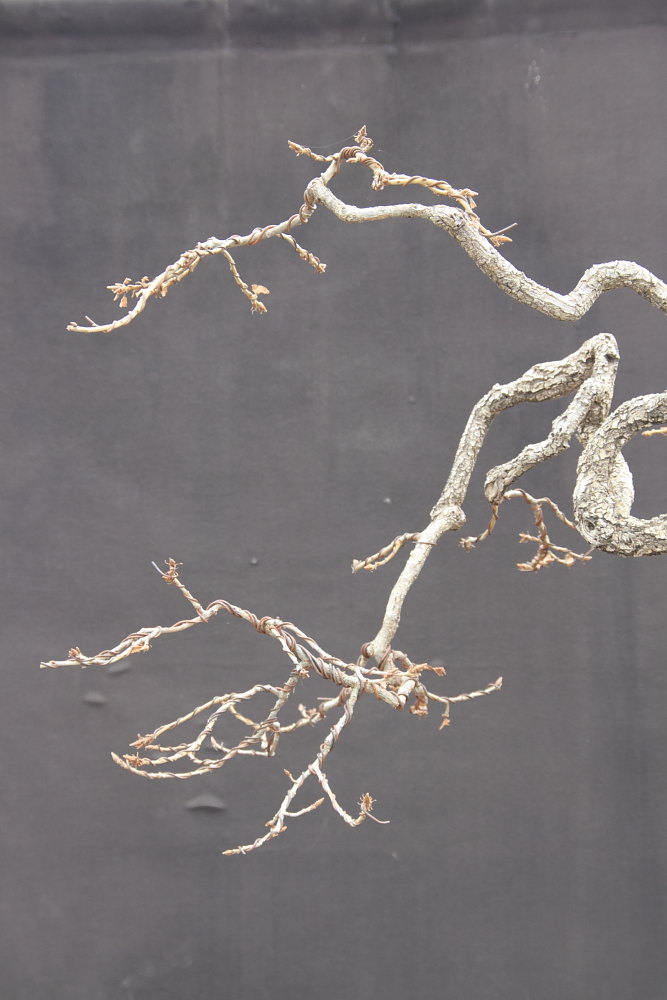
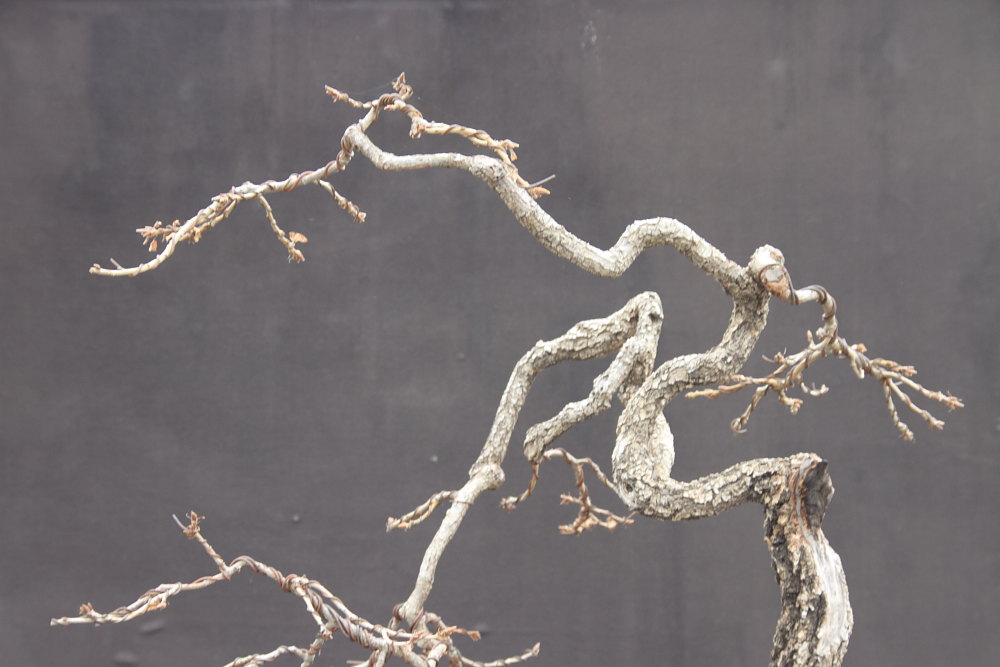
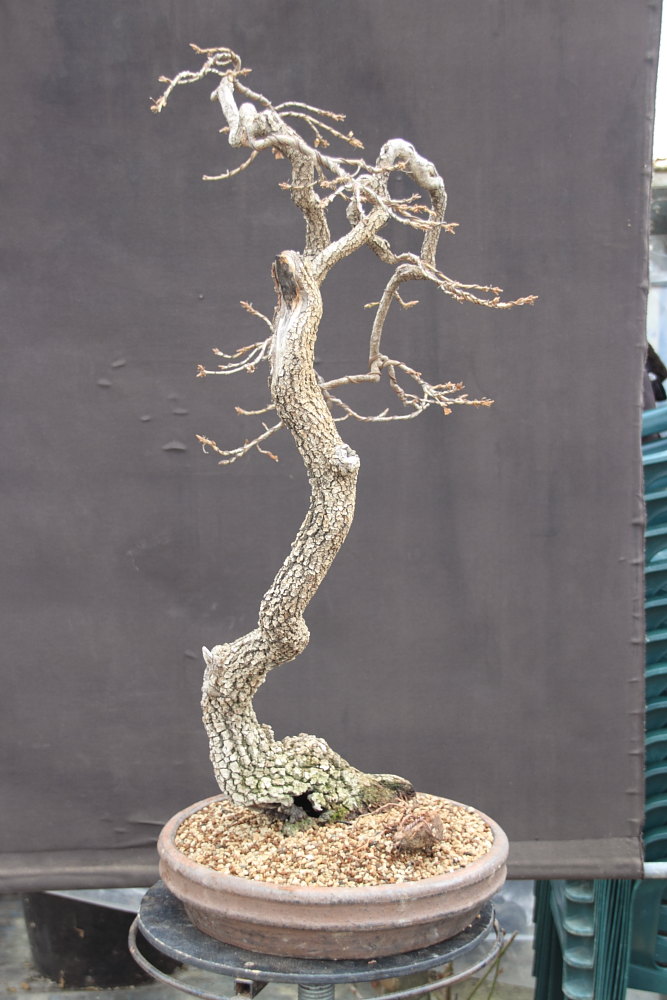
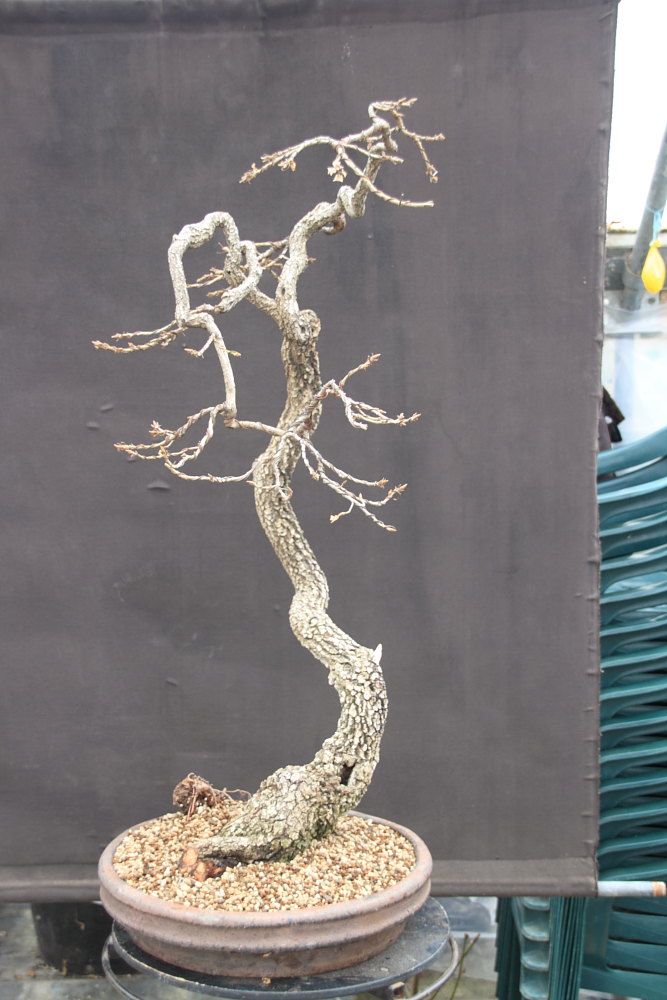
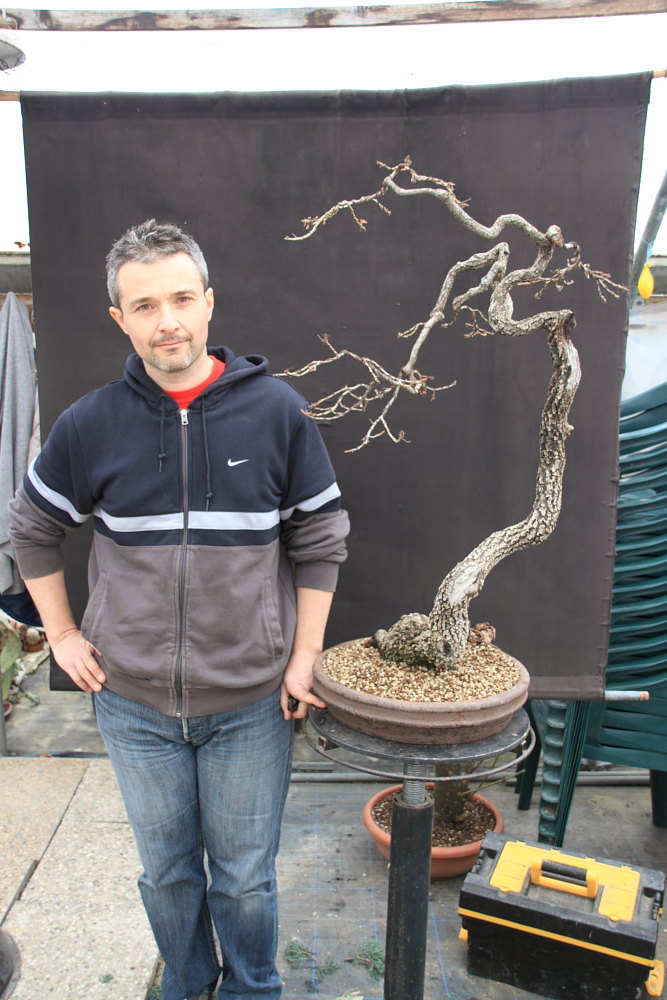
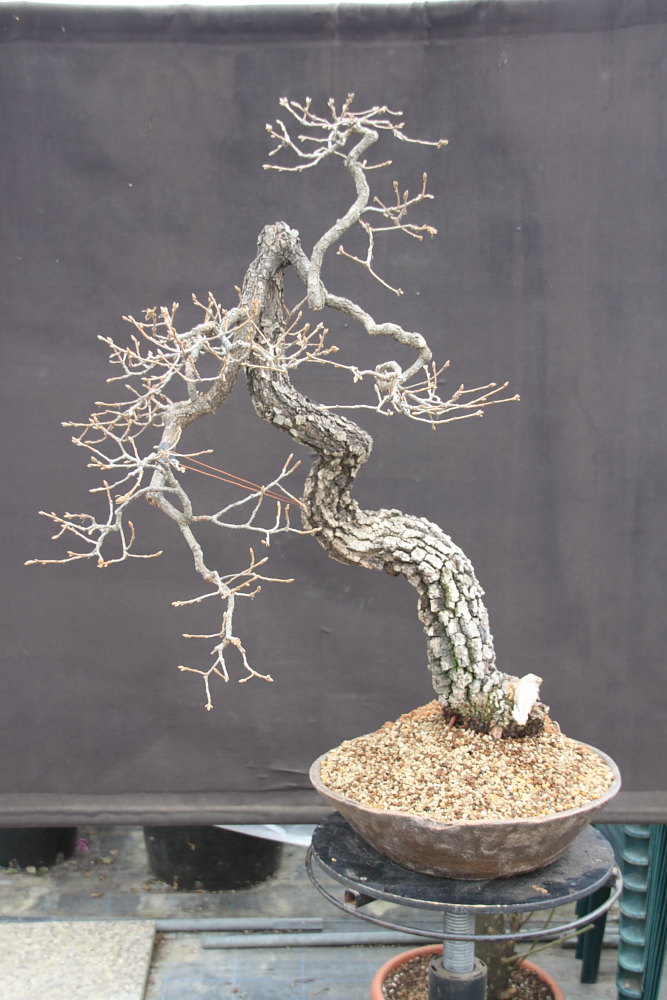









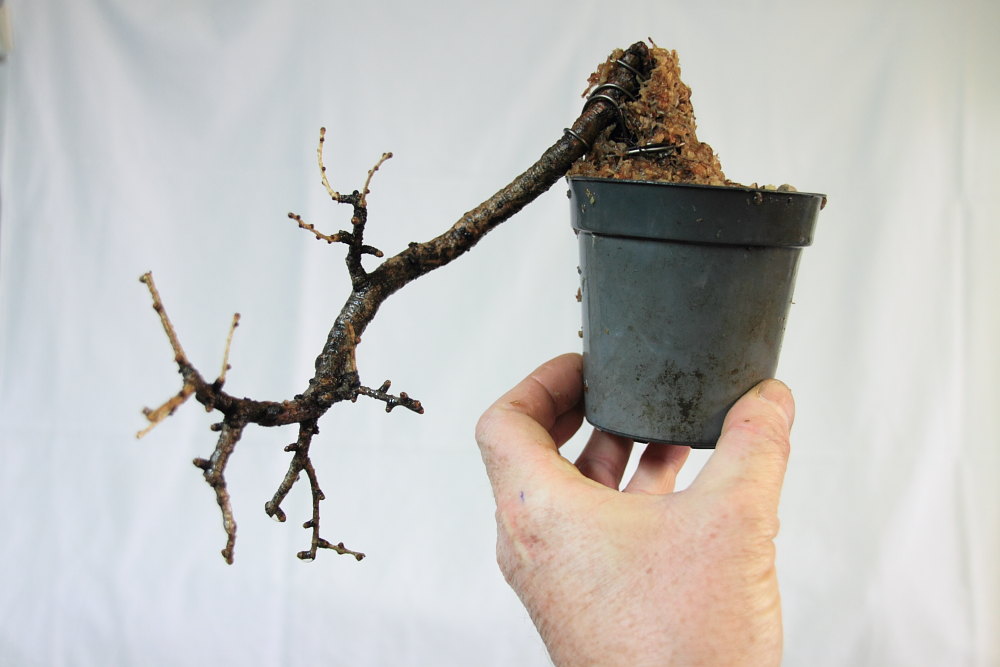
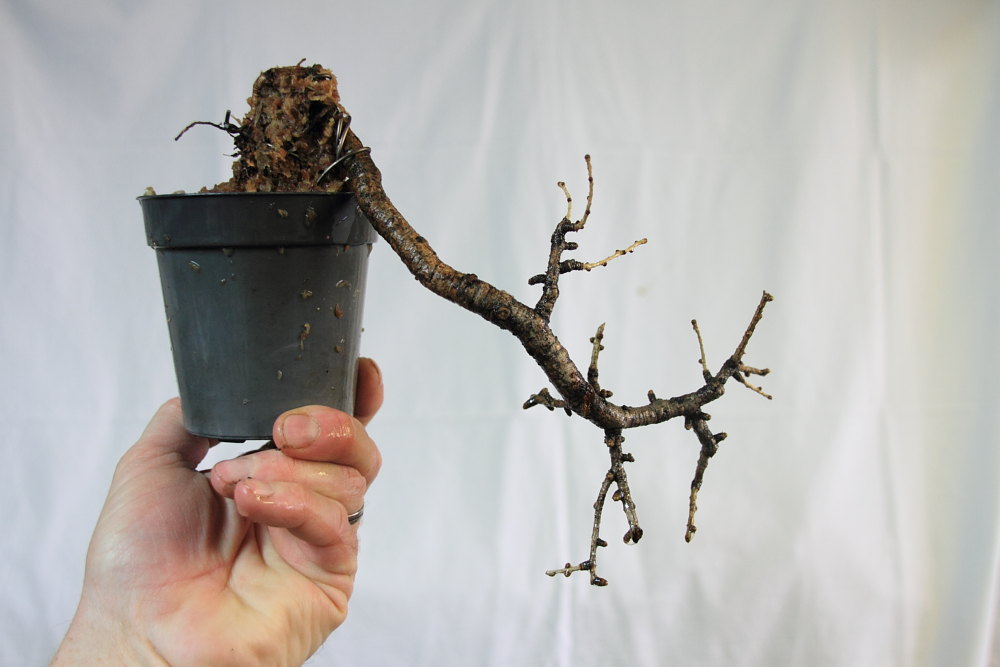


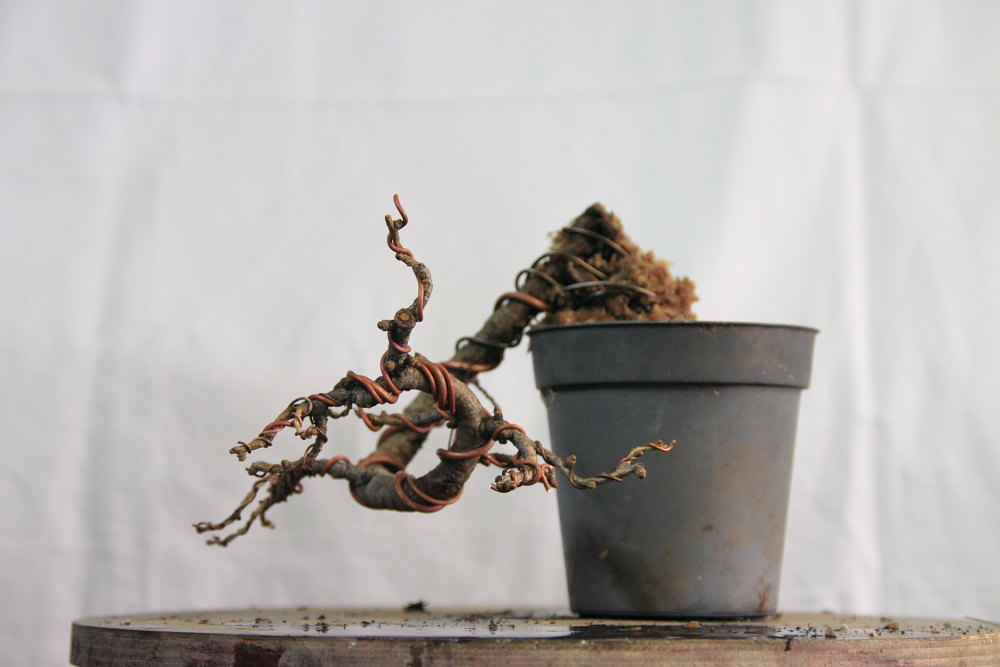

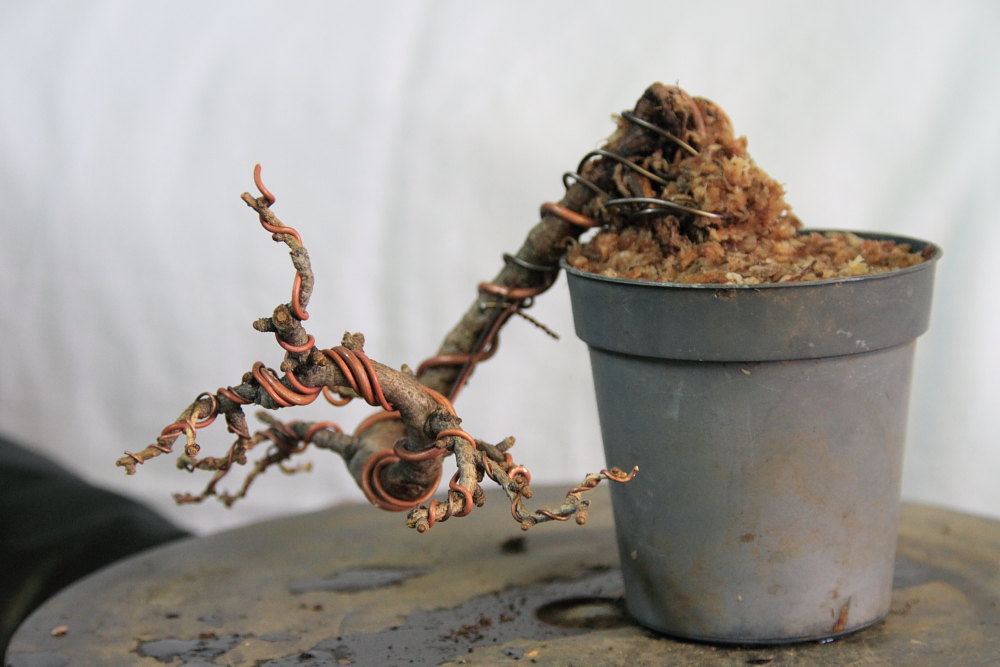
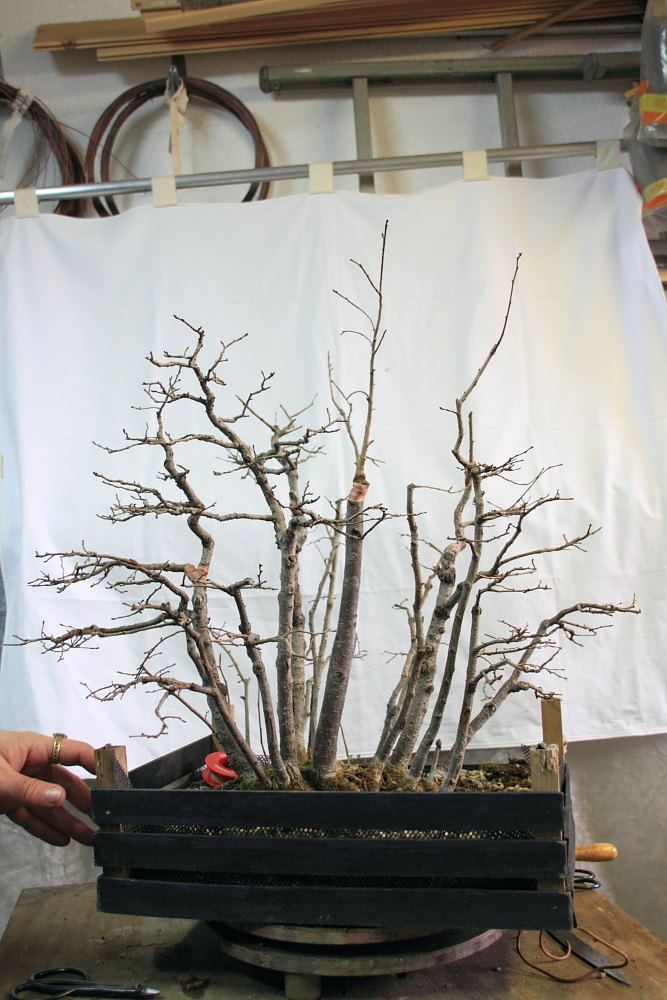

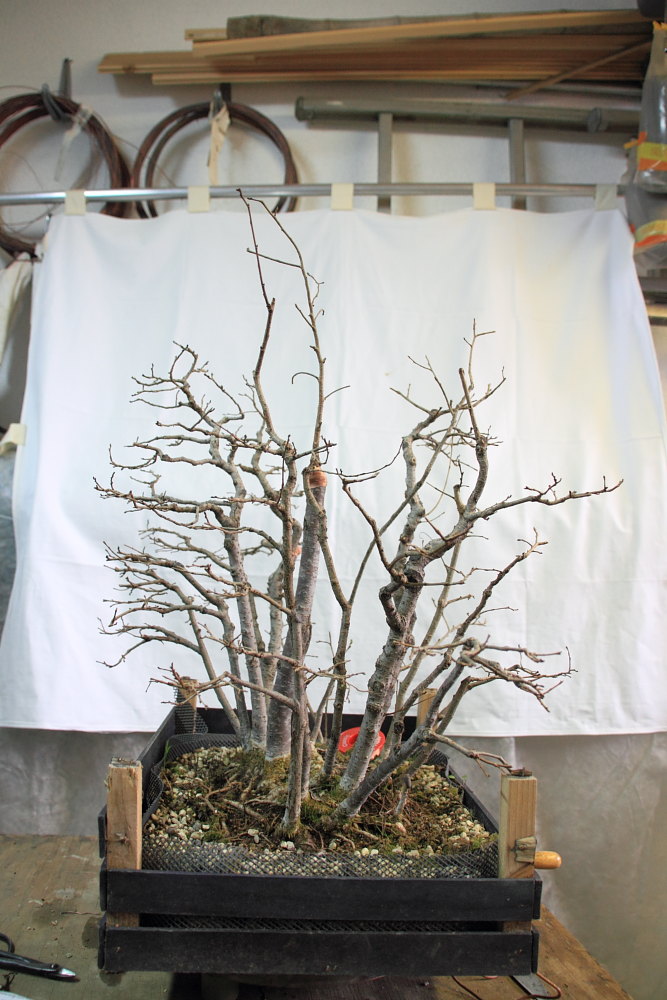

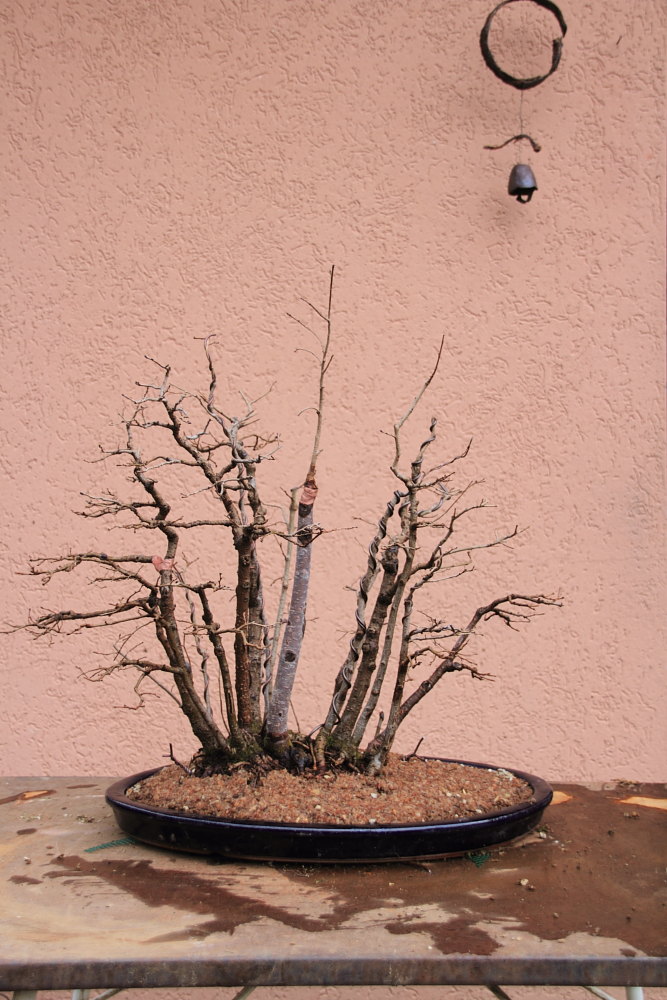
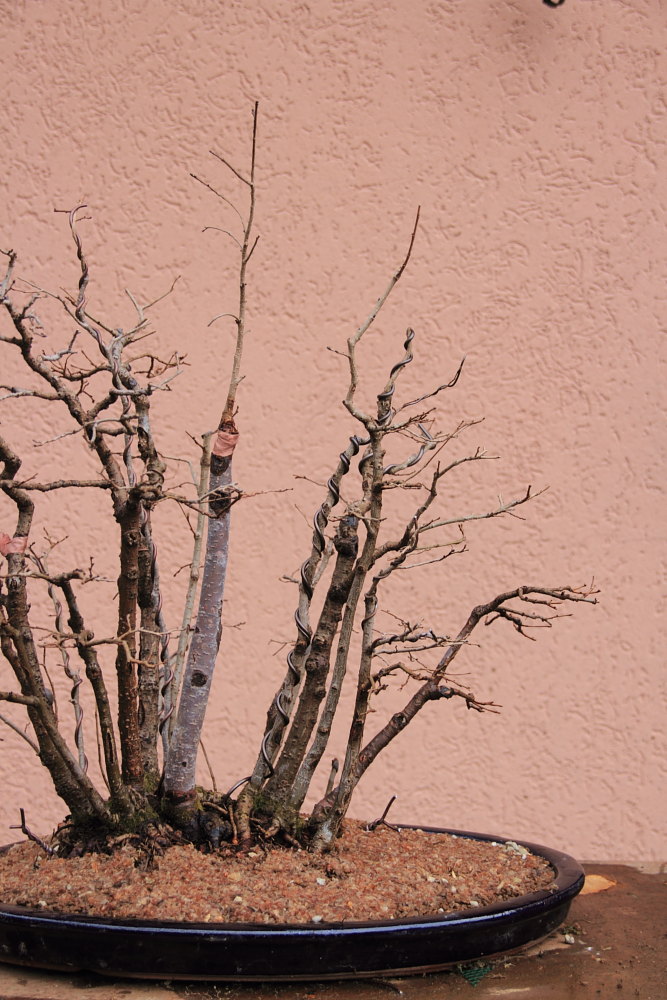
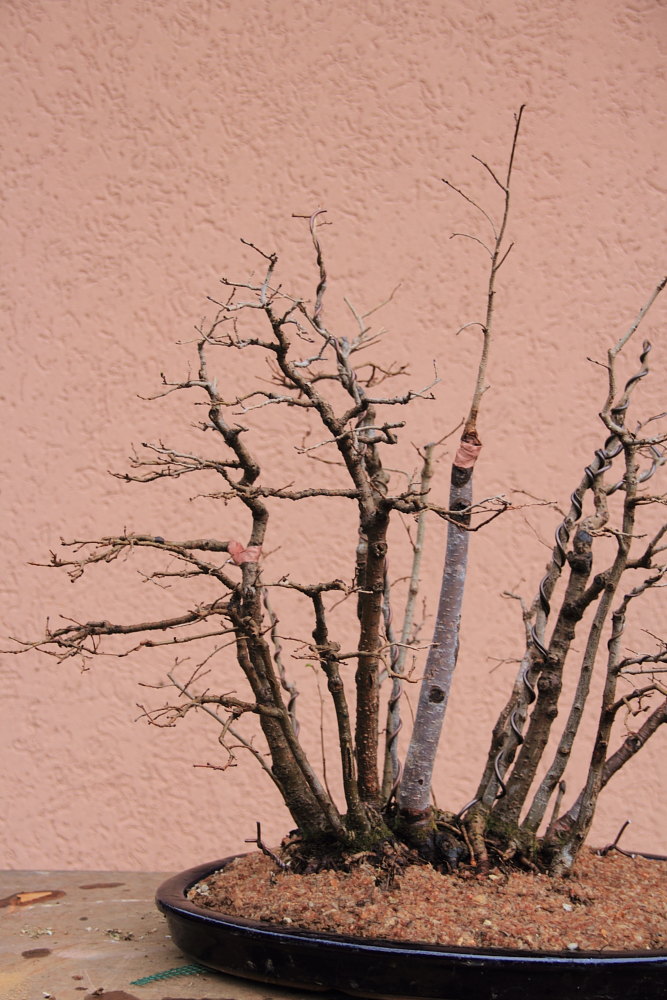
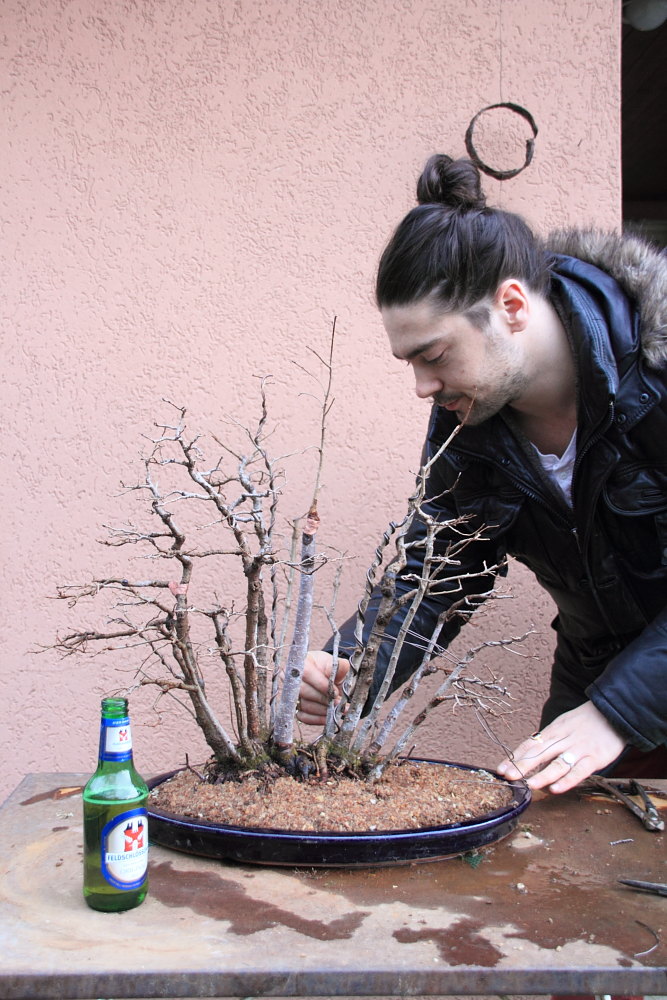
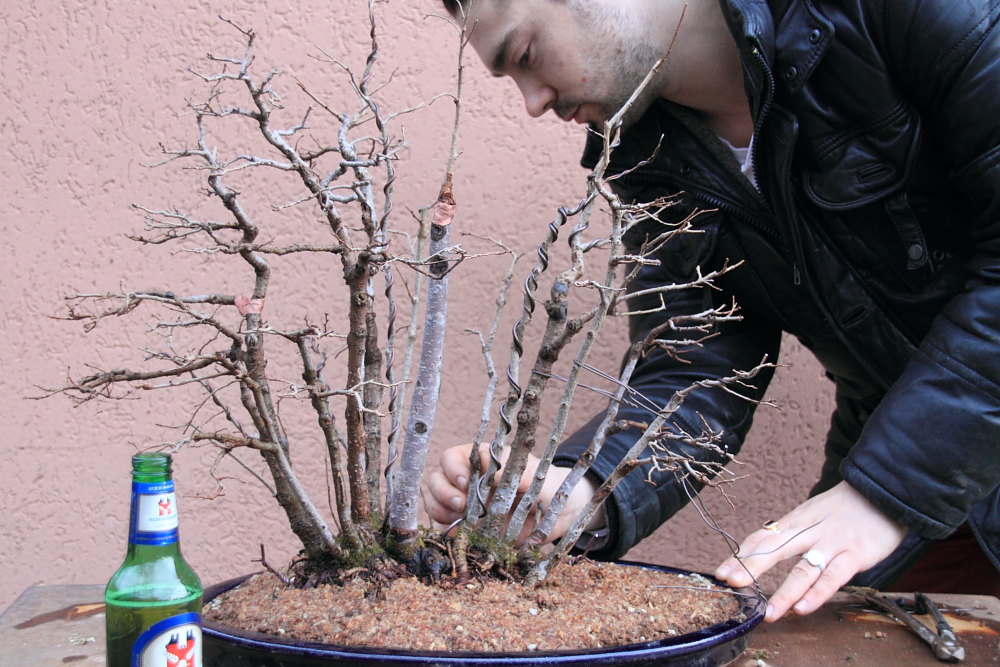

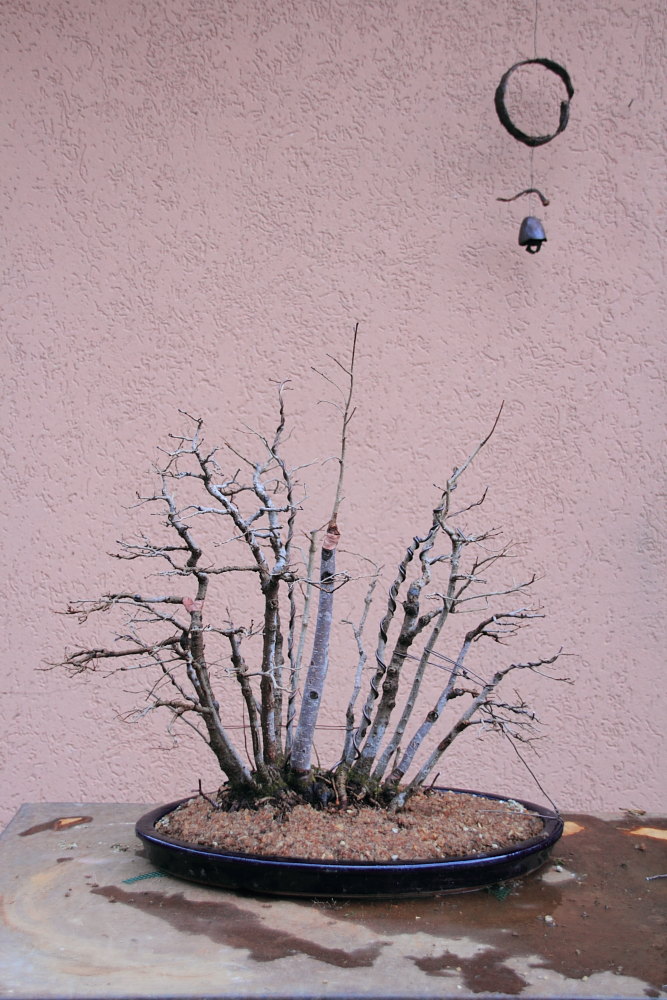
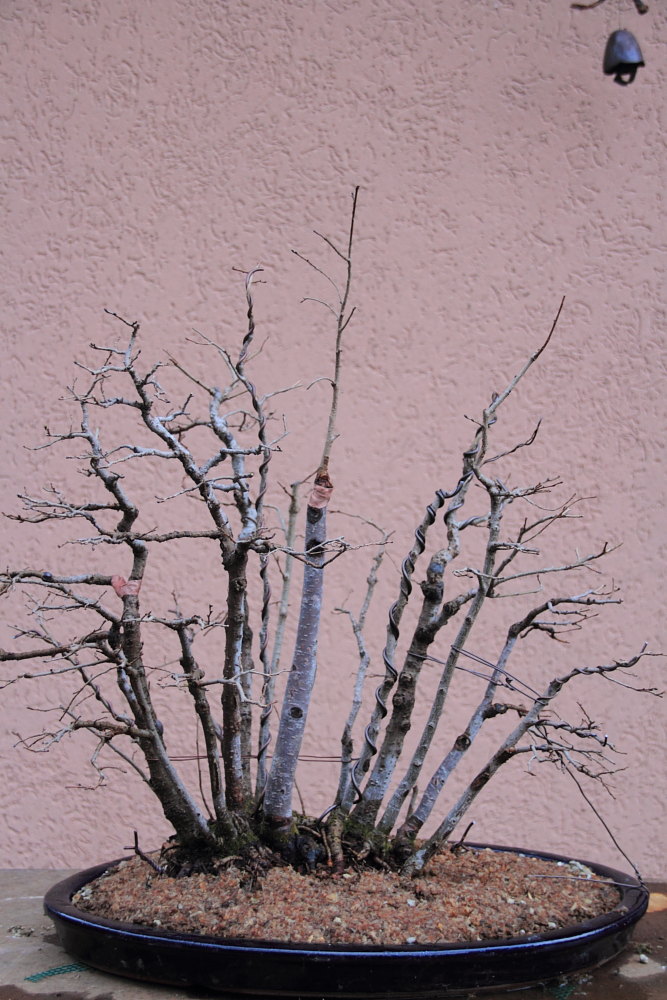

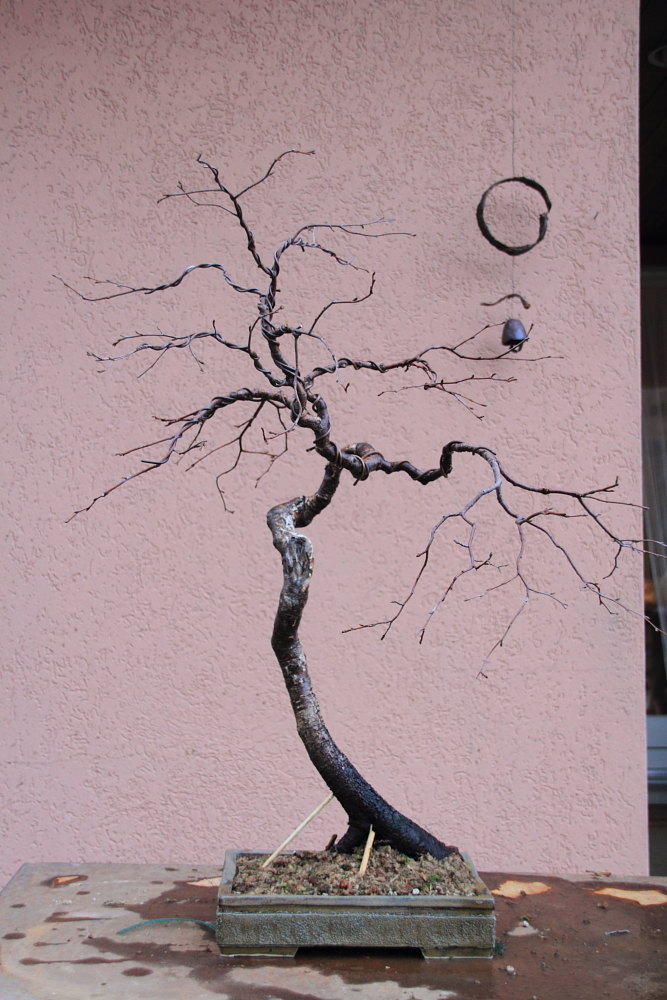

Questa galleria contiene 35 immagini.
Originally posted on Nichigo Bonsai:
I’ve been a little slow on processing these images but better late than never. Below is the first half of the conifers from the Taikan-ten. The second half should be along shortly and then we…
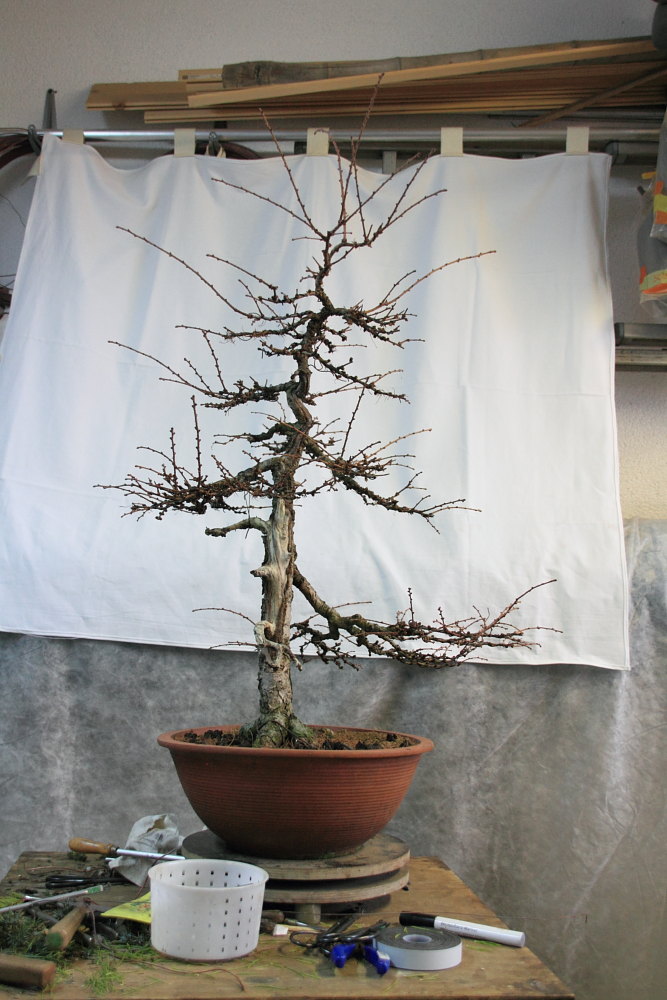 Nuovo step su questo larice di un cliente.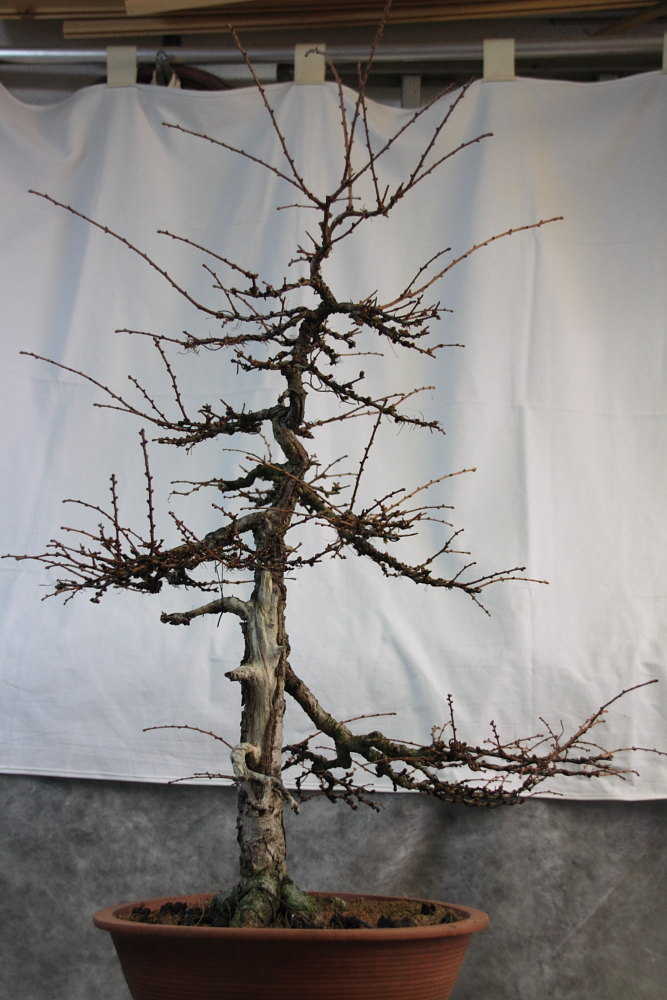
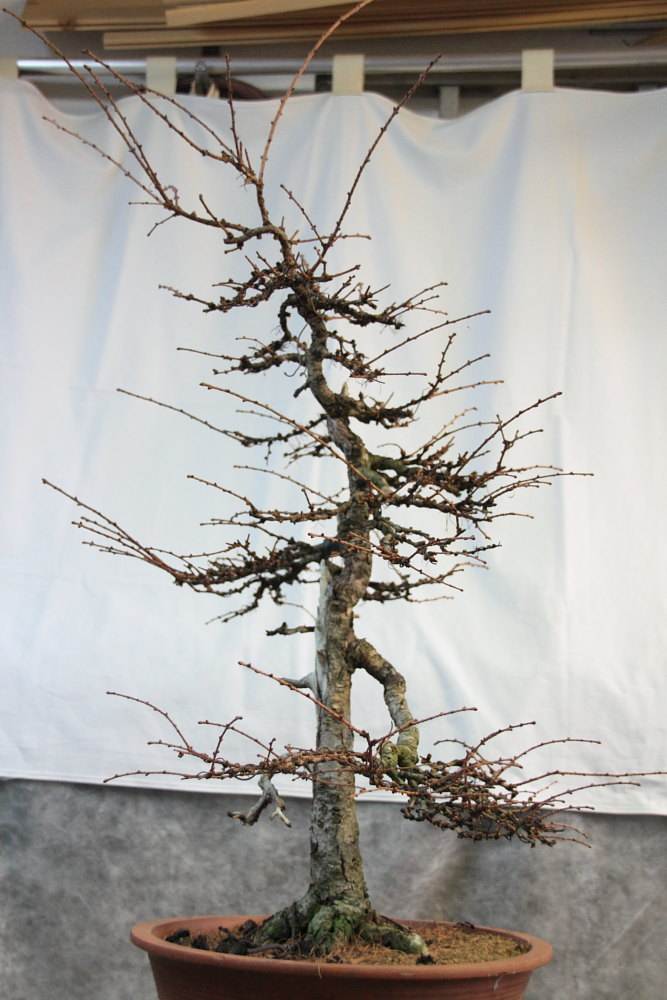
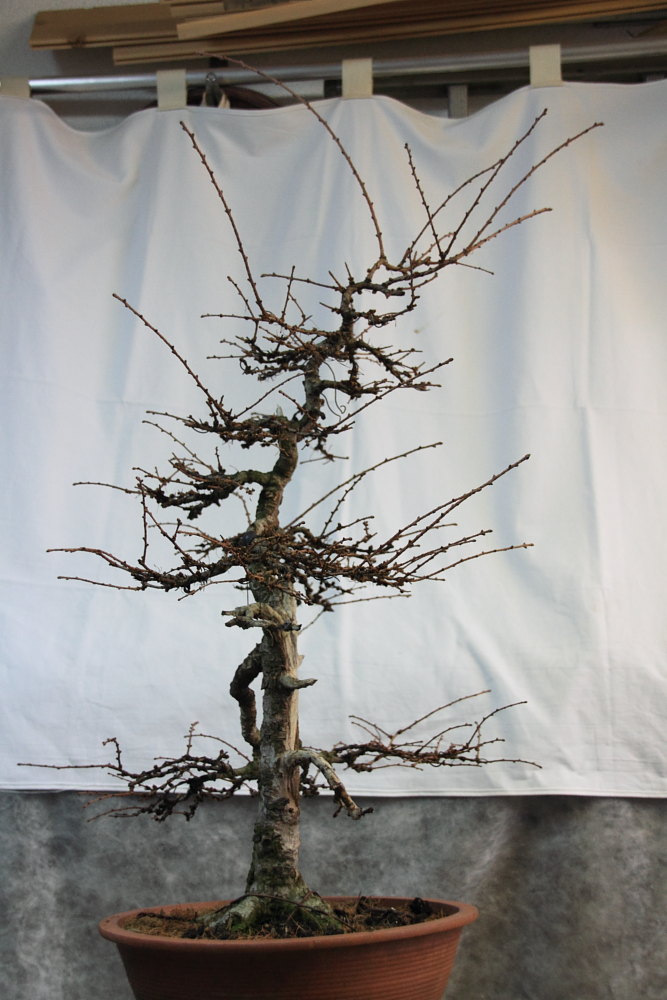
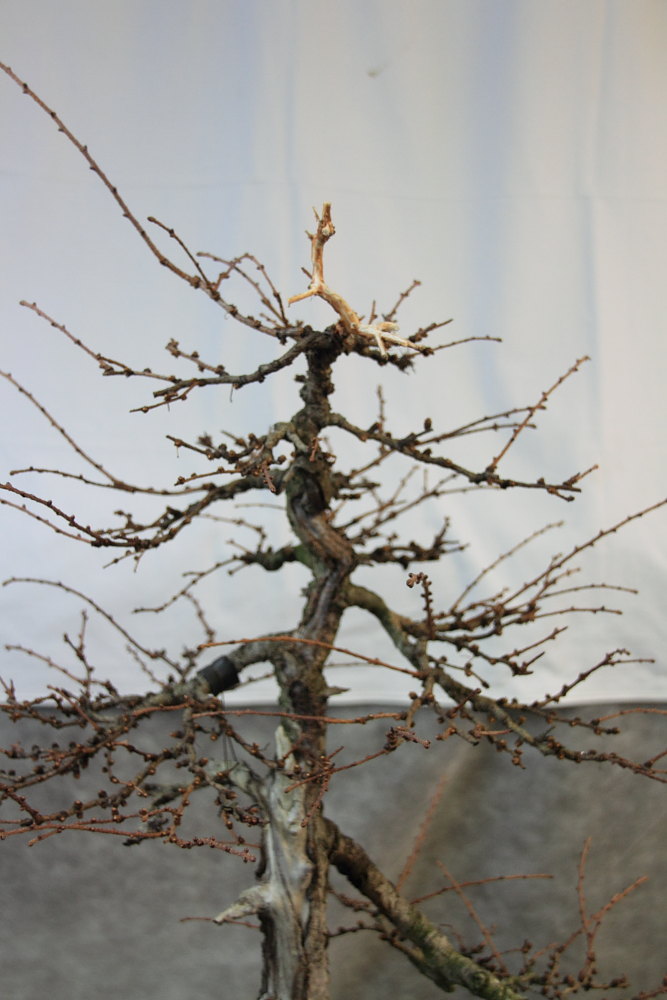 L’apice viene abbassato.
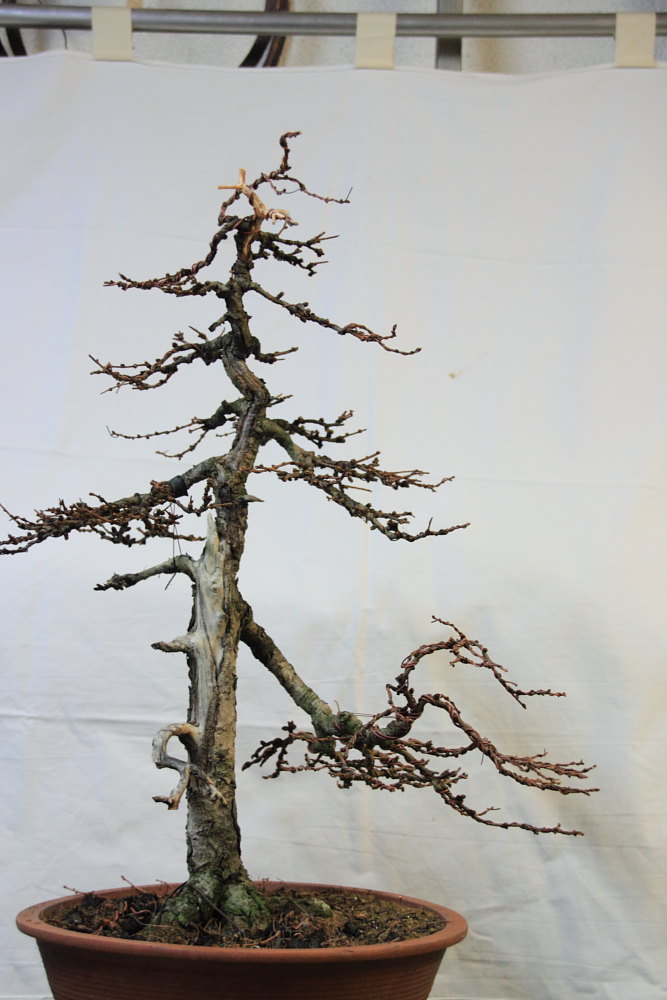 Un Chokan anomalo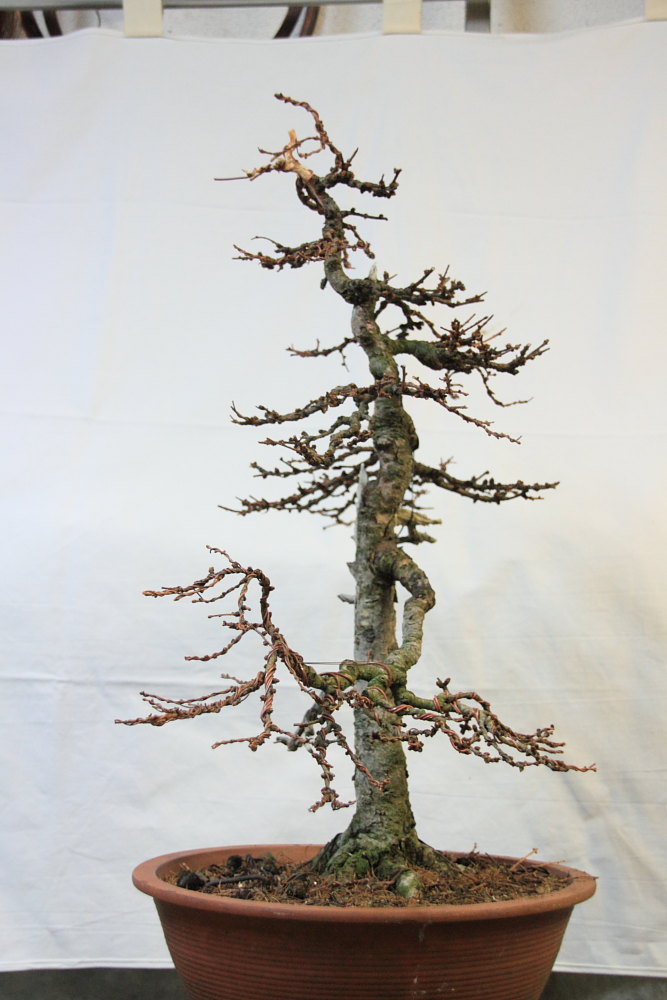
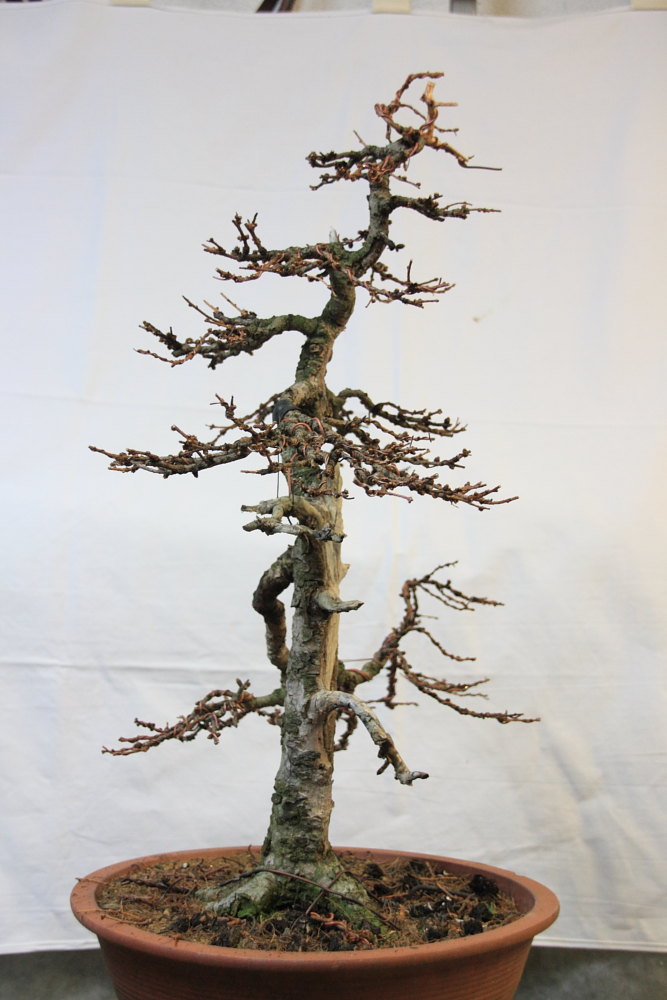
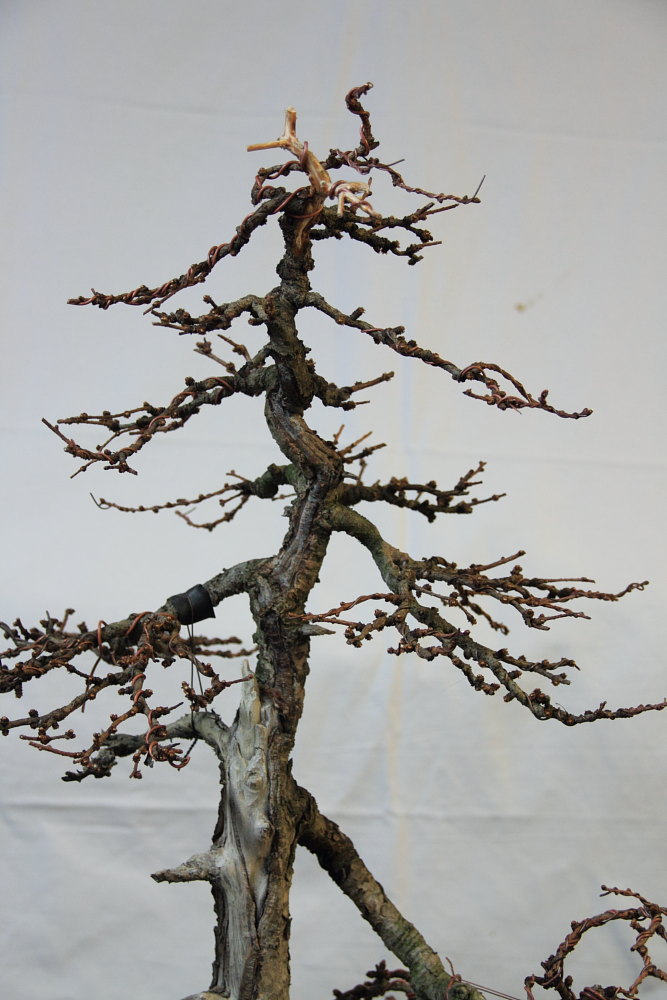
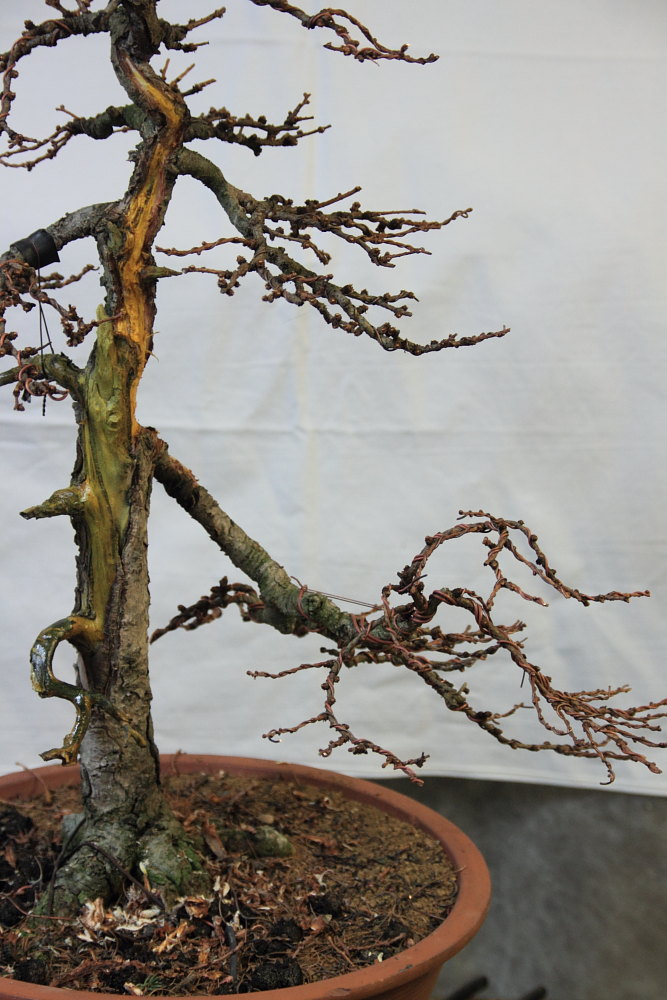 Il primo ramo darà carattere alla pianta.
 Si riapre lo shari vecchio che era oramai cicatrizzato.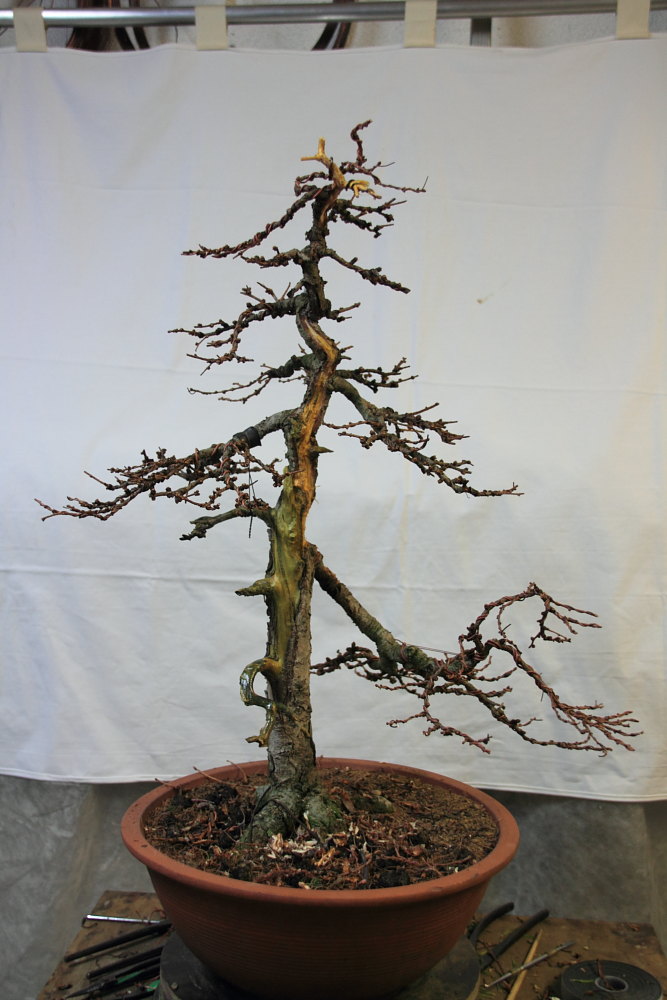
The swindon show has become over the years a real must view bonsai show on the UK bonsai calendar, and while the lighting this year had been replaced in the main hall for crisp white light giving superb conditions. The trees where of a superb quality, while all sizes where on show I was drawn to the shohin trees.

Very nice cork bark elm without as many have the inverse taper.
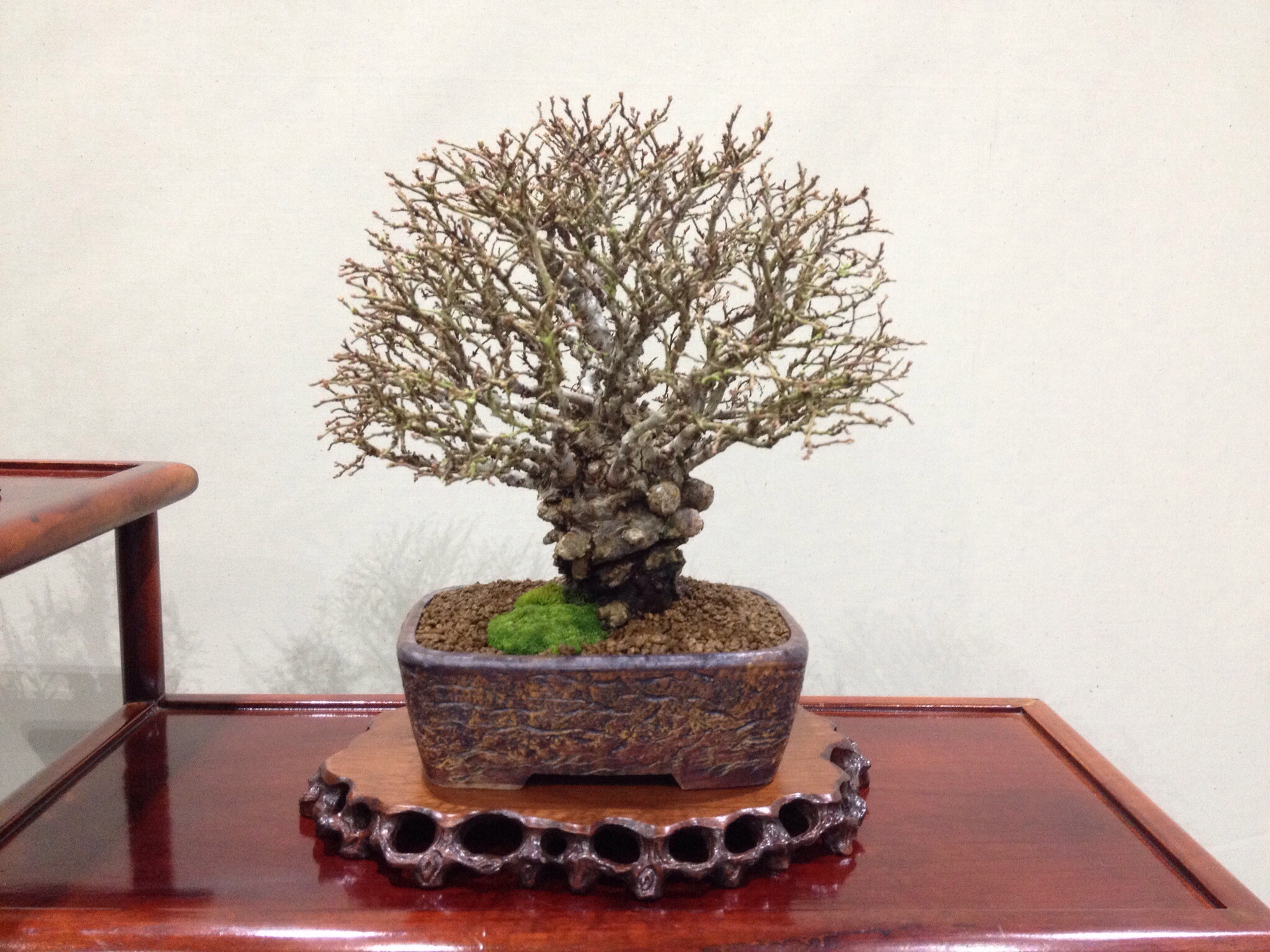
Another but this one has that classic inverse, but has good ramification.
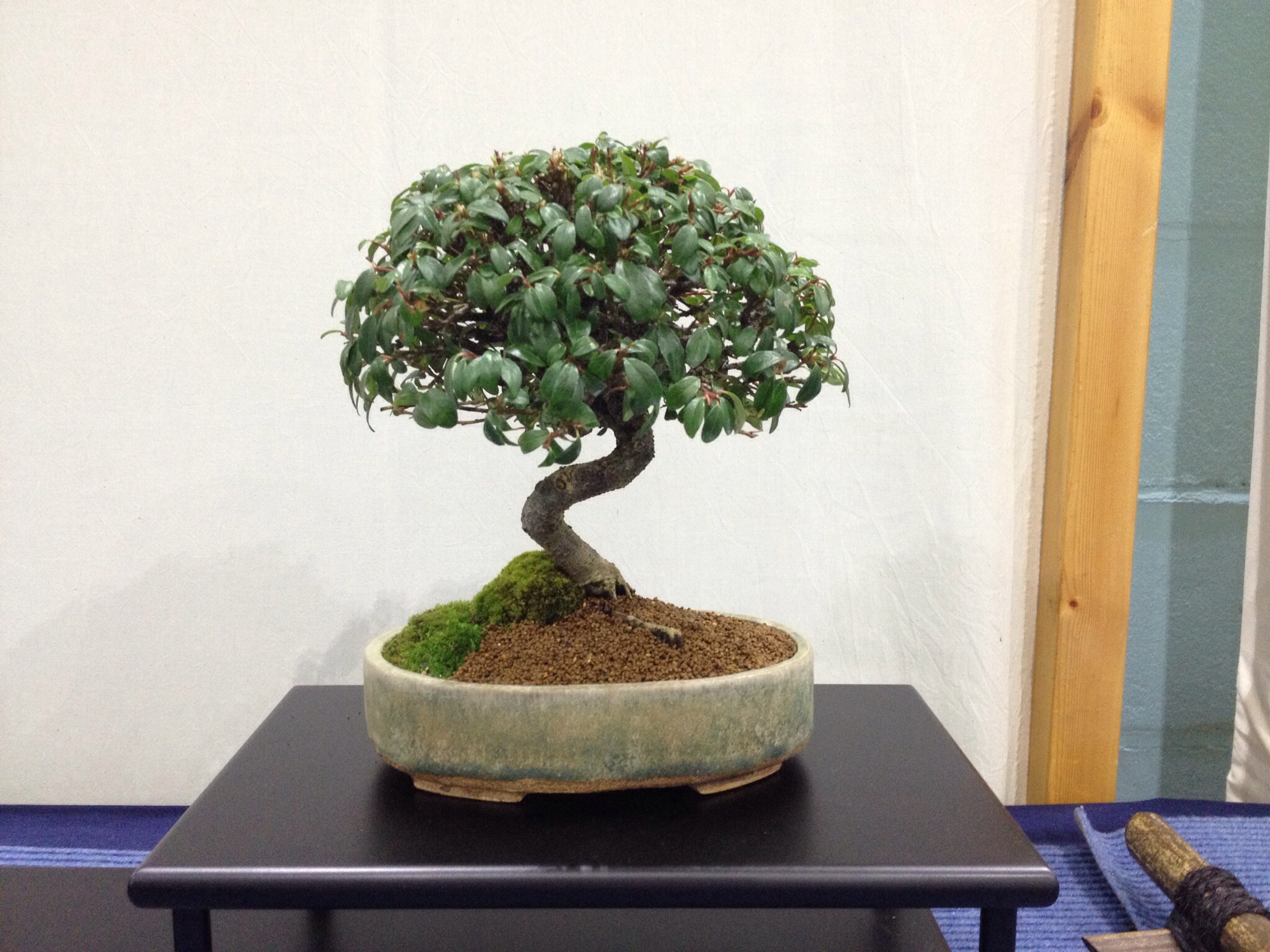
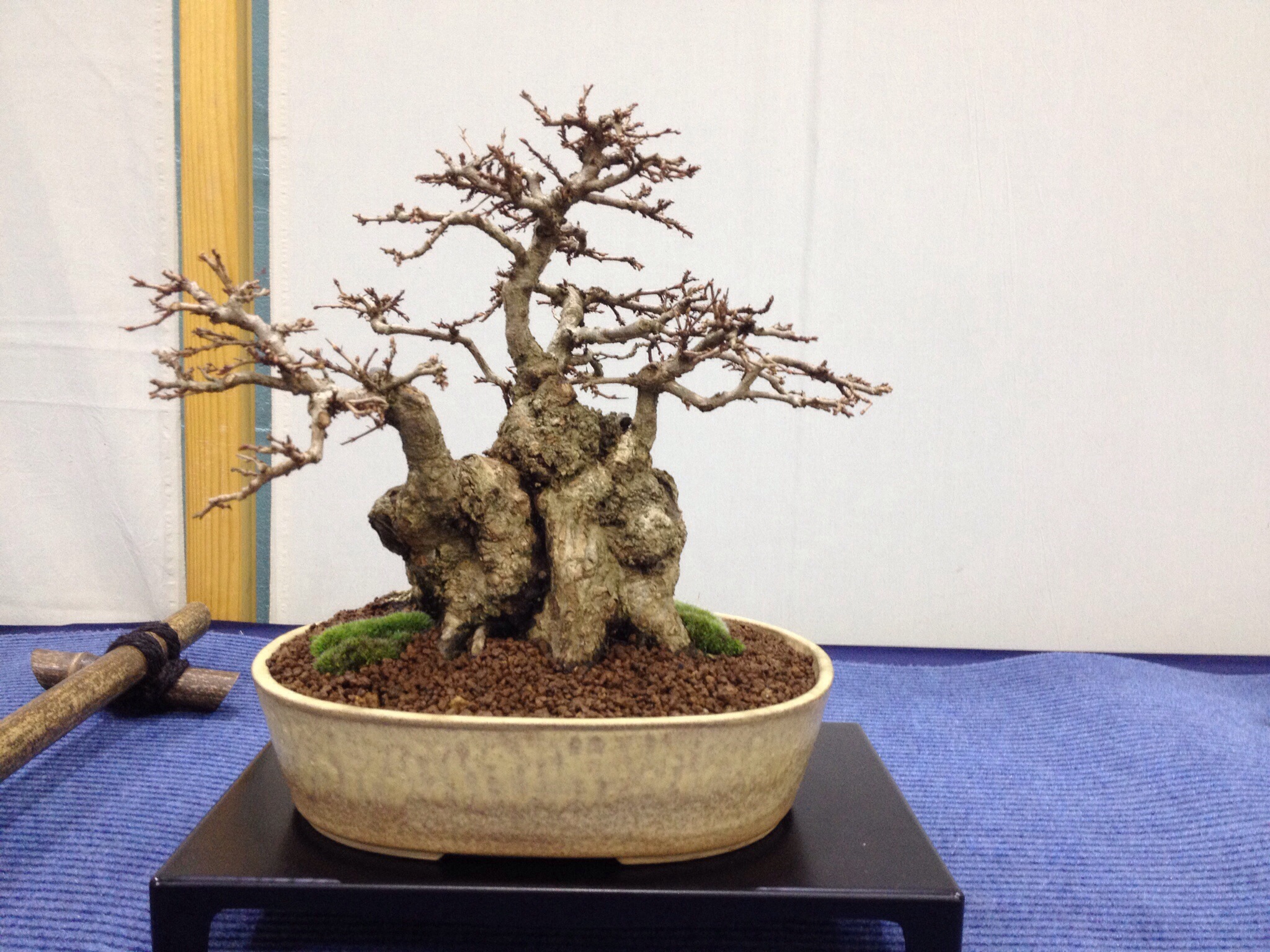
Hornbeam size wise this is just outside shohin.
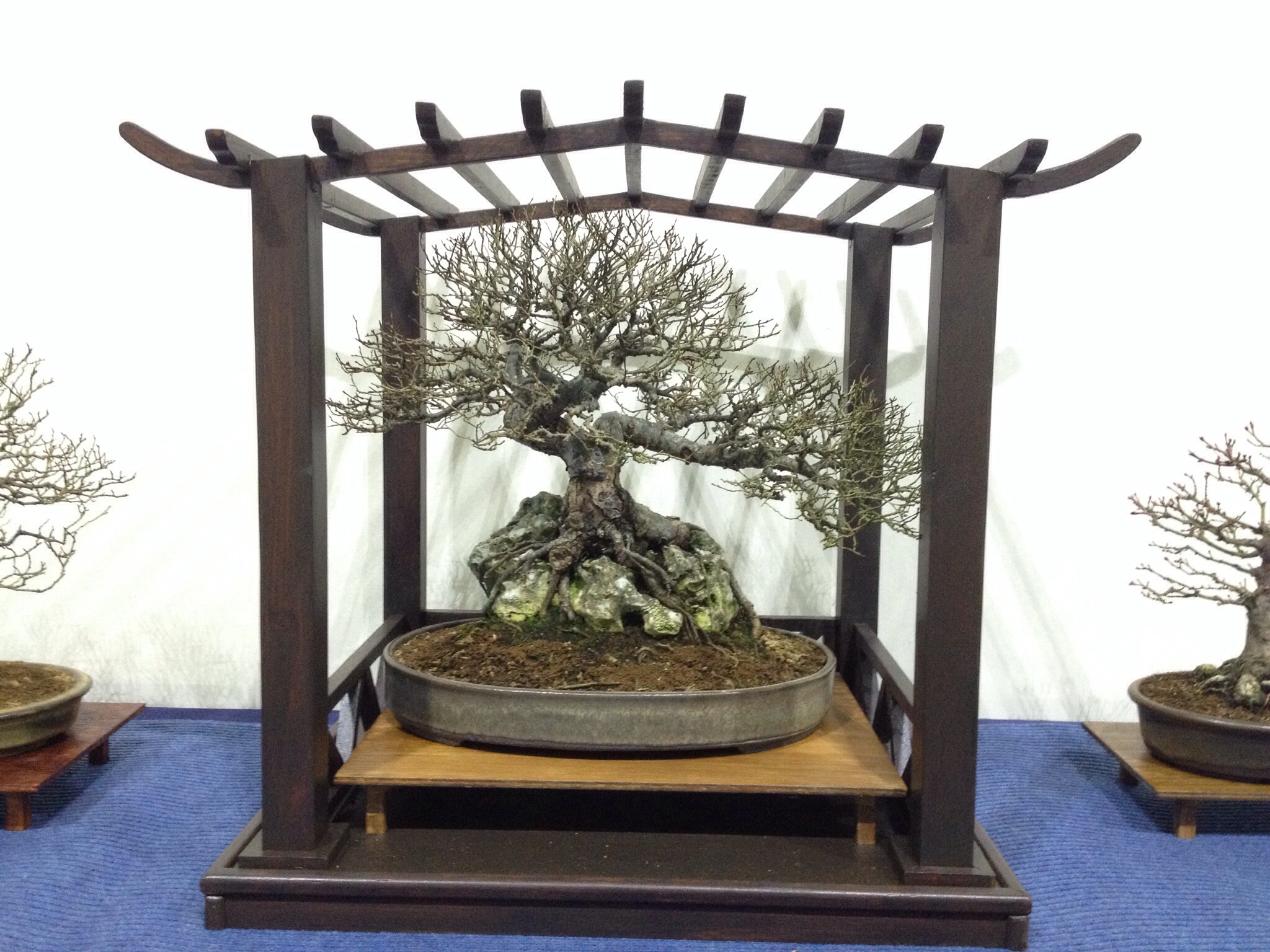
This one was interesting, while a nice idea I feel for me it was too large for the pagoda as the framework broke lines of the tree.
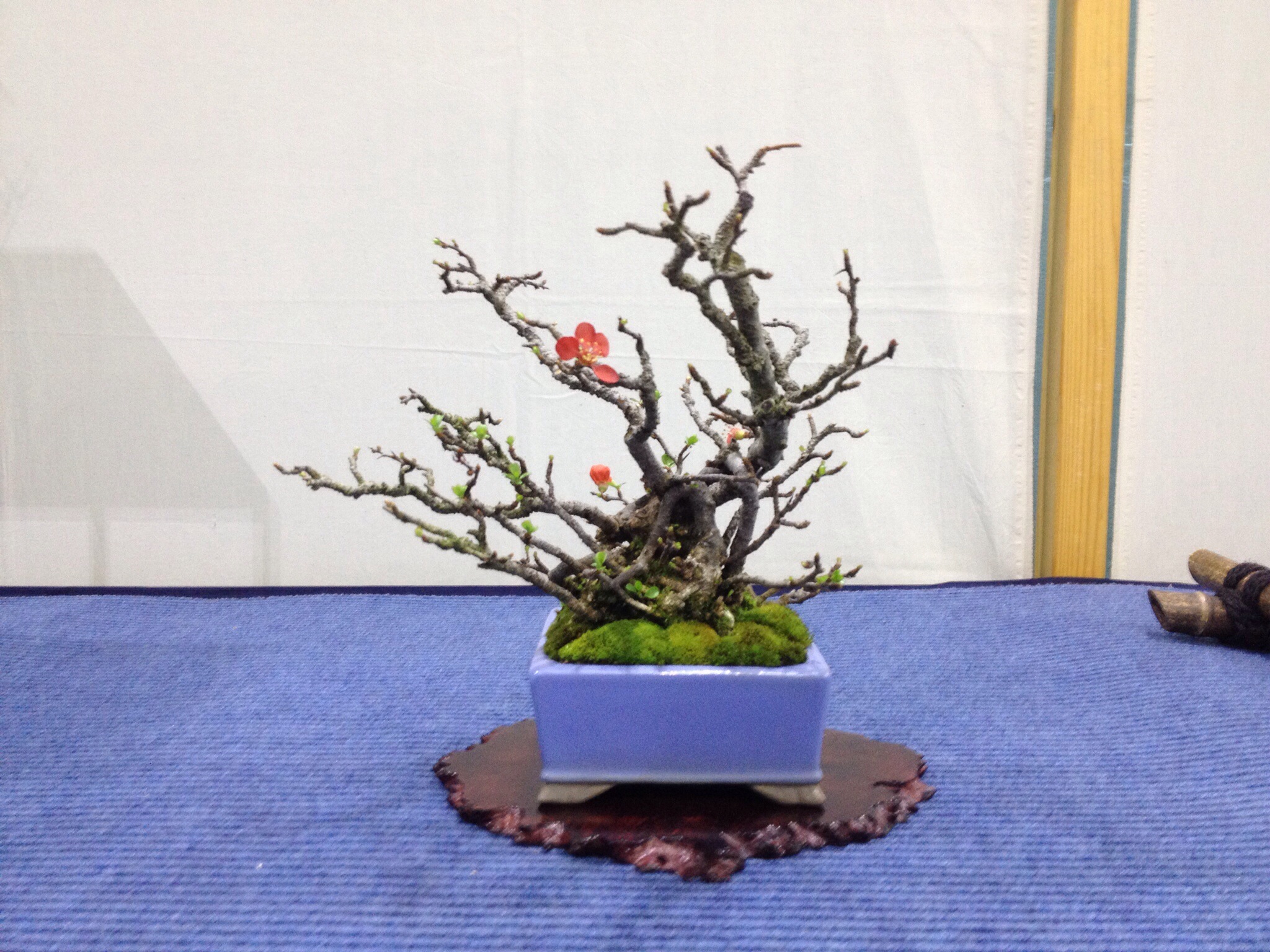
This chojubai is a favourite for me for shohin bonsai.
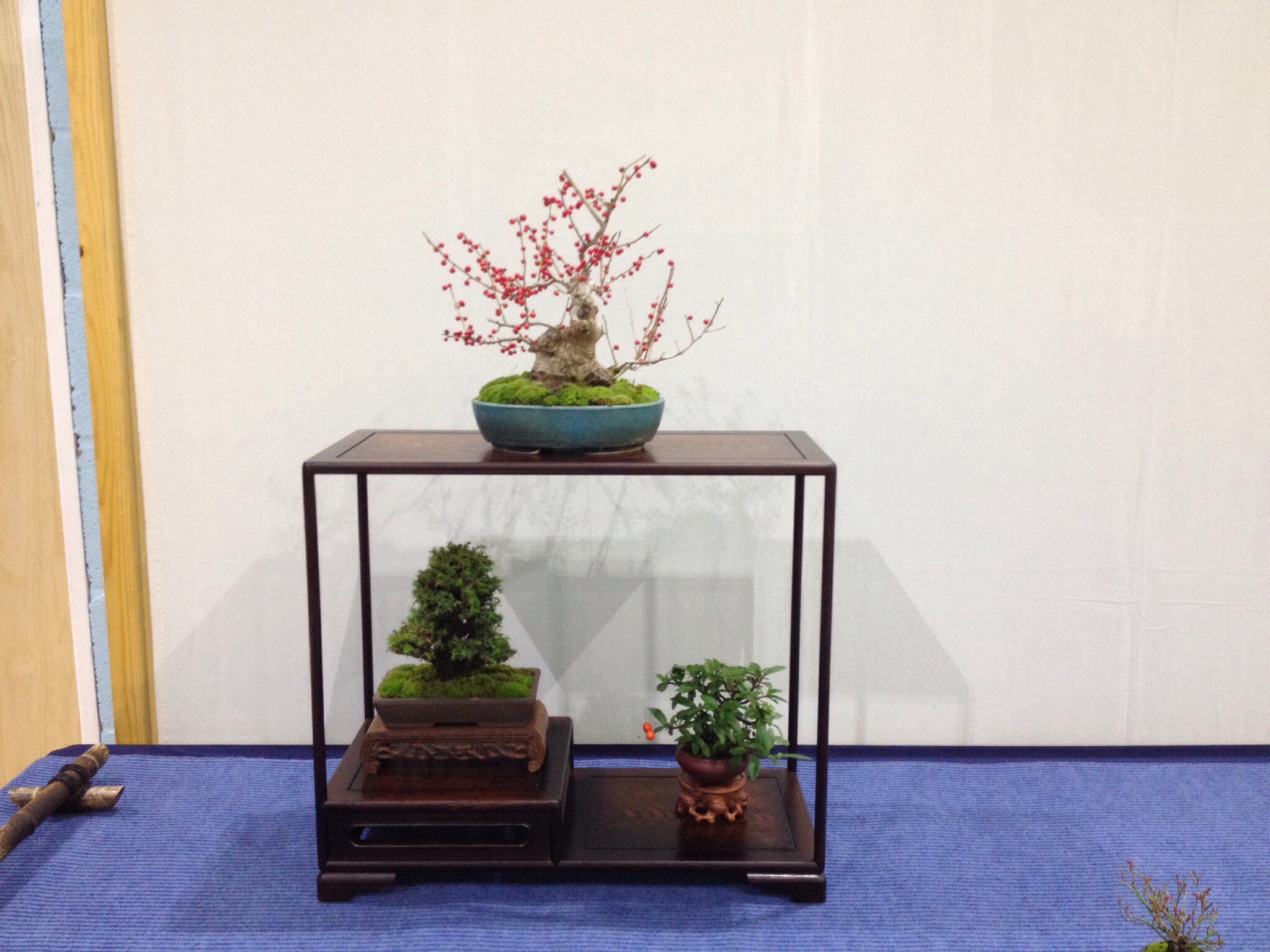
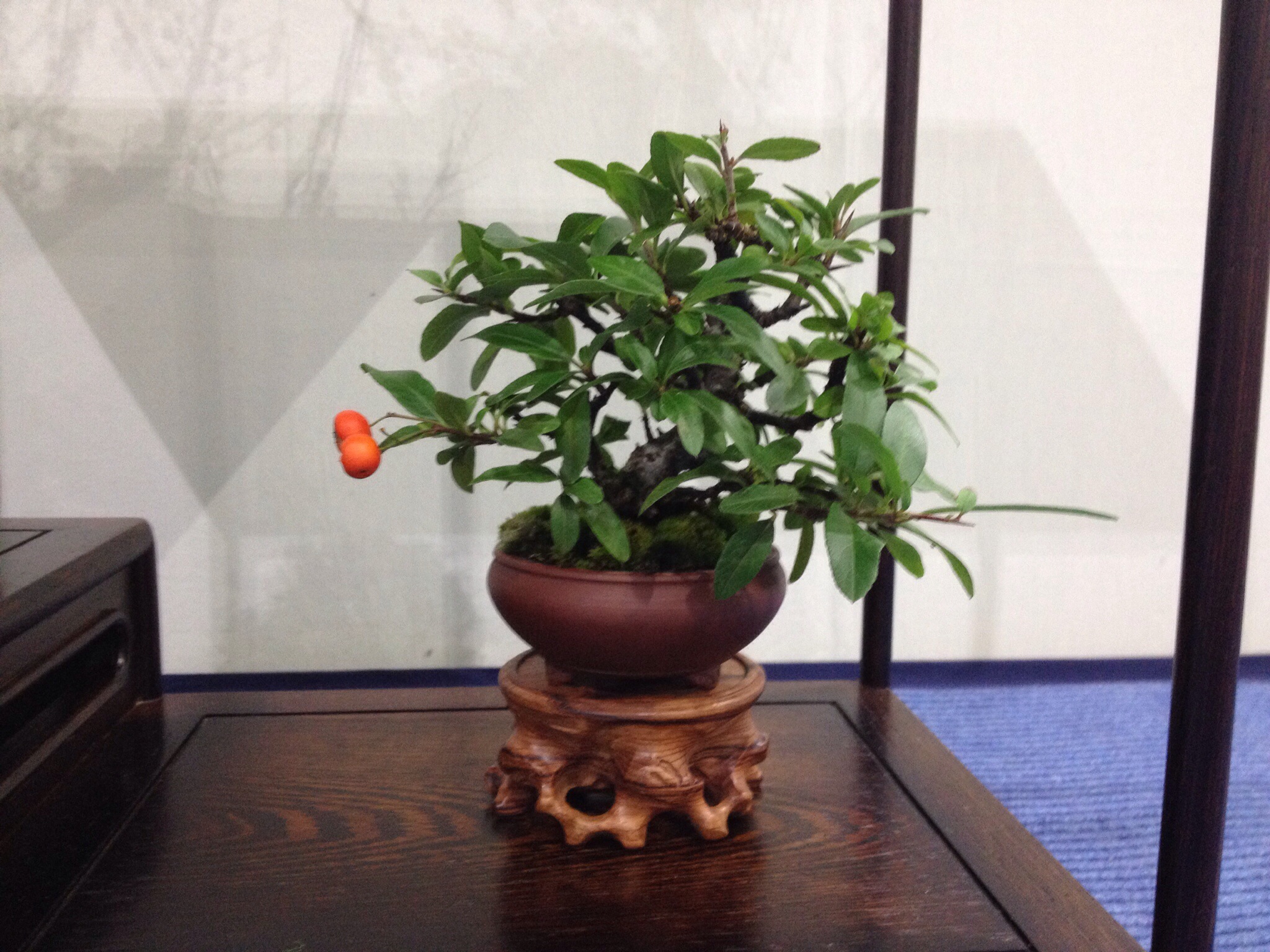
Here are a few of the accents that caught my eye.
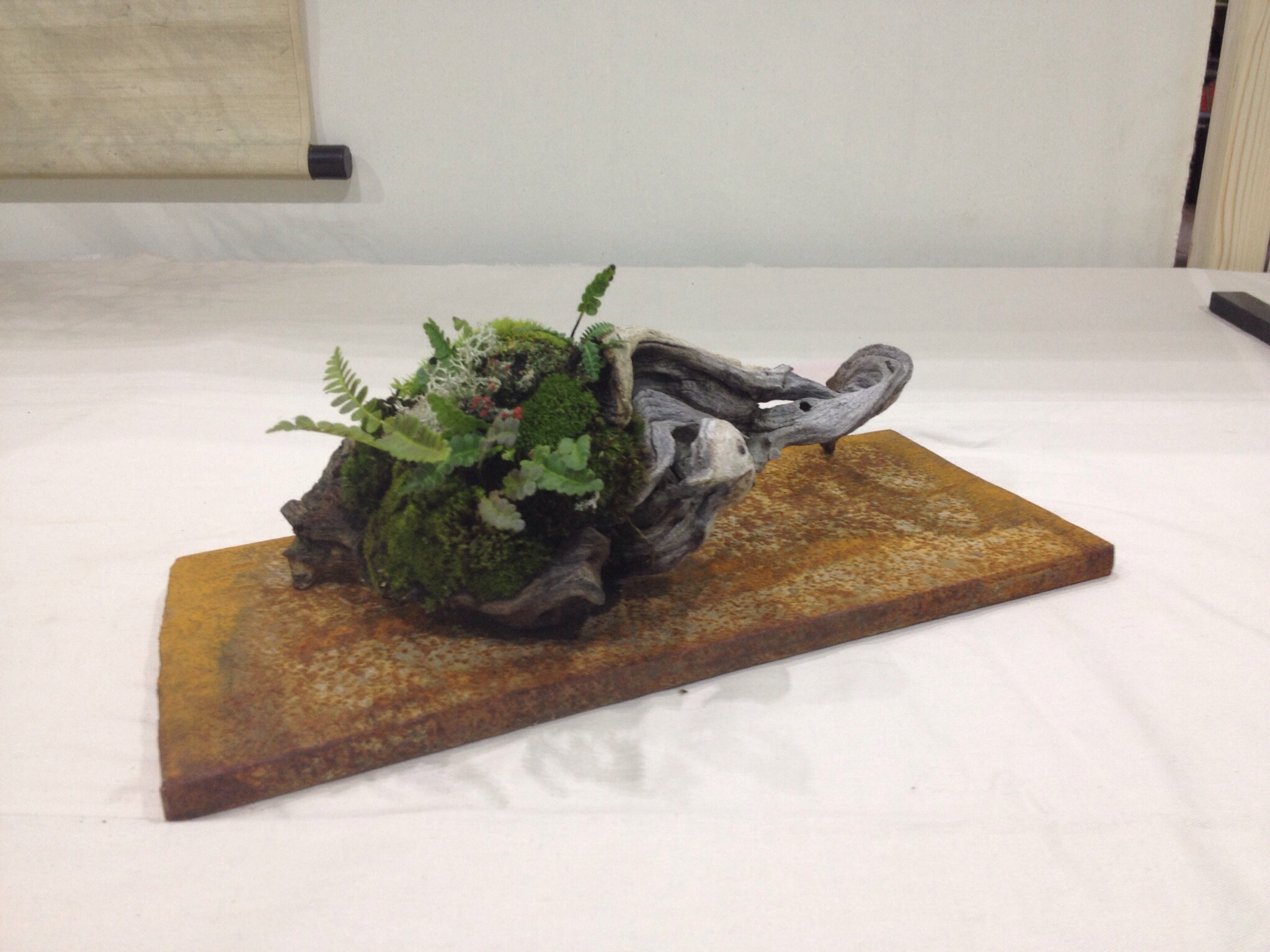
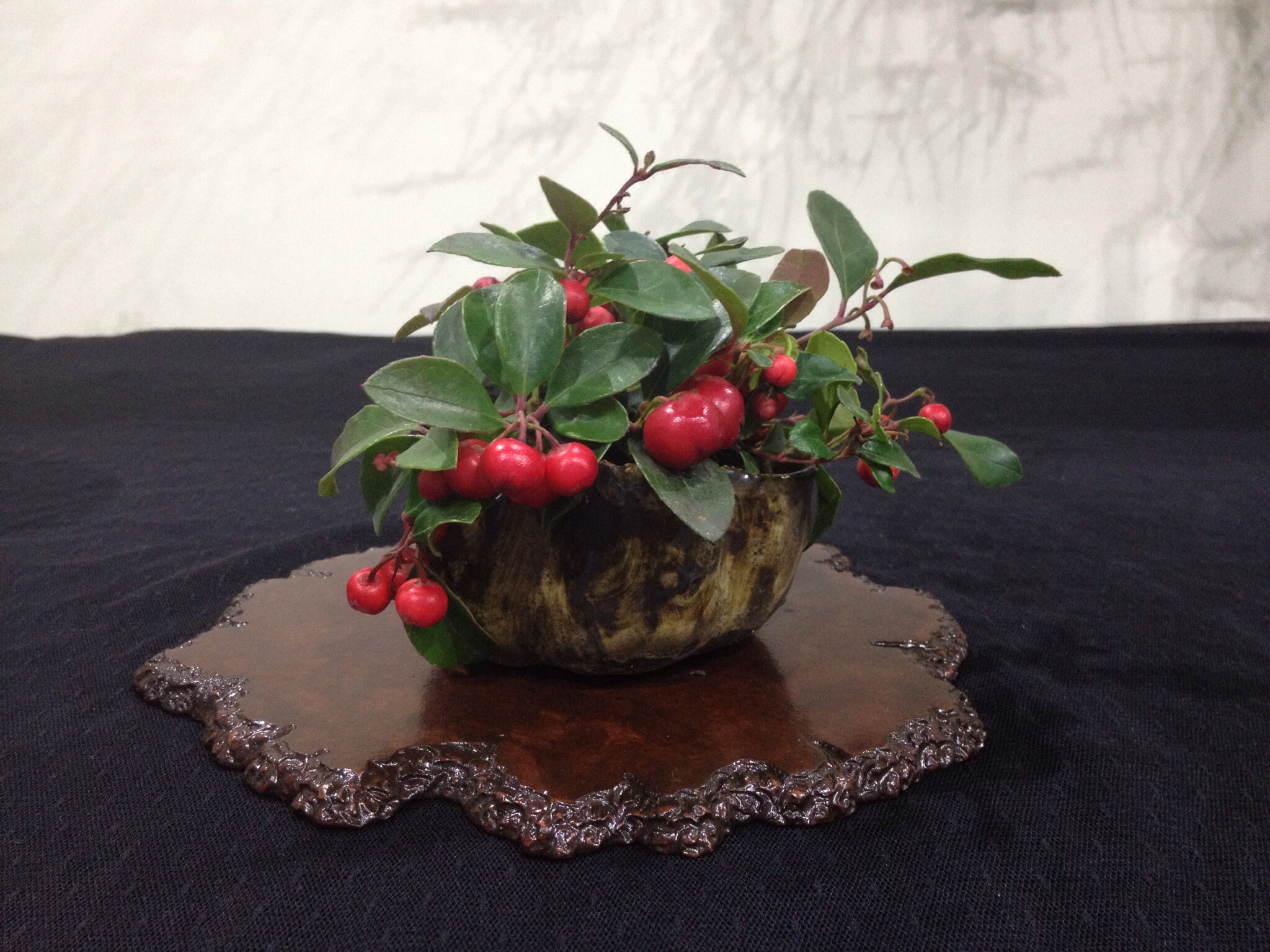


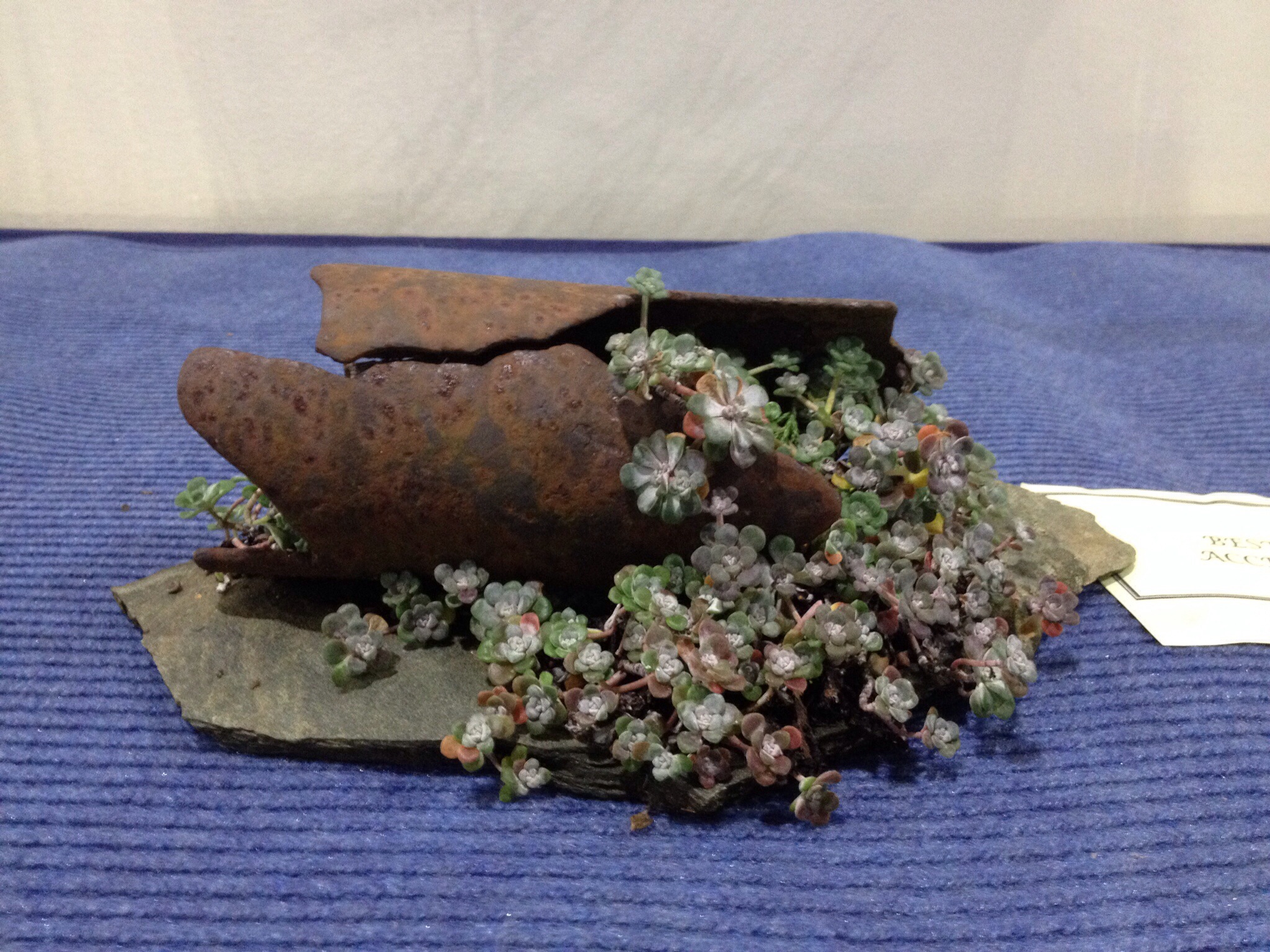
Nothing quite says spring like snow drops.
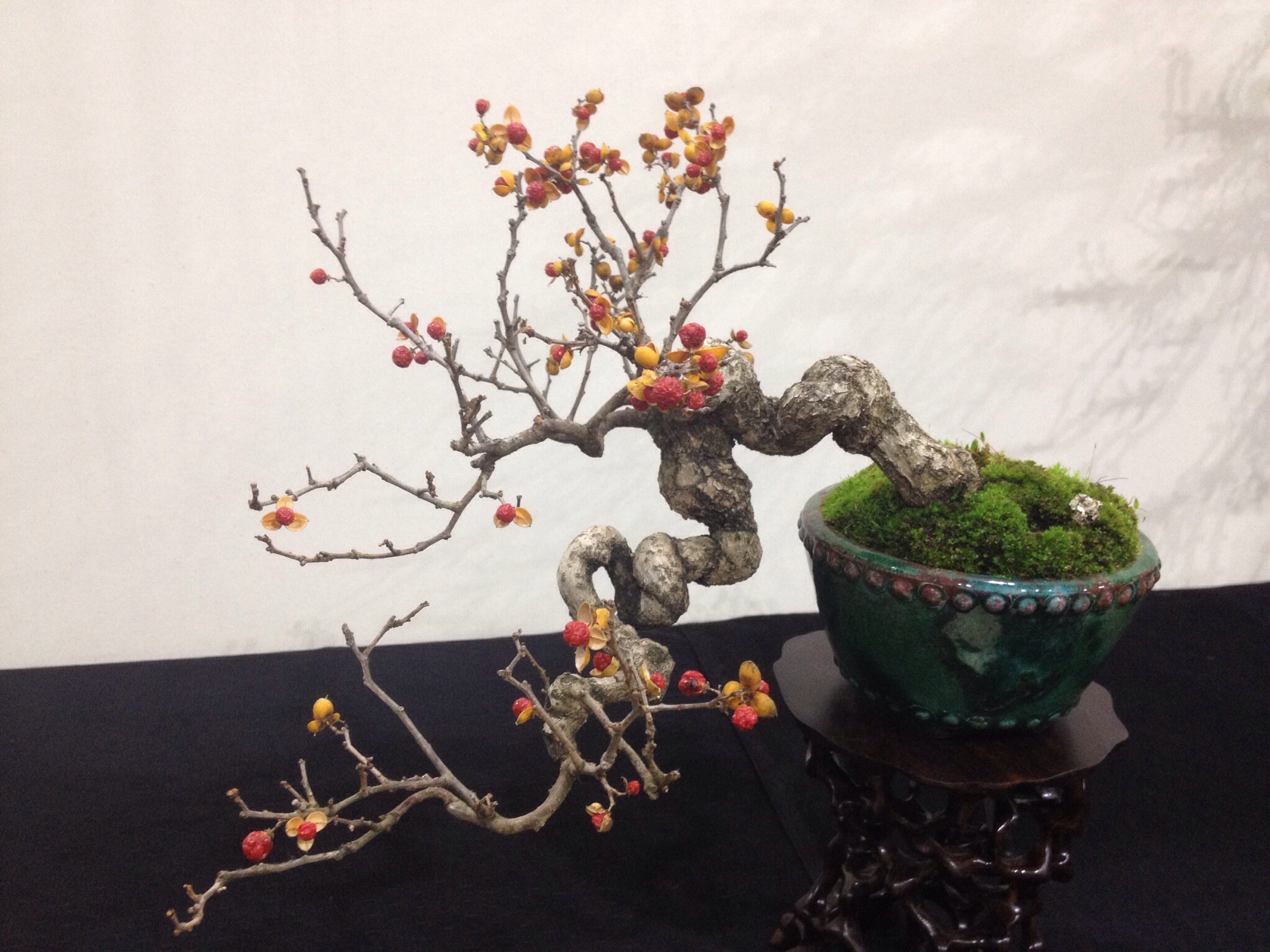

This is a rare…
View original post 351 altre parole
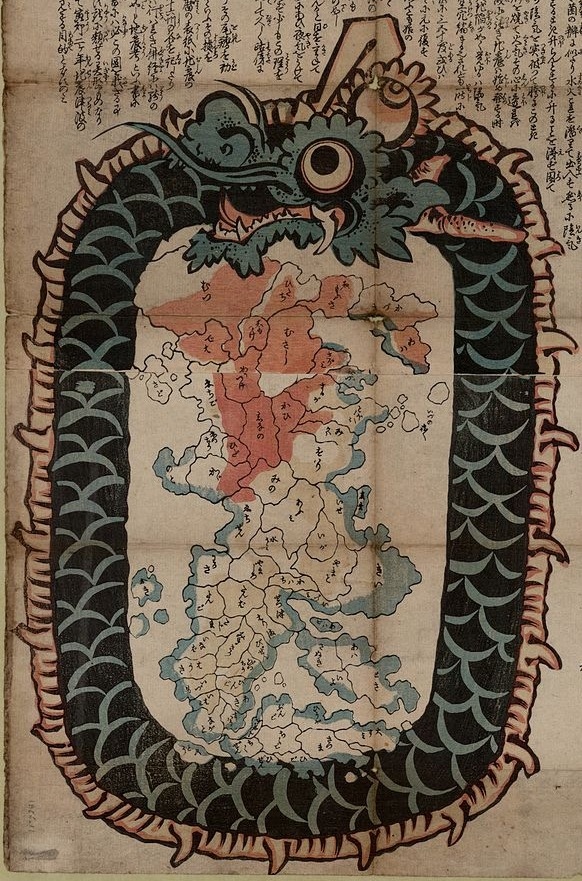
A 19th century Japanese map, the Jishin-no-ben, depicting an ouroboros dragon which causes earthquakes.
While the title of this post comes from a phrase on a few older maps depicting uncharted or dangerous territory, there’s no danger here, although maybe there is a little uncharted territory.
Rather than a potter specific post or pots from my collection, today’s article will be the first in a series of articles which will focus on containers from a variety of potters, each with a specific theme, style, or glaze. Today: Dragon Pots!
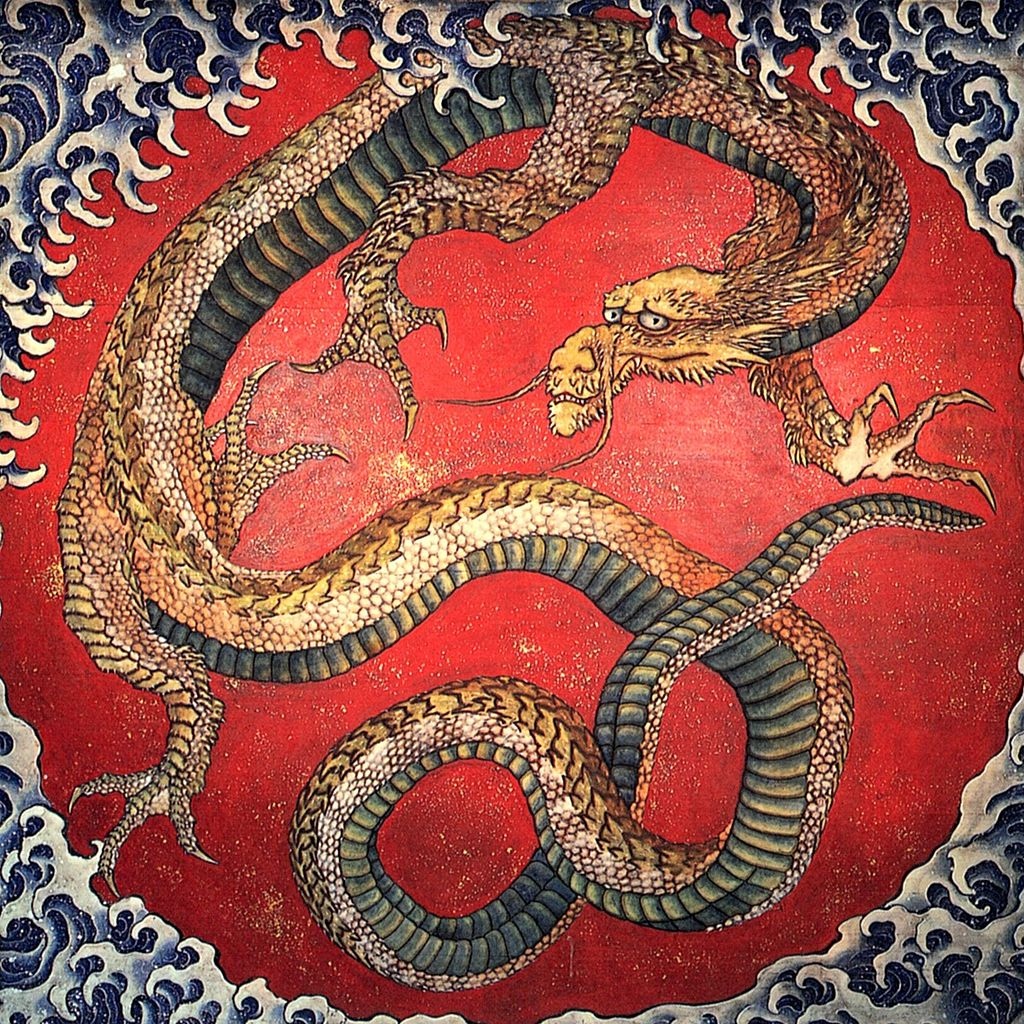
Dragon by Katsushika Hokusai
The history and mythology of Dragons is long and fascinating, a thing that binds all cultures together in our collective mythology. Both the East and the West have mythological histories with dragons, though in the West dragons are almost solely regarded as evil(most likely a medieval link to the book of Revelations which refers to Satan as…
View original post 1.643 altre parole
The National Bonsai and Penjing Museum, located on the East Coast of the United States, has been having its annual Winter Silhouettes exhibition for nearly 20 years. We’ve recently gone to a biannual show to generate more interest as winter is our slow season at the Arboretum.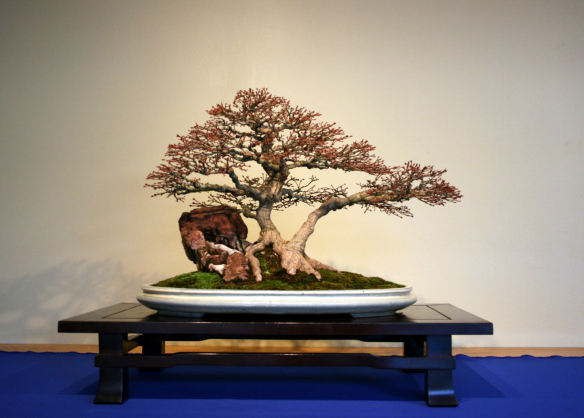 Japanese Maple-Kiyo-hime, In training since 1946, Donated by Akiko Matsudaira.
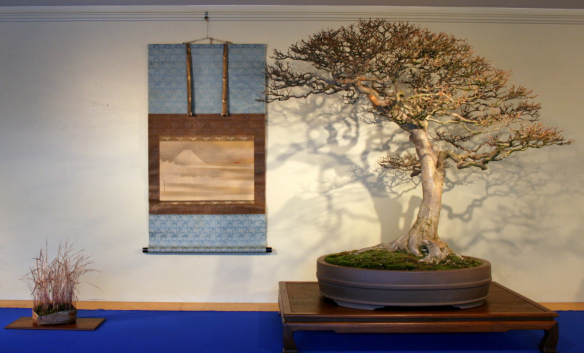 3 point disaply with Trident Maple, In training since 1895, Donated Prince Takamatsu, Mt. Fuji scroll, and Japanese Blood Grass.
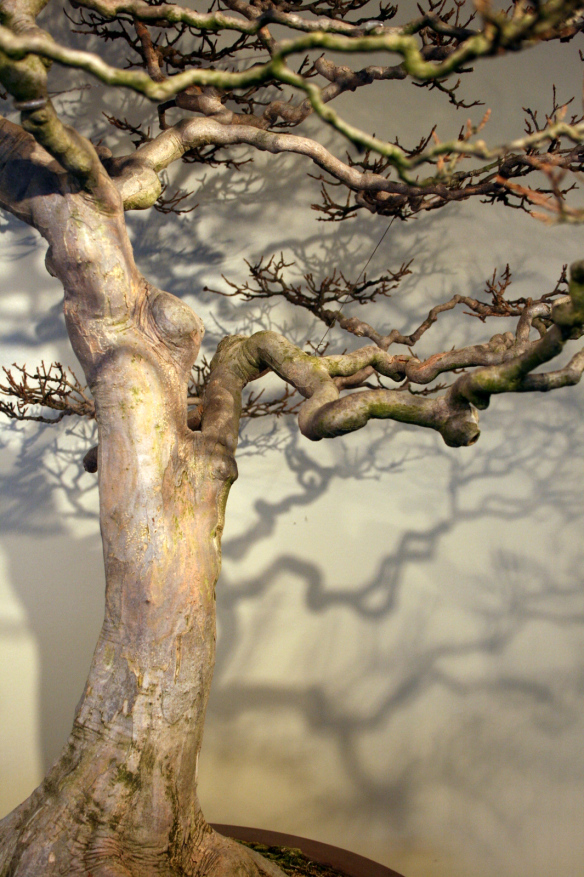 Branch silhouette.
 Japanese Blood Grass, container by MC2.
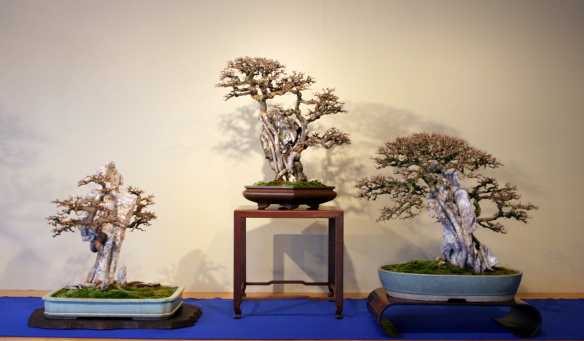 Triptych of Root-over-rock Chinese Elms, Donated by Yee Sun-Wu.
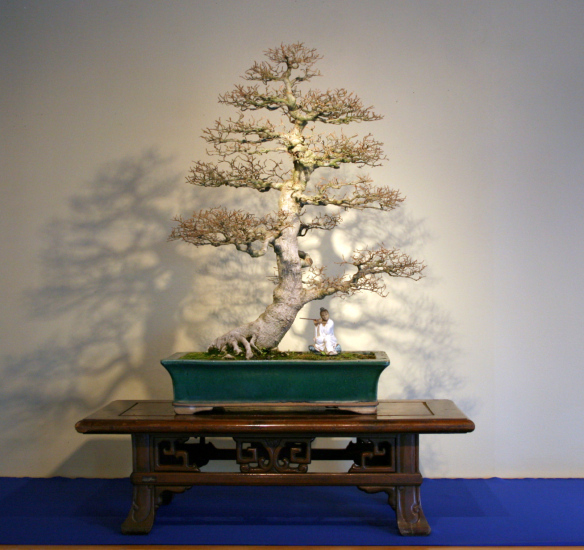 Chinese Hackberry, In training since 1946, Donated by Shu-ying Lu.
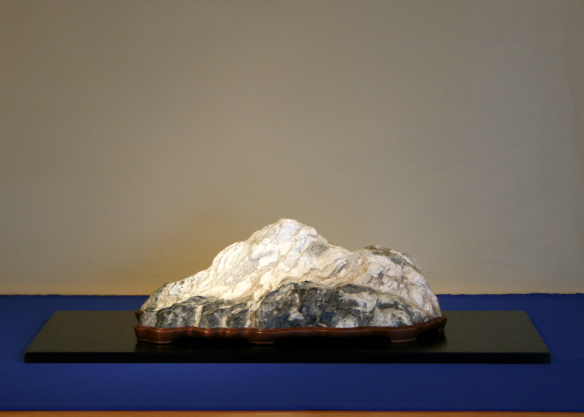 Winter Suiseki.
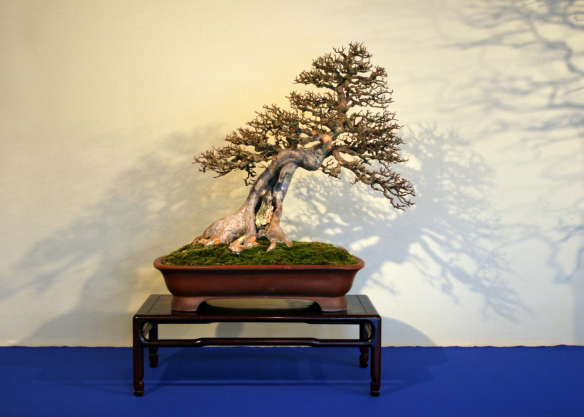 Chinese Elm, In training since 1946, Donated by Yee-sun Wu.
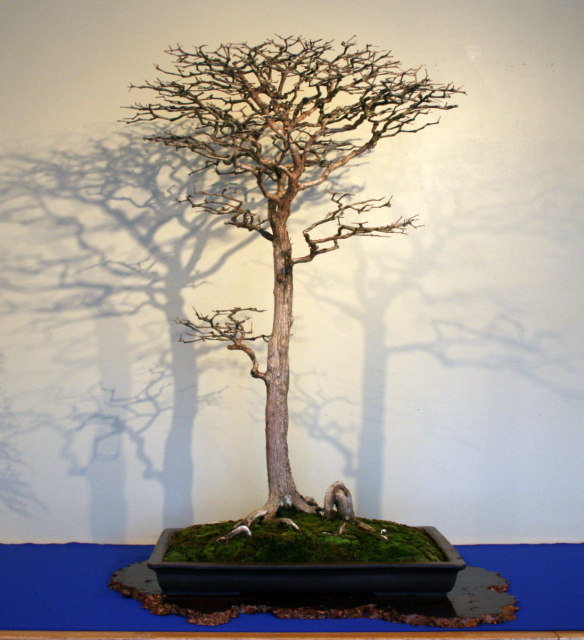 Bald Cypress, In training since 1972, Donated by Vaughn Banting.
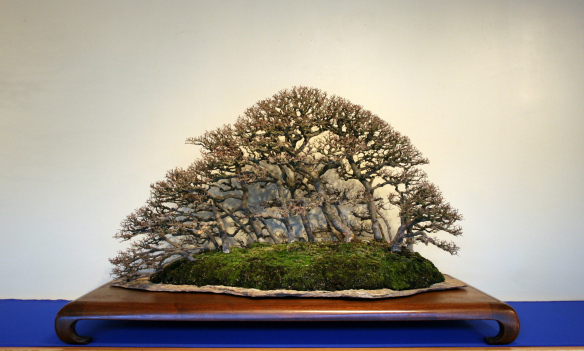 Chinese Elm, In training since 1970, Donated by Marybel Balendonck.
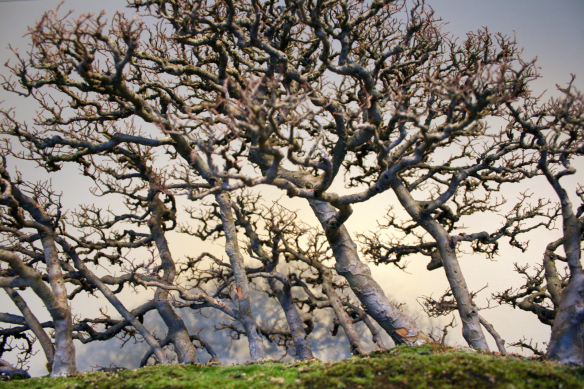 Branch detail.
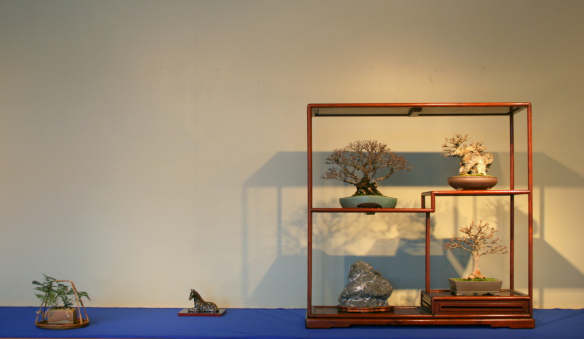 Year of the Horse shohin display.
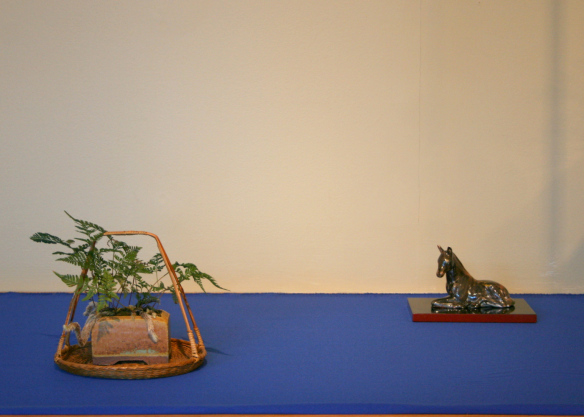 Rabbit foot fern, container by Lang…
View original post 93 altre parole


