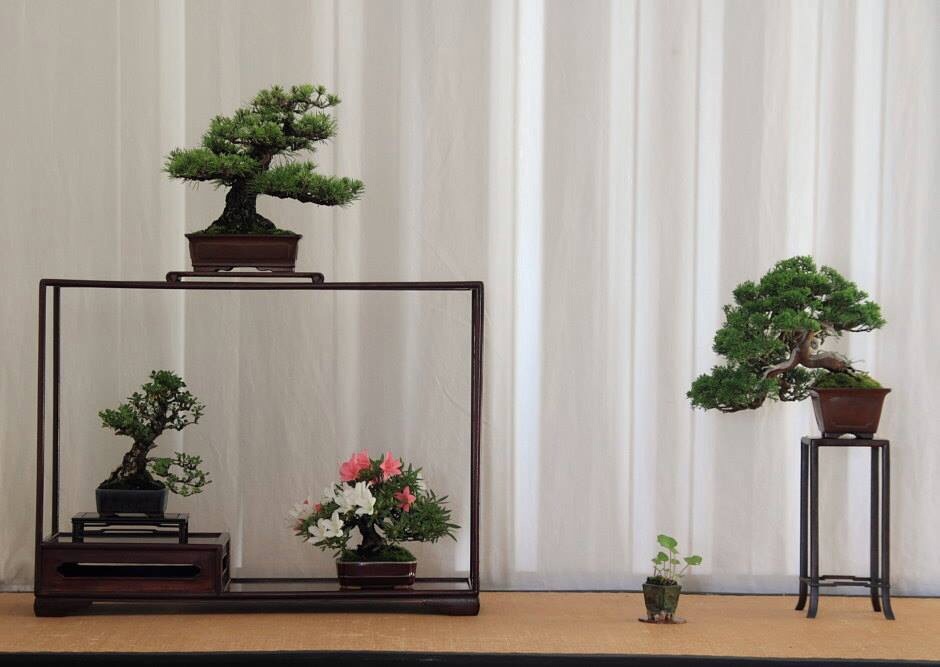

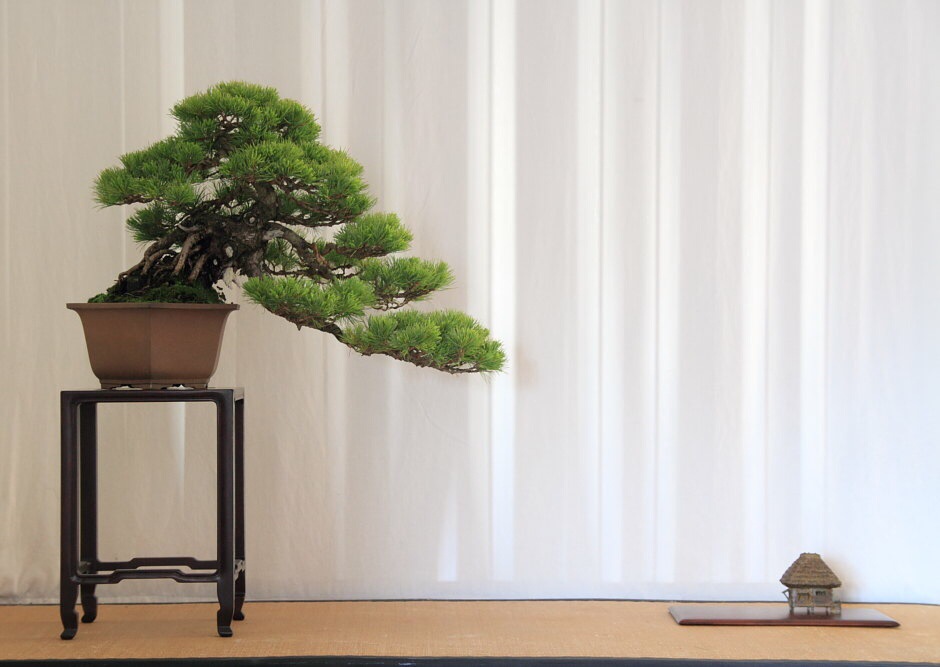
Pronto per la mostra Nazionale Svizzera

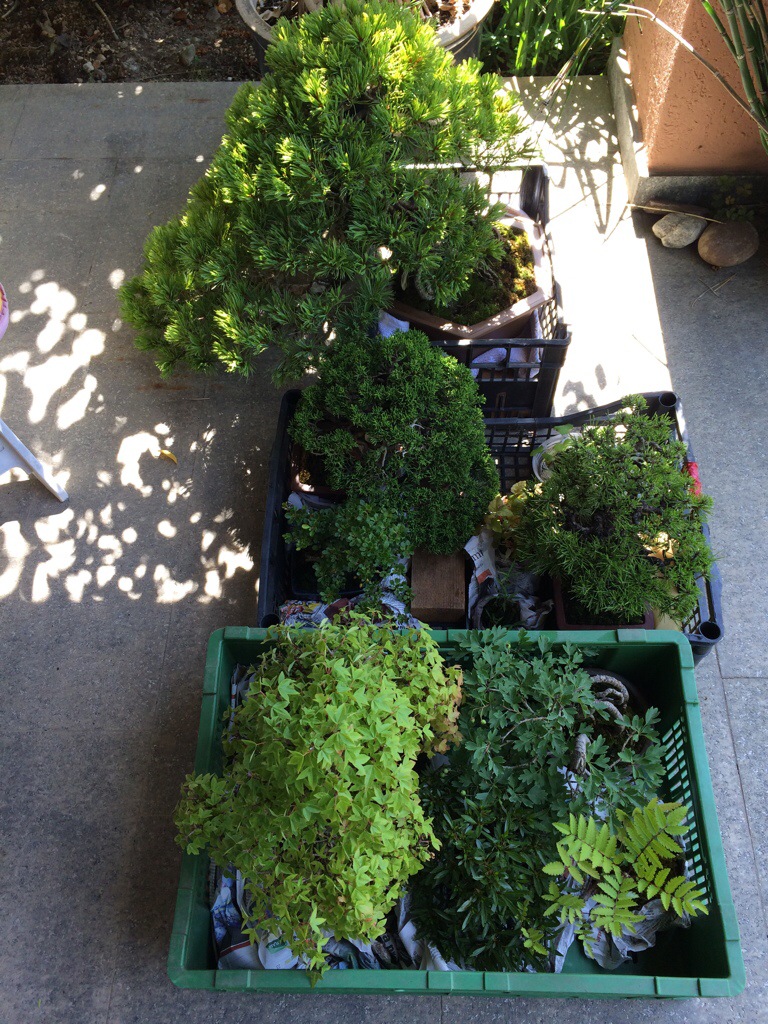


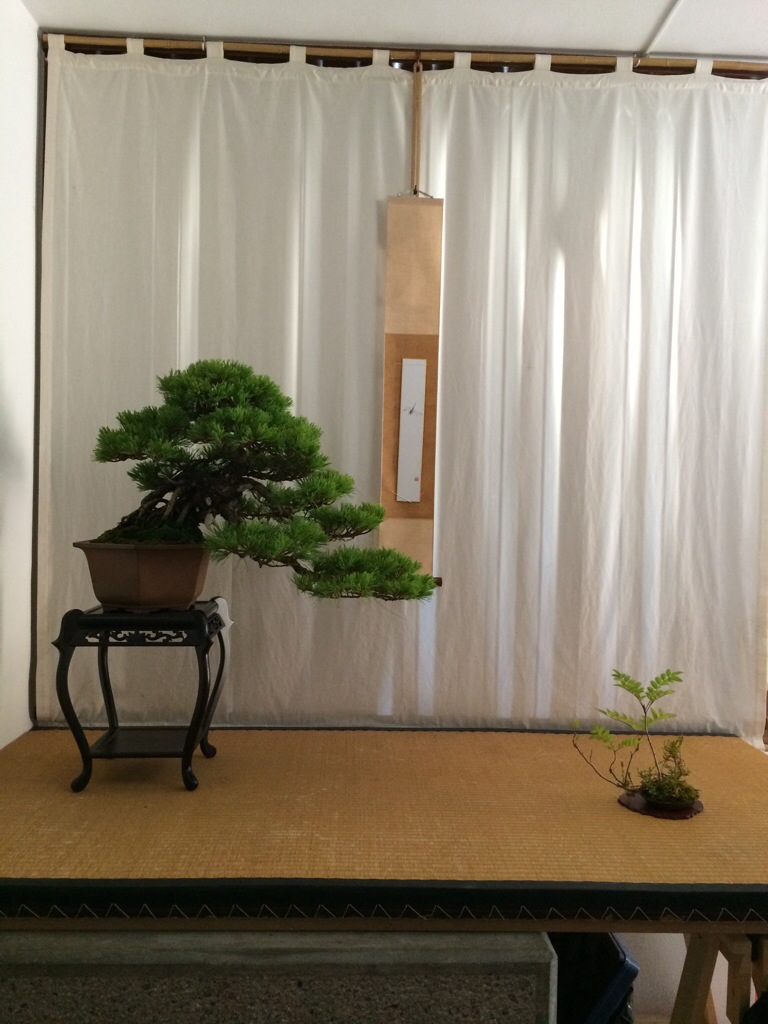

Pronto per la mostra Nazionale Svizzera
Questa galleria contiene 5 immagini.
Questa galleria contiene 3 immagini.
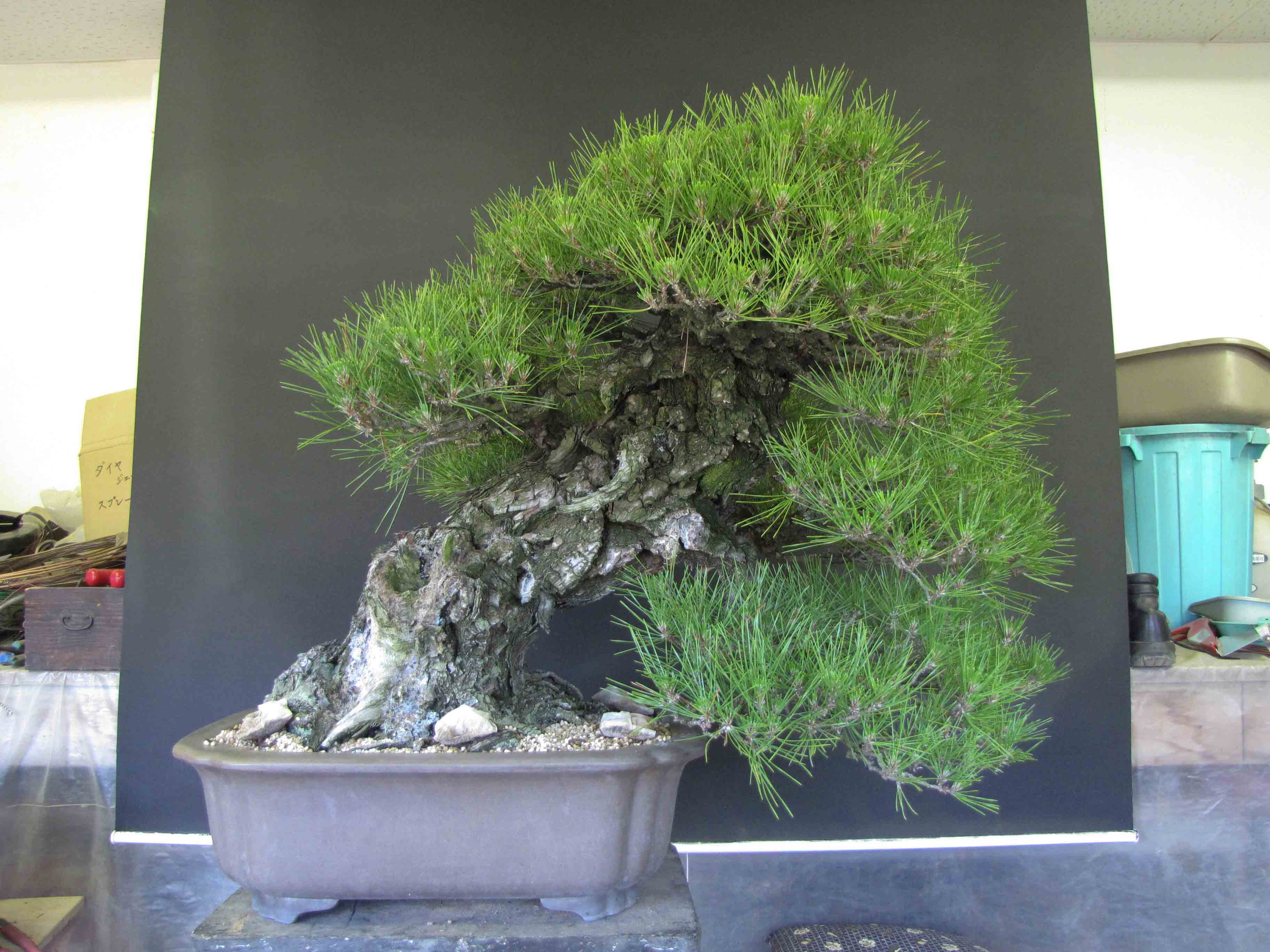
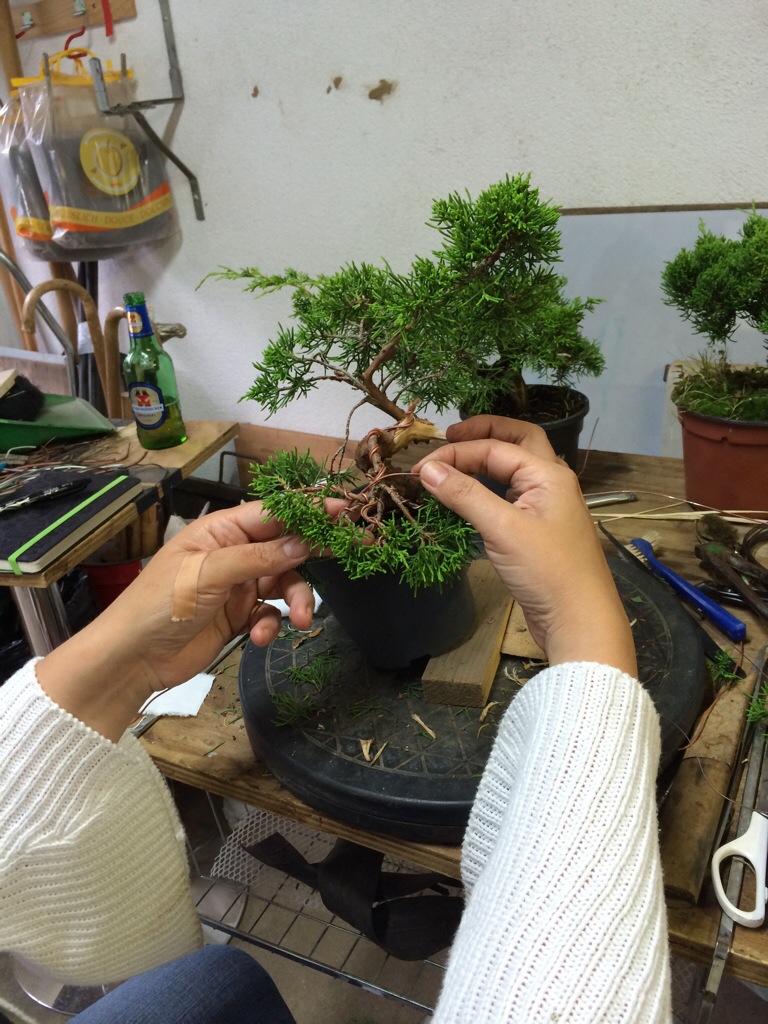
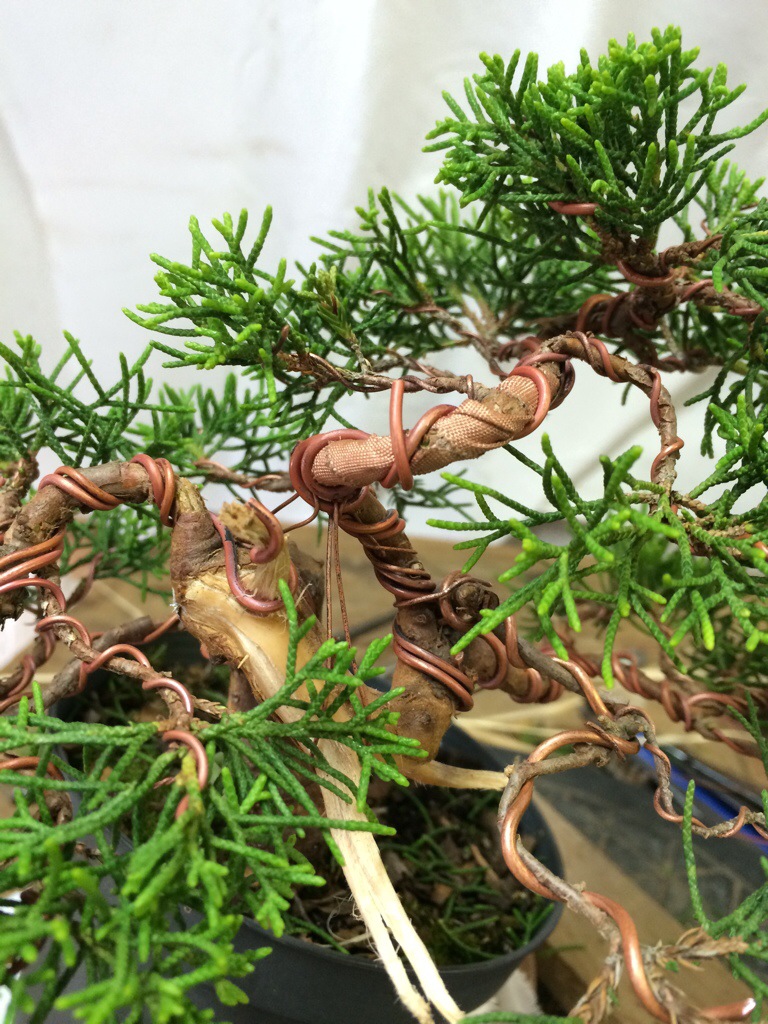
Now that Summer is in full swing, we’re moving away from the deciduous into the Black/Red Pine work. During the Summer is the time we start to de-candle the many Black/Red Pines we have here at Aichien. For new and seasoned Bonsai enthusiast, the concept of de-candling can be or still be confusing and misunderstood. Black/Red Pines in general are more difficult to work on because of balancing issues and one of the most difficult trees to balance. In this post, I’m going to talk about the concept of de-candling, when it’s applied, the results and the other details surrounding the concept. I will also talk a bit about cutting back and thinning of the tree as well. Of course, I’ll be sharing some pictures of the process. This is by no means the definitive guide to de-candling which is normally best taught by a trained and…
View original post 3.789 altre parole

Questa galleria contiene 24 immagini.
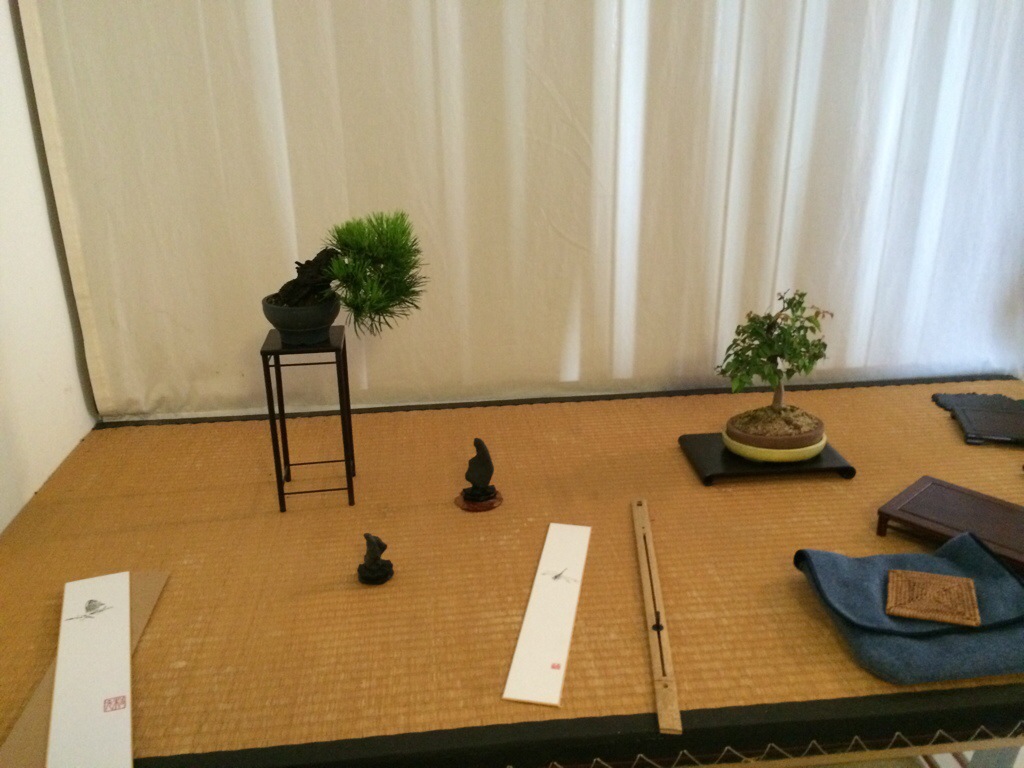
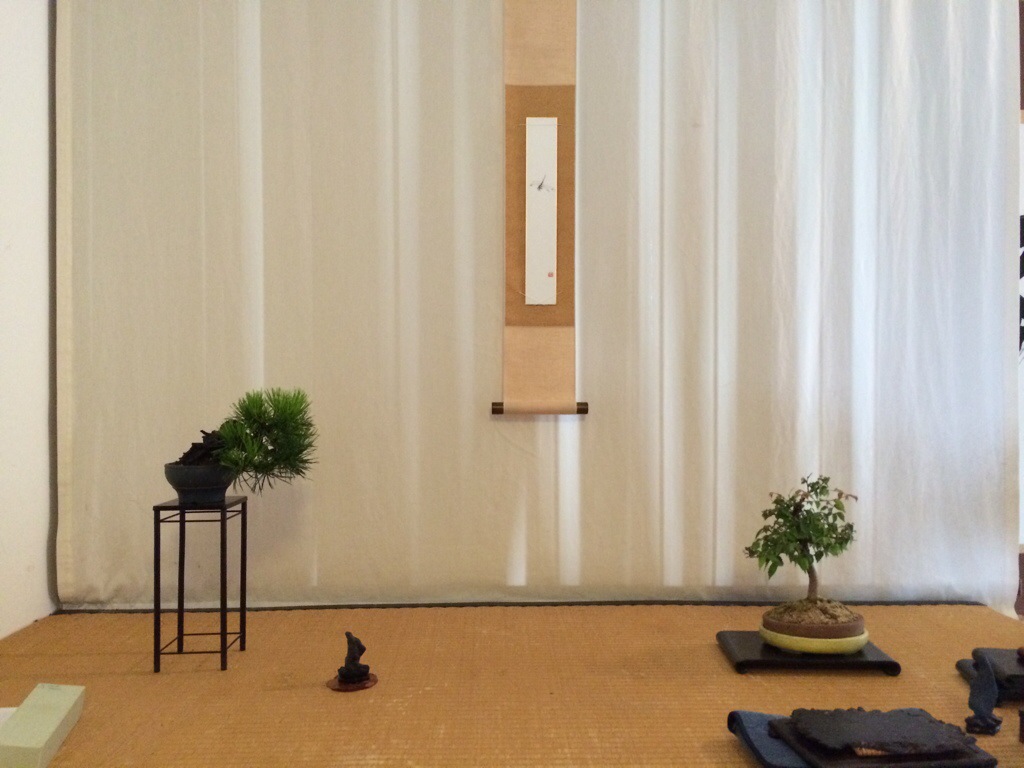
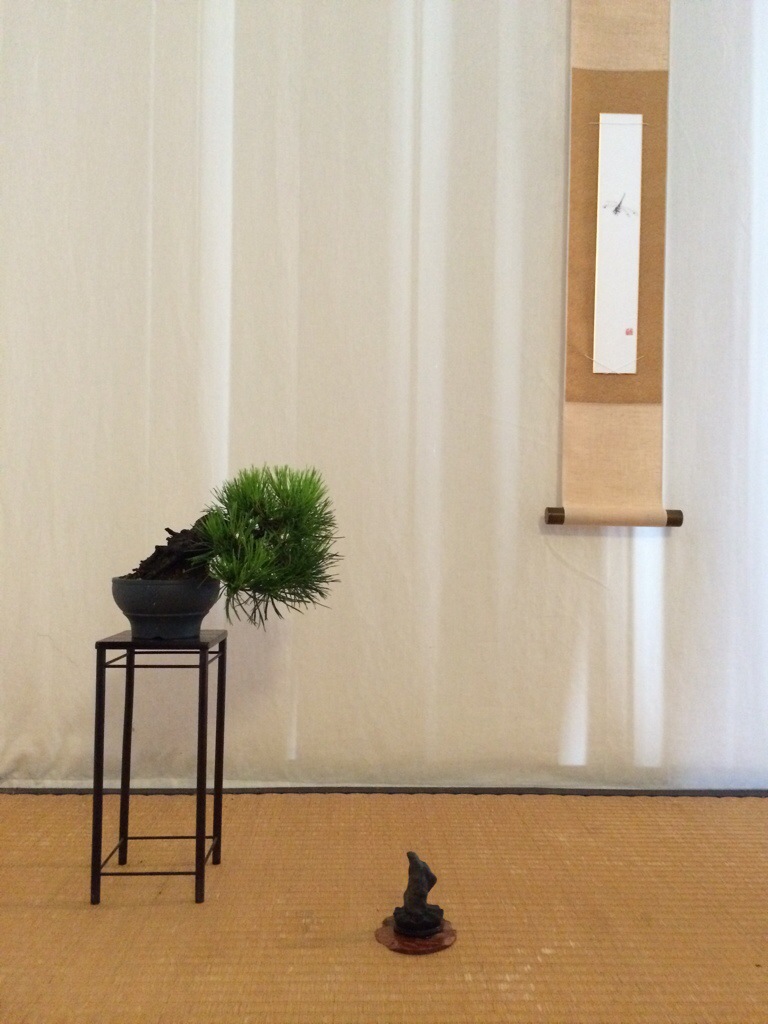
Prove di allestimento
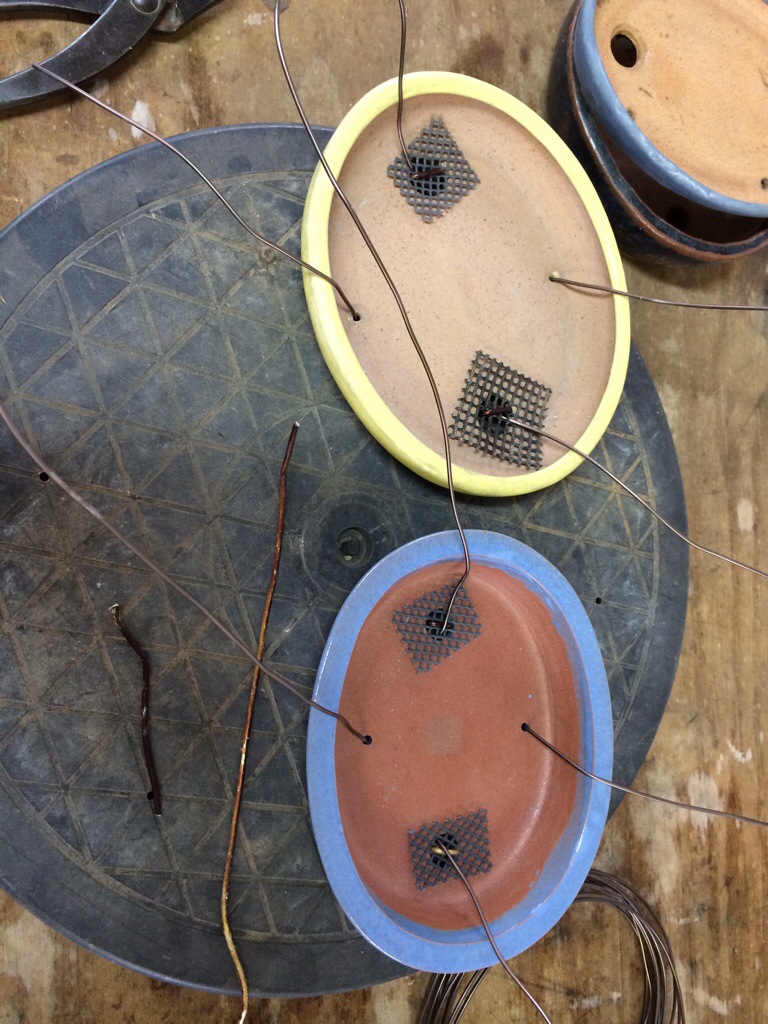




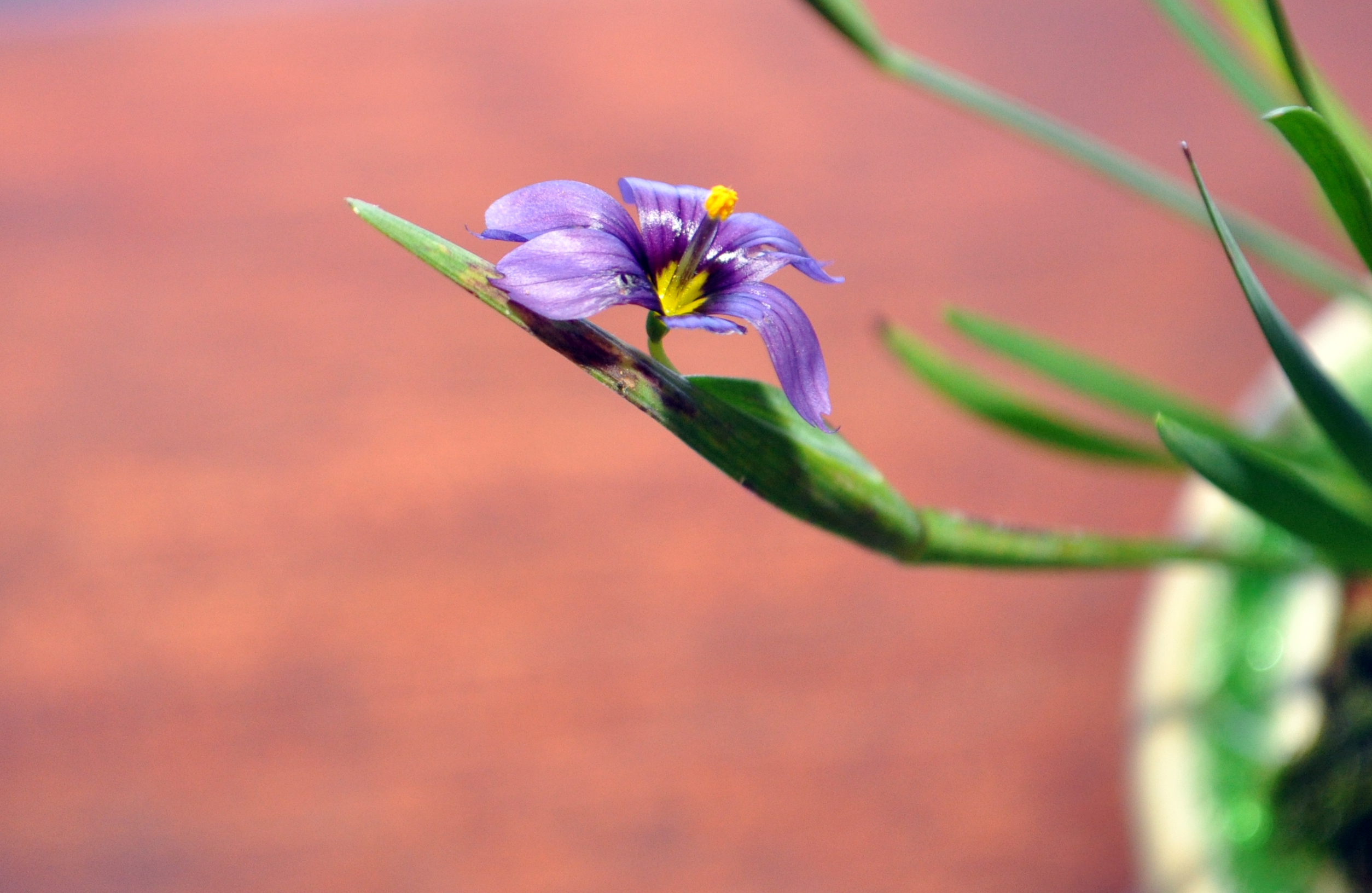
These Sisyrinchium are fast becoming addictive! Here are 3 of the four that I have. The only missing one is the Yellow ‘Californium’. I’m on the hunt for more 🙂
E.K. Balls
Biscutella
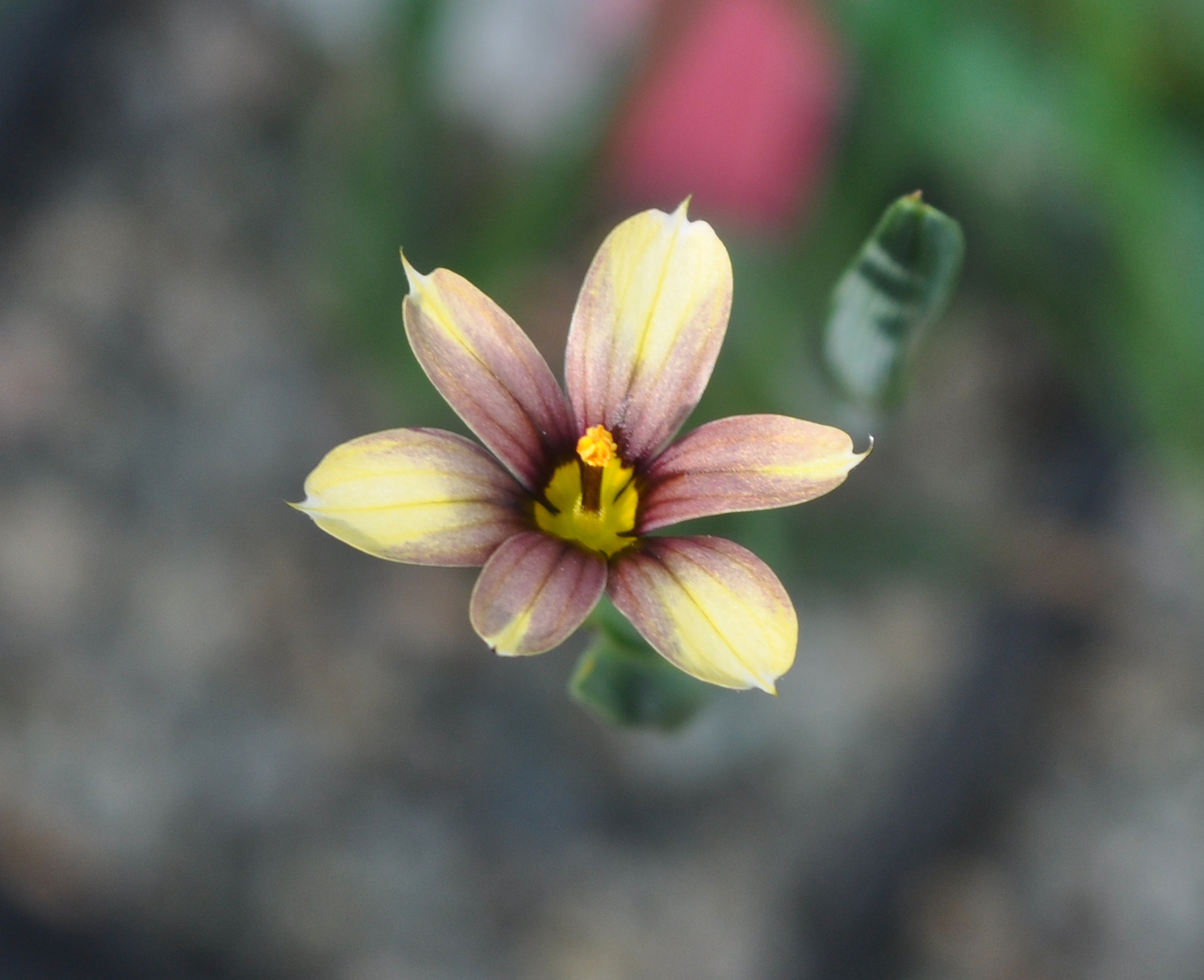
Dragons Eye
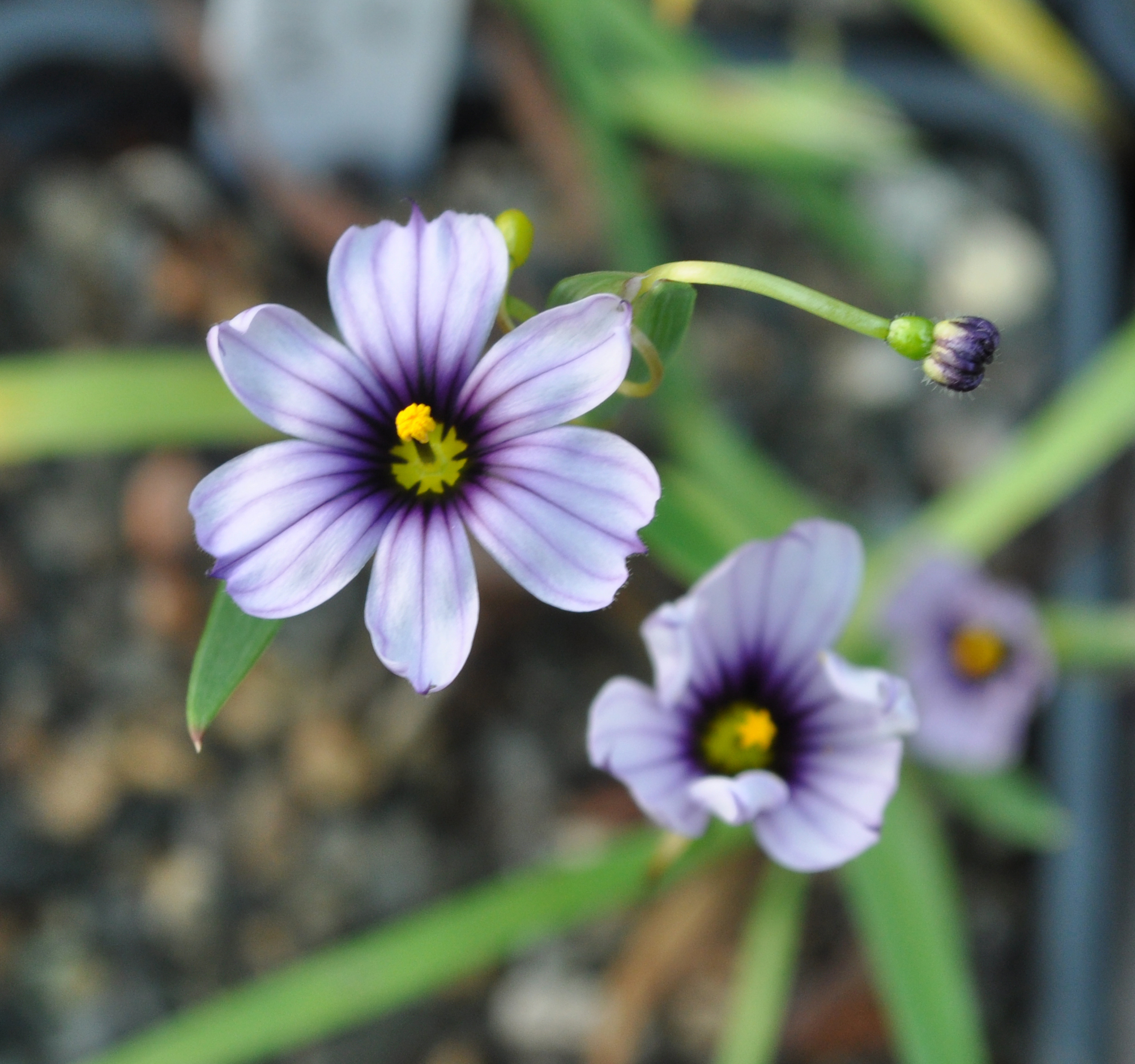
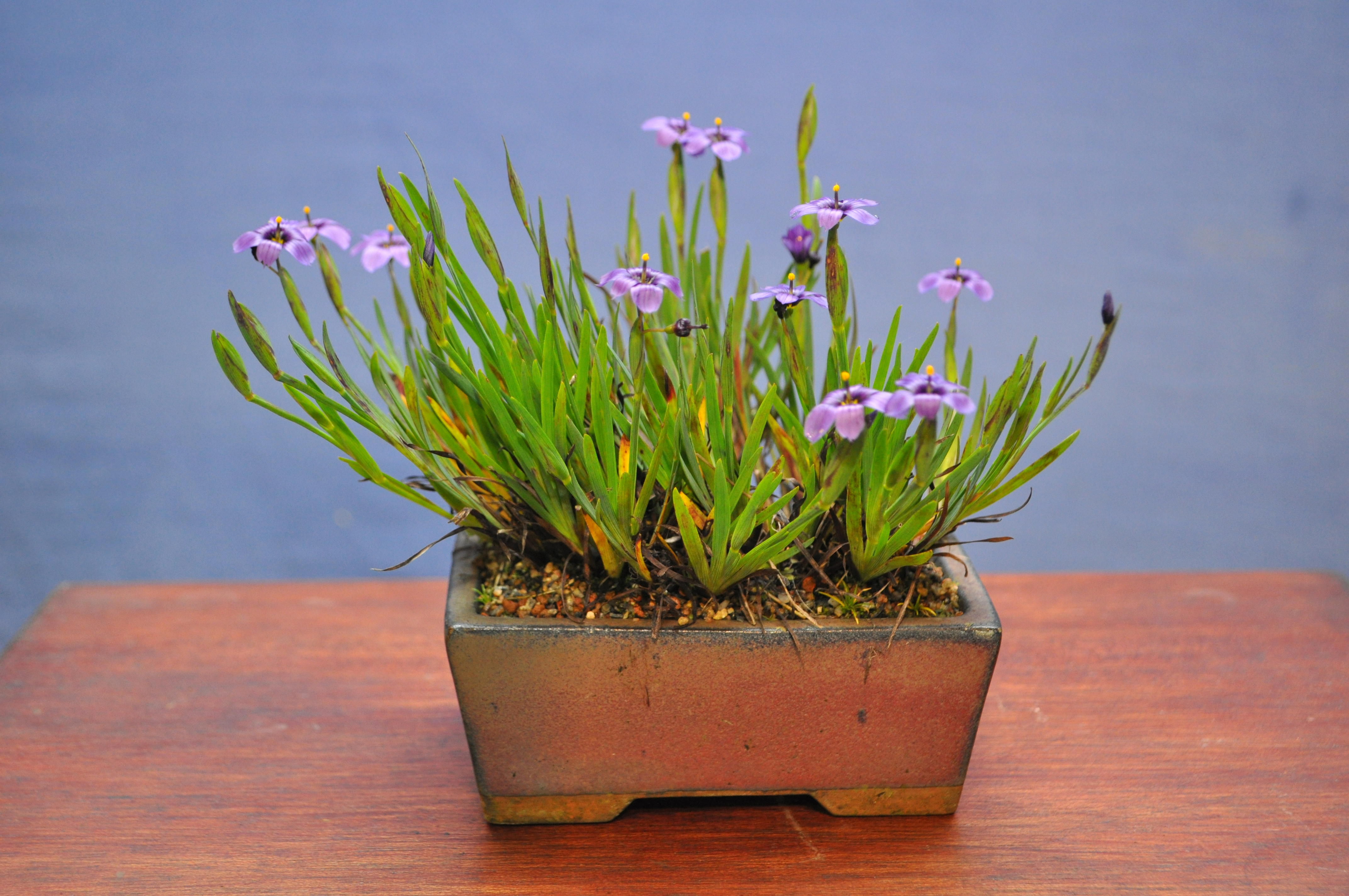 Sisyrinchium ‘EK Balls’
Muschio
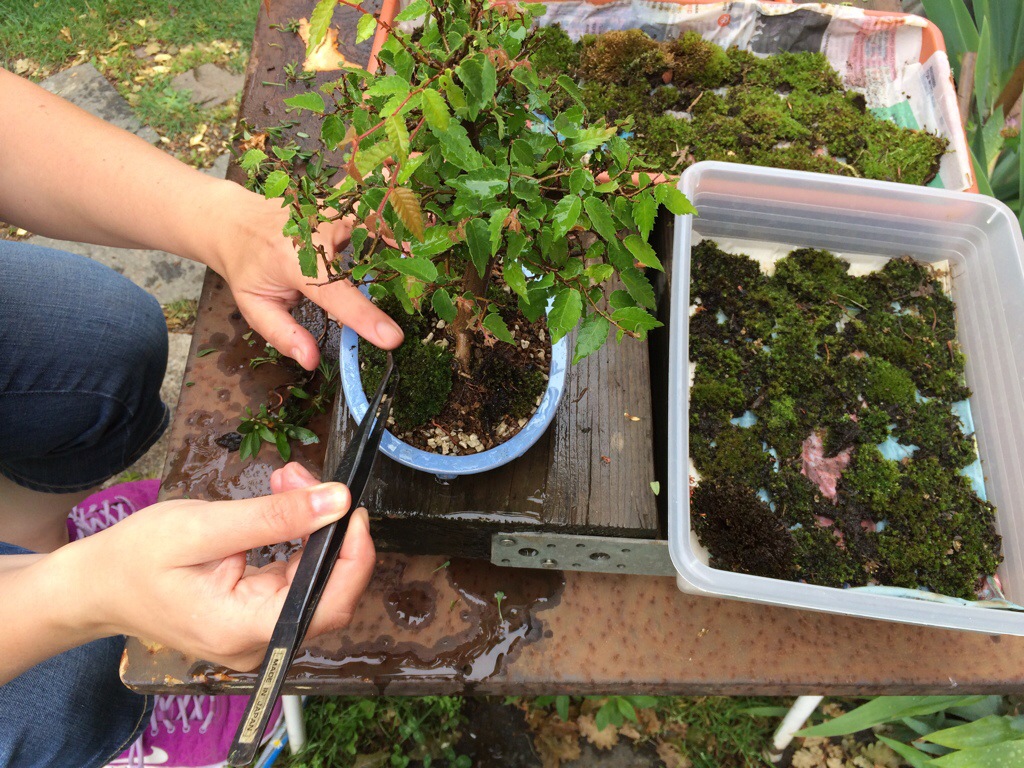
I remember the days when moss was the enemy. The idea was that moss impeded water penetration, or kept the pot too wet. So it was a surprise when I was an apprentice that Mr. Suzuki encouraged moss to grow on the soil, and I discovered there were some advantages to having it there.
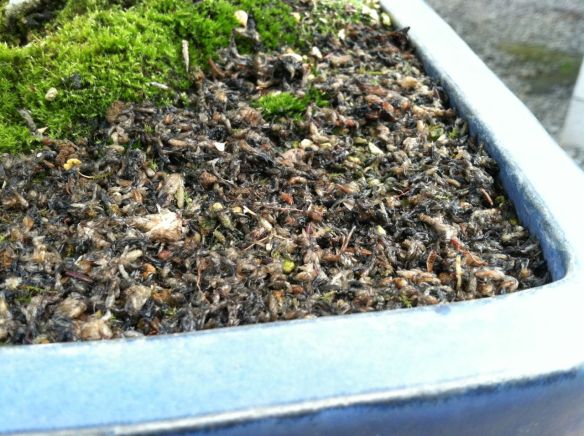 Shredded sphagnum moss on top of volcanic soil (akadama/pumice) at 1/8-1/4″ thickness, with shredded live moss added to inoculate. I often add ink to it so it’s not straw colored while the moss gets established. Be sure you use true sphagnum moss, not peat moss. Peat moss is rotted sphagnum, and tends to be water repellent when dry. The best sphagnum to use is sold often as ‘orchid’ moss, and is straw colored and is like a sponge when sprinkled with water.
 If applied in the early spring around repotting time, a carpet of live moss…
View original post 103 altre parole
Spettacolare


 Kitora no do