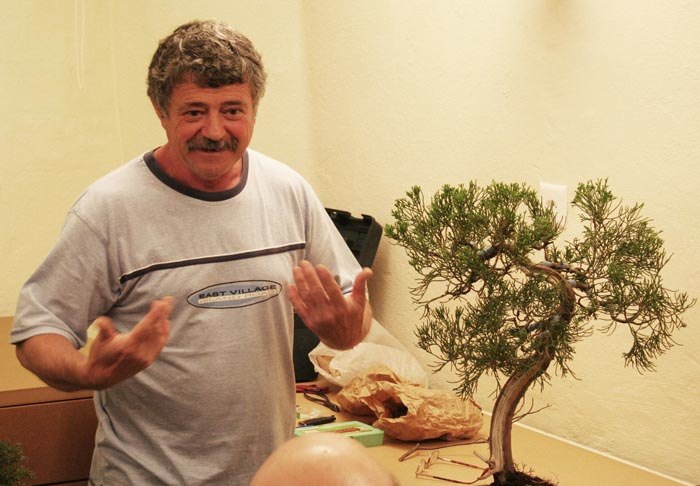
Korean bonsai master Seok Ju Kim
Rispondi
 fine agosto, di norma faccio la filatura fine dei miei abeti, le crescite nuove sono oramai mature
Le lavorazioni forti è meglio farle a primavera, fine inverno 😉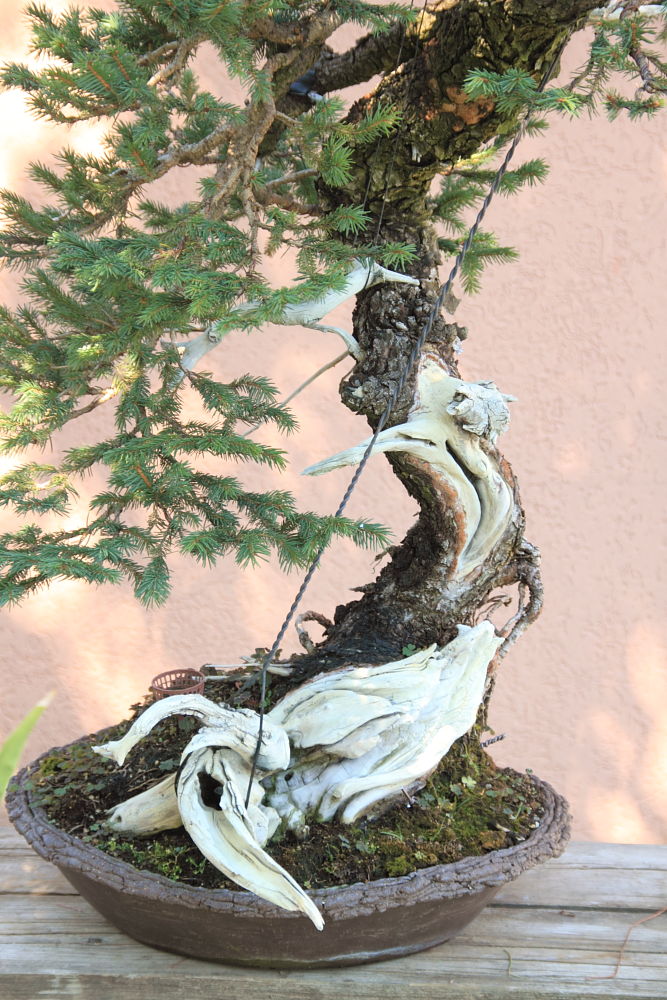

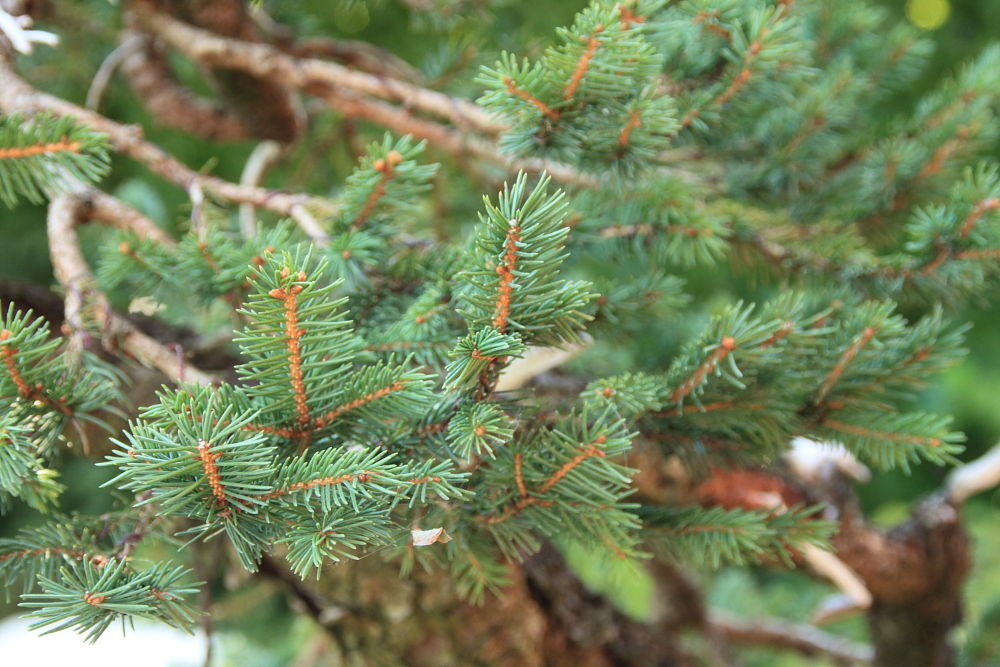 molte gemme per l’anno prossimo si sono formate sui nuovi rametti (le crescite di quest’anno)
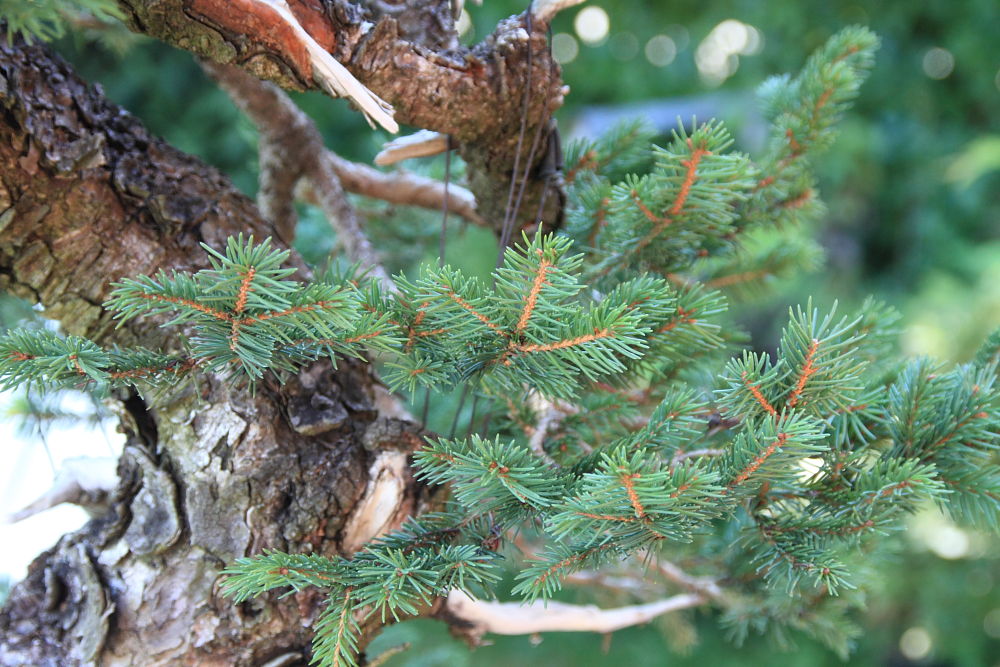

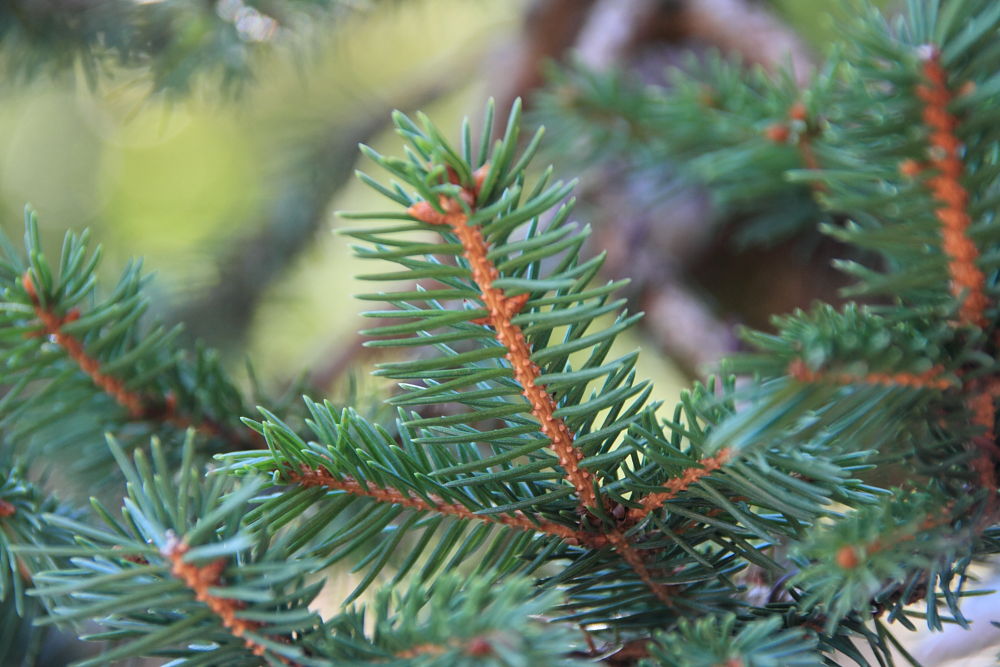 in alcuni casi, se necessario, si può potare indietro alla prima serie di gemme


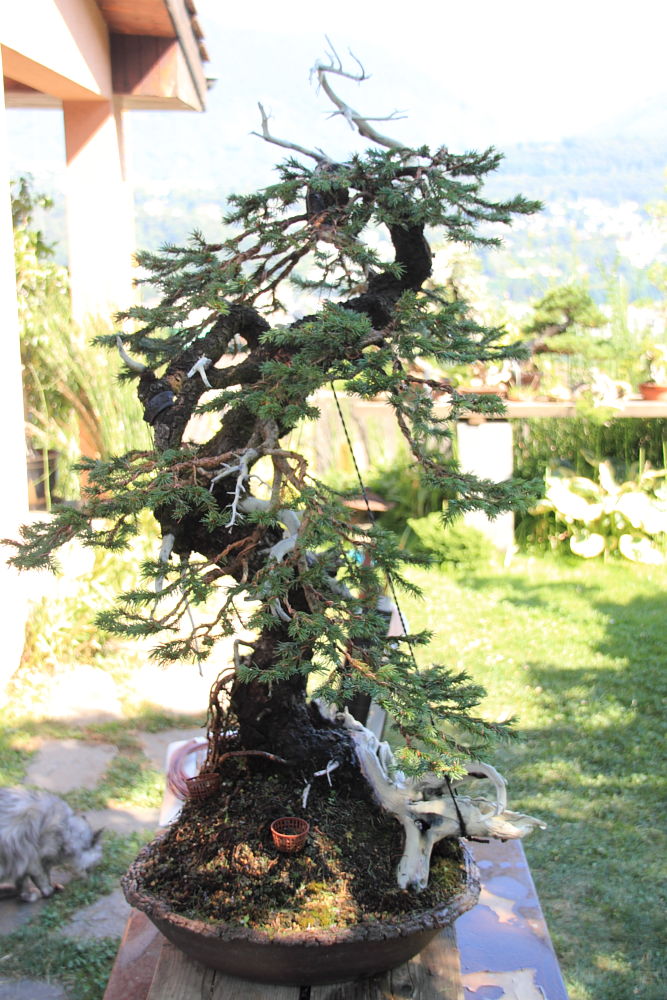
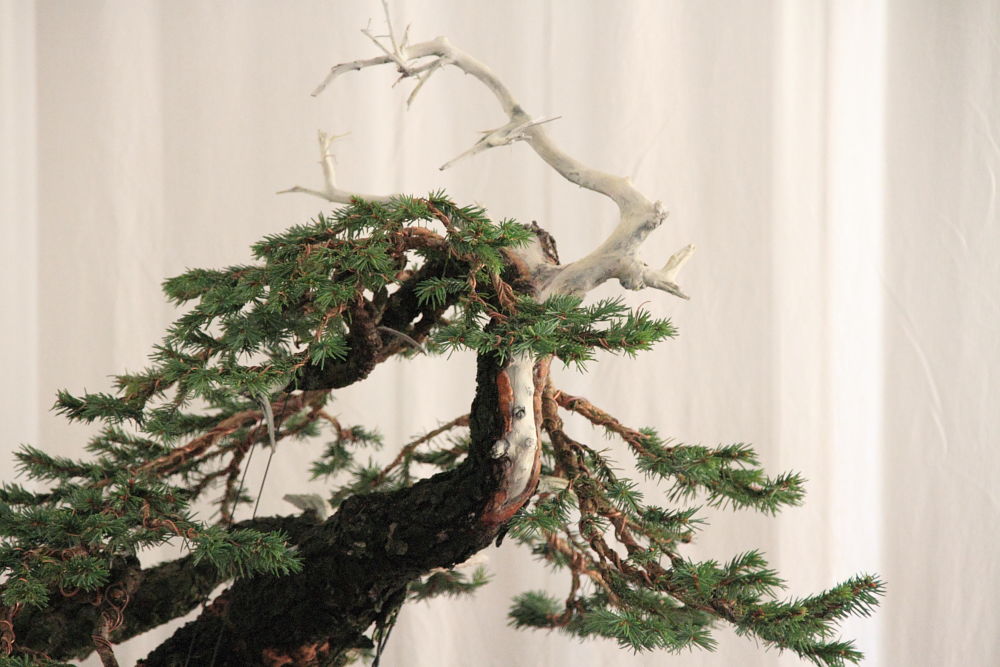
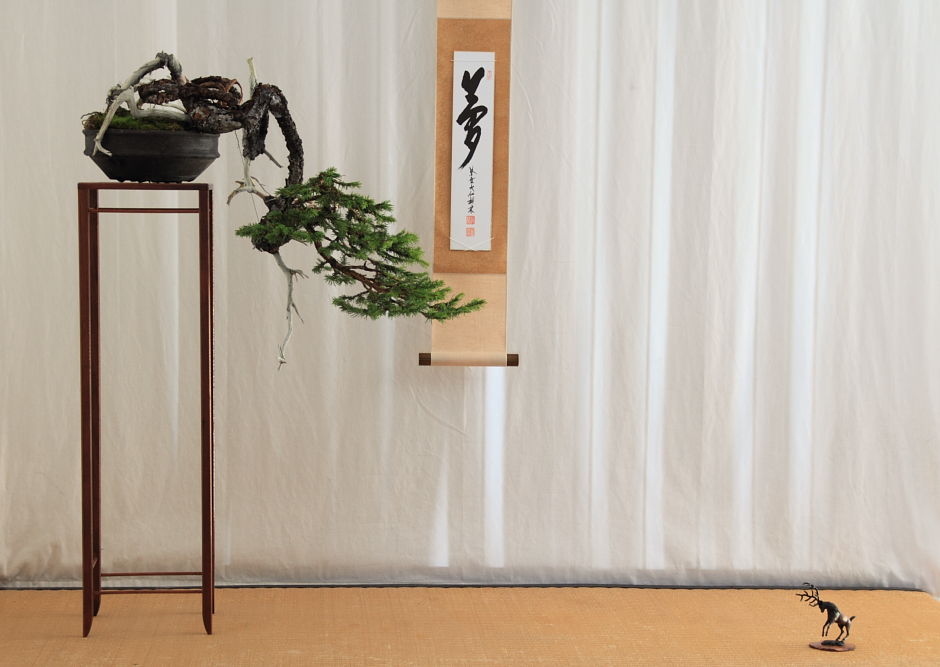
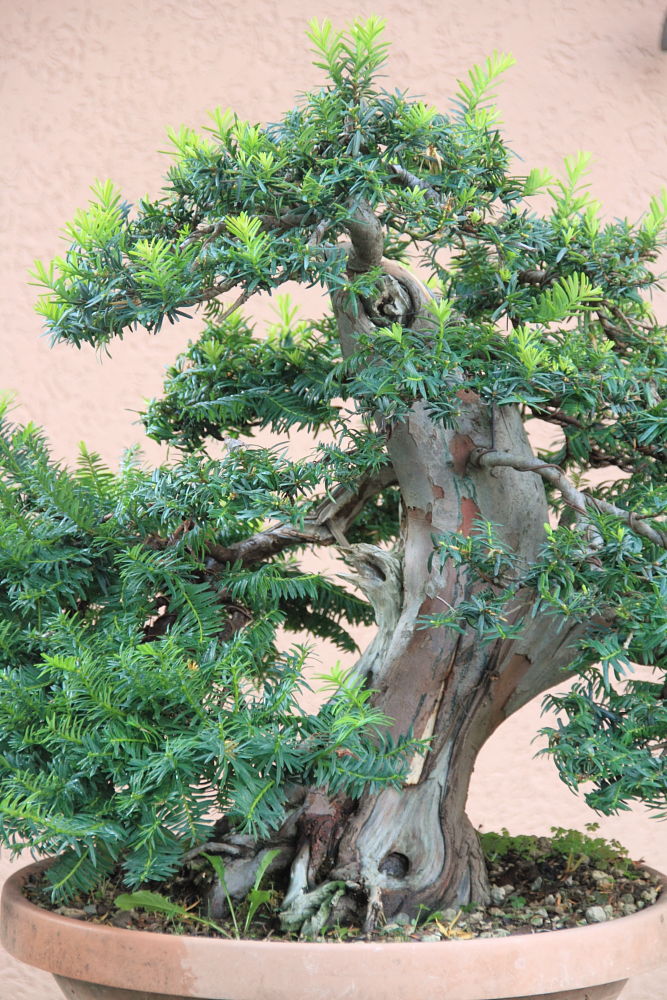
 Un primo tokokazari, nonostante la pianta non sia ancora pronta per un esposizione, osservare la pianta nel tokonoma aiuta molta
 moyogi o fukinagashi?
questo è il dilemma 😀
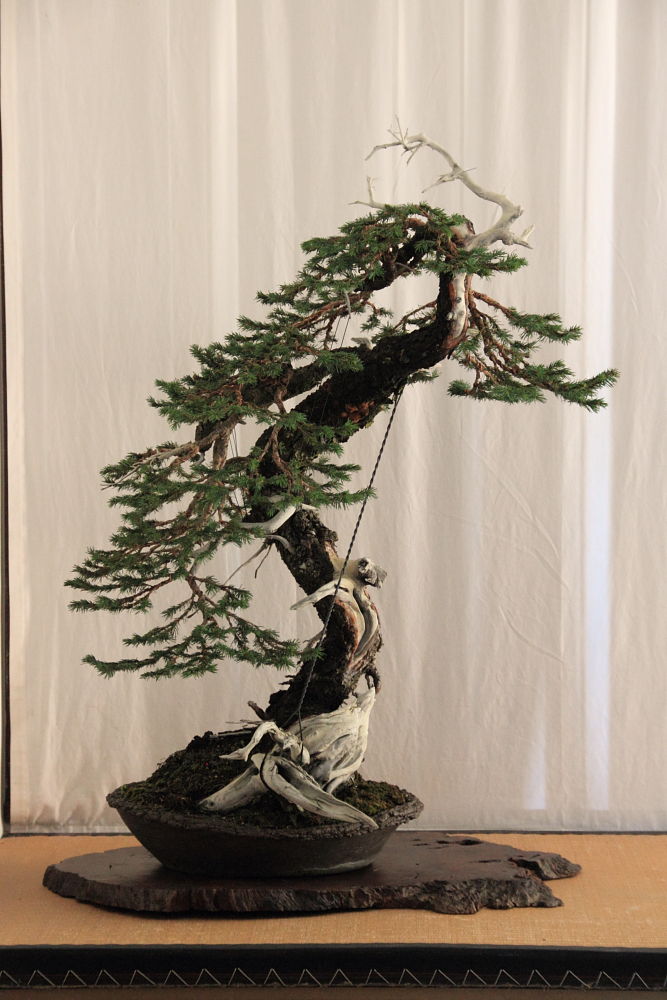 preferisco lasciare il grosso tirante fino almeno all’anno prossimo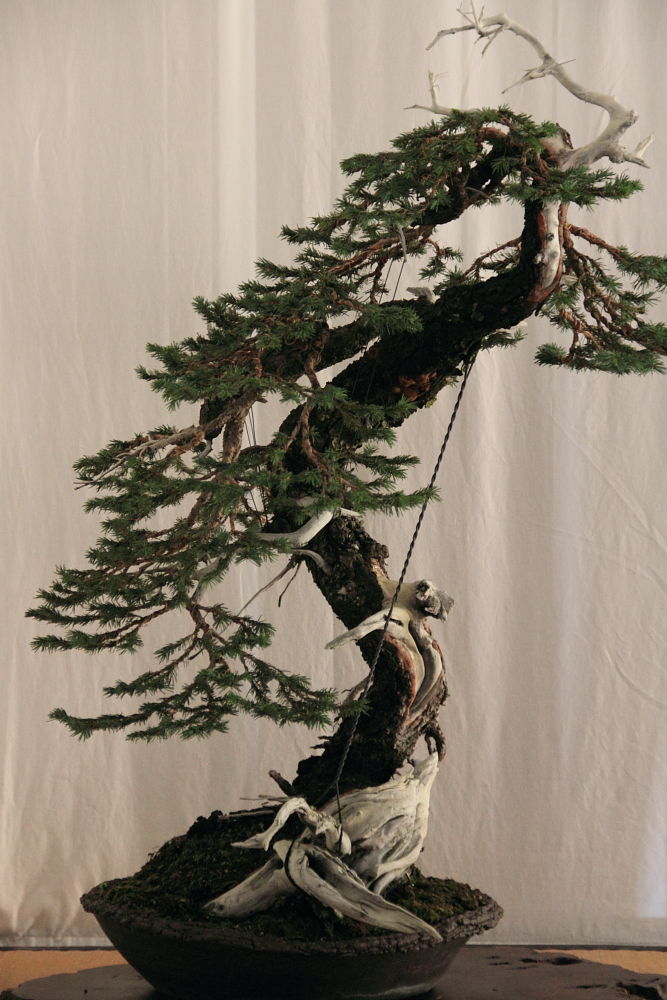

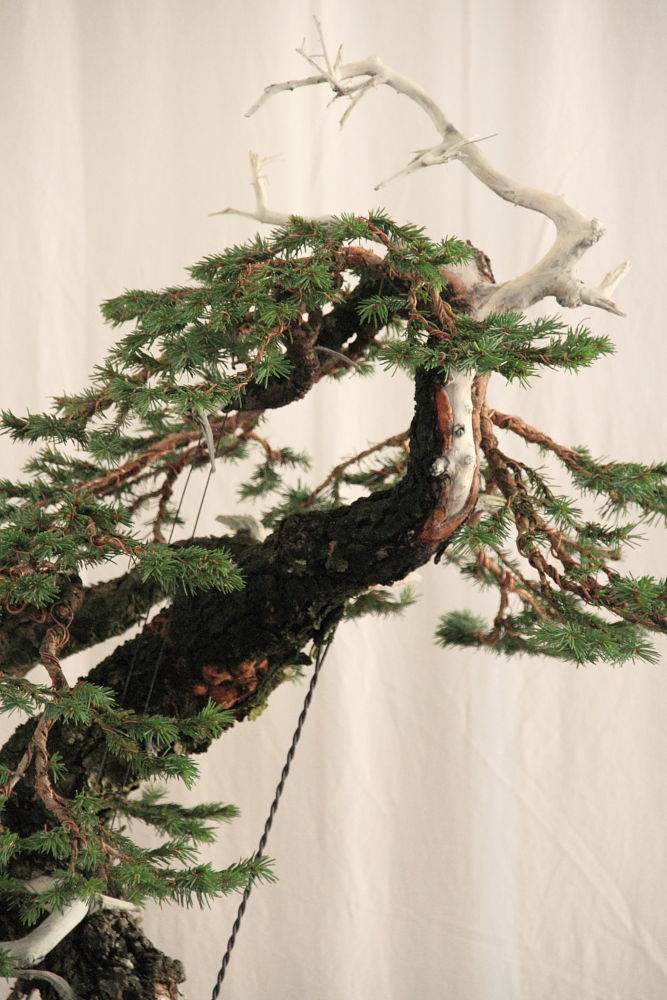
 Abete lavorato alla Giareda
segnalo questo interessante sito dedicato all’Haiku
Sito ufficiale della Scuola Haiku fondata da Luca Cenisi
La Scuola Yomichi 夜道 (letteralmente, “strada notturna”) è una scuola di haiku fondata da Luca Cenisi nel 2013.
Il motto dento no gendai (伝統の現代), ossia “la modernità della tradizione”, intende sottolineare la profonda attualità di questo genere poetico e le sue potenzialità espressive in relazione al periodo storico in cui viviamo. Parlare di haiku, infatti, non significa semplicemente “parlare di fiori e di uccelli” (come sosteneva Takahama Kyoshi nel suo kachofuei 花鳥諷詠), bensì dell’uomo che, insieme alla natura, forma (ieri come oggi) un’unica entità indivisibile.
Le parole dei grandi Maestri del passato, dunque, lungi dall’aver esaurito il loro significato, rappresentano le fondamenta concettuali su cui è possibile edificare nuove teorie e nuovi modi di fare poesia.
La Scuola Yomichi, ferma nel proprio intento di preservare i canoni “classici” dell’esperienza haiku (tra cui la presenza del kigo/kidai e del kireji e la scansione metrica in 5-7-5 sillabe), intende dunque proporre un modello lirico che, unendo tradizione (dento) e innovazione (gendai), sappia accogliere i cambiamenti storico-sociali di quest’epoca, senza tuttavia sconfessare lo spirito che ne ha determinato la nascita e il successo a livello mondiale.
Grazie alla stretta collaborazione con l’Associazione Italiana Haiku (AIH), la Scuola è in grado di accogliere chiunque intenda approfondire lo studio di questo genere poetico, grazie ad un percorso di affinamento che rimanda, tanto nel metodo quanto nei contenuti, alle antiche scuole letterarie giapponesi.
http://www.yomichi.com/wp-content/uploads/Guadando-il-fiume.pdf
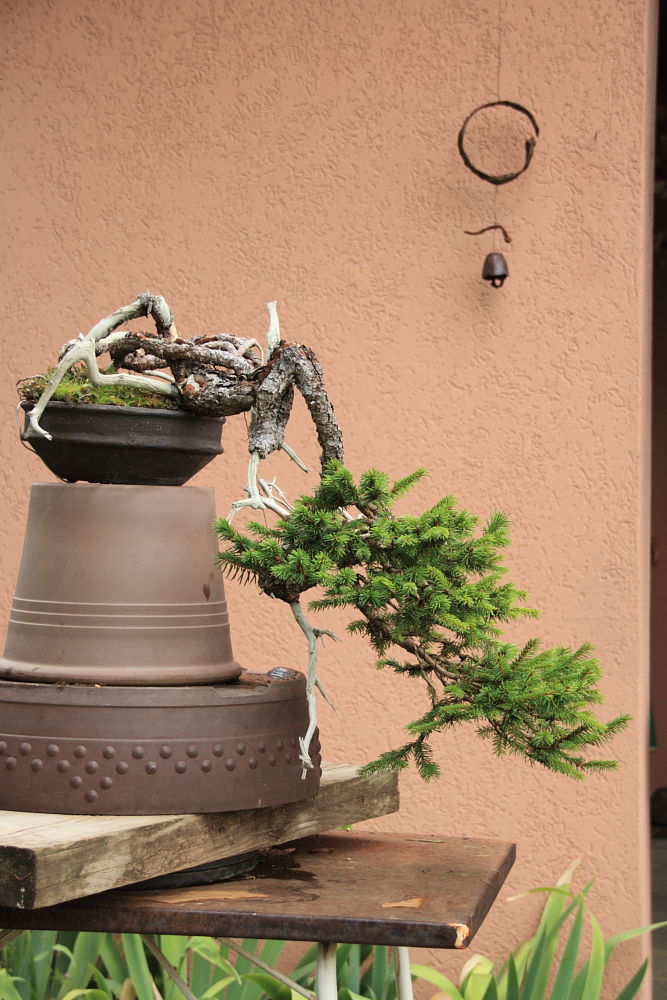 intendo esporre questo abete ad una mostra a settembre, perciò mi accingo alla sua preparazione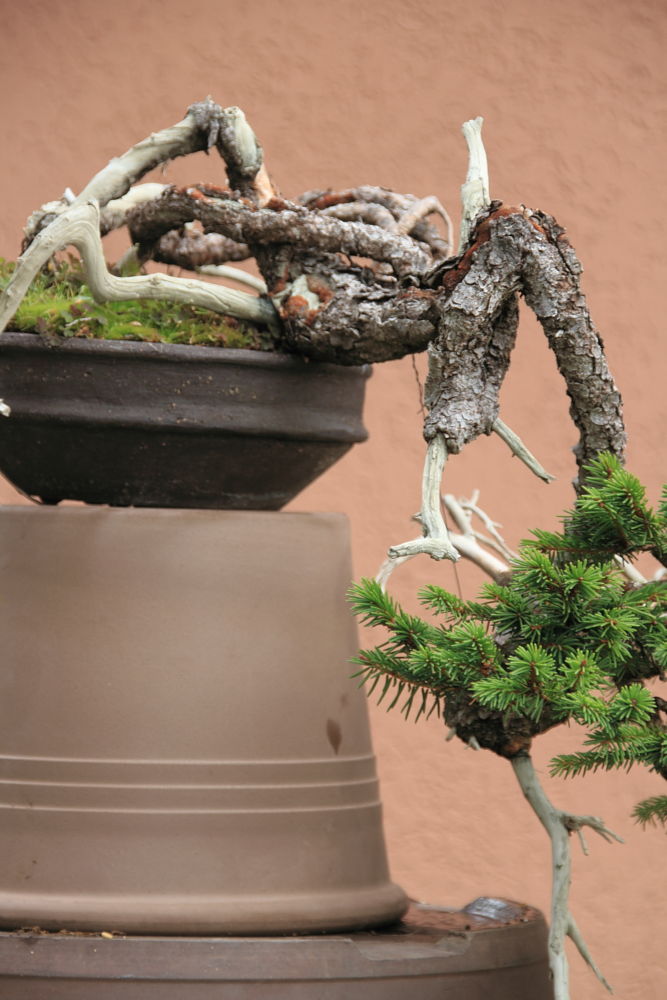
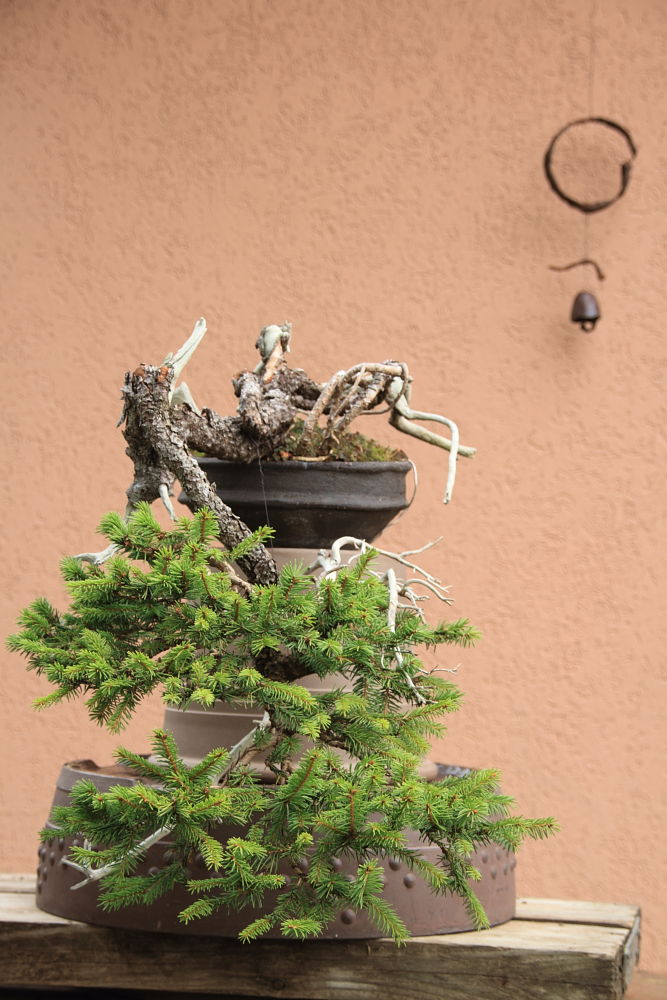

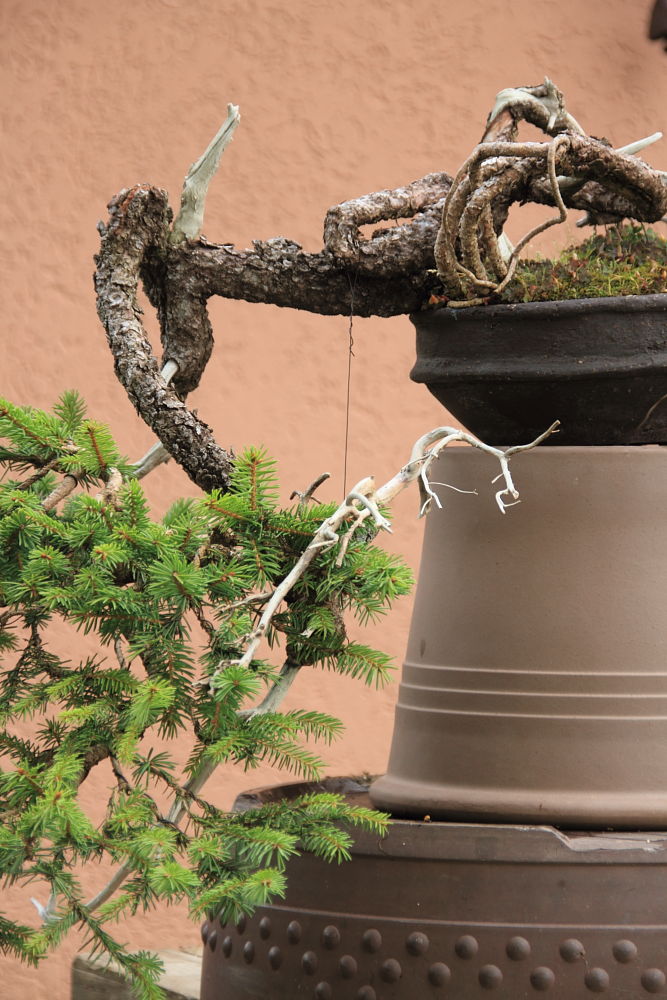


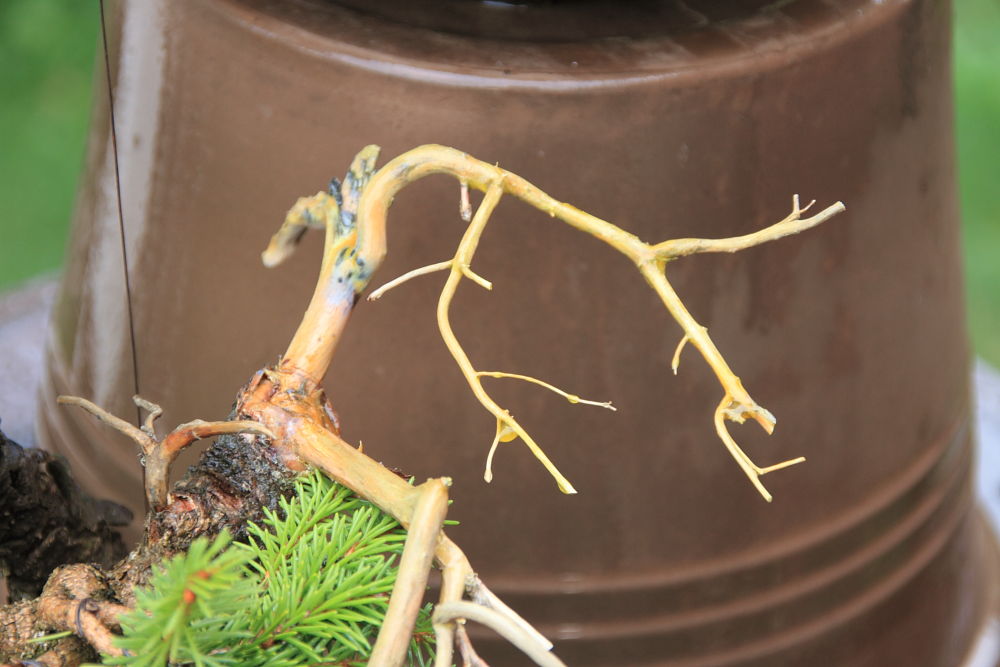
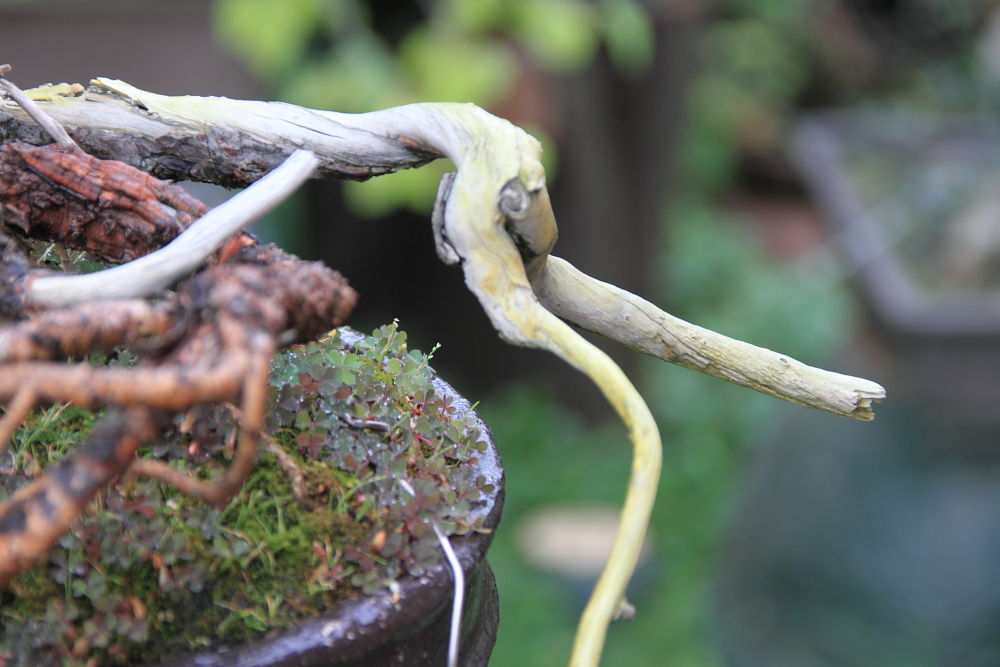
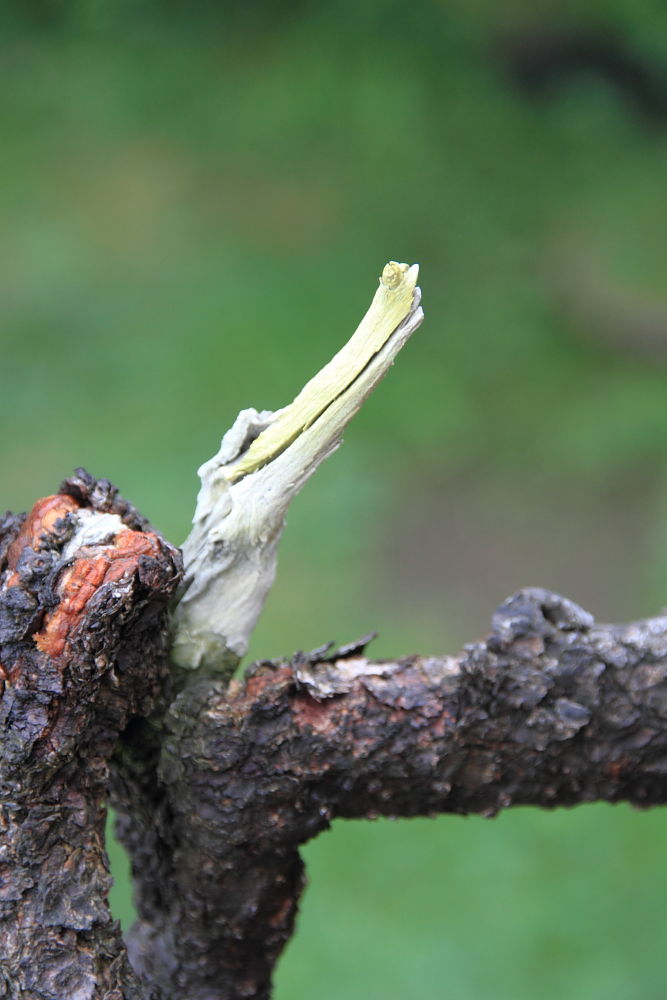
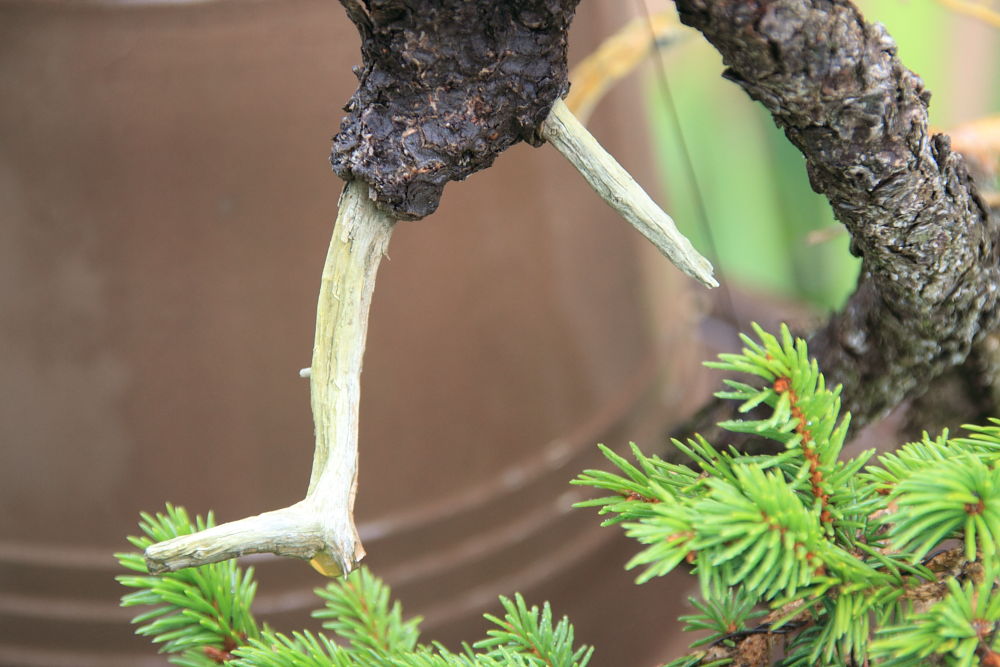

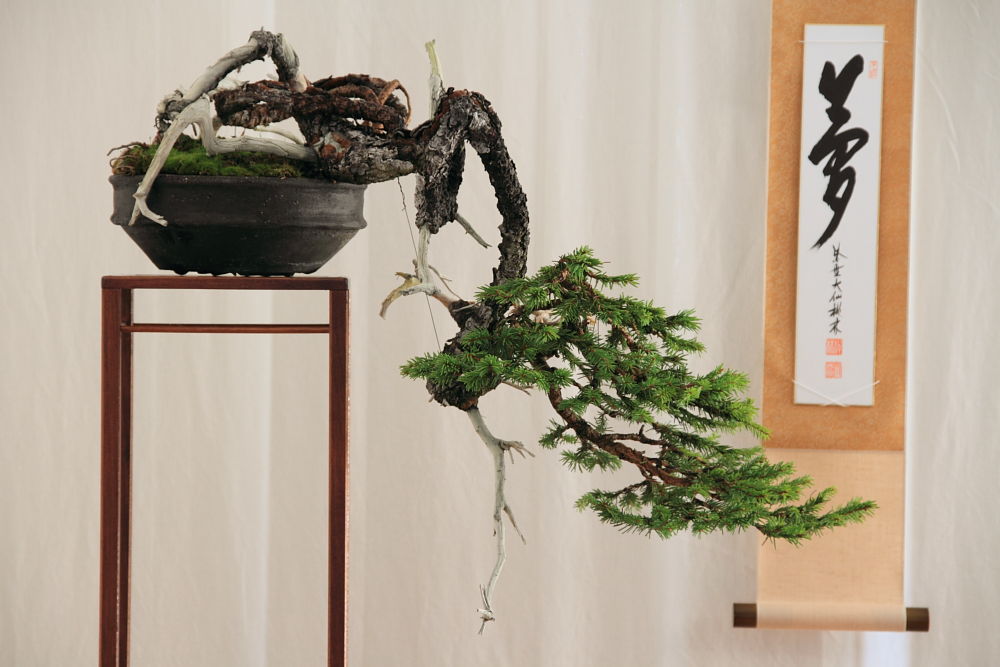

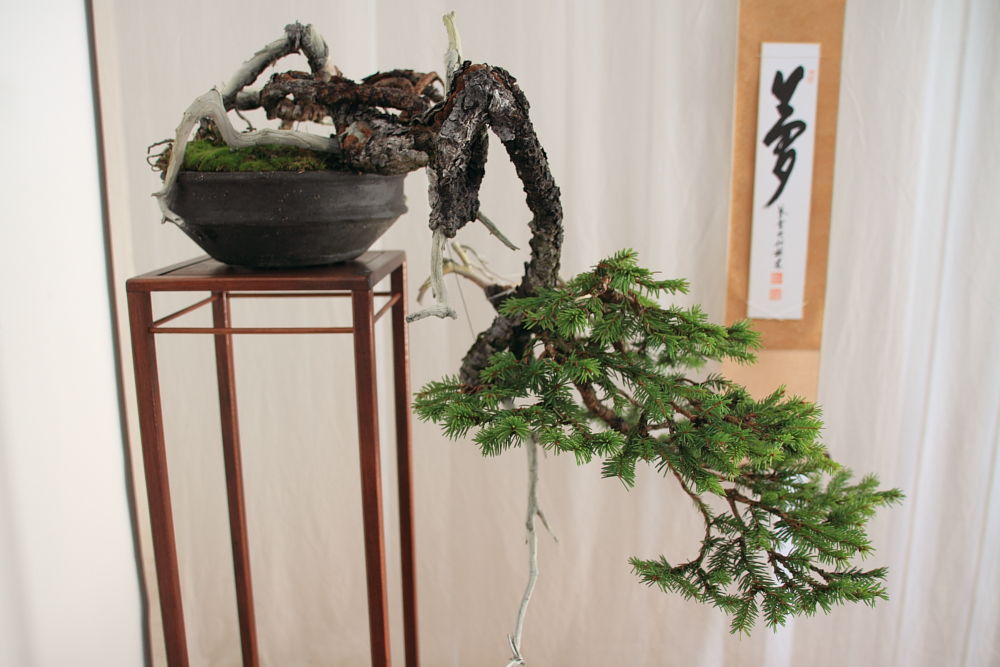





da così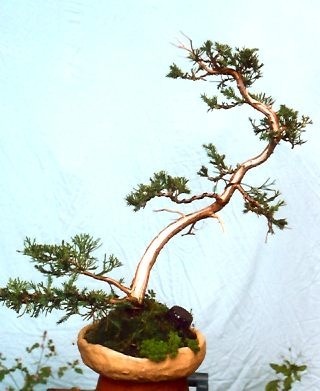
a così
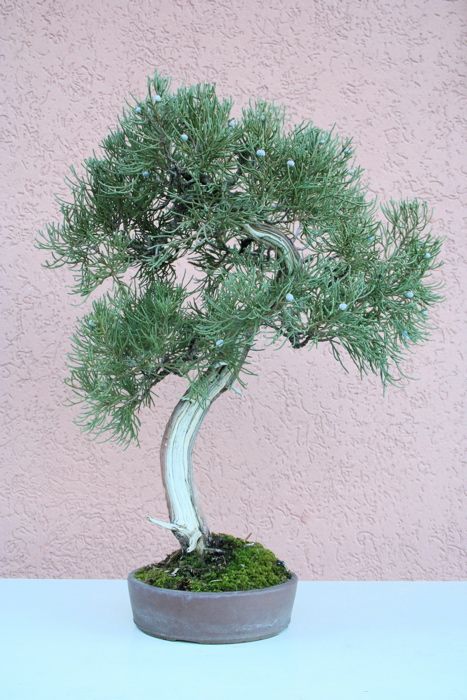
poi Giovanni Bonsignori gli ha fatto un cambio d’abito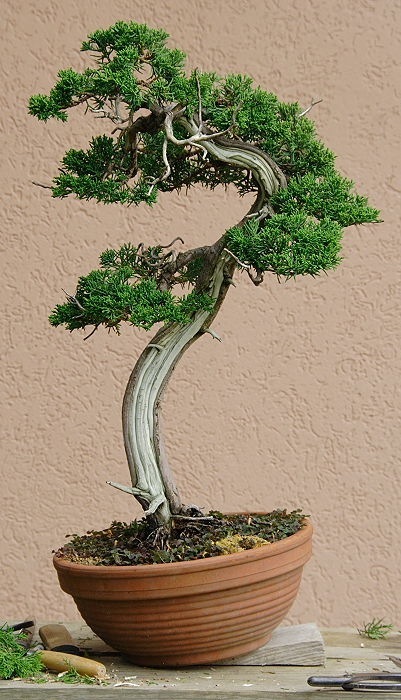 ora è così

As I was preparing for my apprenticeship in Japan, there was some big decisions to be made. I had about 15 or so Bonsai trees and nowhere to keep them during my absence. I had to make the tough decision to sell most of them and ended up keeping only 4 trees. Boon Manakitivipart was kind enough to keep those four trees for me while I was away. As I worked at Aichien, I’ve often though about the trees I’ve kept, reminiscing how great it’s going to be when I can get back and work on them again. Months past and soon years and the memories of the trees faded deeper in the back of my mind.
Having come back home only two months ago (so much has happened since!), I see the trees right in front of me and it’s time to continue where I left off. In this…
View original post 2.252 altre parole
Taishoen
The next Leg of the trip saw us visiting Urushibata San and Taishoen. There are a mad amount of awesome shohin, Chuhin, and Omono bonsai at Taishoen, and it’s definitely a nursery not to be missed!


A few large Shinpaku bonsai…


Massive pines!

Tosho


Kaede

Killer cascade Shinpaku in development.


Ume!!!

Shohin Tosho with some really impressive Ibo-jin.

Broom style Keyaki.

Twisty shohin Shinpaku.
Daijuen
Next up, we met up with Mr. Ken Fujiwara, who prepared Matt’s Kaede thr appeared in Kokufu earlier this year. Mr. Fujiwara apprenticed at Daijuen, and was kind enough to take us on a tour of Daijuen, Shinpukuji Temple, and Aichien.
Daijuen had a large number of world class large pines, in addition to some impressive Tosho and maples.


A few large Pines….

Seas of pines.

Still more seas of pines…

Oceans of pines!

Pines!!

Broom style Keyaki.

Killer base on a multi trunk…
View original post 25 altre parole
Kaede Bonsai En
Before our flight out to Japan, I took advantage of the(extraordinarily rare for a Chef like me) time I forced off to spend a day at Kaede Bonsai-En, with the organizer of this little adventure, Matt Ouwinga. I’ve known Matt for a couple of years, but this was the first time we’ve met in person and the first time I’ve seen his wonderful garden. In addition to a whole load of Japanese and Trident Maples(Kaede Bonsai-En, duh), Matt has a very impressive collection of shohin and chuhin bonsai of various species: Shimpaku, Japanese Black and White Pine, Obai(winter jasmine), Chojubai, Stinky Maple, Ginko….et al. Et al.

Chojubai in a Gekkou pot, a great match. This one was plopped into this pot for this years’ rounds of National Shows…alas. Hopefully Matt will display something nice at the Chicago show instead. The smart money’s on him if he does…
View original post 972 altre parole
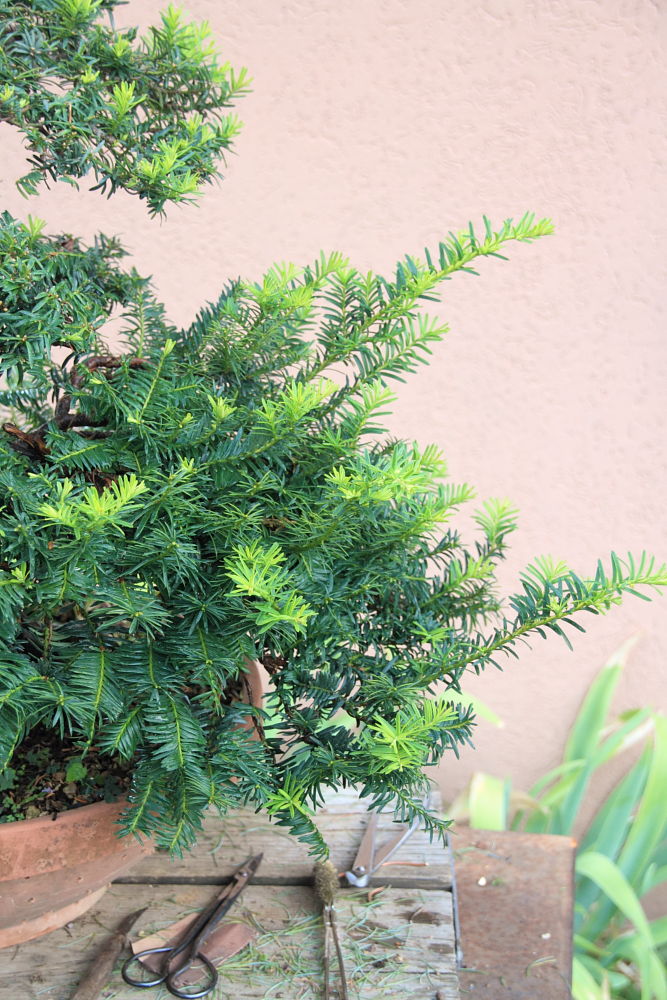
 crescita dove non è stato potato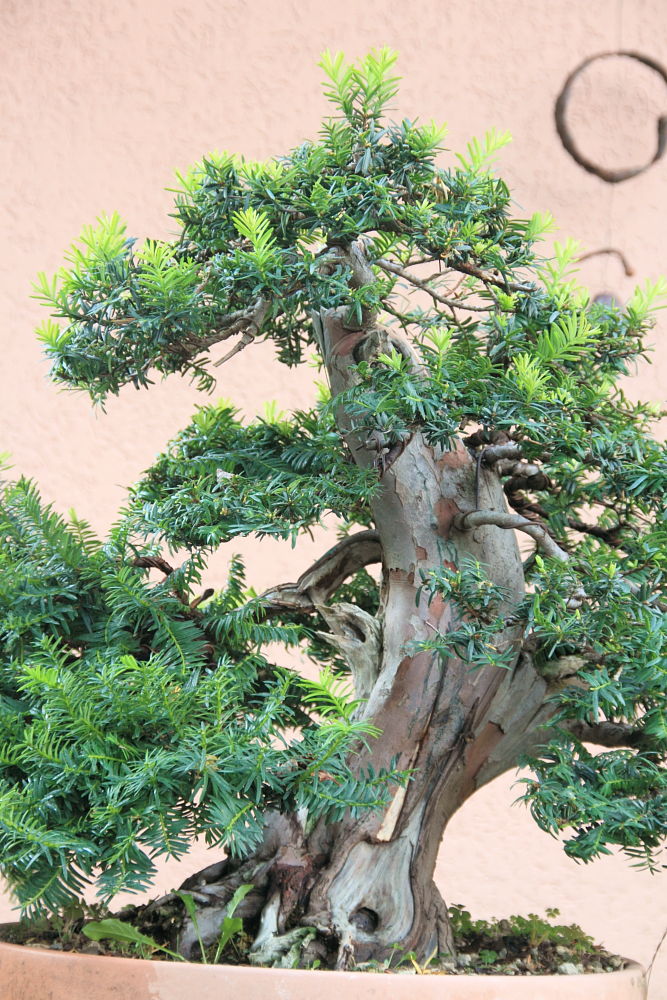
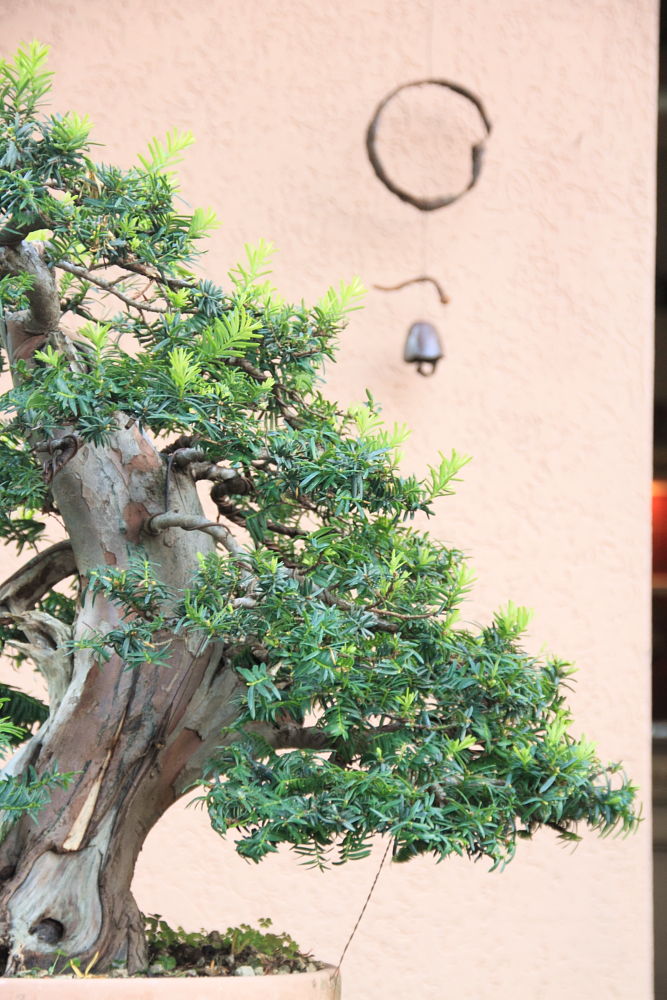 questo lato è stato potato
 crescita libera del primo ramo che deve ingrossare di diametro


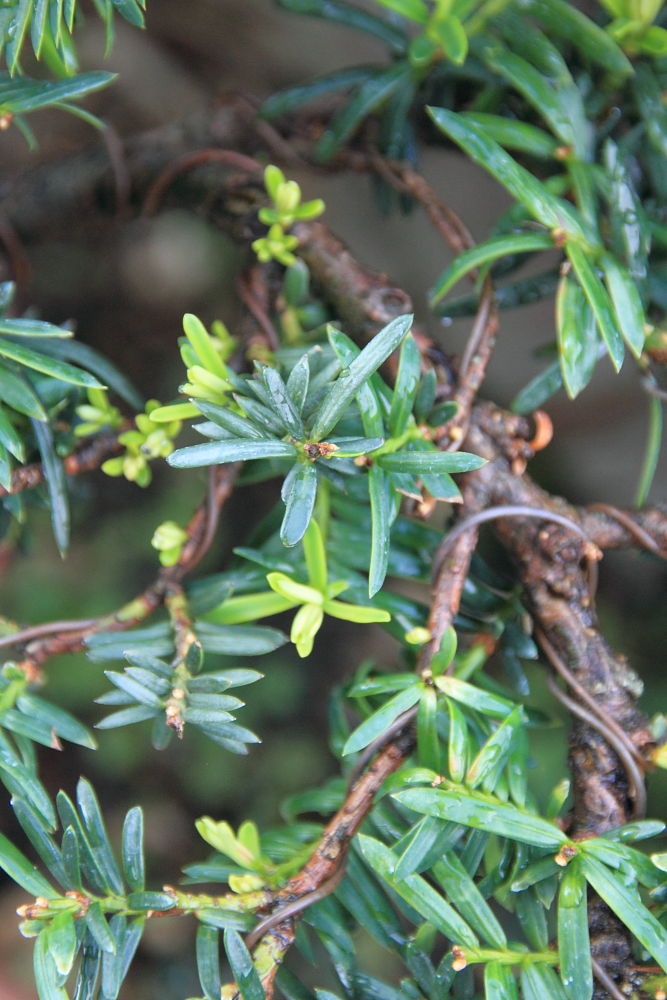 nuove gemme sul legno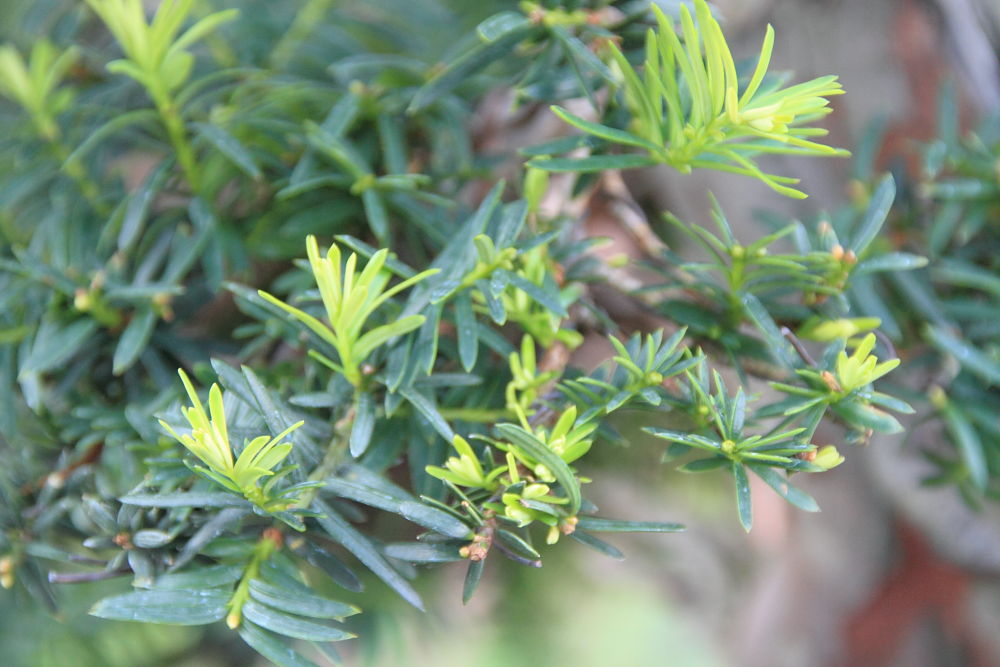



 Kitora no do