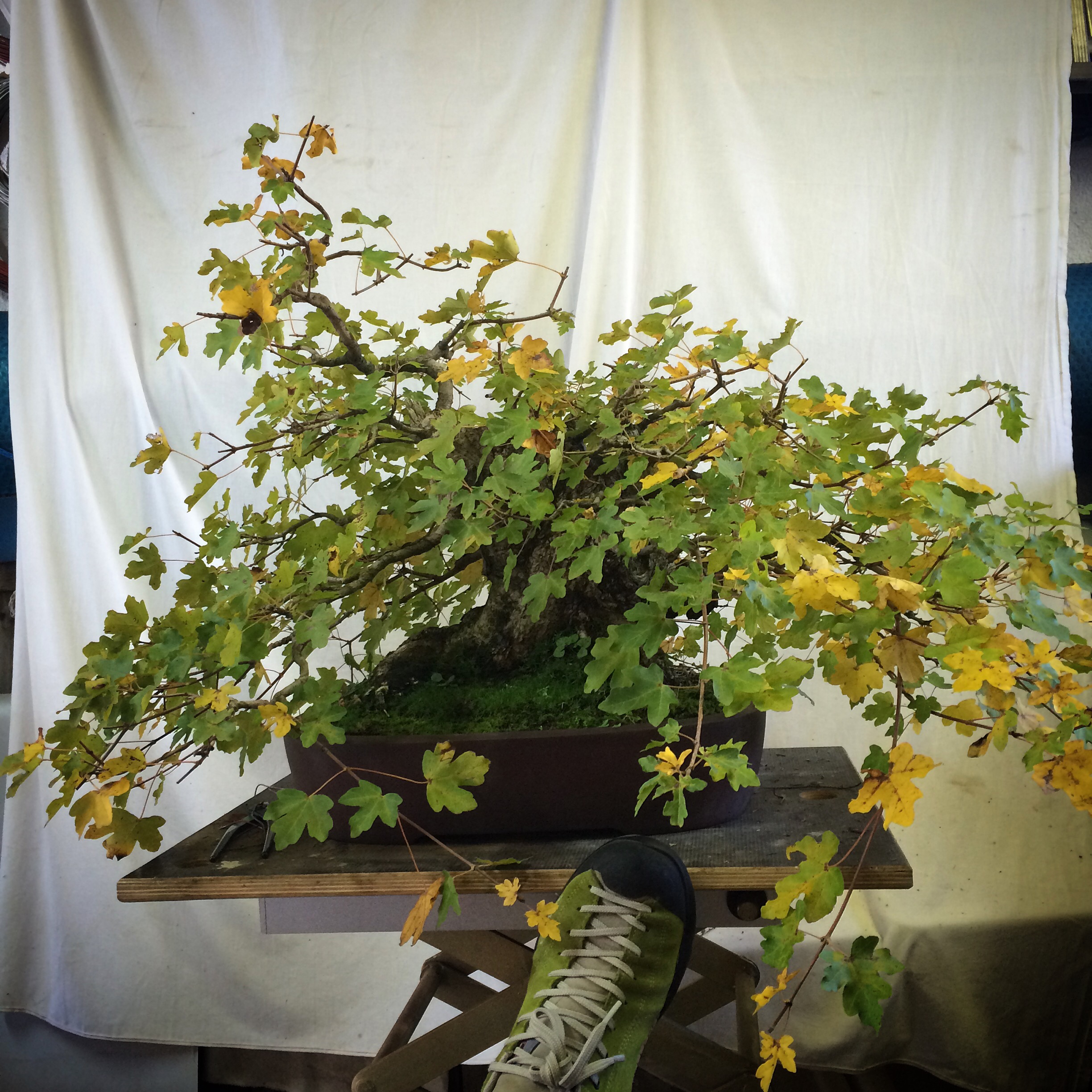
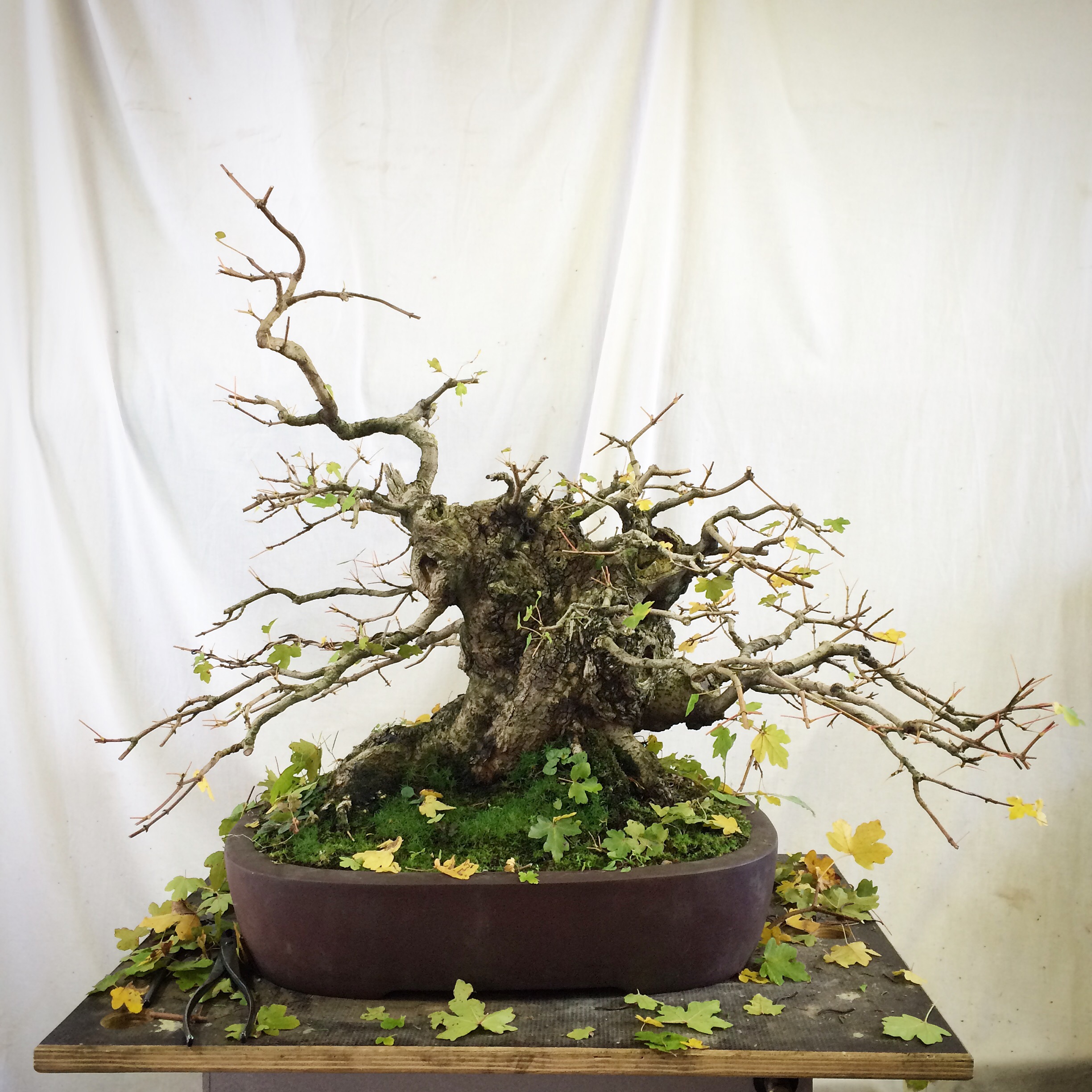
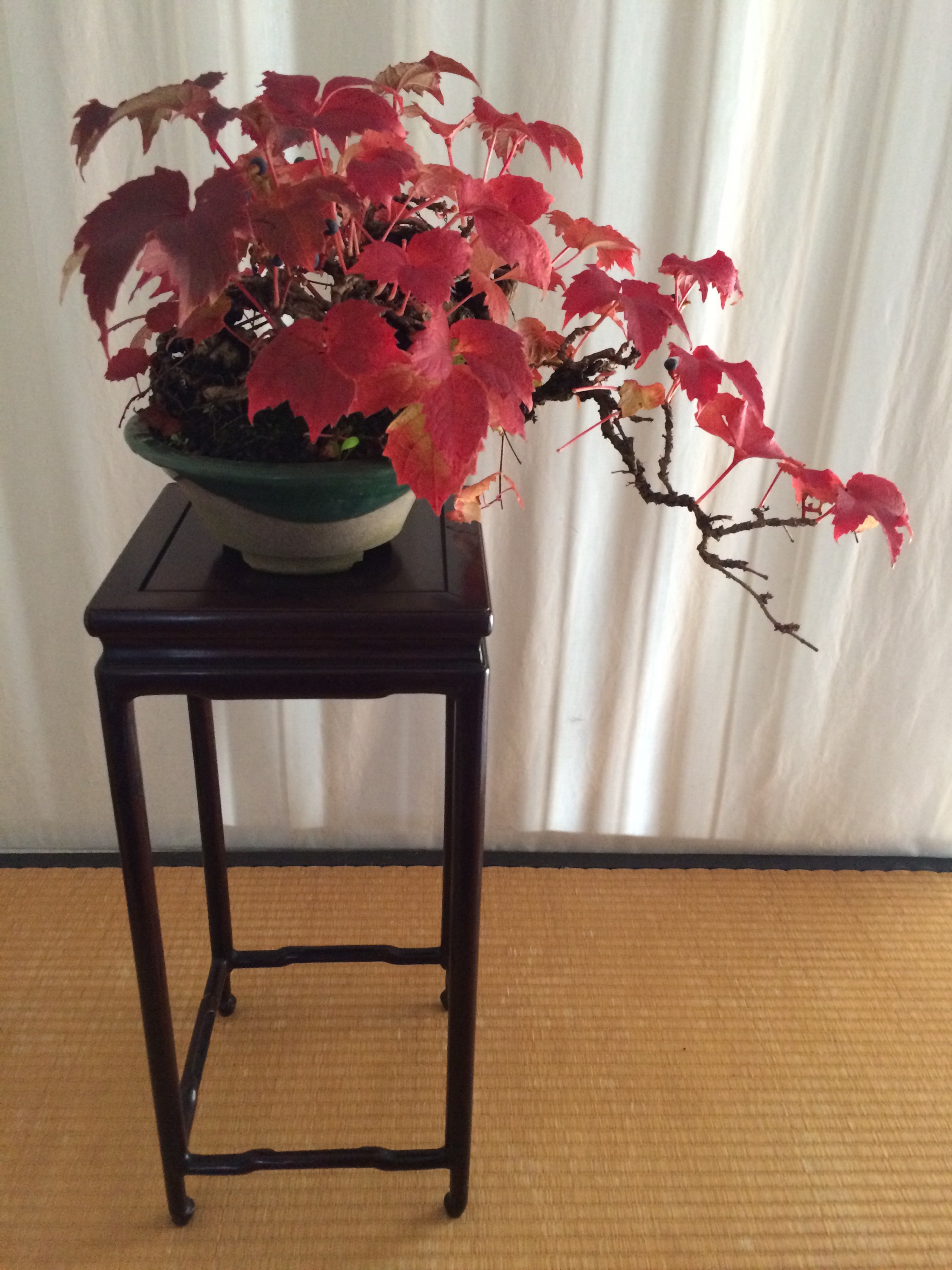
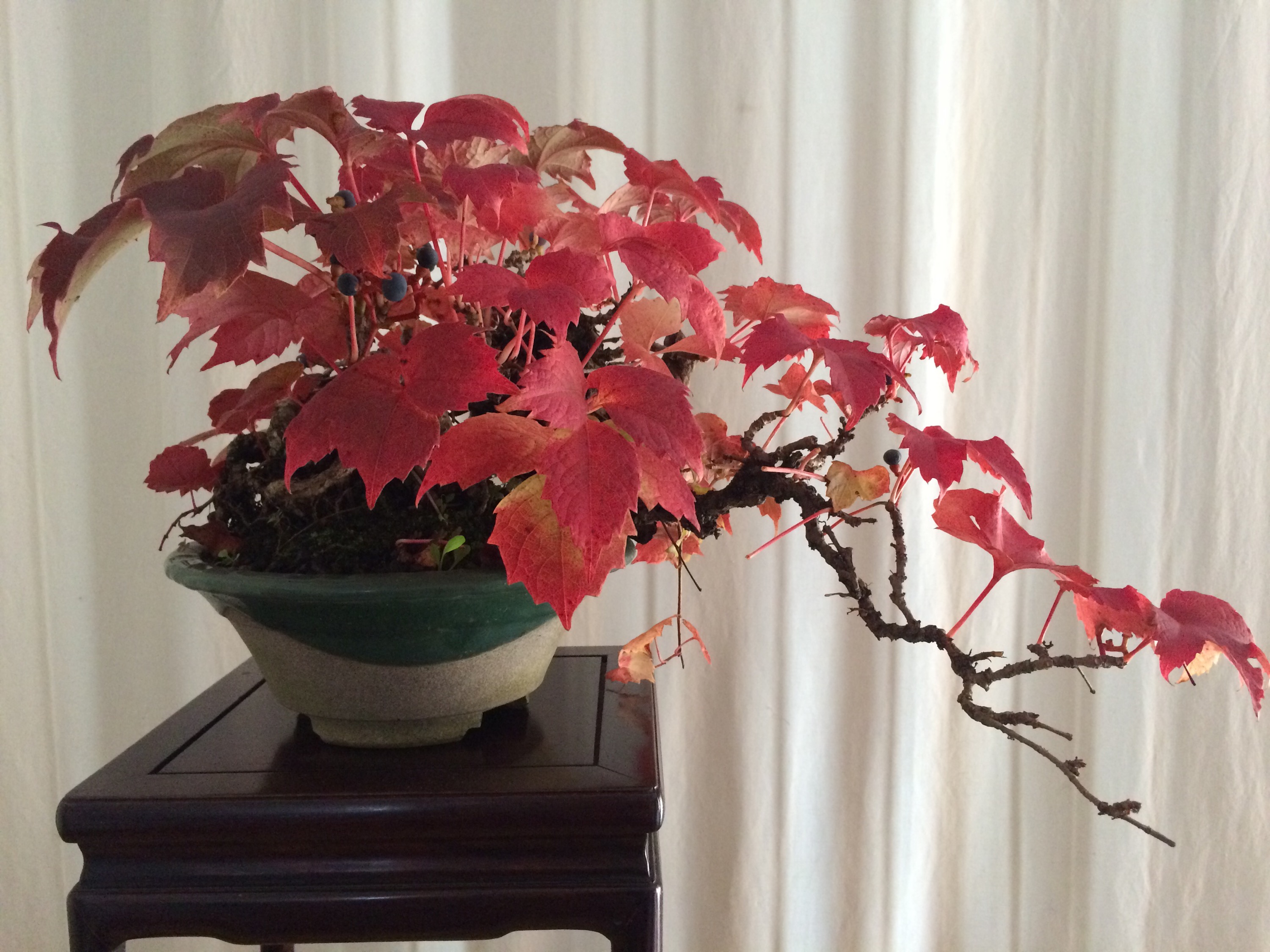
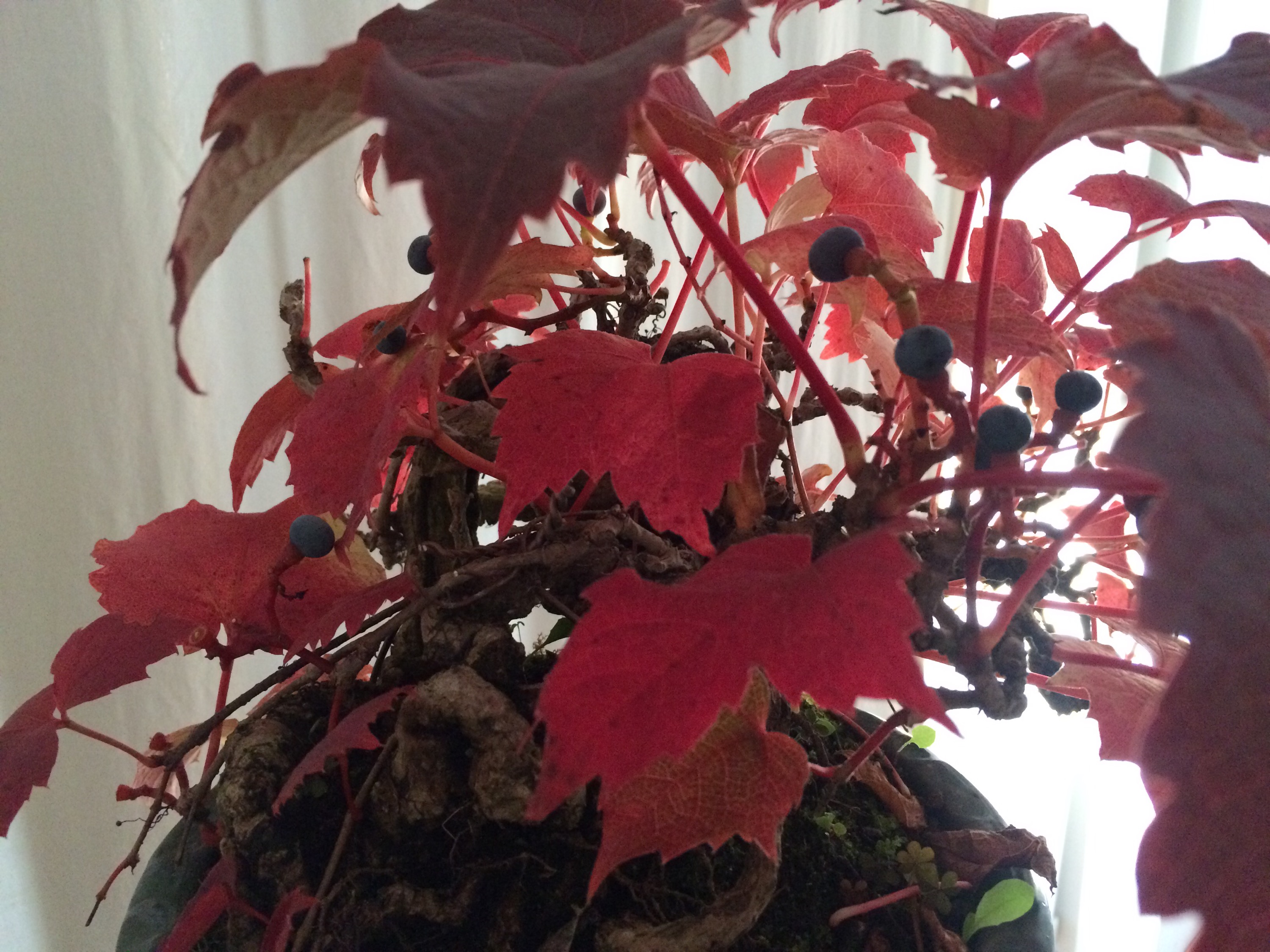
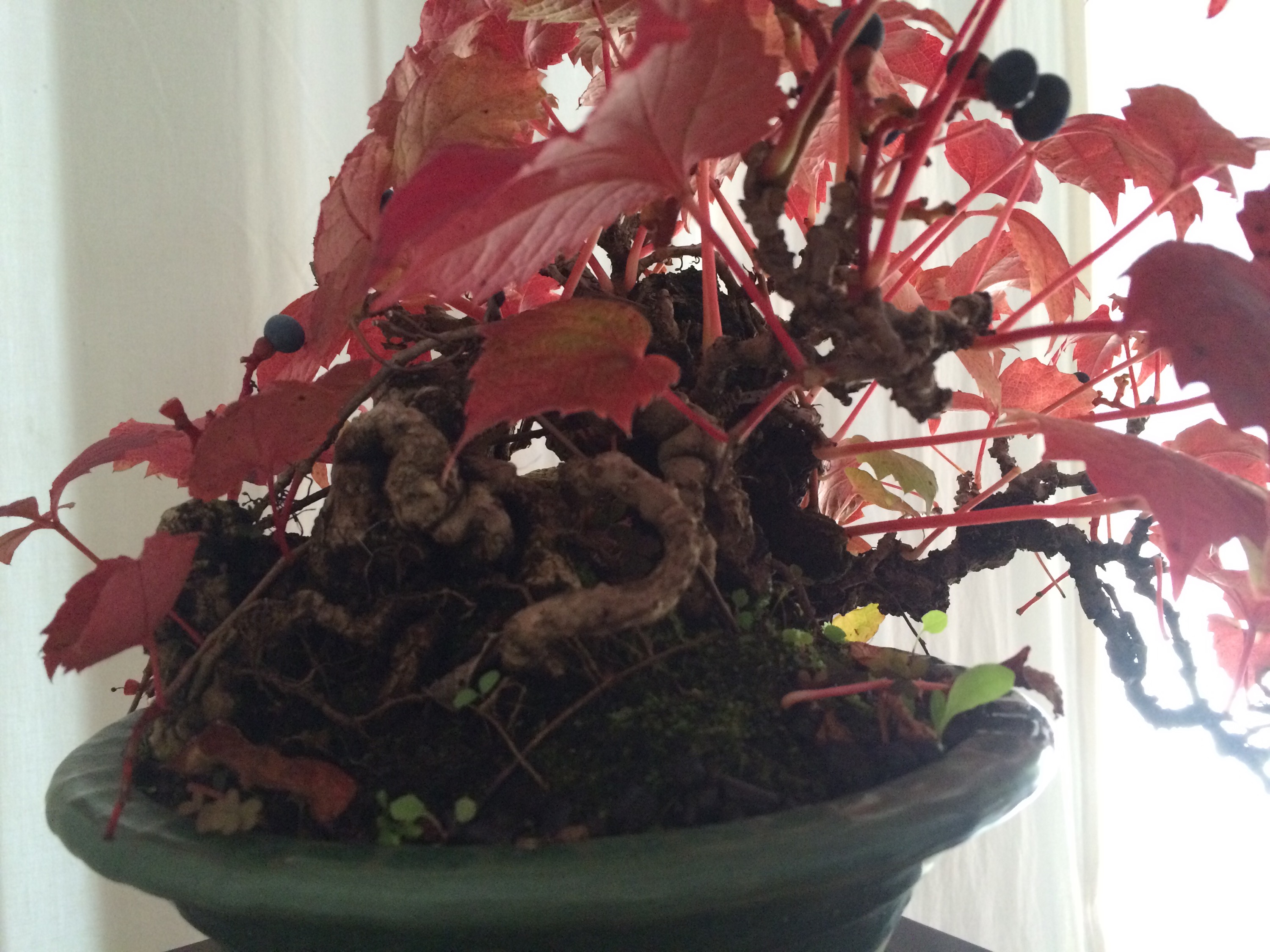
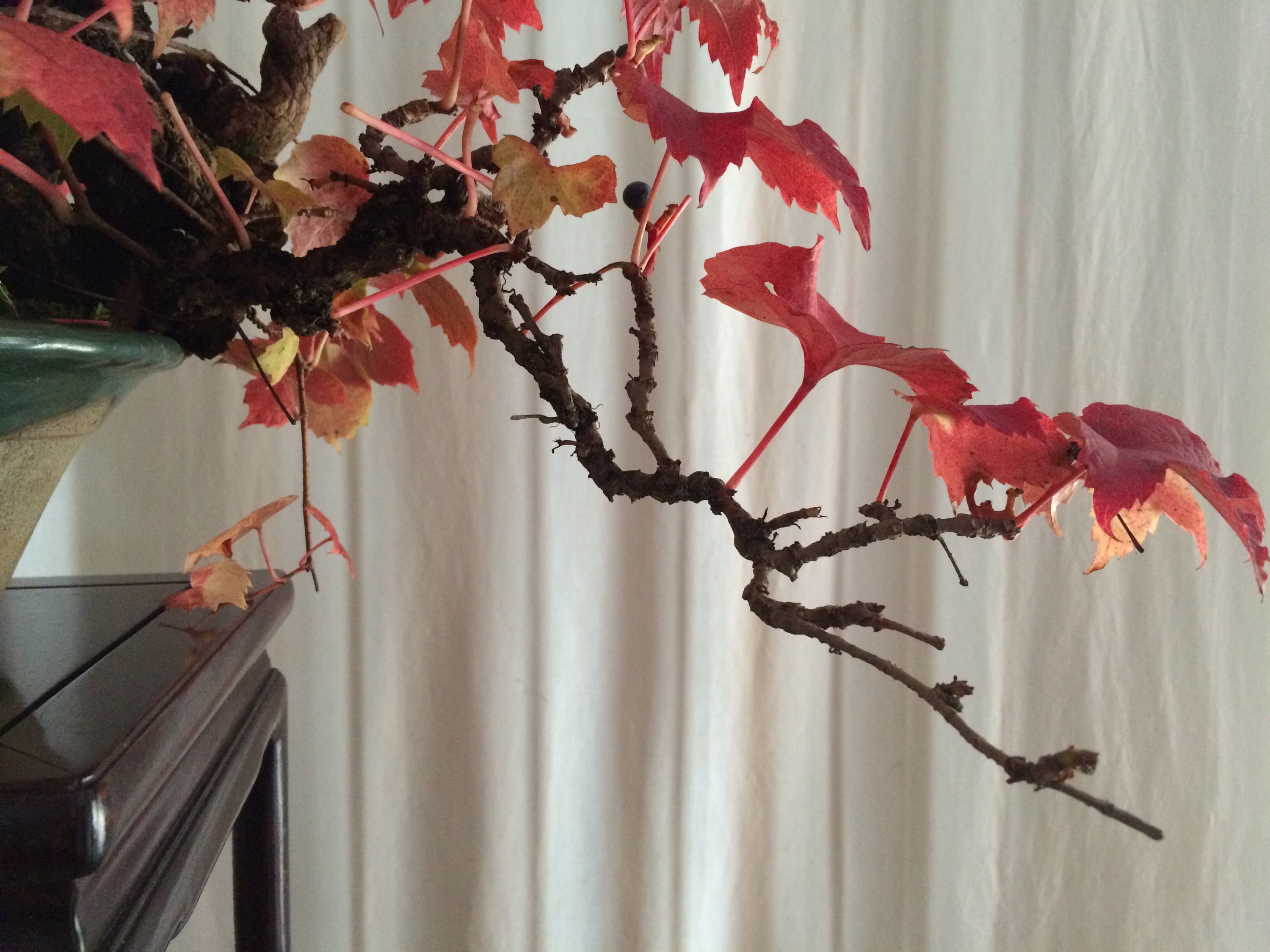
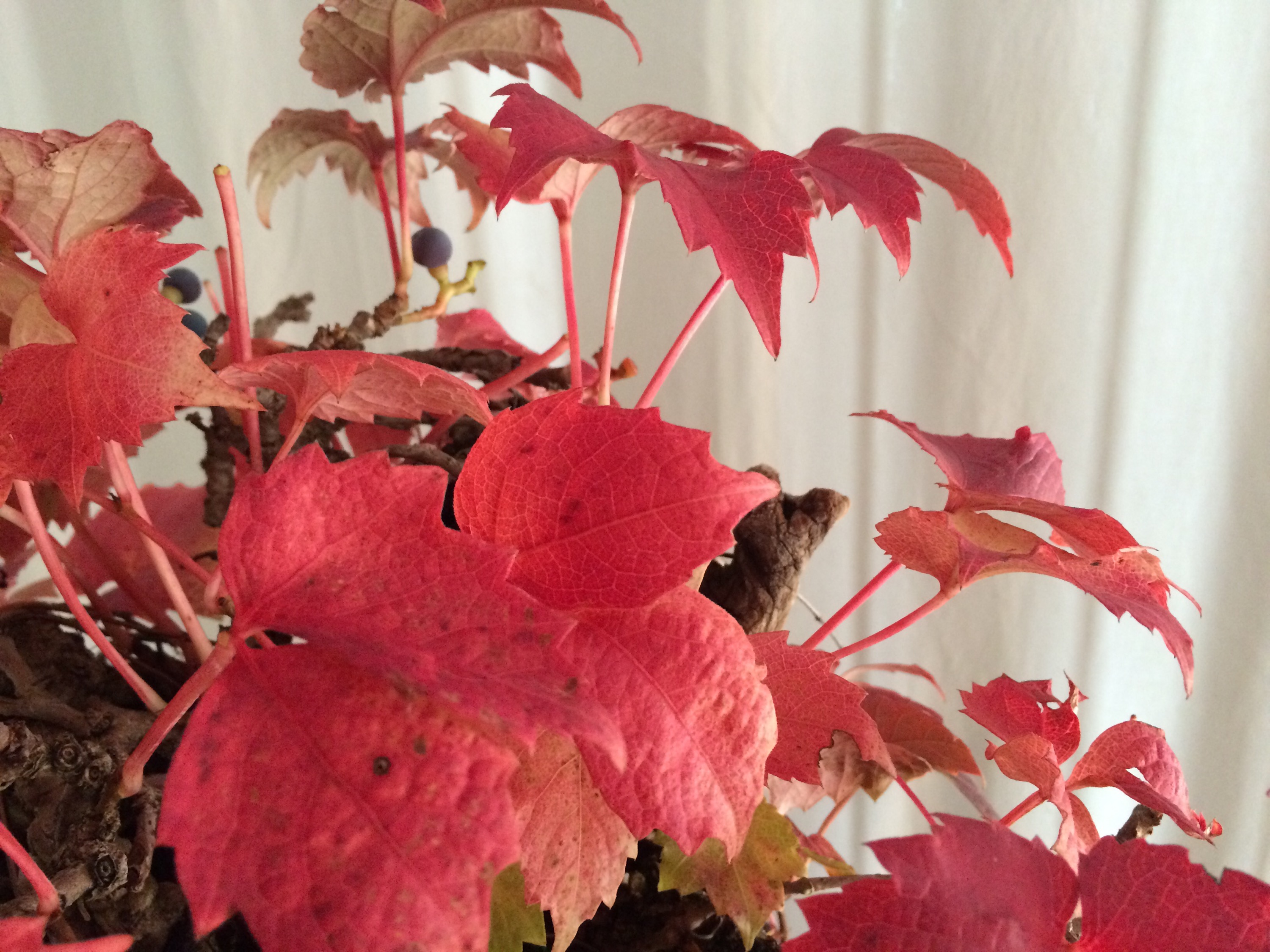
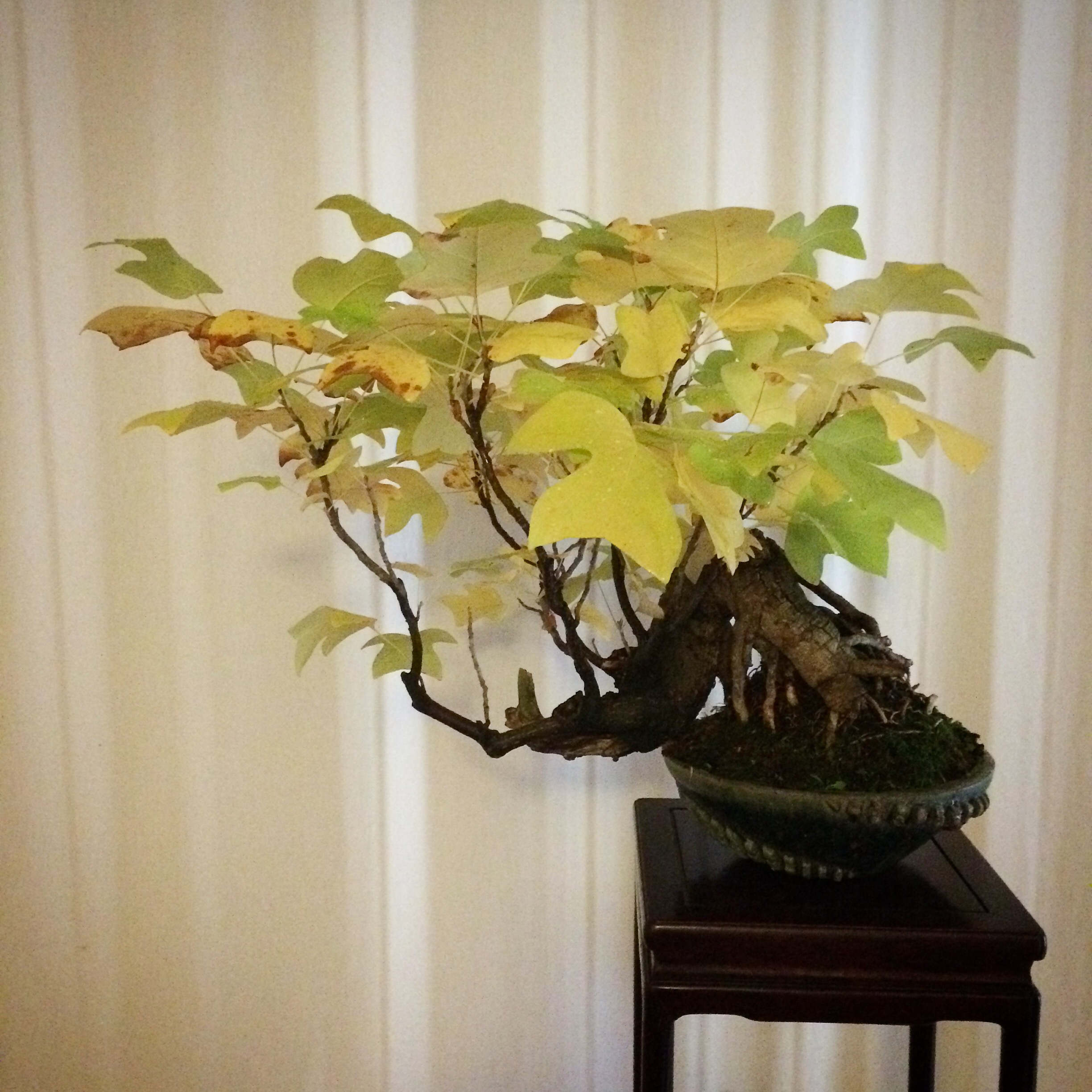
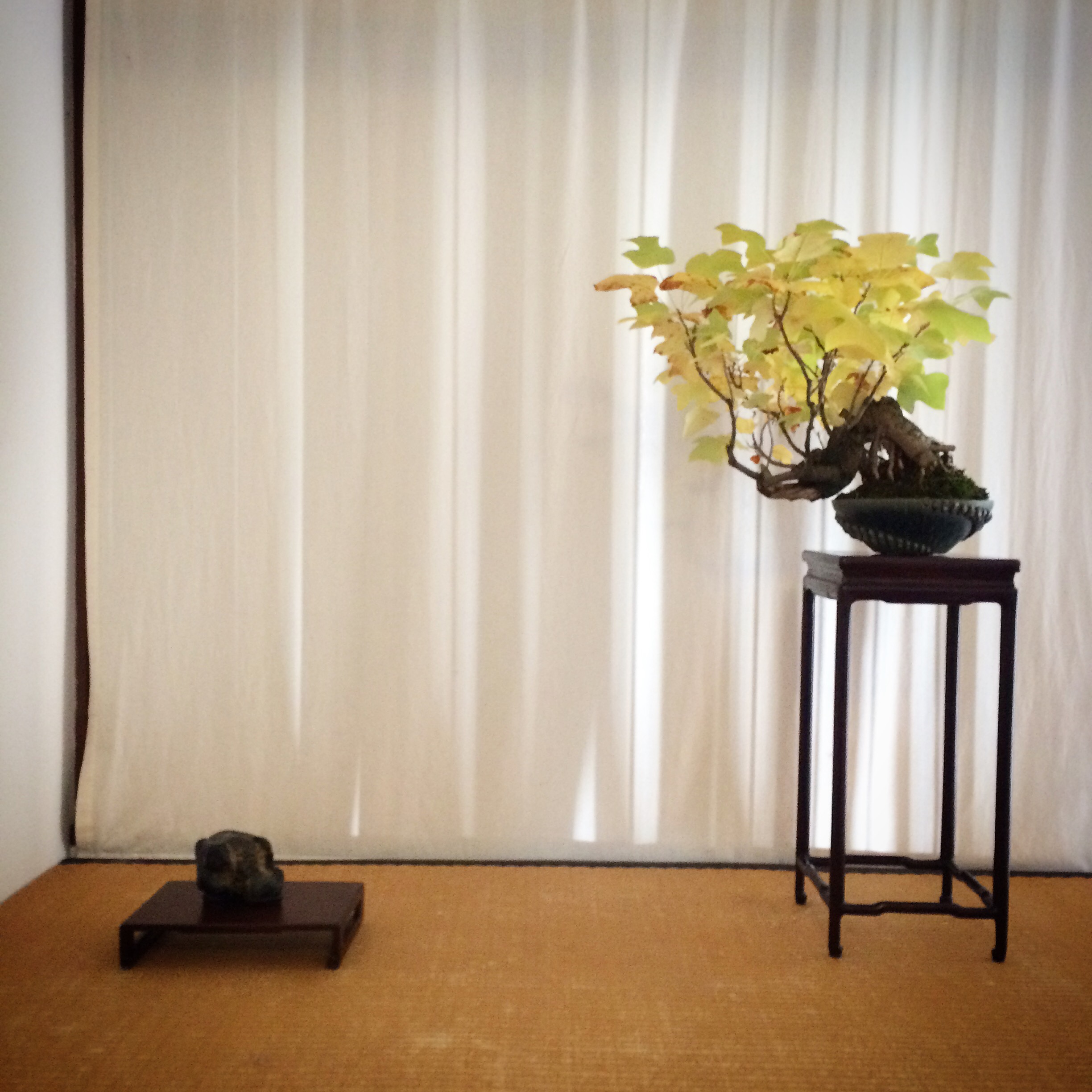
Roverella romagnola lavorata a Fiesole

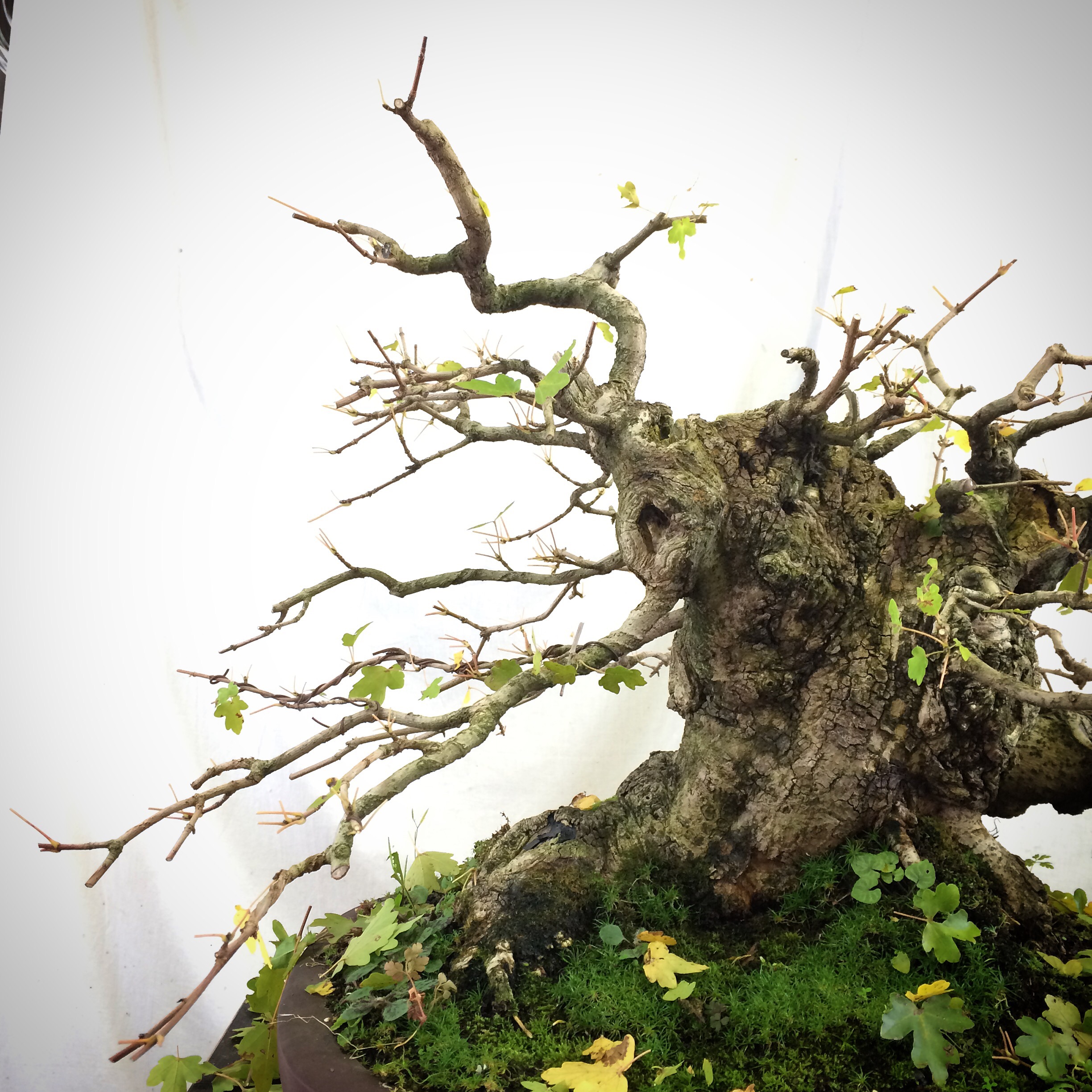
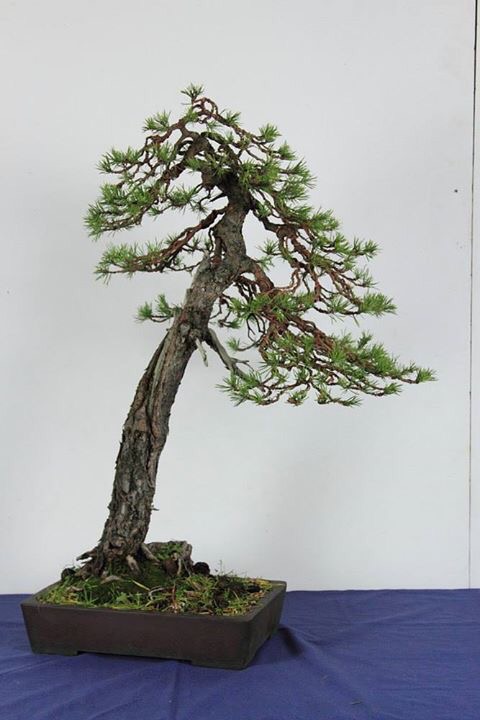
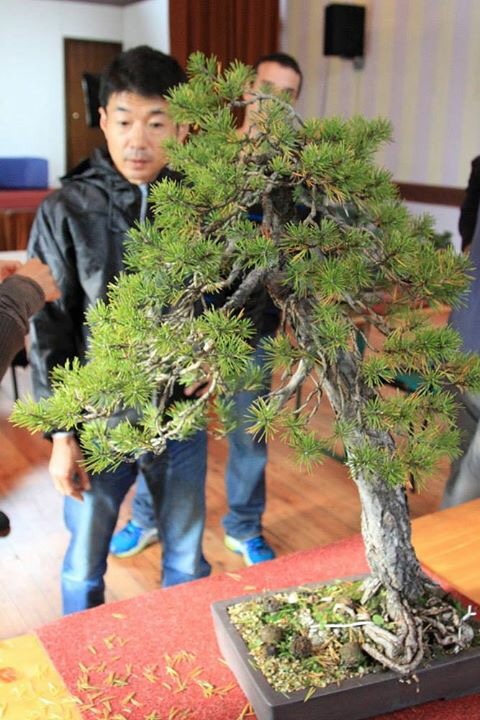
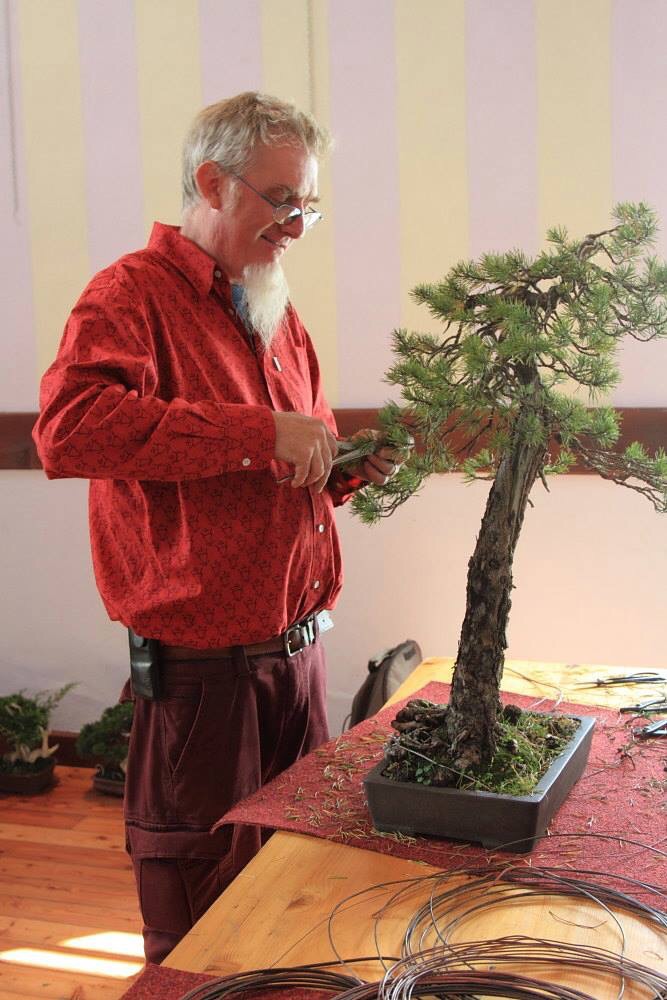
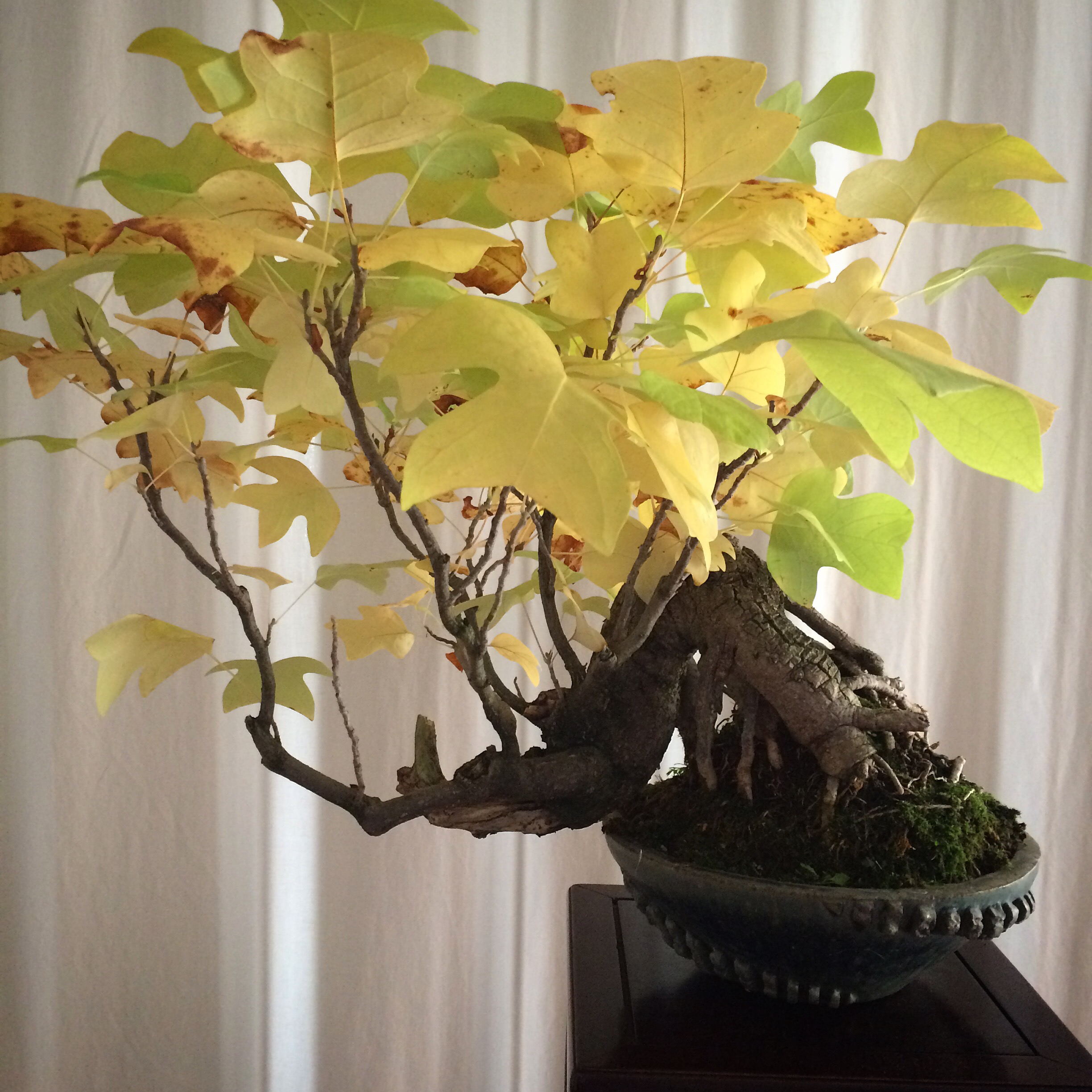
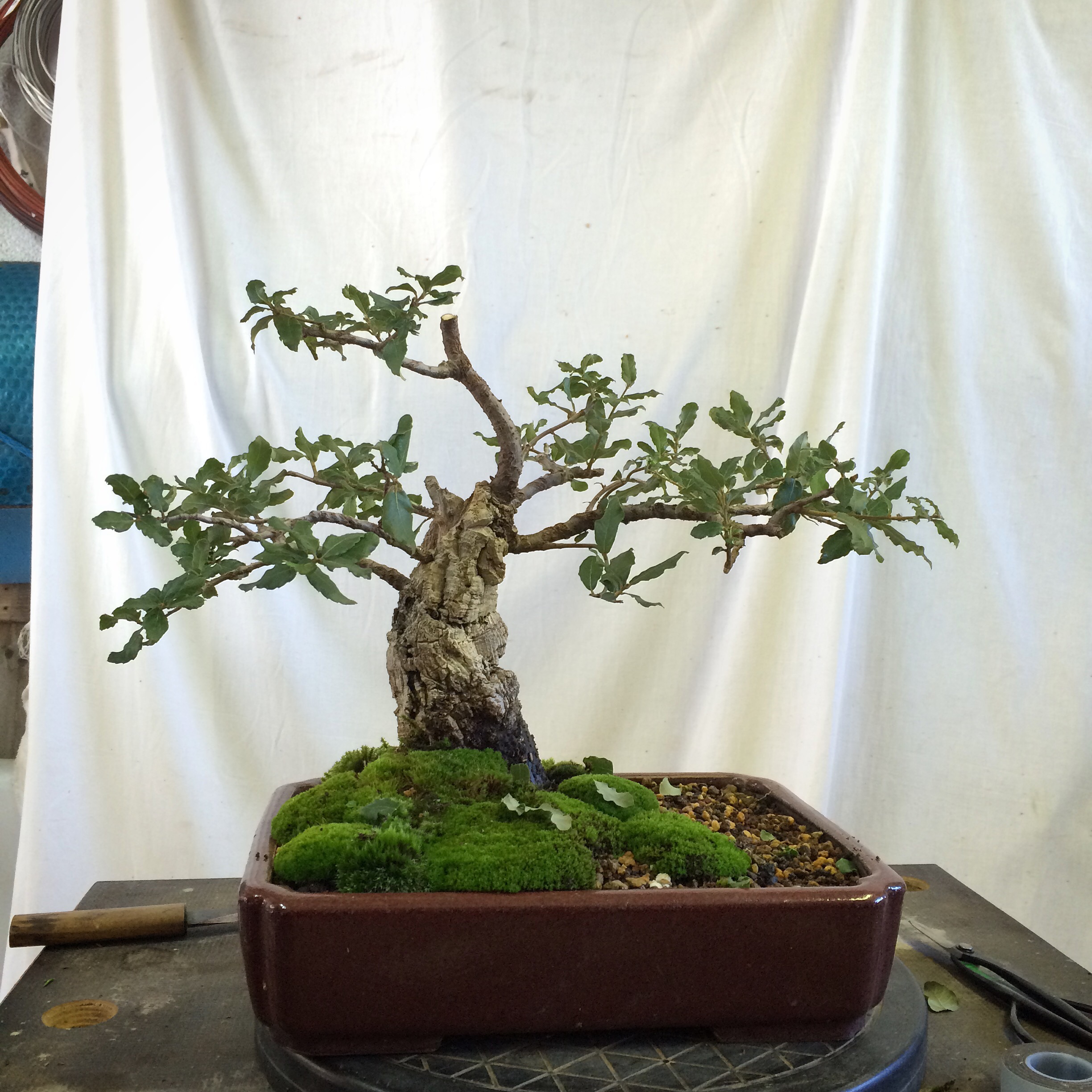
In occasione della Sakka Ten 2014 a Fiesole decido di lavorare questa roverella romagnola molto particolare.
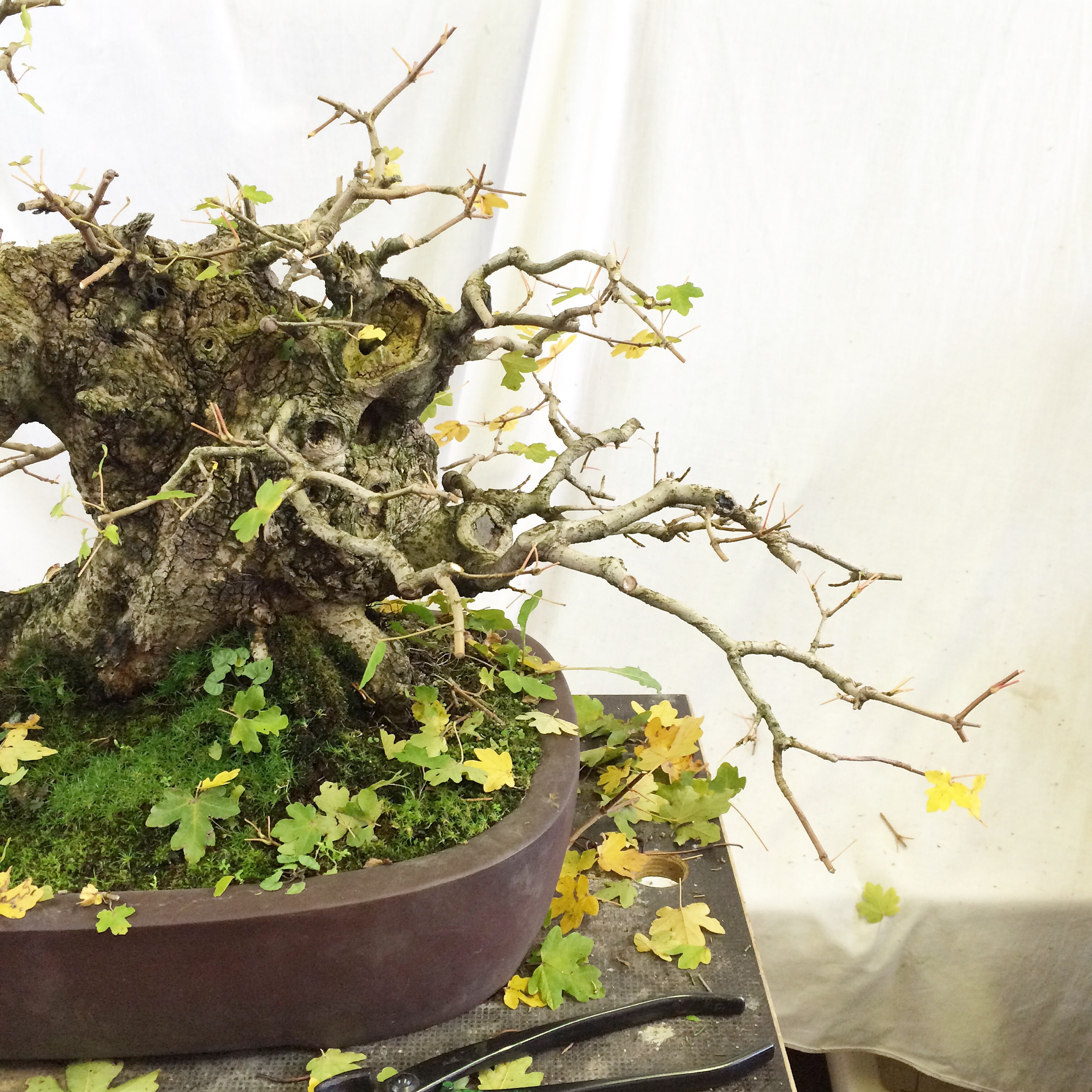
Il tronco è finemente cortecciato, senza tagli ne shari, cosa che al mio occhio la rende molto pregiata.img_8715Foto dell’inverno 2013img_8719img_8723img_8725Le curve ci sono già ma sono abbastanza larghe

Bisogna avvicinare la vegetazione al tronco

Ho già piegato diverse roverelle e con i giusti accorgimenti la cosa non è ne difficile ne pericolosa per la pianta.

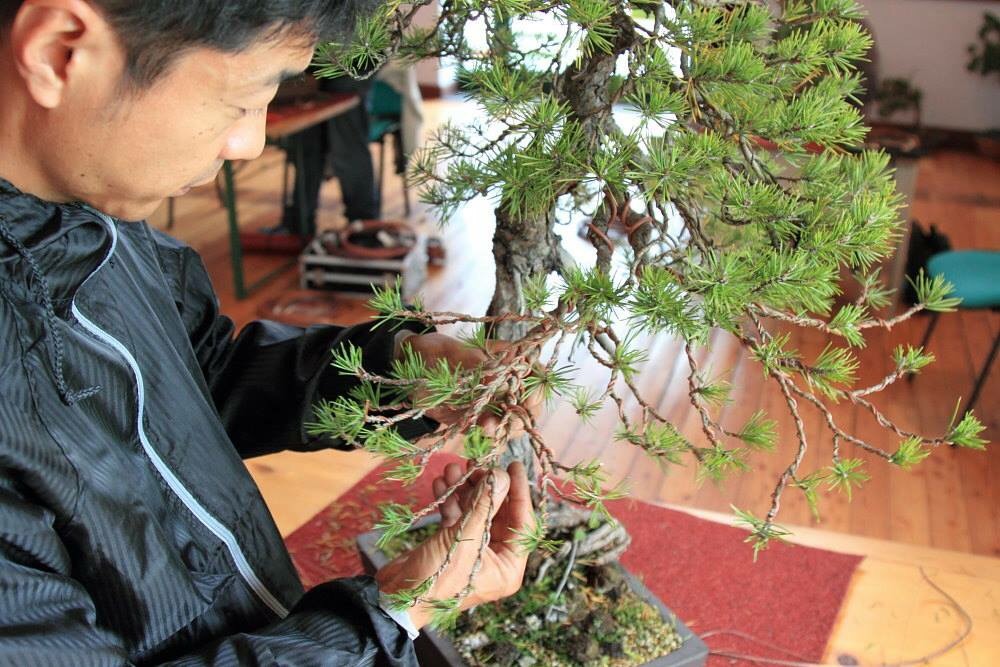
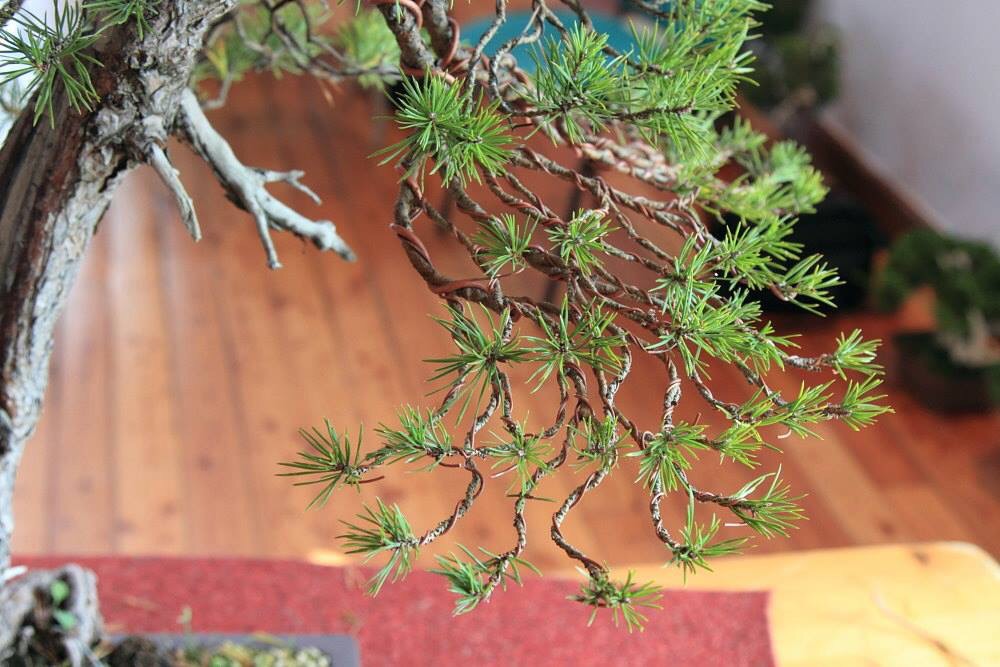
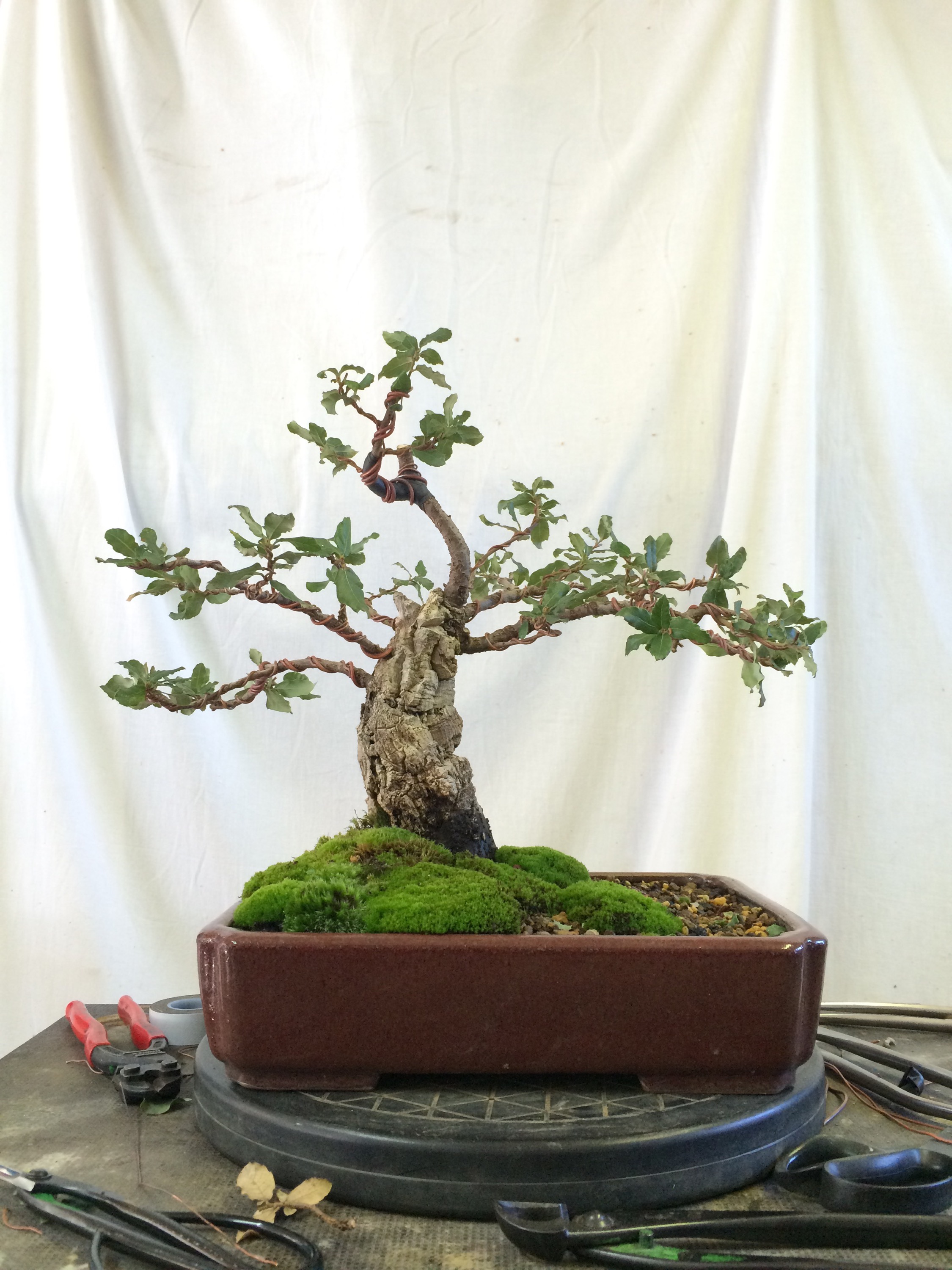
IMG_2845IMG_2926Fascio bene il tronco con il nastro di Yuta, e lo filo tutto con il filo di rame del 3,5IMG_2904Mi assistono Mario e la mia allieva MelanieIMG_2935La pianta alla fine della demo

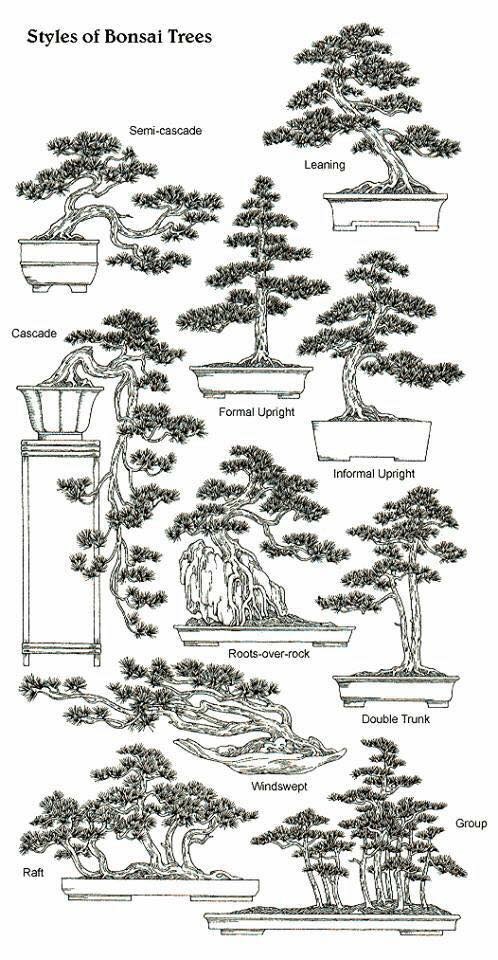
Il risultato è un semi cascata, han kengai, quasi bunjin.

Voglio mantenere la vegetazione molto leggera e femminile in modo che rispetti la tipicità dell’essenza, la Rashisa.
IMG_2931 IMG_2933


Roverella romagnola

Takemoto Hayata

Avatar di japanesepotsJapanese Bonsai Pots Blog

Takemoto Hayata was born Takemoto Masenori In the first year of the Kaei period, 1848. The son of Takemoto Yotoki, a Shogunate Bannerman, he was born into the Samurai class of nobles in the feudal Shogunate system in Tokyo. As his father was powerful and he himself was a samurai, they lost everything in the Meiji Restoration. In 1867, upon the restoration of the Emperor to the throne, the Shogunate ended. Over the course of several years, Samurai and Daimyo had their rank, property, income, and elite status revoked by the Emperor.
Many Samurai chose to side with the Emperor, and in Takemoto’s area of Tokyo, these became the Tokyo police. Many others did not go quietly, and revolted. The revolts were quickly squashed by the new Imperial Army, headed by a core of Samurai that were the Tokyo Police. Takemoto refused to fight on either side, and thus, having…

View original post 1.189 altre parole

More on differences among Itoigawa, Kishu, and Shimpaku junipers

Avatar di Brian VFNebari Bonsai

This is one topic that really intrigues me. Shimpaku has become a favorite bonsai subject, and as I work more with the different varieties, I’ll continue to share the subtle differences.

From macro to micro, here is a little more about each of these three varieties.

My Itoigawa, from Evergreen Gardenworks, and the source of all the Itoigawa material shown.

20120922-105858.jpg

This is a shimpaku, also from Evergreen Gardenworks, similar in size to the Itoigawa at about 16″.

20120922-110523.jpg

Finally, the Kishu, which is young, in the ground (left) and growing on. These came from Miniature Plant Kingdom.

20120922-110825.jpg

Here are some photos of shoots of each variety. For consistency and clarity throughout this post, each shoot will appear in alphabetical order, from left to right…Itoigawa, Kishu, Shimpaku.

20120922-111130.jpg

20120922-111206.jpg

20120922-111245.jpg

20120922-111319.jpg

These all display mature foliage. Itoigawa is much lighter, brighter green in color. The texture is very fine, and the structure is open, and fanlike…

View original post 290 altre parole