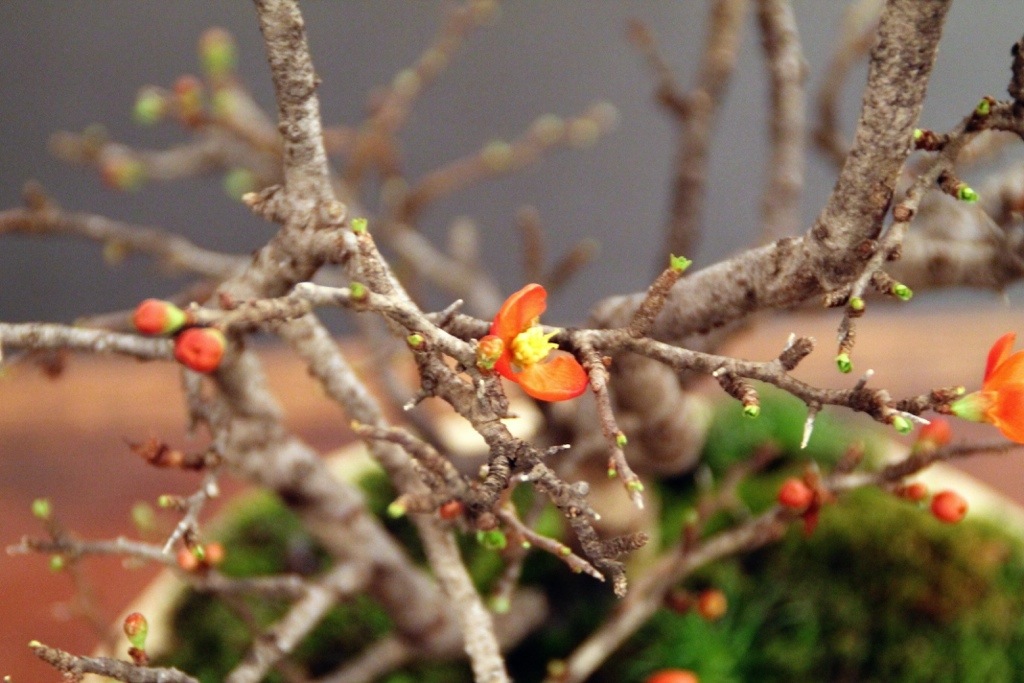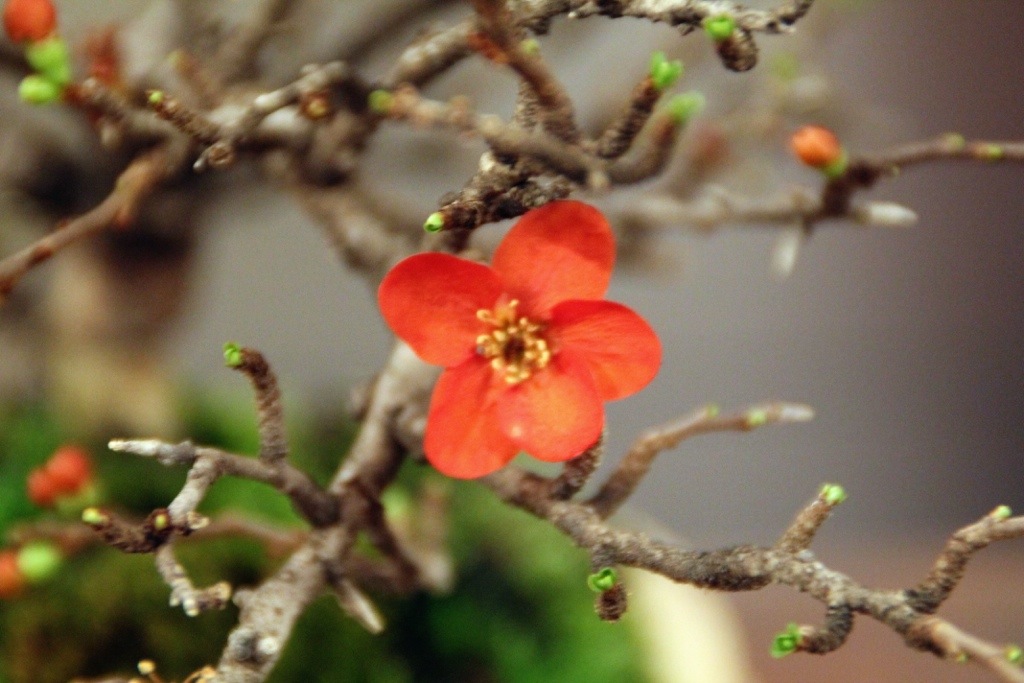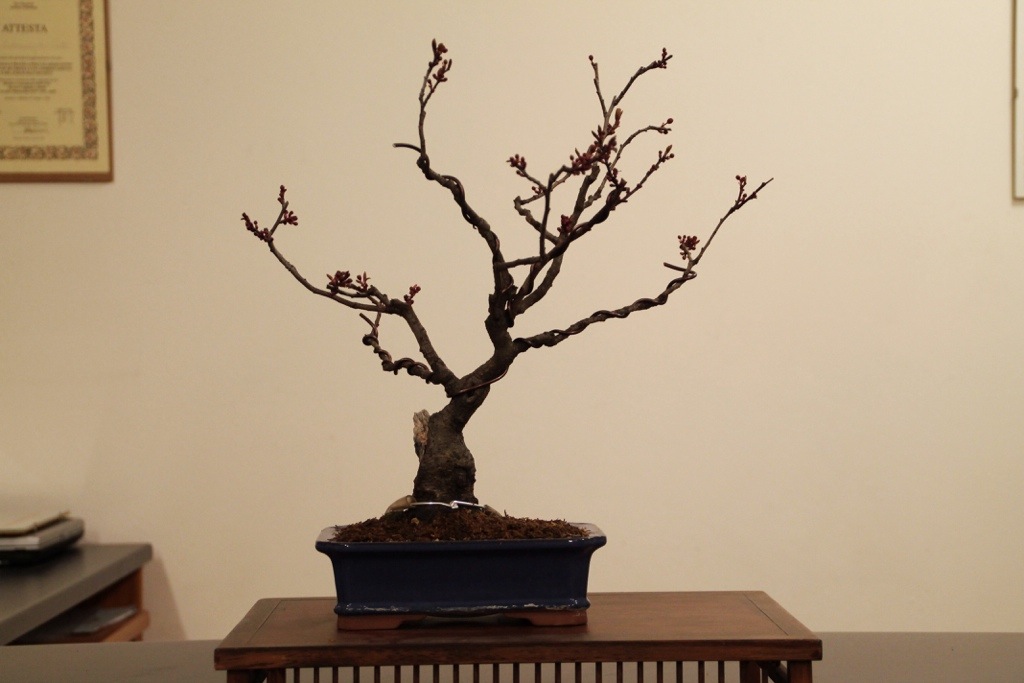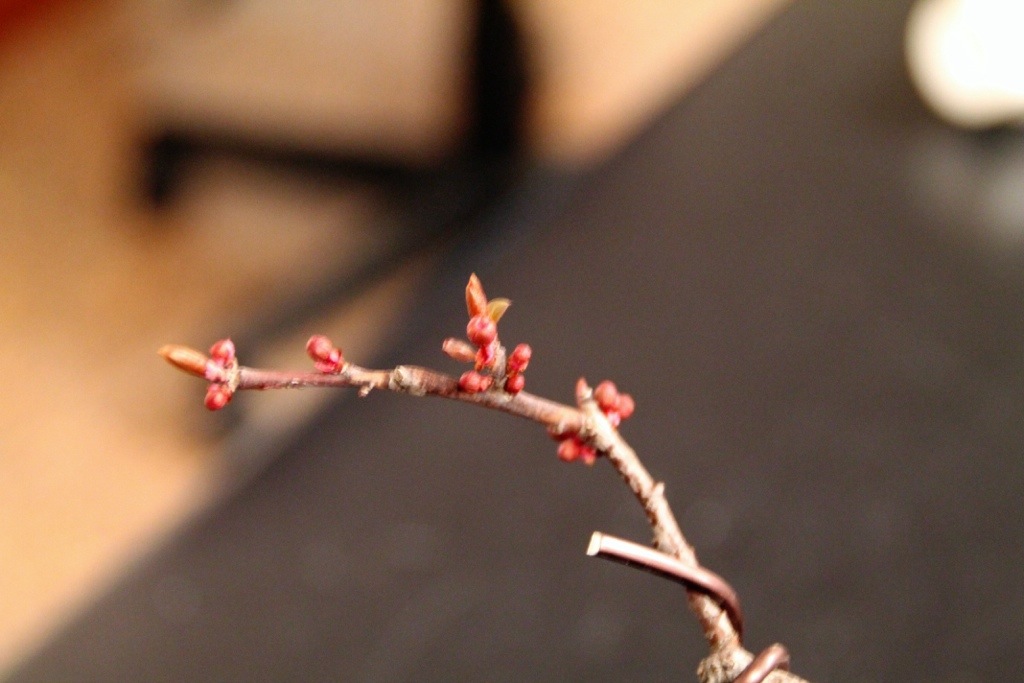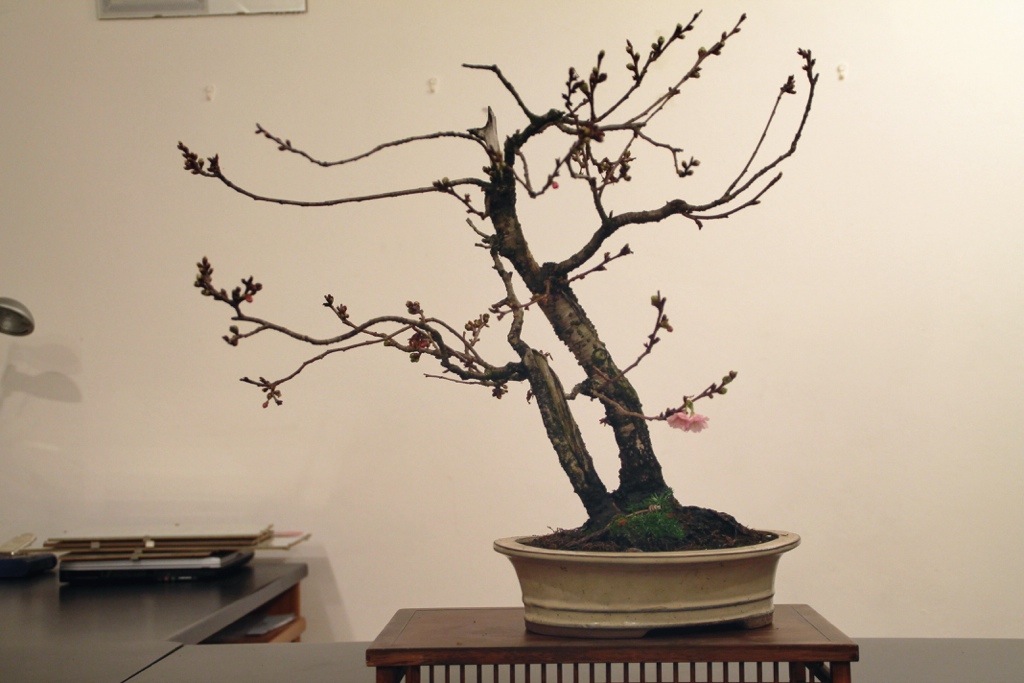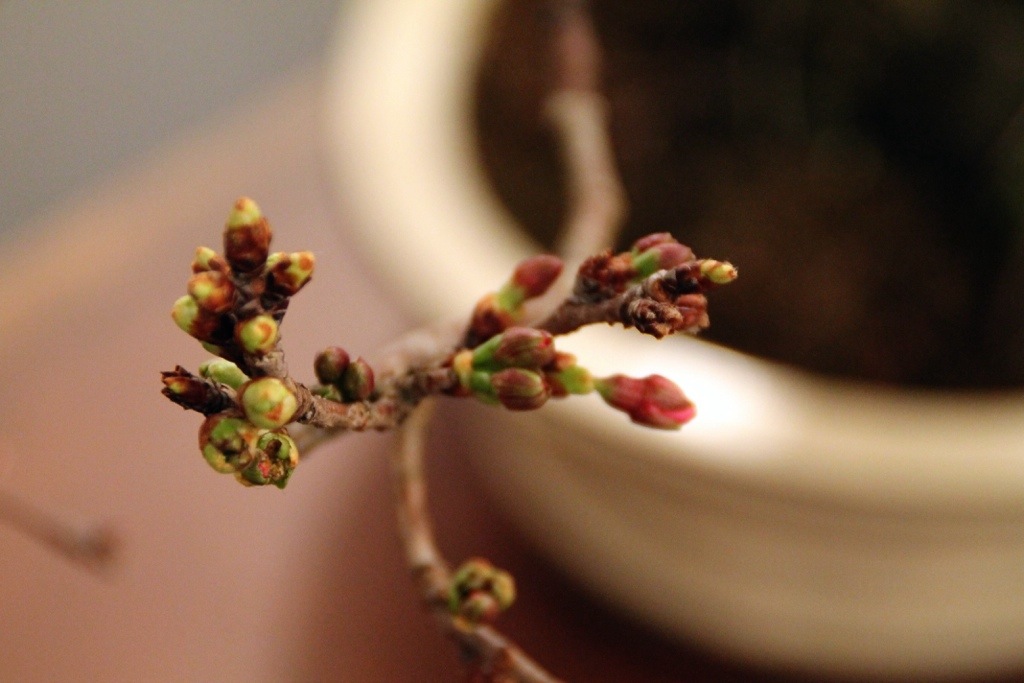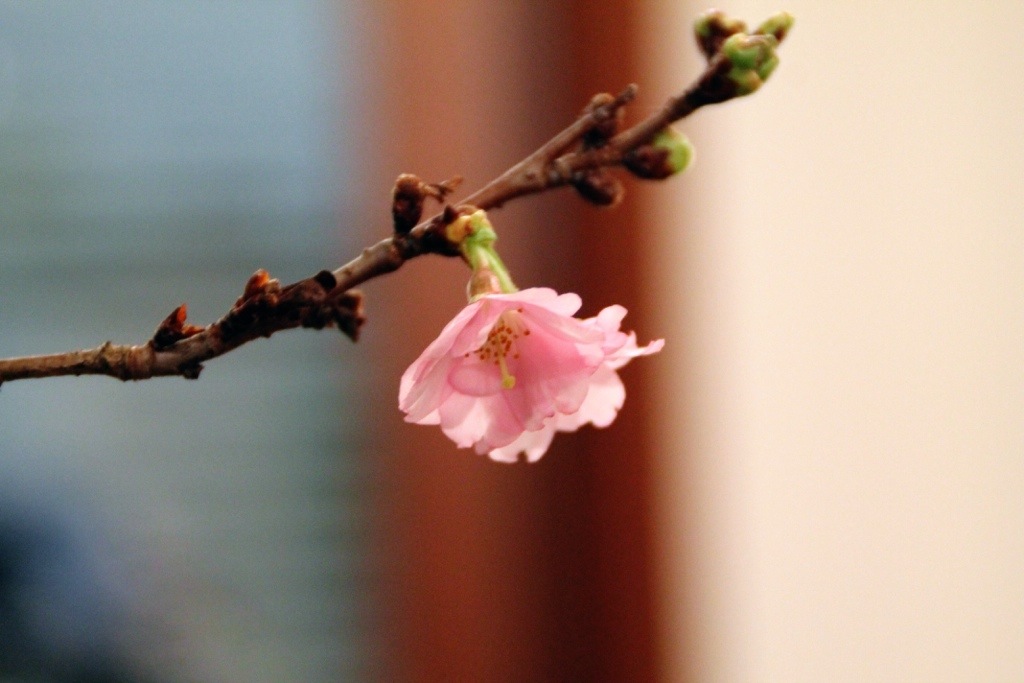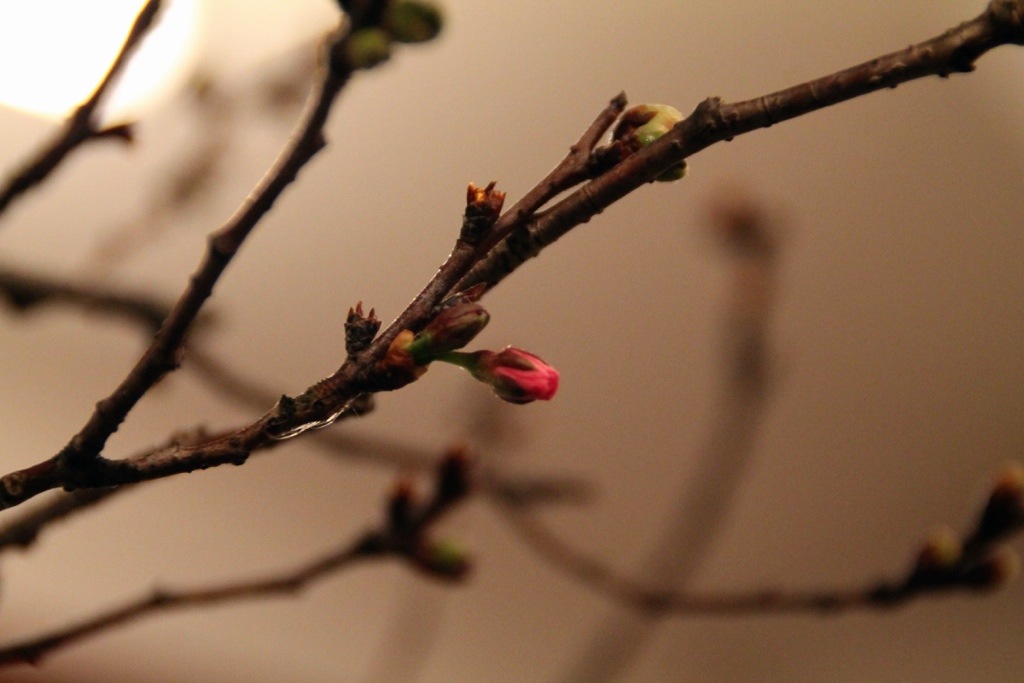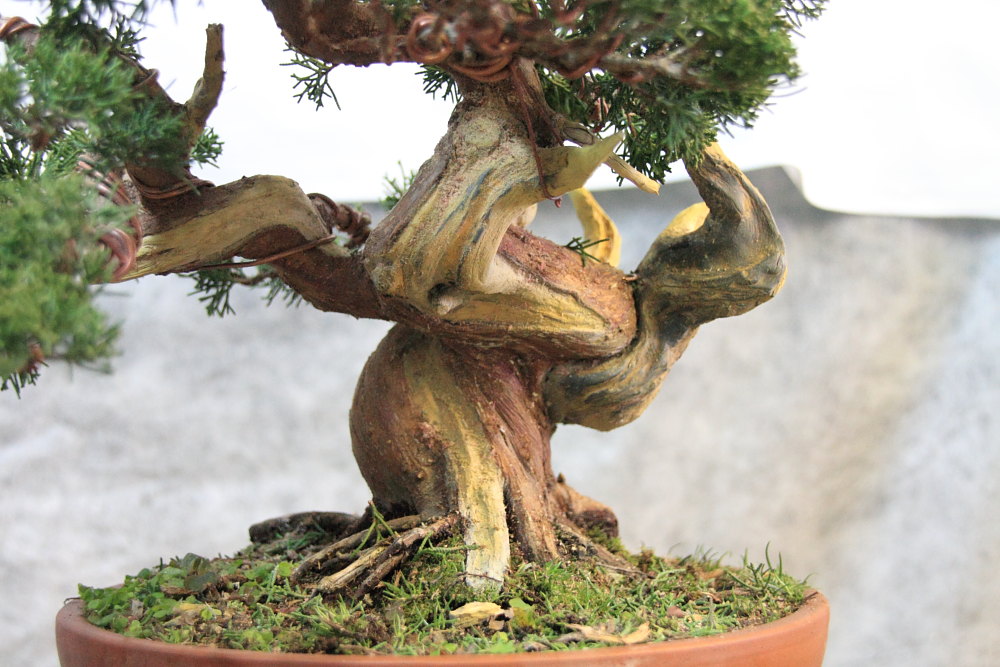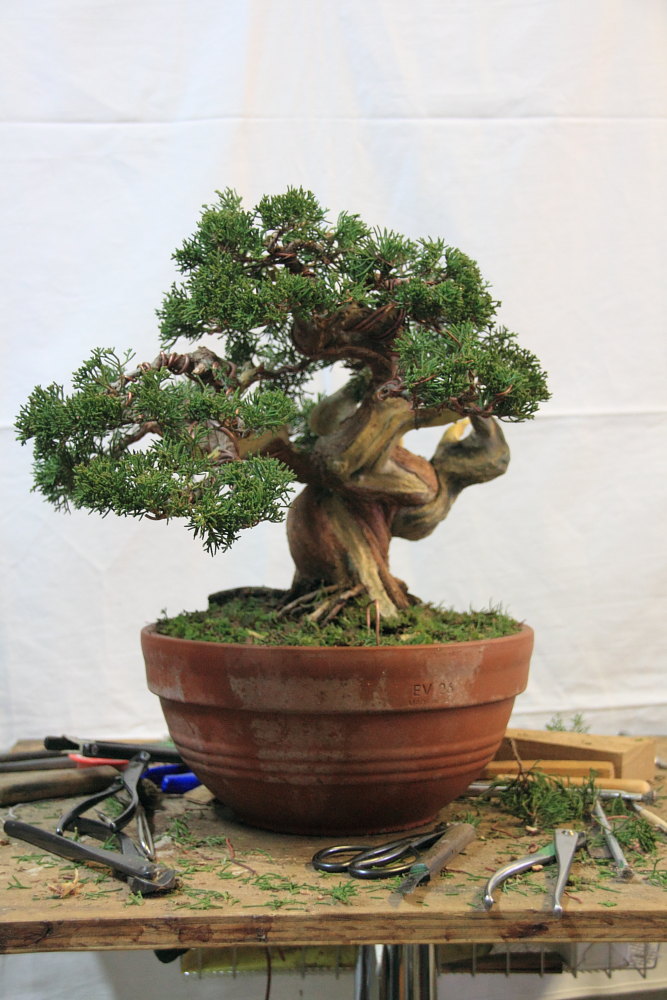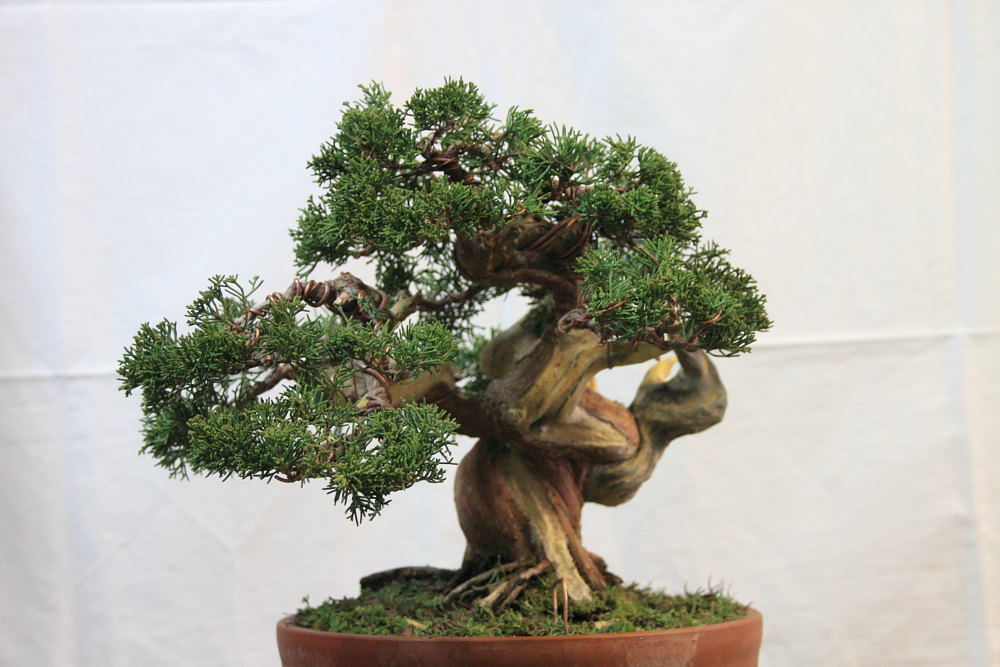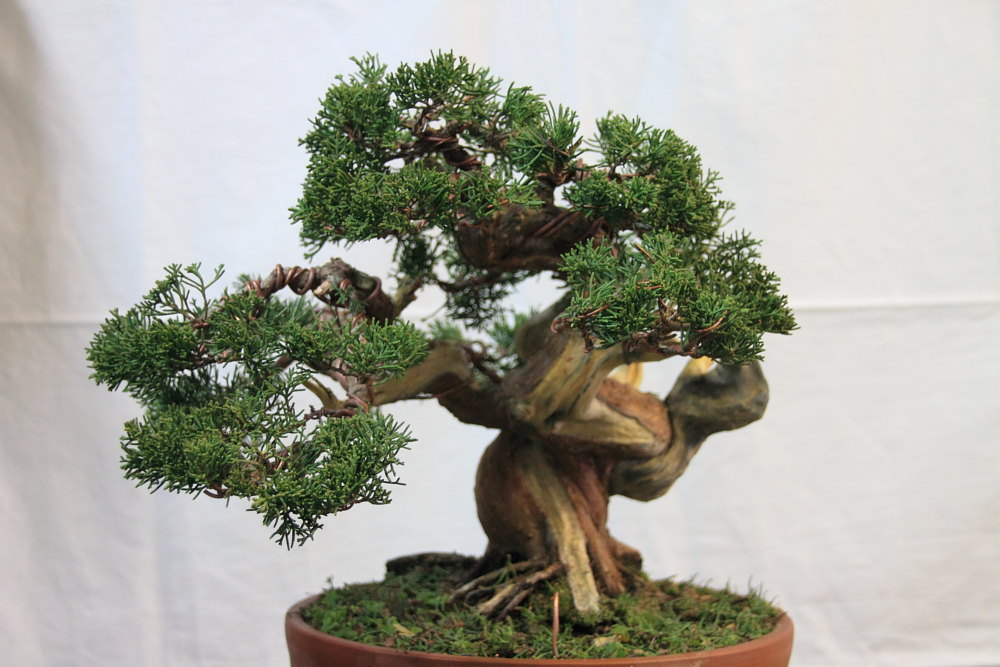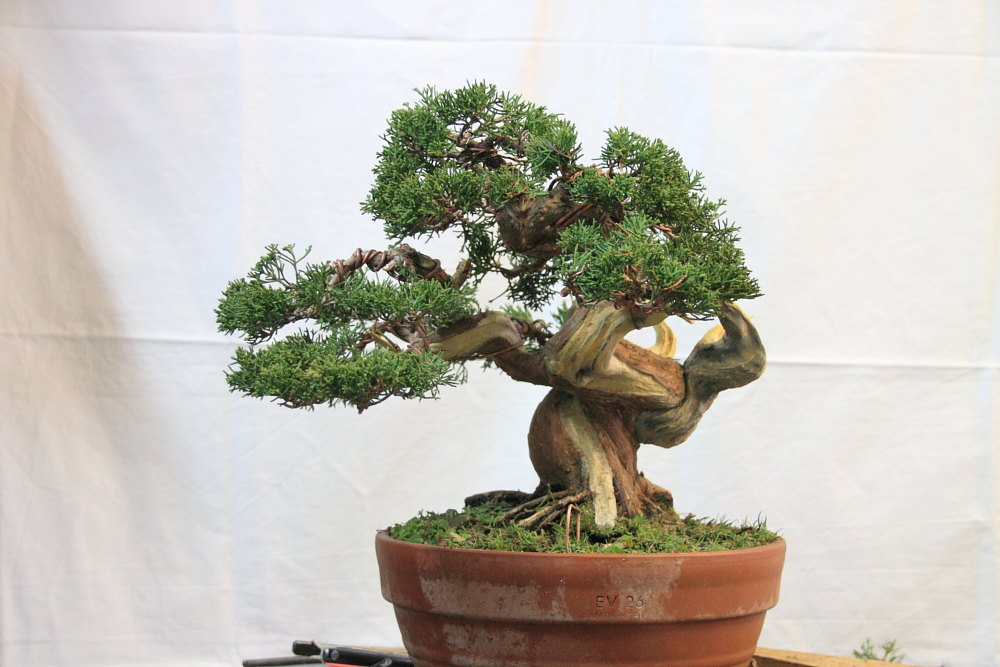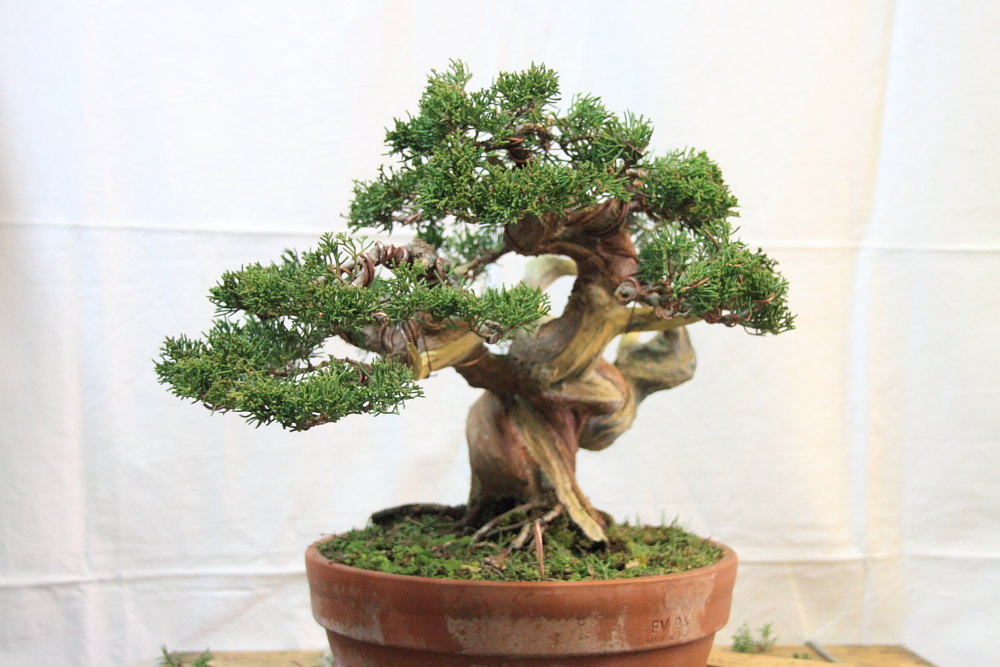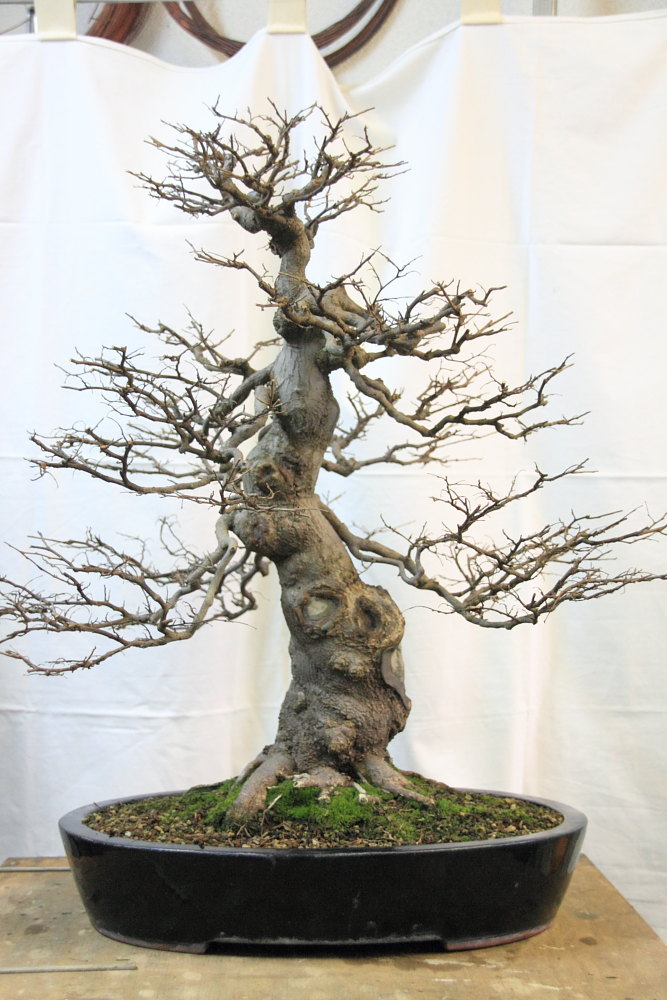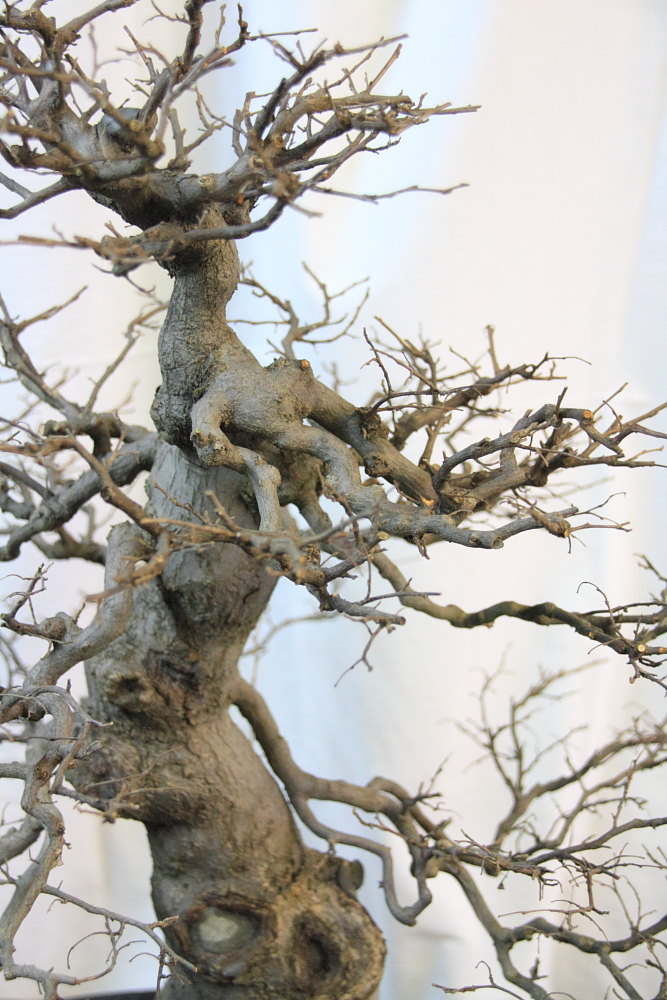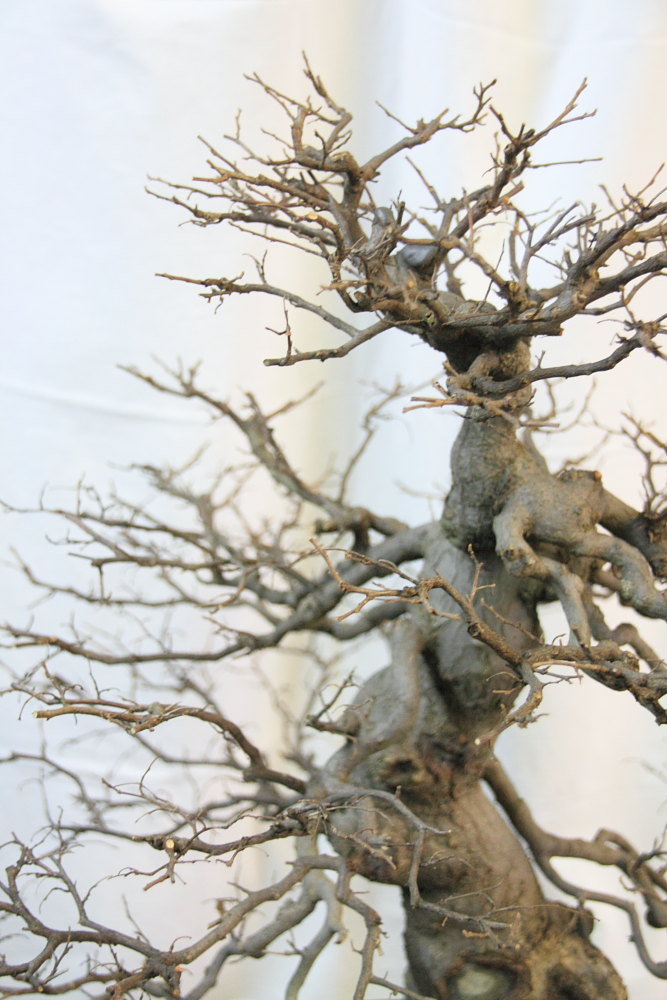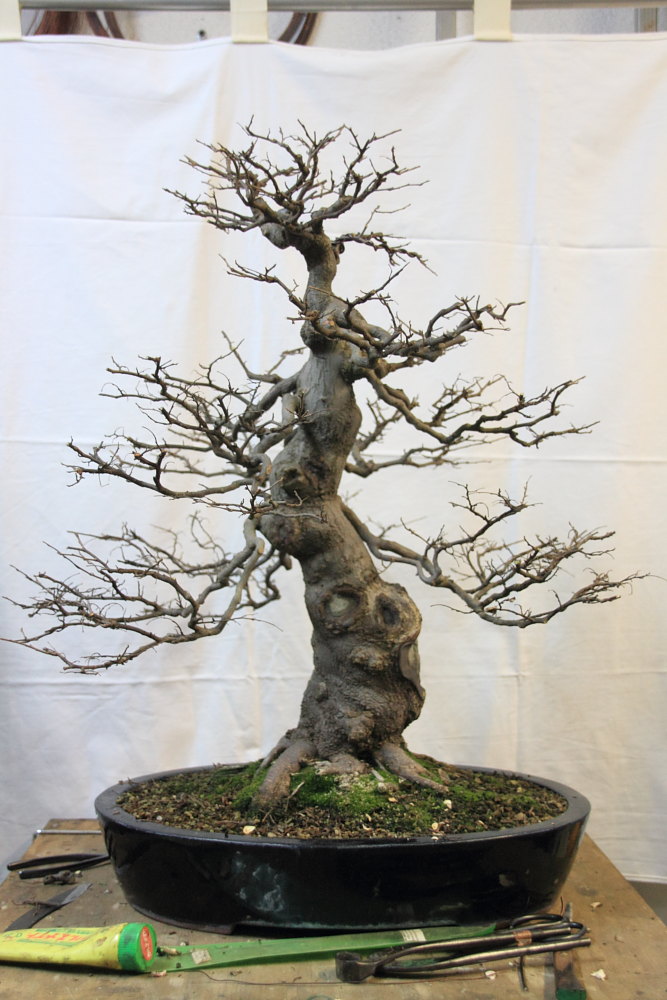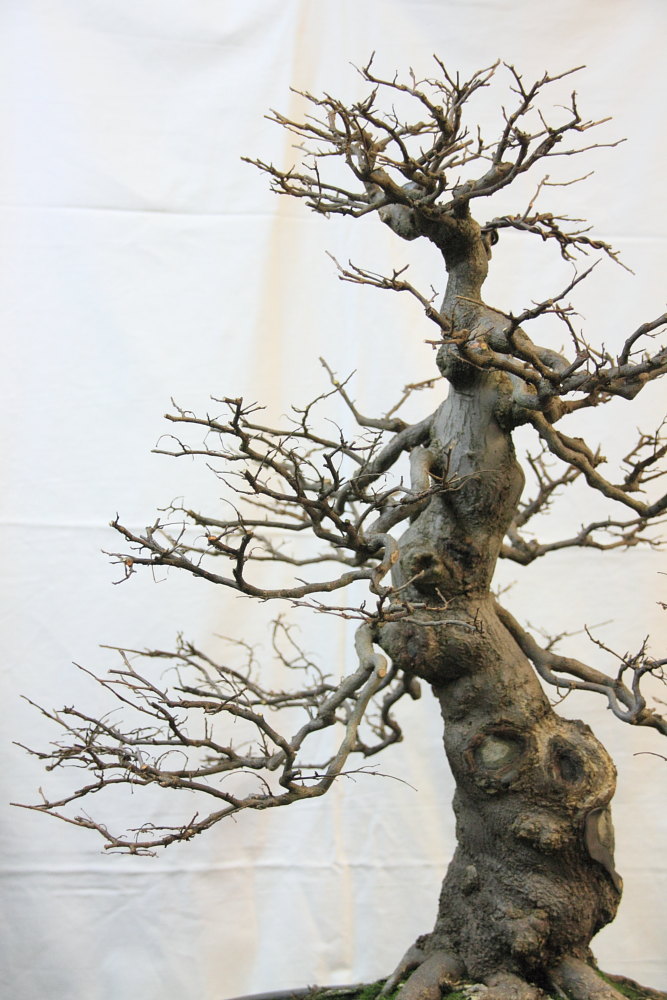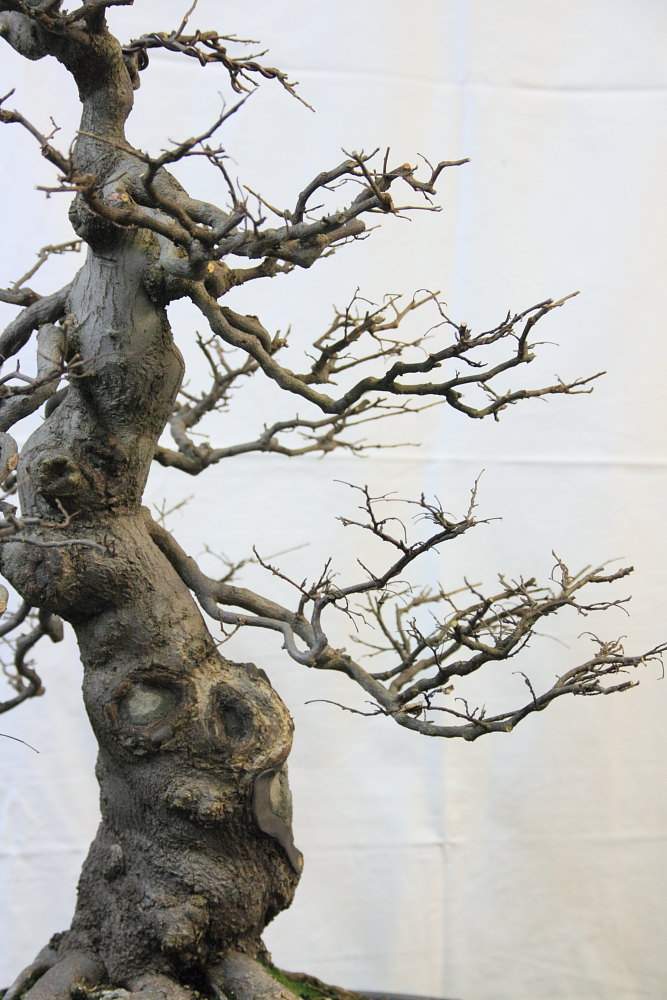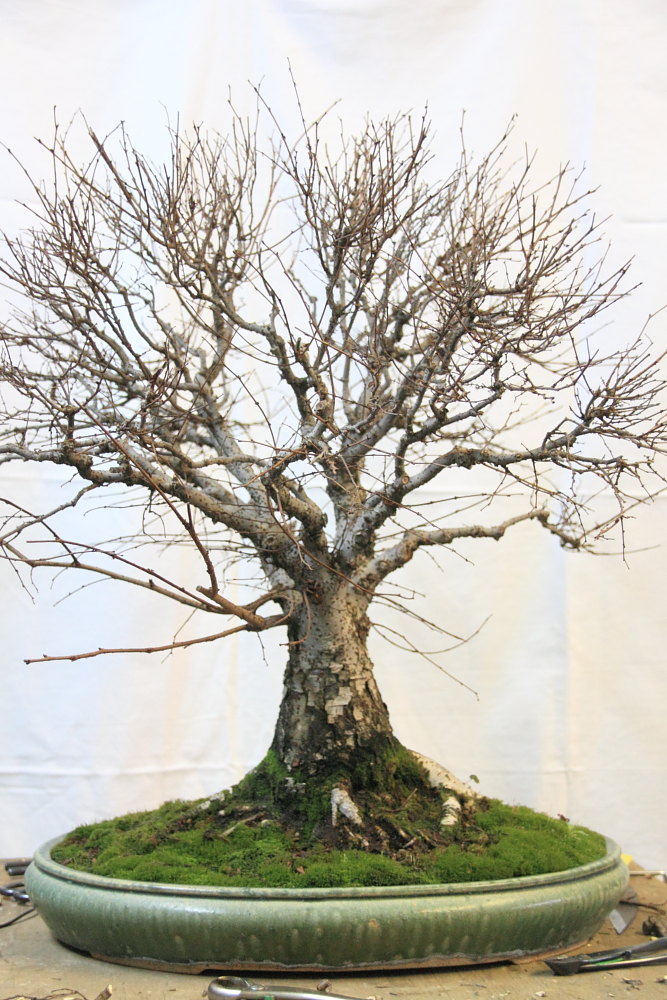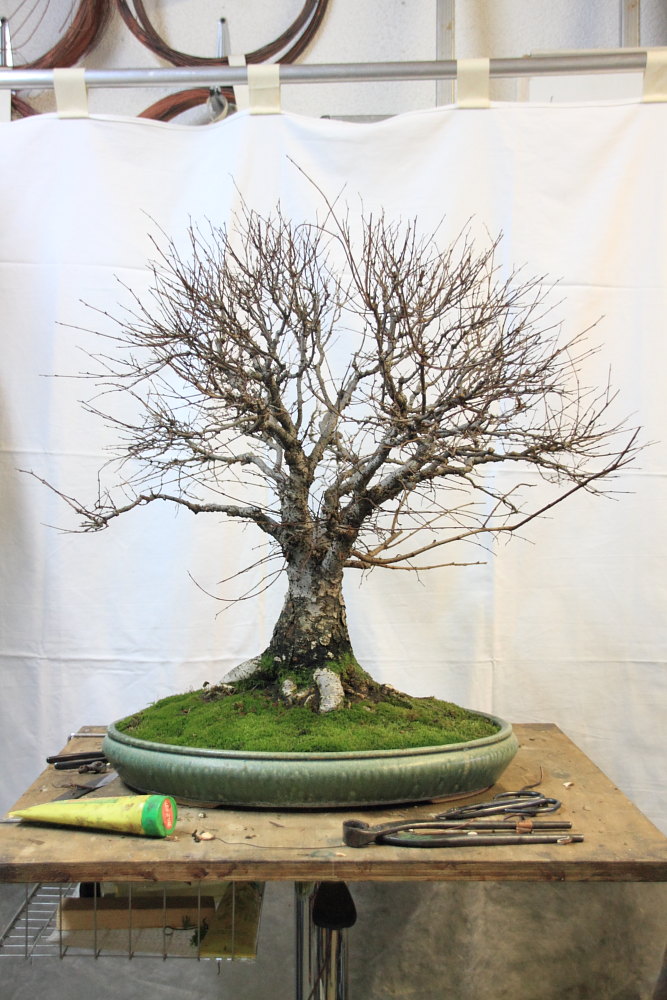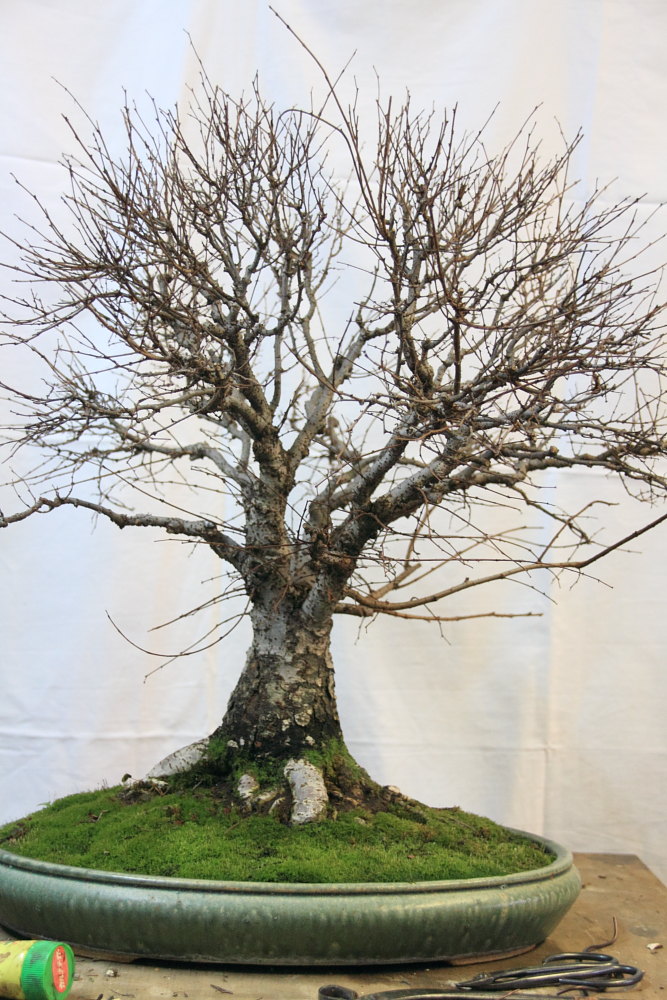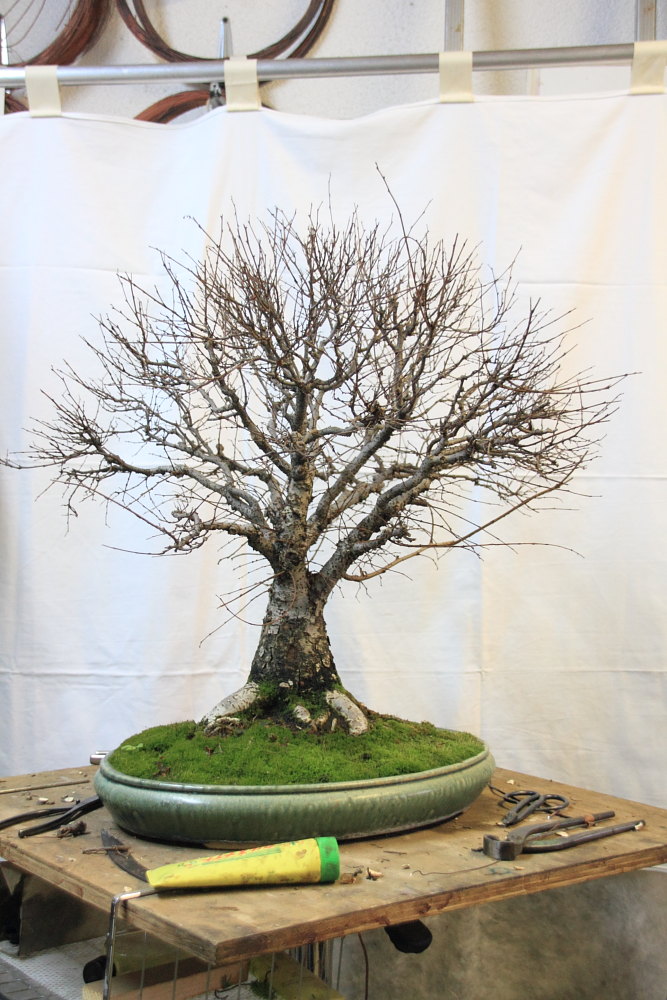
2014 Winter Silhouette Bonsai Exhibition

Avatar di aarinpackardCapital Bonsai

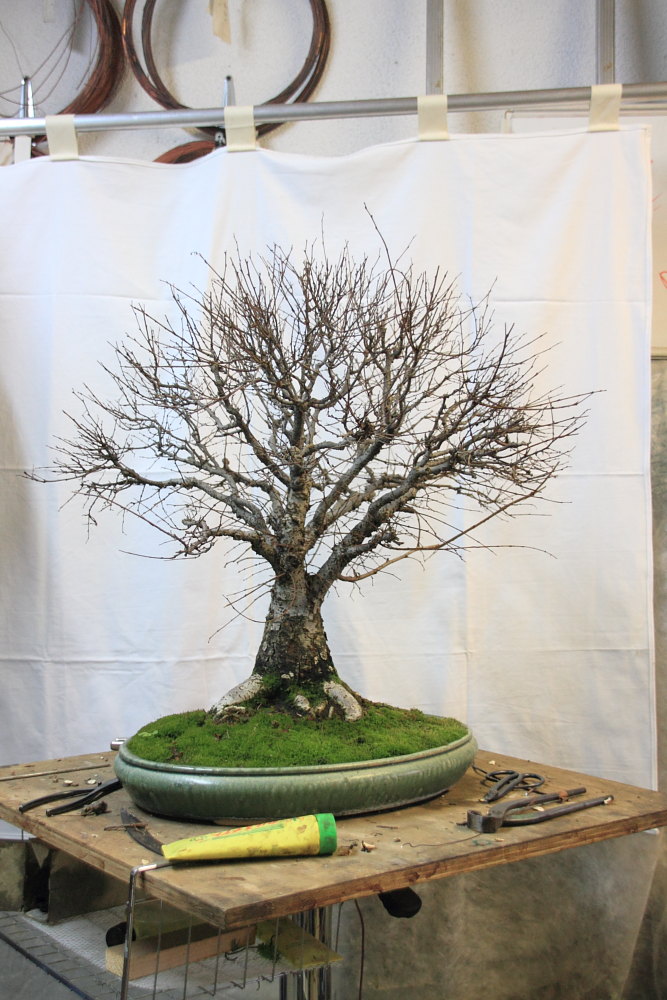
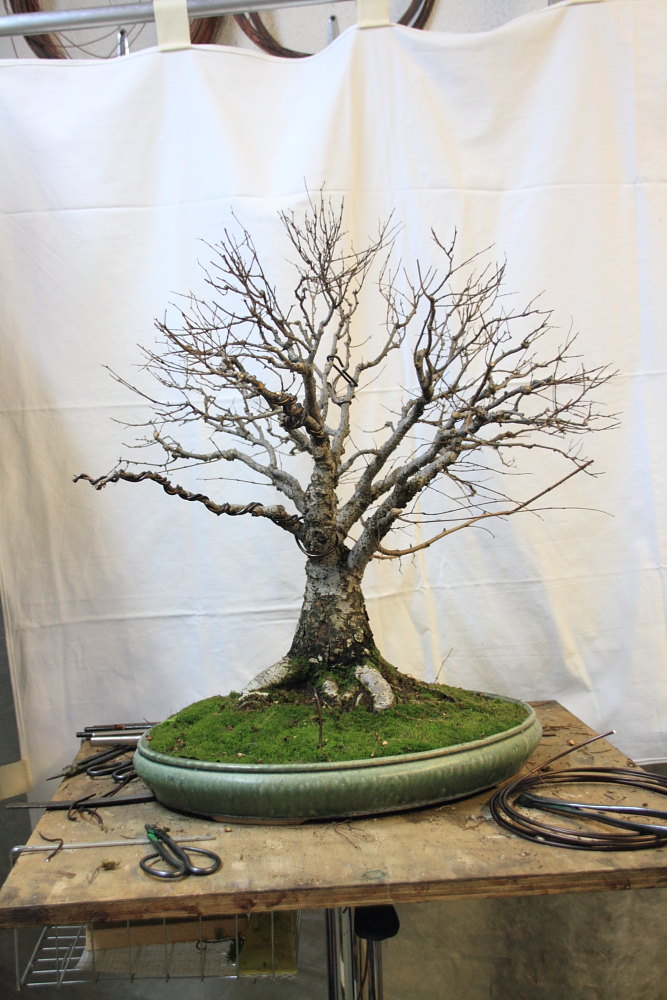
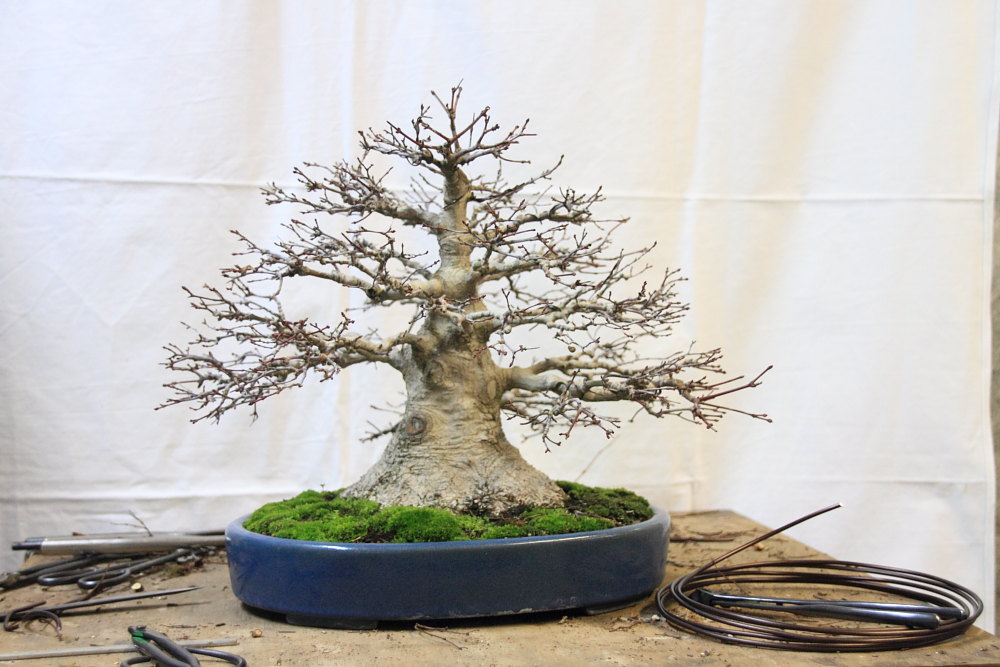
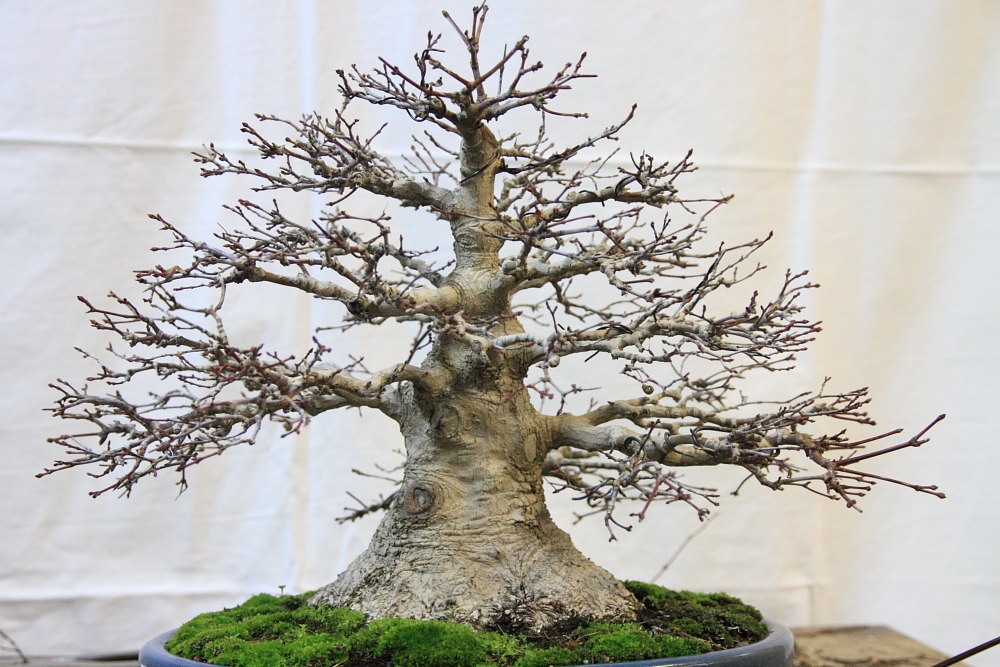
The National Bonsai and Penjing Museum, located on the East Coast of the United States, has been having its annual Winter Silhouettes exhibition for nearly 20 years. We’ve recently gone to a biannual show to generate more interest as winter is our slow season at the Arboretum.
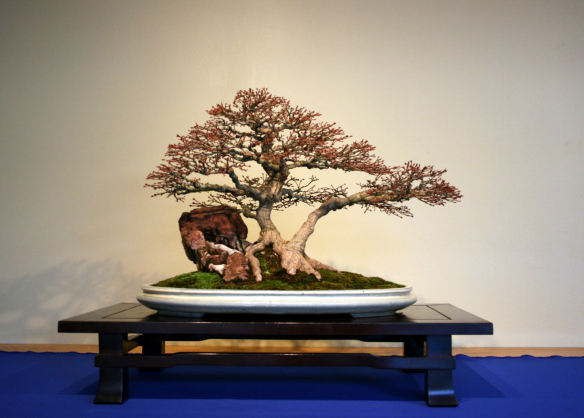
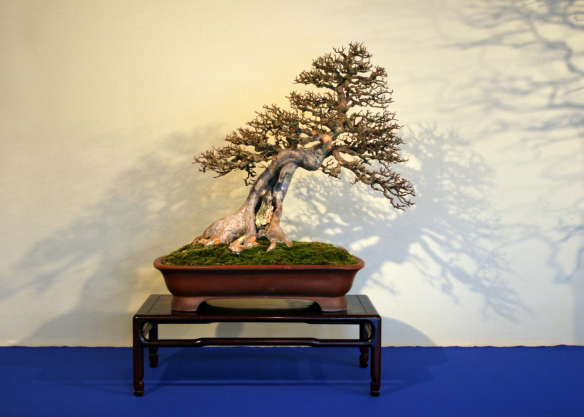
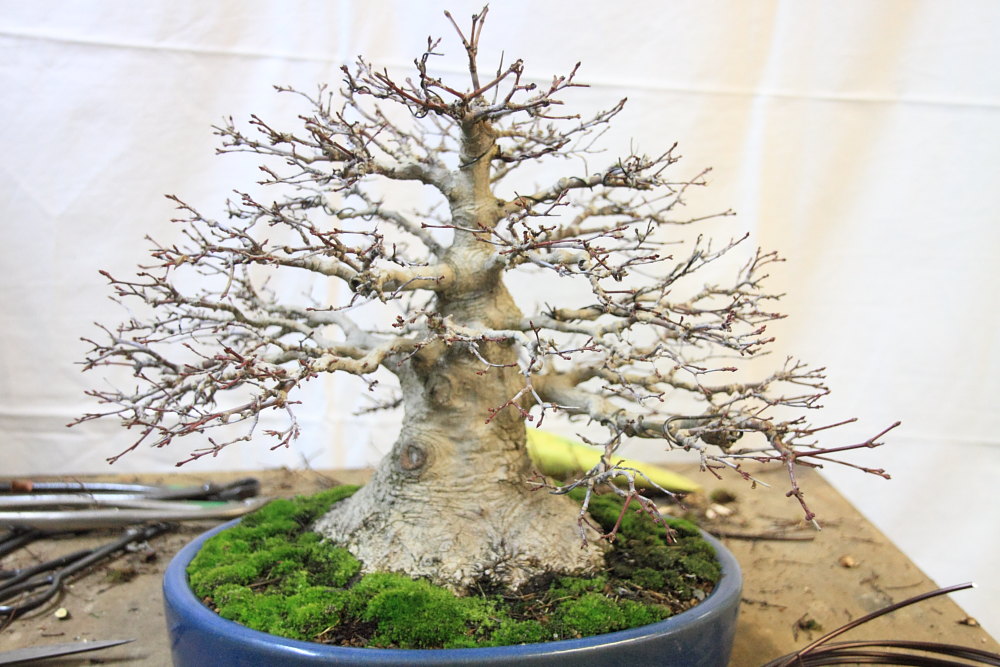
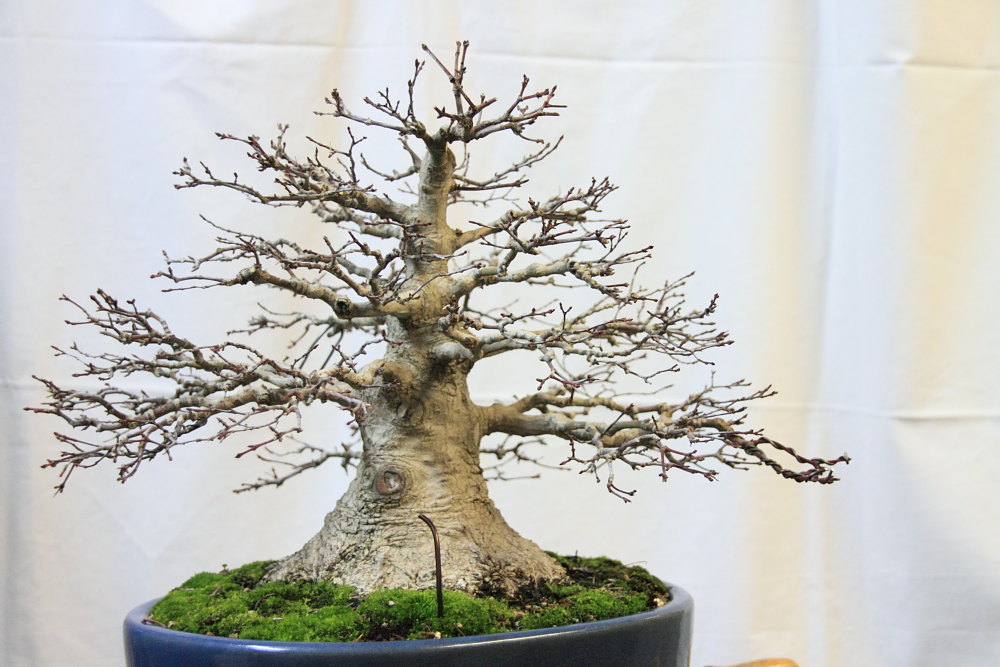
IMG_0058Japanese Maple-Kiyo-hime, In training since 1946, Donated by Akiko Matsudaira.
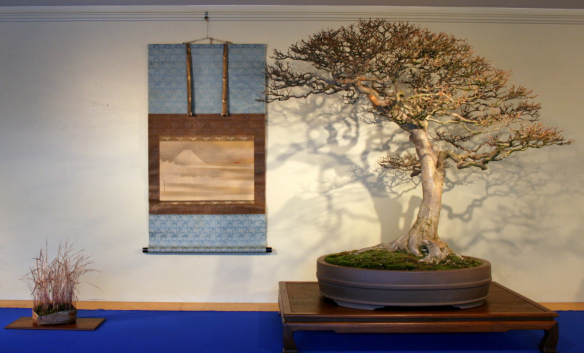
IMG_00603 point disaply with Trident Maple, In training since 1895, Donated Prince Takamatsu, Mt. Fuji scroll, and Japanese Blood Grass.
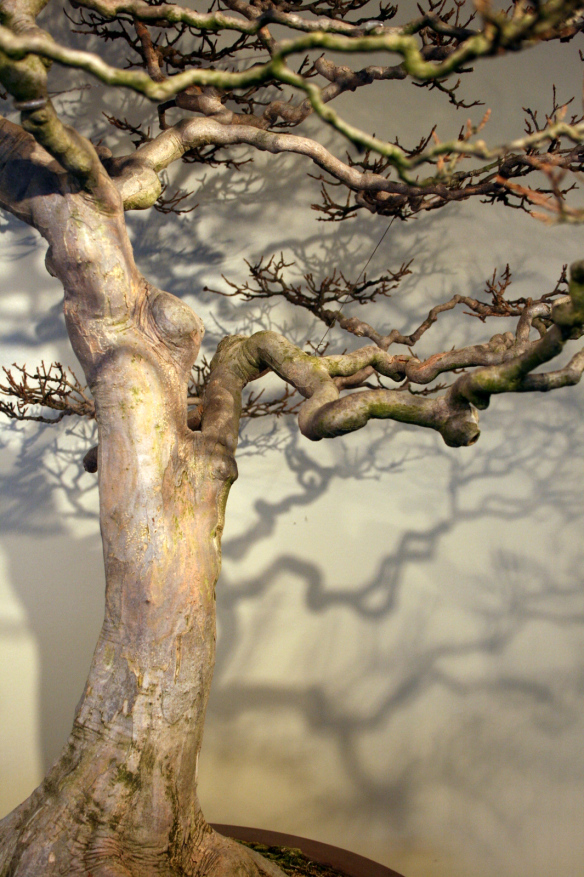
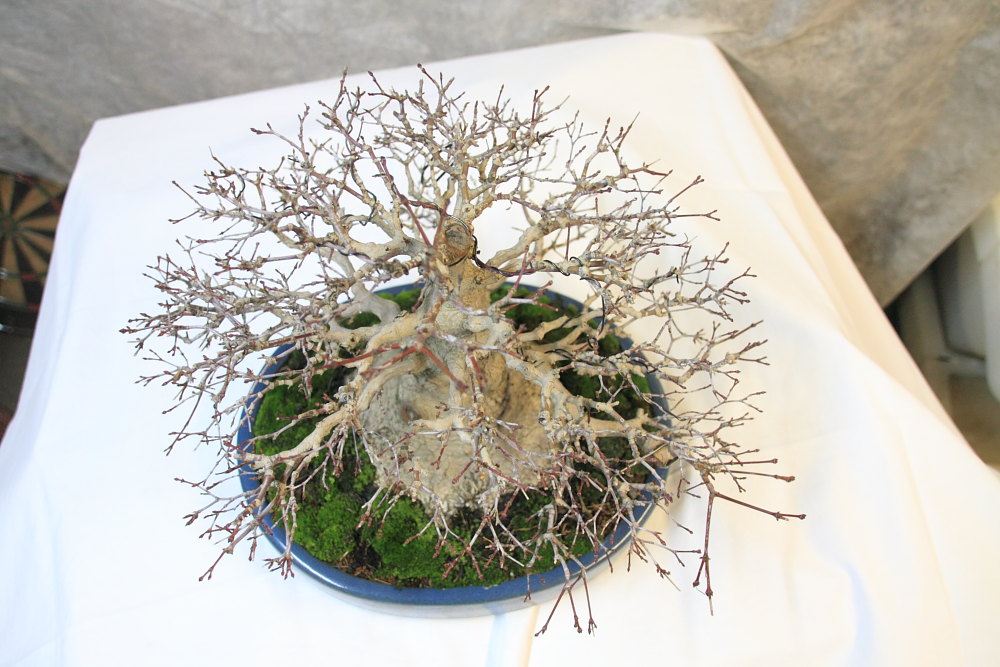
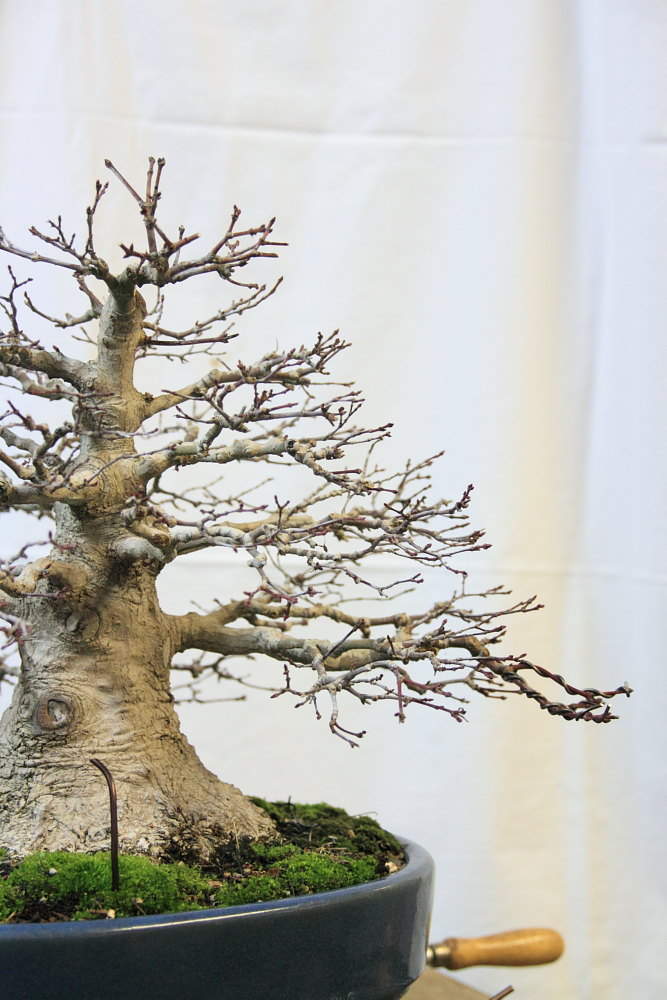
IMG_0064Branch silhouette.

IMG_0063Japanese Blood Grass, container by MC2.
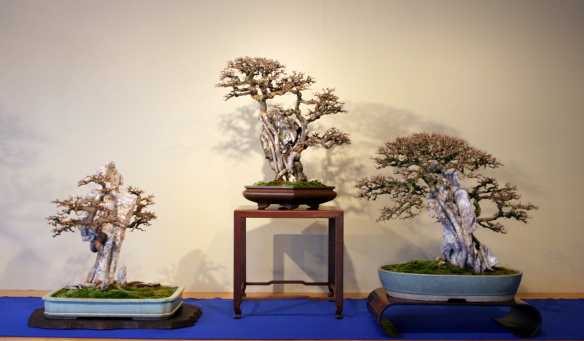
IMG_0061Triptych of Root-over-rock Chinese Elms, Donated by Yee Sun-Wu.
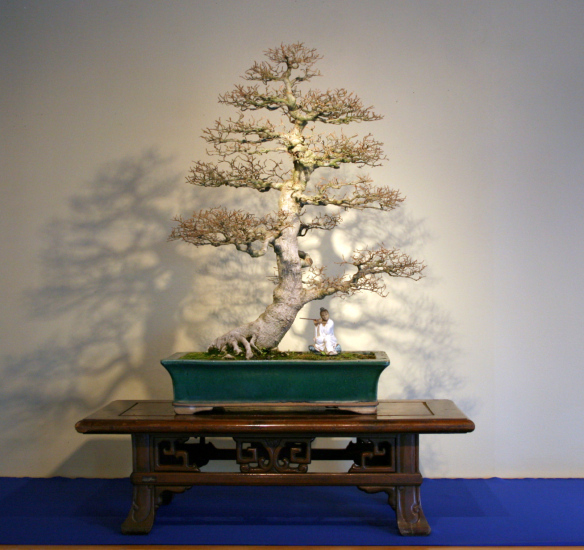
IMG_0070 Chinese Hackberry, In training since 1946, Donated by Shu-ying Lu.
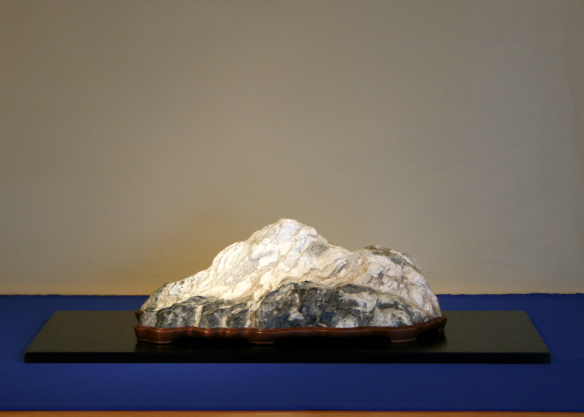
IMG_0071Winter Suiseki.

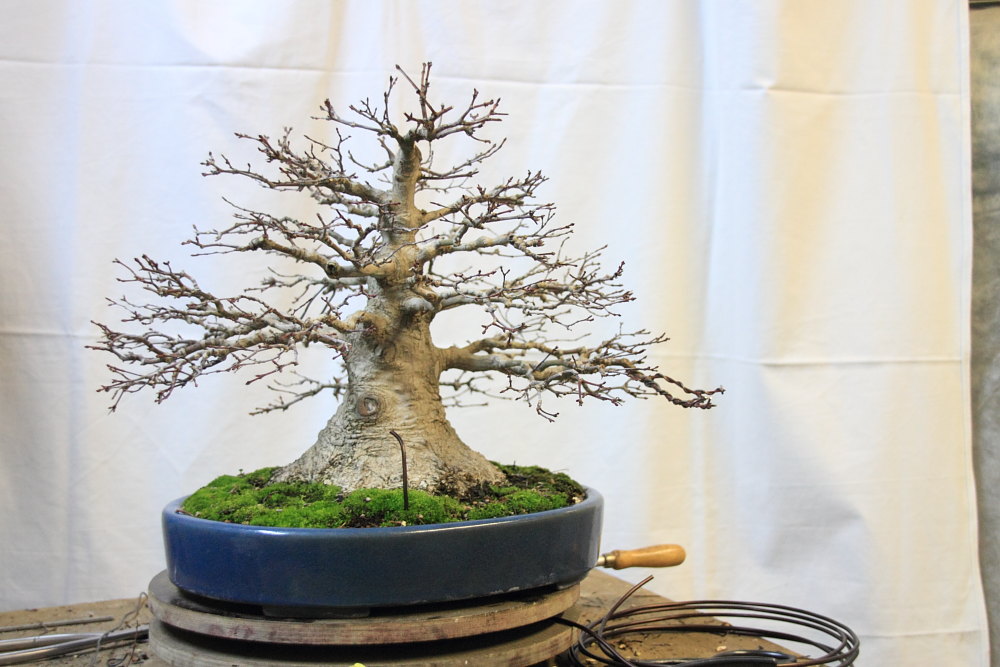
IMG_0072 Chinese Elm, In training since 1946, Donated by Yee-sun Wu.IMG_0073 Bald Cypress, In training since 1972, Donated by Vaughn Banting.
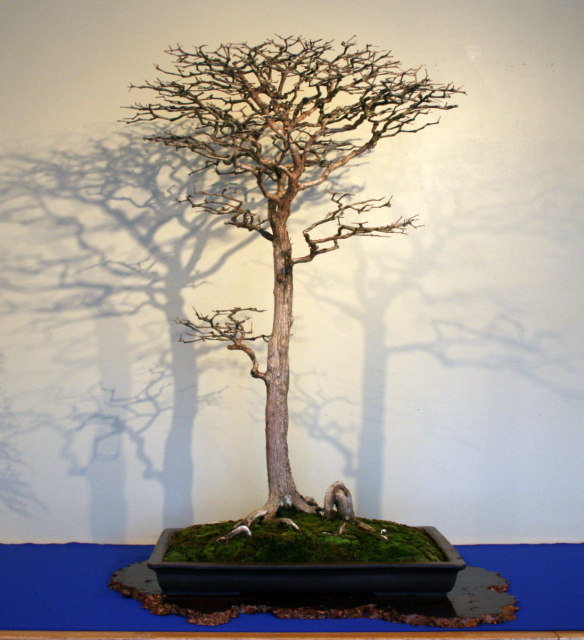
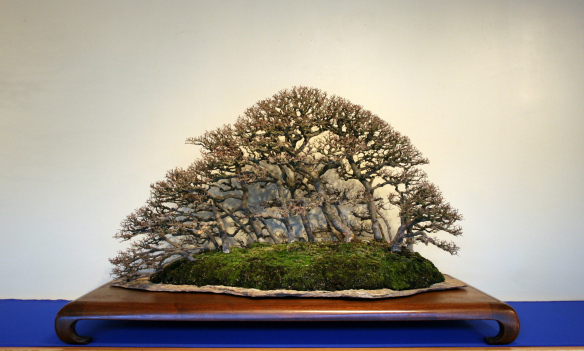
IMG_0074 Chinese Elm, In training since 1970, Donated by Marybel Balendonck.
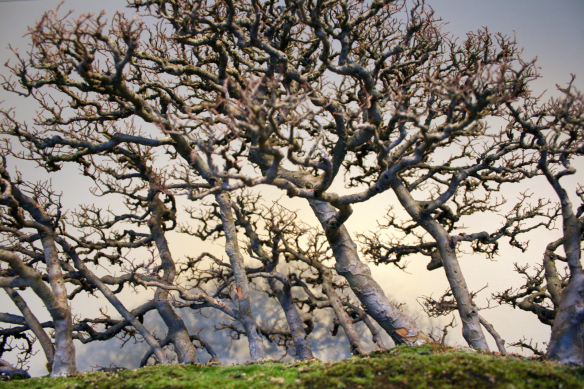
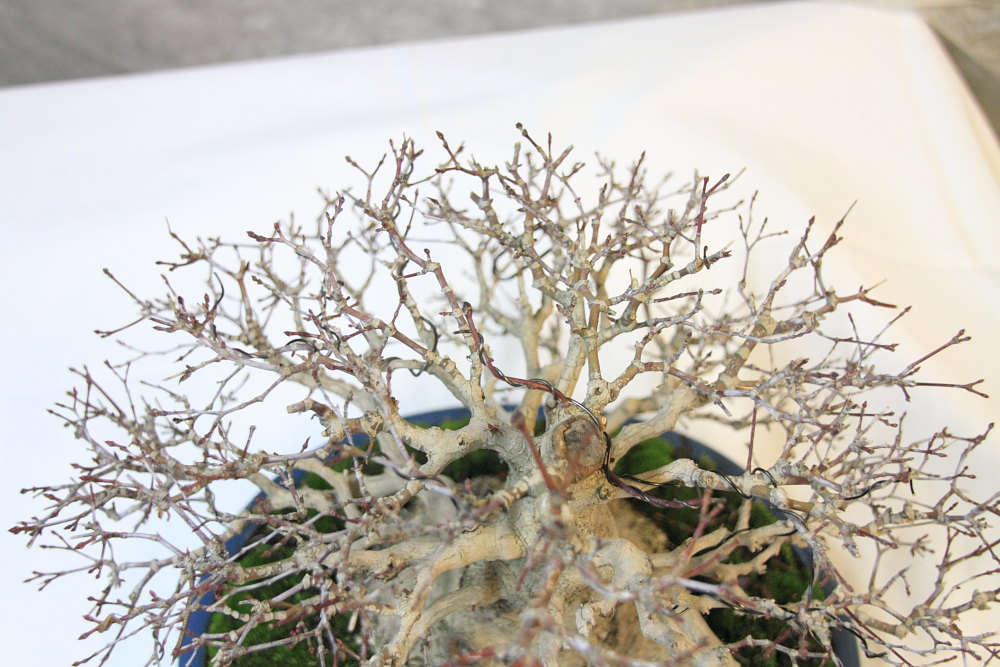
IMG_0075 Branch detail.

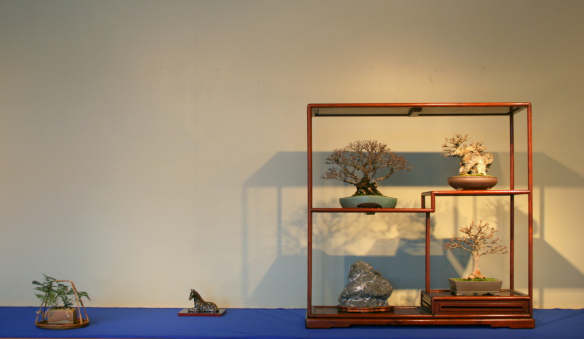
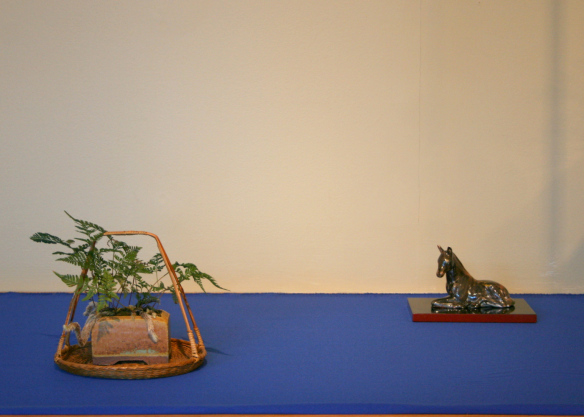
IMG_0077 Year of the Horse shohin display.

IMG_0078 Rabbit foot fern, container by Lang

View original post 93 altre parole

A visit to Shunka-en

Avatar di brendenstudiobrendenstudio

The second stop on our garden tour was to Kunio Kobayashi’s bonsai garden, Shunka-en. Located just outside Tokyo (and a fair drive from Kimura’s garden) it was begun by his father some seventy years ago. The garden was the largest I’d seen that day and very impressive. We were greeted by trees before we ever set foot in the garden–they were even on the roof!

Roof garden

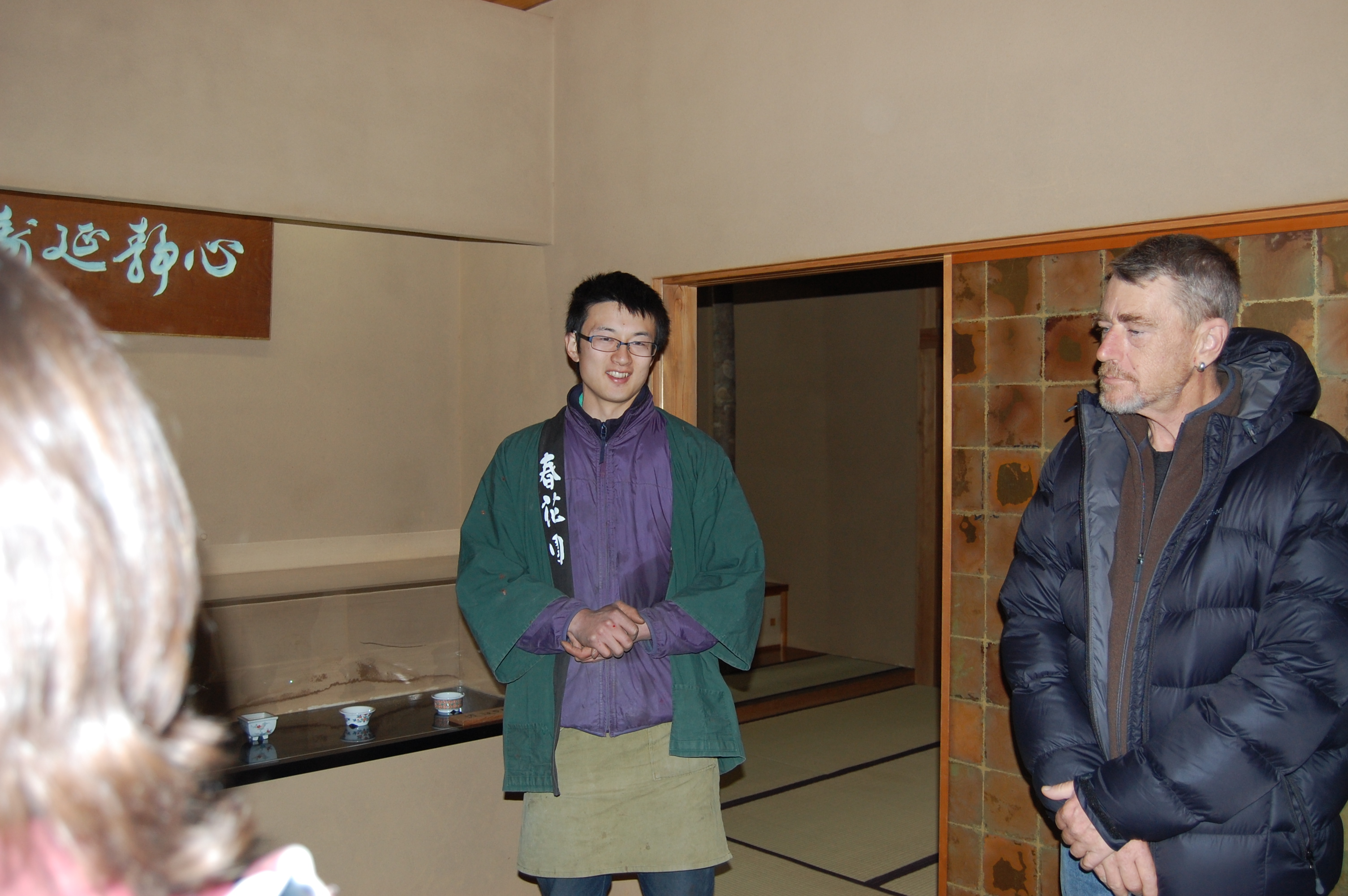
Once inside the gate, we were ushered past familiar, famous old junipers and pines to the indoor Tokonoma display area by our guide, whose name I forgot, but has been an apprentice there for two years now and speaks excellent English.

Our guide

The first display featured an Ume, or Japanese flowering plum, one of the first trees to flower in early spring:

Ume

The next display featured a Japanese black pine with a cascading branch and the elements of display suggesting water as the black pine grows…

View original post 743 altre parole
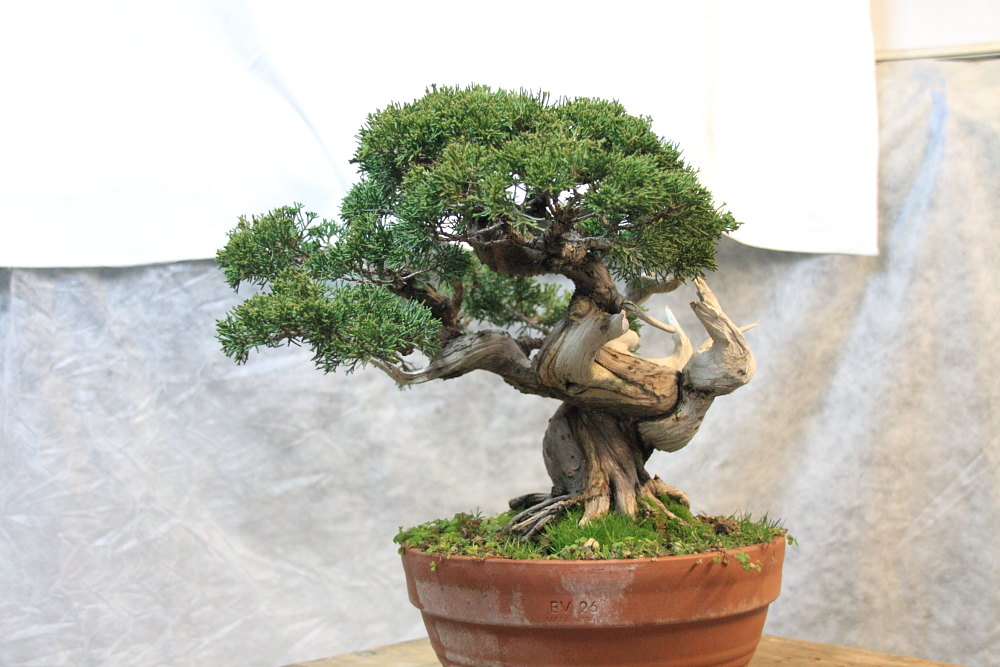
Boschetto di aceri palmati… “di recupero”

Ottimo lavoro

Avatar di francescobanfiLe mie esperienze

E’ un po’ che cerco di capire come fare un boschetto che possa essere ‘più giusto possibile’… e così quando capita recupero piante e piantine a destra e a manca oltre che mettere talee un po’ ovunque (vasi ad hoc, vasi di altre piante… e difatti non è così infrequente trovare mie piante con qualche ‘intruso’); i grossi limiti di questa ‘opera di acquisizione’ sono:

  • lo spazio necessario per tenere tutti i vasi
  • non sempre le piante sono nel medesimo substrato piuttosto che quello con cui sono più abituato… ne consegue che il tutto richiede qualche attenzione in più
  • la proporzione delle piante (difficilmente ci sono ‘leader perfetti’… oppure manca i movimento corretto per armonizzare il più possibile la futura composizione…)
  • talvolta in specie così belle, ma anche così varie è difficile avere tante piante della stessa varietà.

Il 23 febbraio 2014 ho deciso di ridurre il numero di vasi…

View original post 584 altre parole
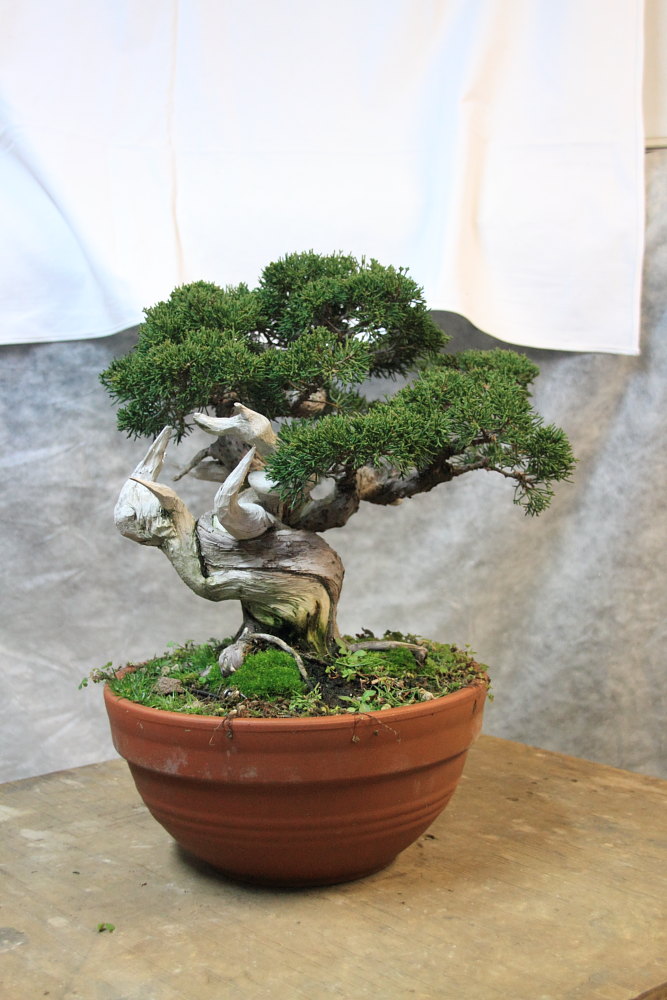
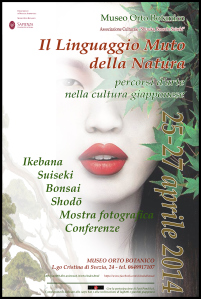
Il Linguaggio Muto della Natura

Avatar di Luca RamacciottiLuca Ramacciotti - Sogetsu Concentus Study Group

Il Linguaggio Muto della Natura

(25-27 Aprile 2014 Museo Orto Botanico Largo Cristina di Svezia, 24 Roma)

L’innovazione di una mostra parte dal suo titolo. La natura non è silenziosa, i suoi fruscii, gorgoglii, schianti son ben udibili, ma ha un modo di rapportarci a noi senza parole, in un mutismo di contemplazione arriviamo a comunicare, dobbiamo non fare silenzio, ma annullare qualsiasi suono per poter entrare in comunicazione con le piante (bonsai), le ossa della natura (suiseki), i sorrisi che essa ci dona (fiori).

Ed ecco che viene organizzata questa stupenda mostra dove per la prima volta i Bonsai, i Suiseki e l’Ikebana germoglieranno assieme come un dono verso i visitatori. Dono magnificamente “incartato” dalle opere di shodo.

Quando lo scorso anno Cosimo Pepe e Paco Donato proposero questa avventura l’entusiasmo nostro fu immediato. Una sfida non indifferente per noi ikebanisti dato che allestiremo tre spazi all’ingresso oltre ad una mostra delle nostre allieve…

View original post 463 altre parole

Ueno Green Club Sales Area

Avatar di William N. ValavanisValavanis Bonsai Blog

Image


Image

The sales area is a major part of most bonsai gatherings. The sale of bonsai, suiseki and other accessories for the training and appreciation of the arts is necessary for the professional bonsai artists.

The Nippon Bonsai Cooperative is the professional organization for bonsai artists and growers. A small corner lot, near the Ueno Park Zoo has been leased to the Nippon Bonsai Cooperative for many decades at a low rental price. Across the street is the headquarters for the Nippon Bonsai Association, which is a different organization from the professionals.

Approximately 20 years ago the Nippon Bonsai Cooperative organization removed the old low buildings and constructed a new, state of the art multi purpose, three story building for sales, exhibitions, meetings and judging for the Kokufu Bonsai Exhibitions. Each of the professional bonsai artists/growers was accessed a certain percentage of the building costs and they are all stockholder…

View original post 429 altre parole
2014 88th Kokufu Bonsai Exhibition– Part 2

Avatar di William N. ValavanisValavanis Bonsai Blog

Image

Image

Image

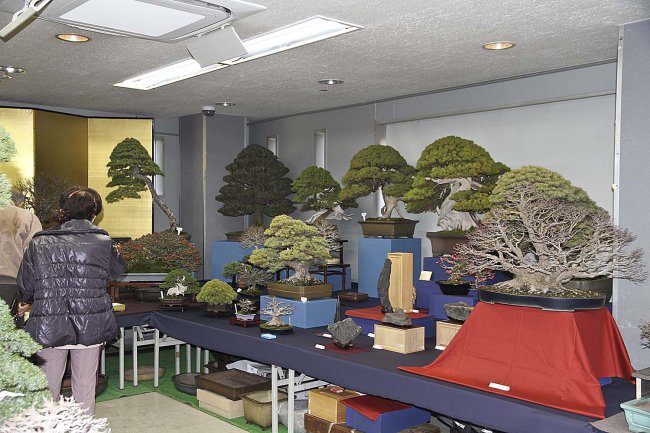
On Sunday, February 9, 2014 Part 2 of the 88th Kokufu Bonsai Exhibition opened in the Tokyo Metropolitan Art Museum in Ueno Park. On Saturday all of the nearly 300 bonsai were removed and replaced with new masterpieces. Now, I’ve been at more Kokufu Bonsai Exhibitions than I remember and I’m still amazed at the number of new bonsai which are displayed each year. There are a few repeats, but most of the trees are new. I wonder how many masterpieces are out there in Japan, but remember, new specimens are always being created while old masterpieces pass on.
Part 2 also had 170 displays, 26 important bonsai masterpieces and 55 medium size bonsai. There were again only 5 shohin bonsai compositions. The judges selected 6 Kokufu prize bonsai for Part 2.

 Image

Kokufu Sho Award, Japanese five-needle pine, Pinus parviflora


Image

Kokufu Sho Award, Japanese black pine, Pinus…

View original post 281 altre parole