

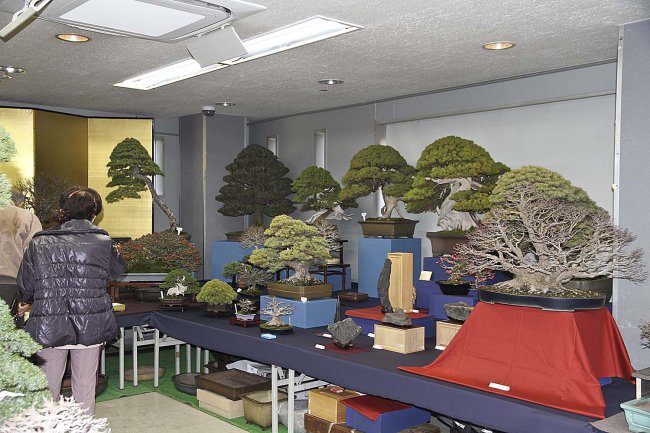

The sales area is a major part of most bonsai gatherings. The sale of bonsai, suiseki and other accessories for the training and appreciation of the arts is necessary for the professional bonsai artists.
The Nippon Bonsai Cooperative is the professional organization for bonsai artists and growers. A small corner lot, near the Ueno Park Zoo has been leased to the Nippon Bonsai Cooperative for many decades at a low rental price. Across the street is the headquarters for the Nippon Bonsai Association, which is a different organization from the professionals.
Approximately 20 years ago the Nippon Bonsai Cooperative organization removed the old low buildings and constructed a new, state of the art multi purpose, three story building for sales, exhibitions, meetings and judging for the Kokufu Bonsai Exhibitions. Each of the professional bonsai artists/growers was accessed a certain percentage of the building costs and they are all stockholder…
View original post 429 altre parole


On Sunday, February 9, 2014 Part 2 of the 88th Kokufu Bonsai Exhibition opened in the Tokyo Metropolitan Art Museum in Ueno Park. On Saturday all of the nearly 300 bonsai were removed and replaced with new masterpieces. Now, I’ve been at more Kokufu Bonsai Exhibitions than I remember and I’m still amazed at the number of new bonsai which are displayed each year. There are a few repeats, but most of the trees are new. I wonder how many masterpieces are out there in Japan, but remember, new specimens are always being created while old masterpieces pass on.
Part 2 also had 170 displays, 26 important bonsai masterpieces and 55 medium size bonsai. There were again only 5 shohin bonsai compositions. The judges selected 6 Kokufu prize bonsai for Part 2.

Kokufu Sho Award, Japanese five-needle pine, Pinus parviflora

Kokufu Sho Award, Japanese black pine, Pinus…
View original post 281 altre parole

History was made on February 9-13, 2014 when the newly reorganized Nippon Suiseki Exhibition held the first ever suiseki exhibition at the Tokyo Metropolitan Art Museum. Under the leadership of Kunio Kobayashi (Chairman) and Seiji Morimae (Secretary General), the event was held concurrently during Part 2 of the Kokufu Bonsai Exhibition so people could enjoy both arts in one venue (separate floor galleries). This brings a new era to the combination, appreciation and promotion of bonsai and suiseki.


As often the case, the opening ceremony was a colorful event with a few speeches from prominent figure heads and officers. Seiji Morimae was the MC and did an excellent job keeping the event moving along. After the formal ribbon cutting ceremony they lead visitors into the four gallery exhibition containing some of the most famous suiseki in Japan including a rare treasured suiseki which has not been seen outside a Ueno…
View original post 381 altre parole
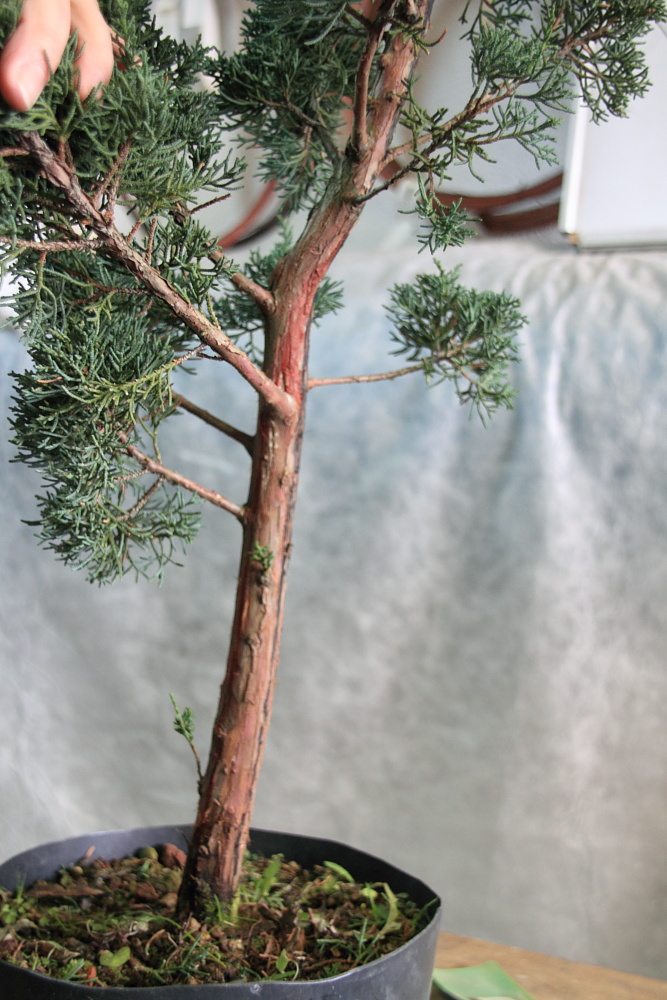
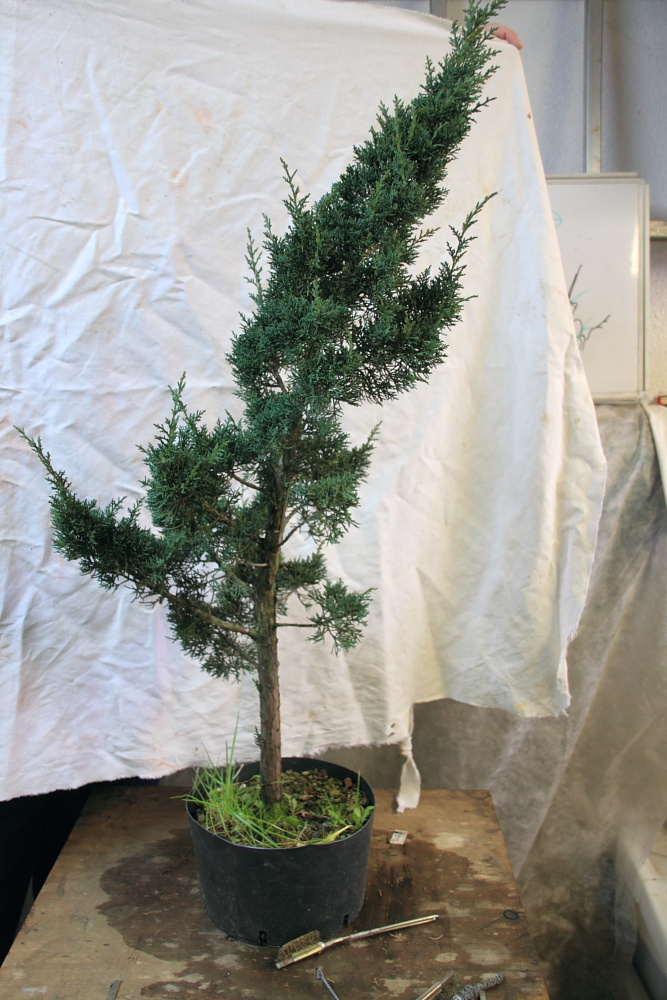 Un ginepro da talea da 20 €
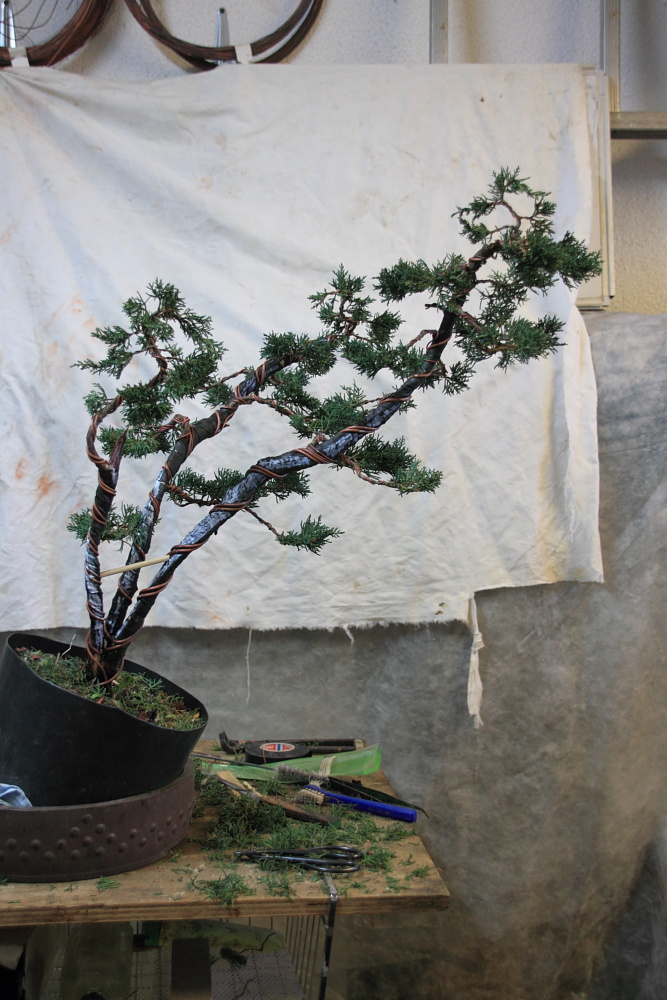 Il risultato dopo una giornata di lavoro
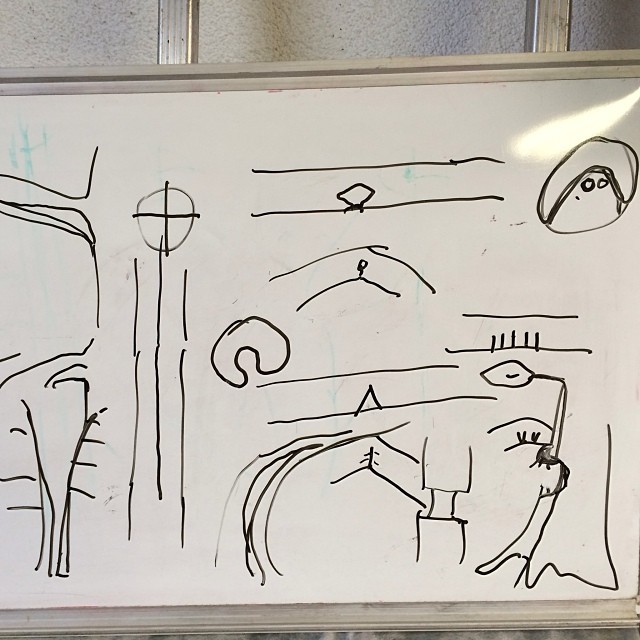
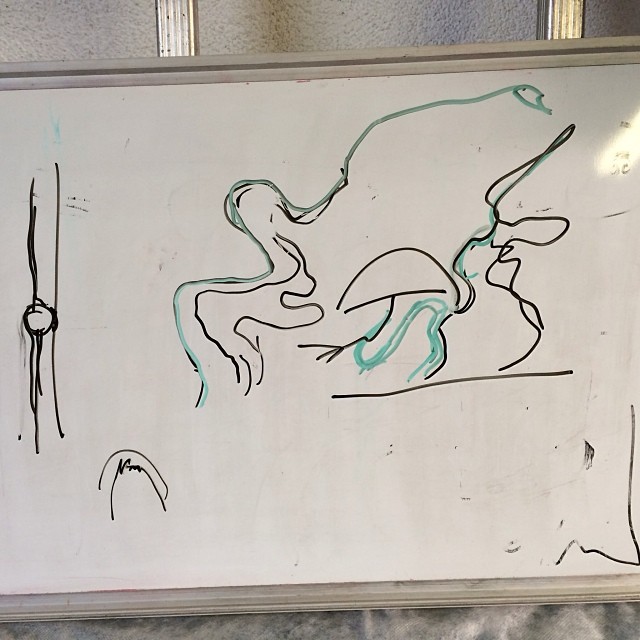 Piccola lezione sulla tecnica della separazione delle vene e i percorsi linfatici.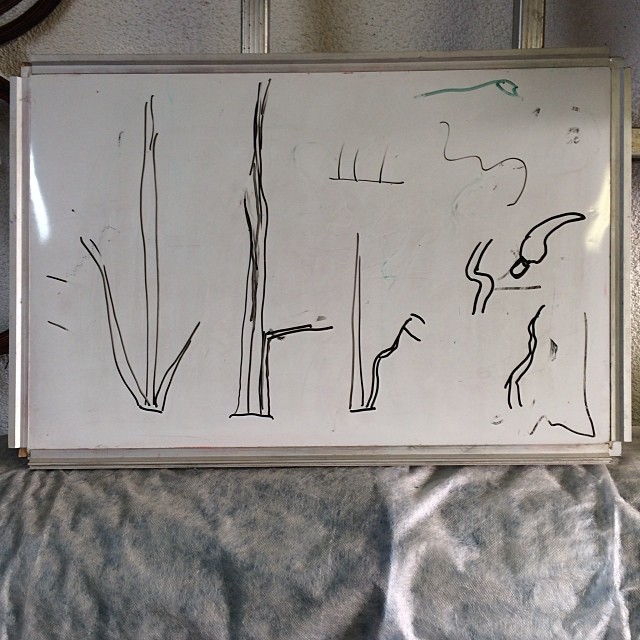
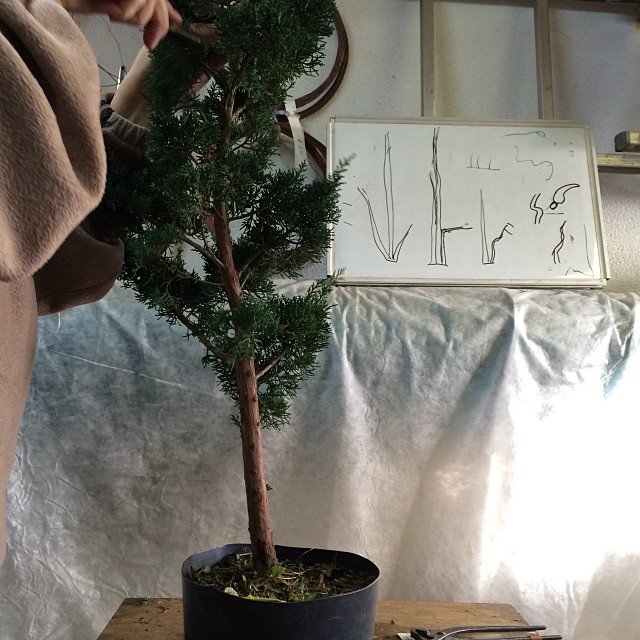
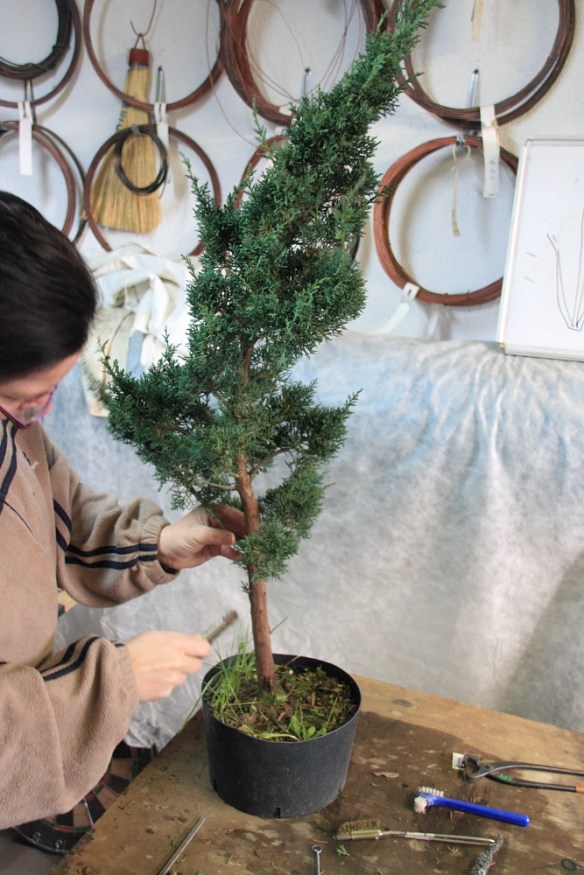 Melanie pulisce la corteccia, è importante togliere scaglie ed impurità.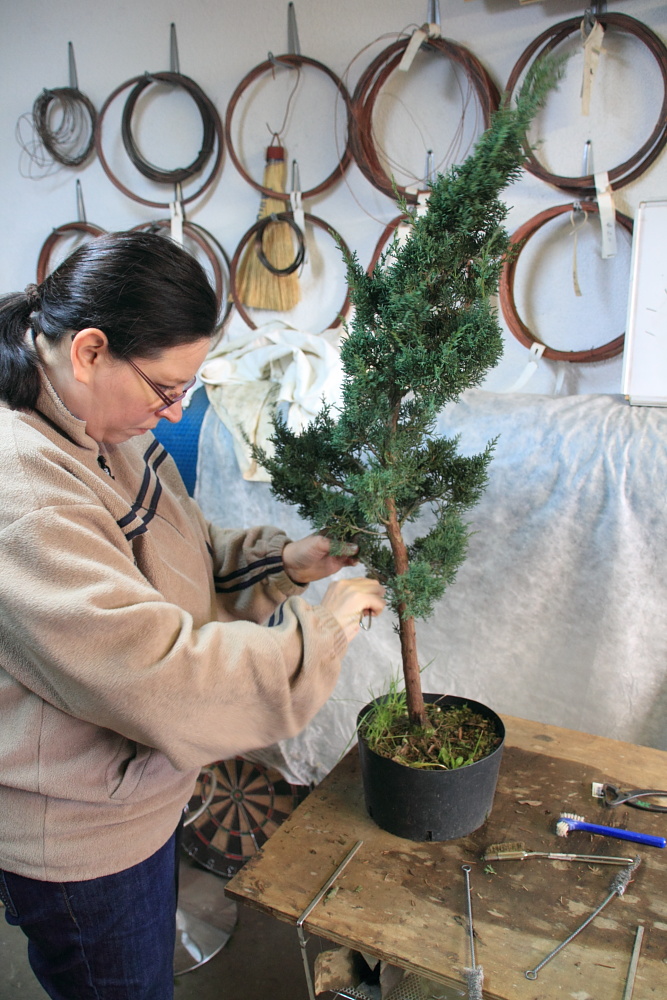
 Con un pennarello si traccia dove dovremo incidere con il fessuratore.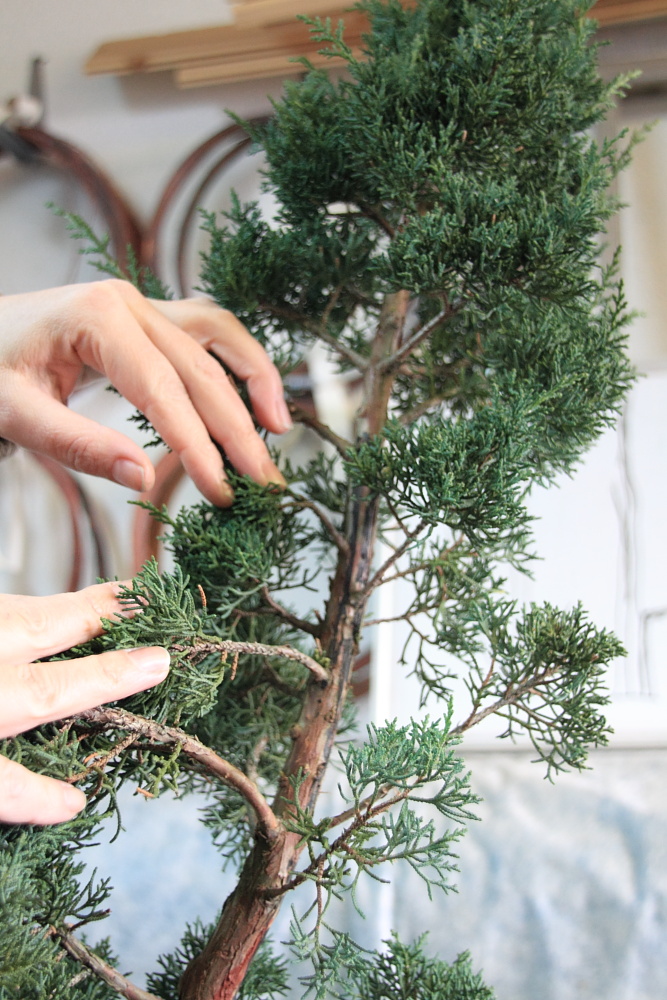
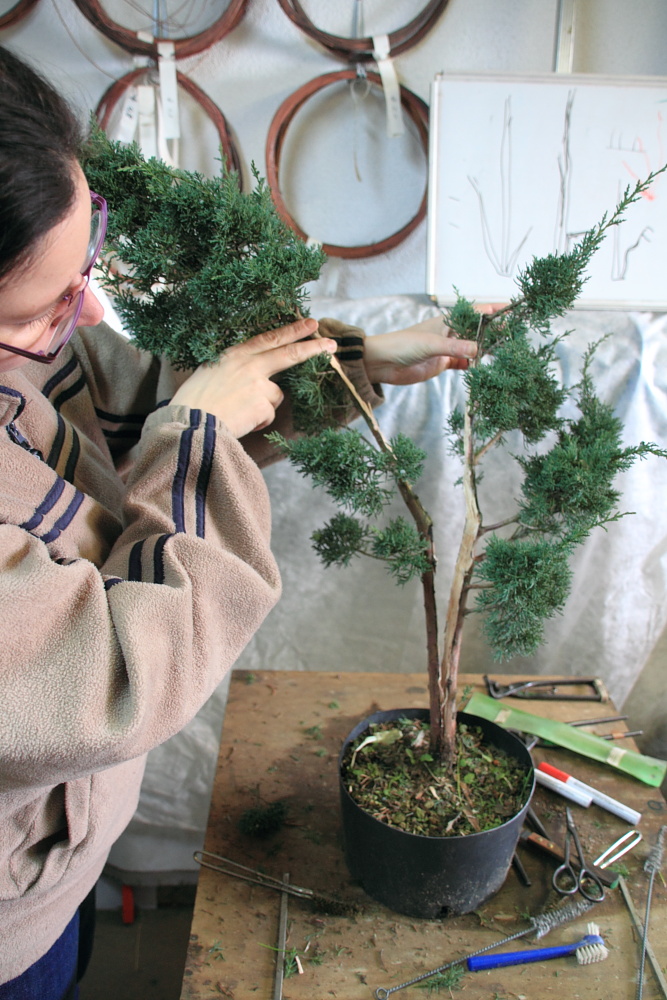 Prima suddivisione del tronco in due parti
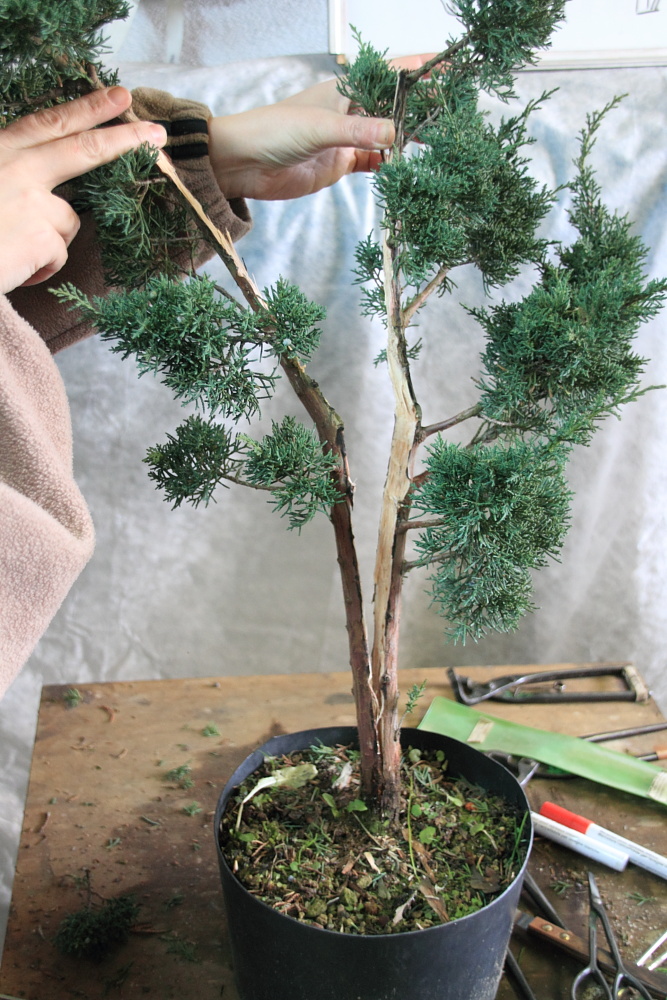 Bisogna fare attenzione a seguire le vene del legno.
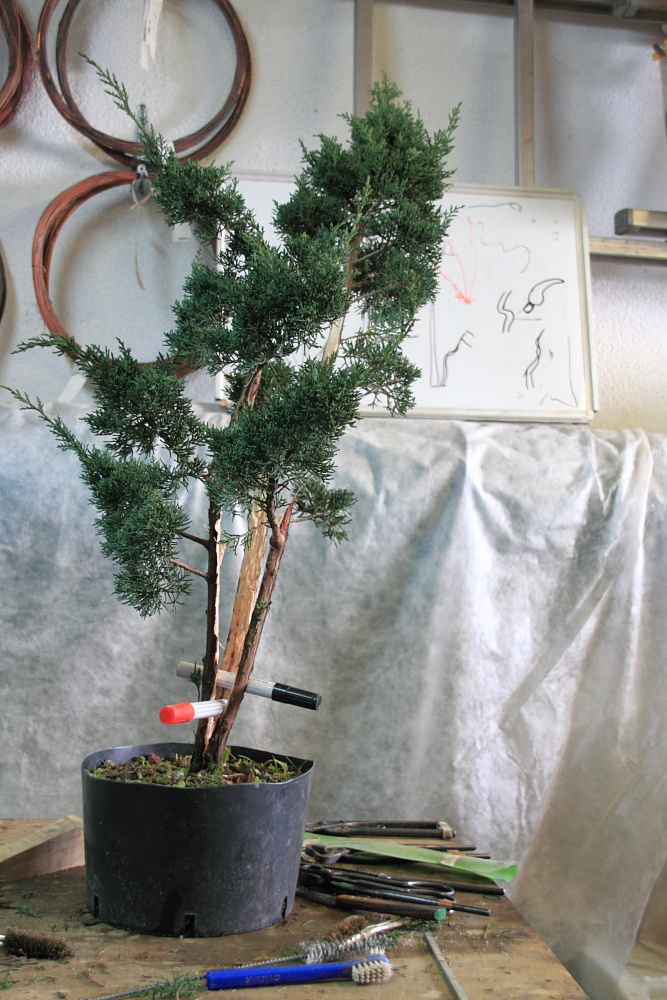 Ora il tronco è suddiviso in tre parti di differente spessore.
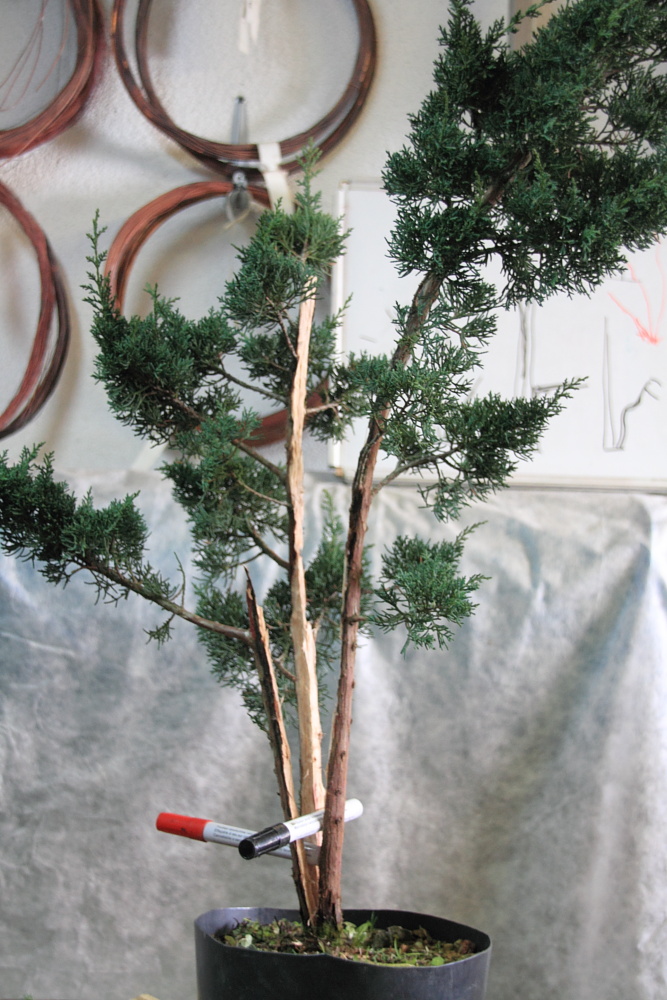
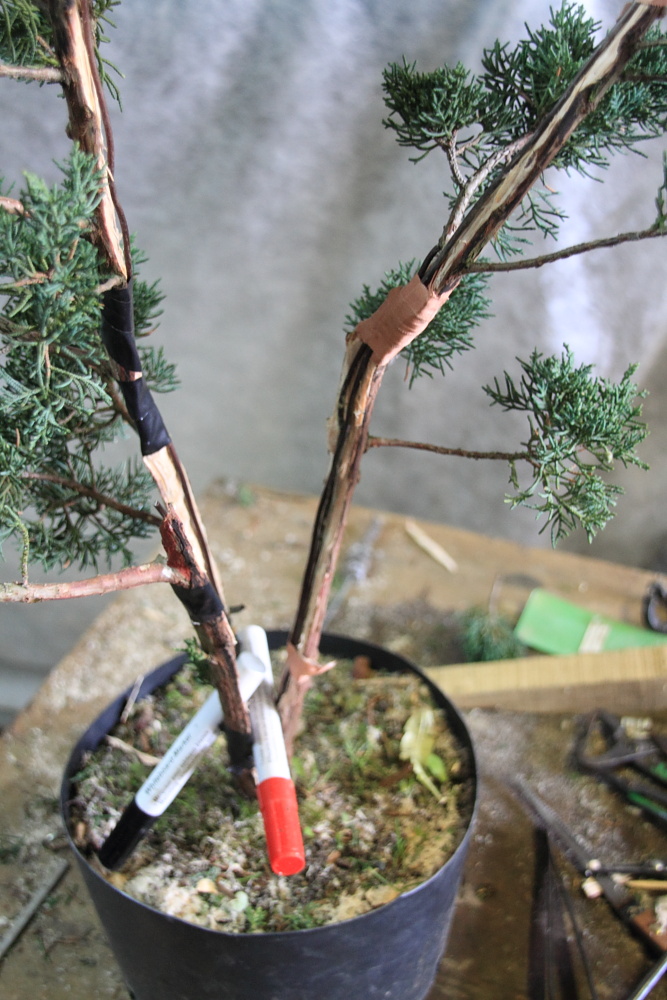 Si svuota con l’ausilio di una fresa elettrica la parte centrale del tronco. Vengono applicati anche dei tutori.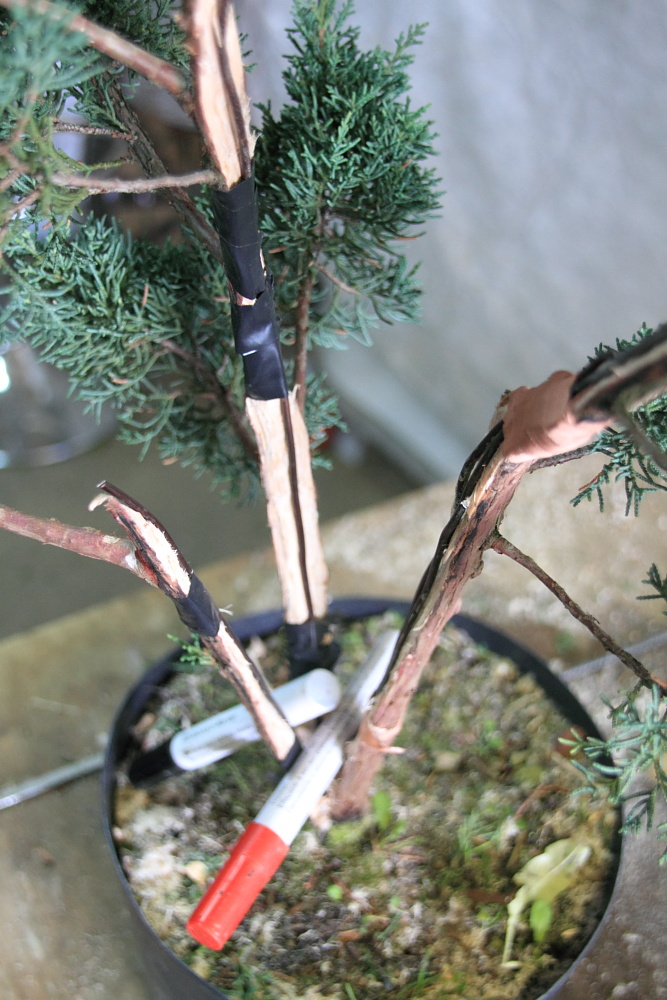
 I tre “tronchi” vengono avvolti con del nastro auto agglomerante.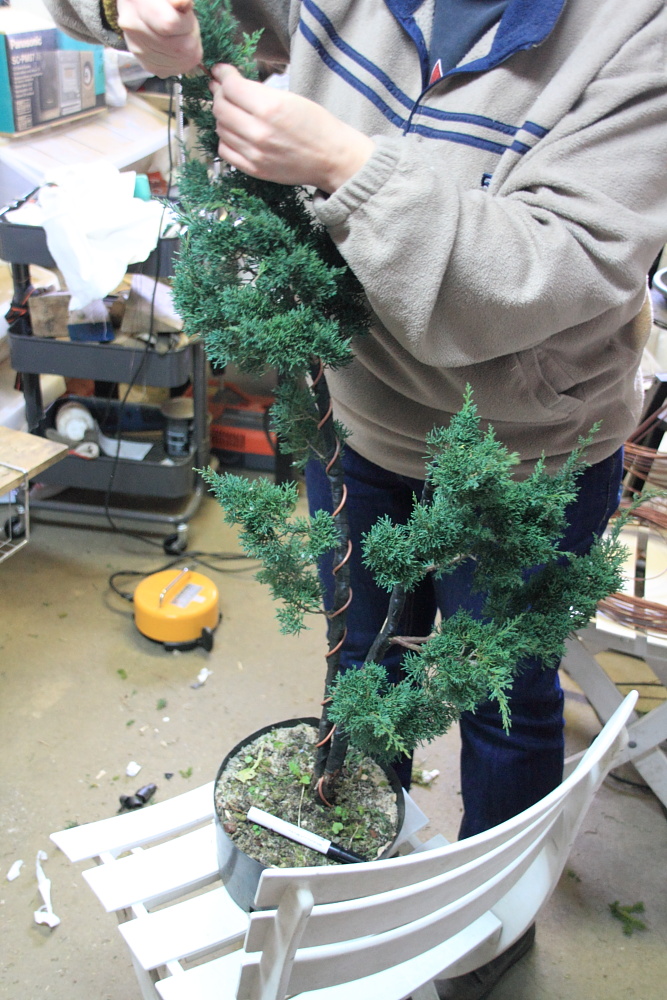
 I tre “tronchi” vengono filati con filo di rame abbastanza grosso.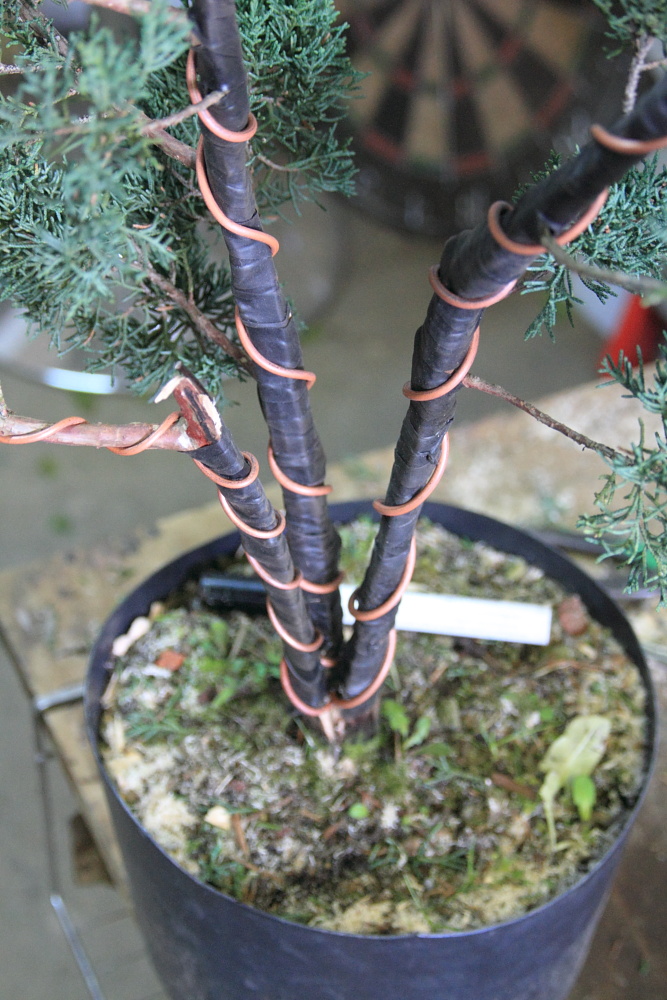
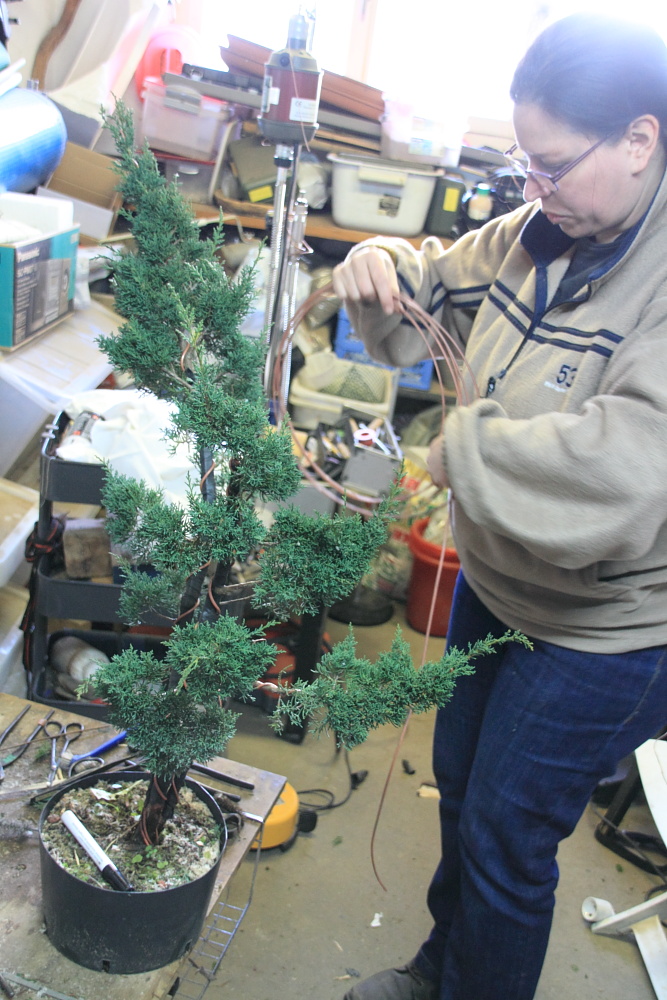
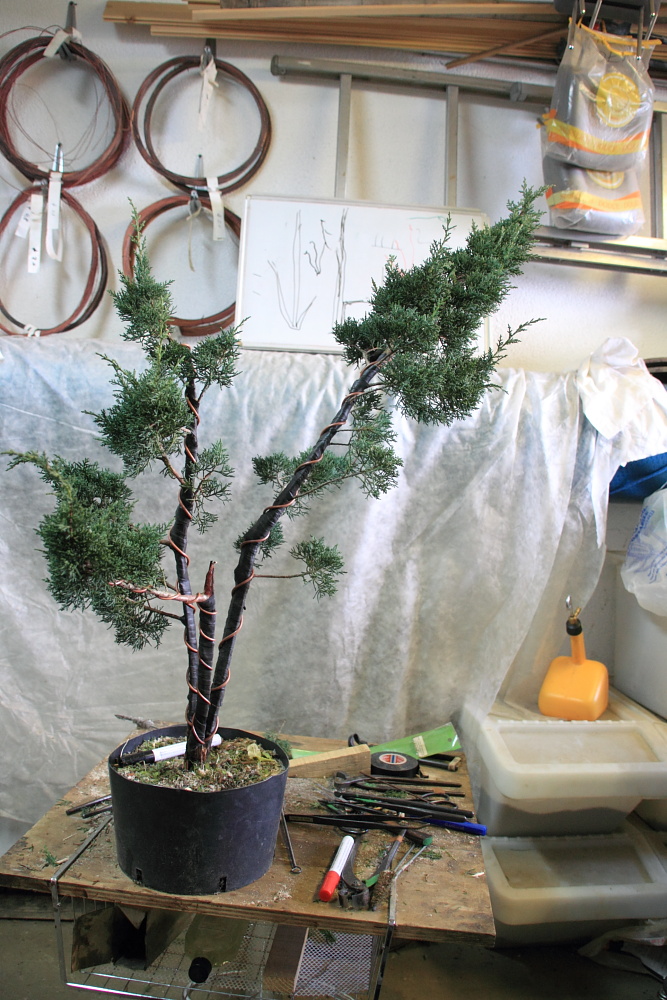
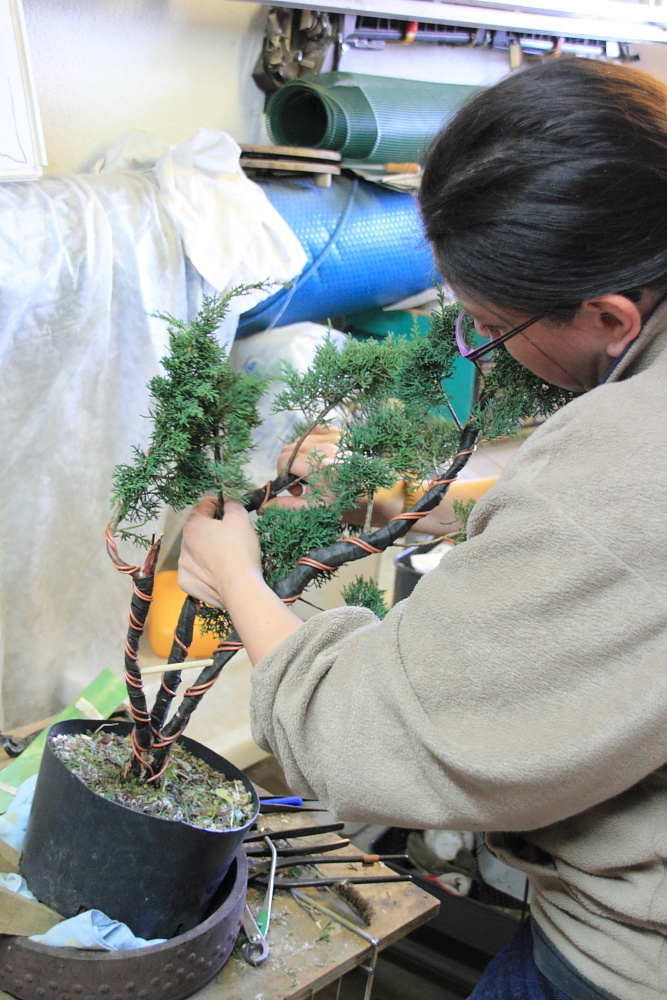 I tre “tronchi” vengono impostati creando curve dolci e sinuose.
I tronchi vengono anche ruotati sull’asse in modo che la vena e lo shari avranno un movimento a spirale.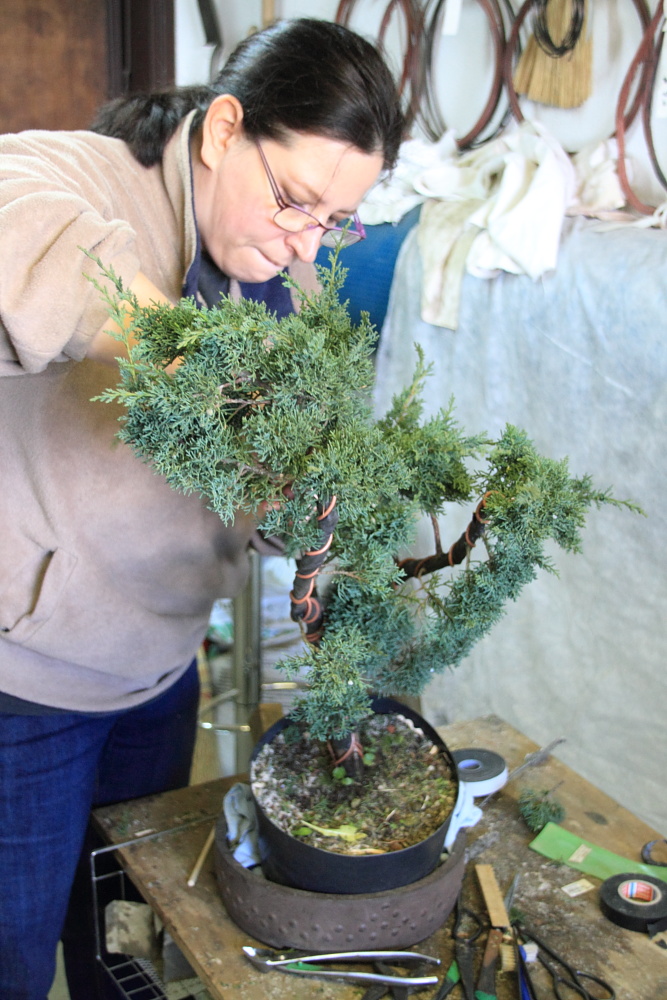

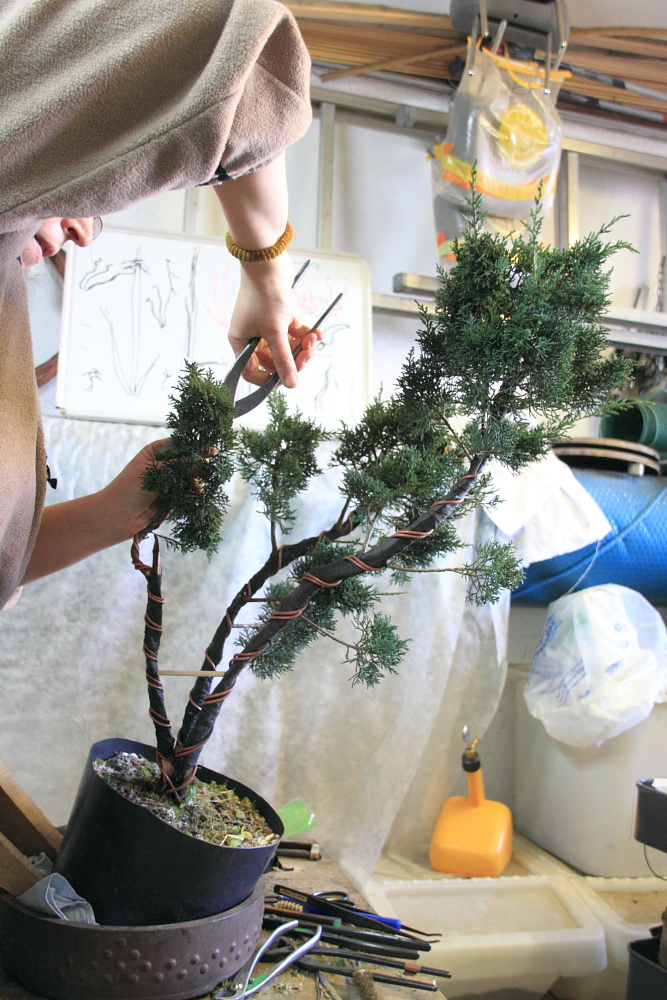
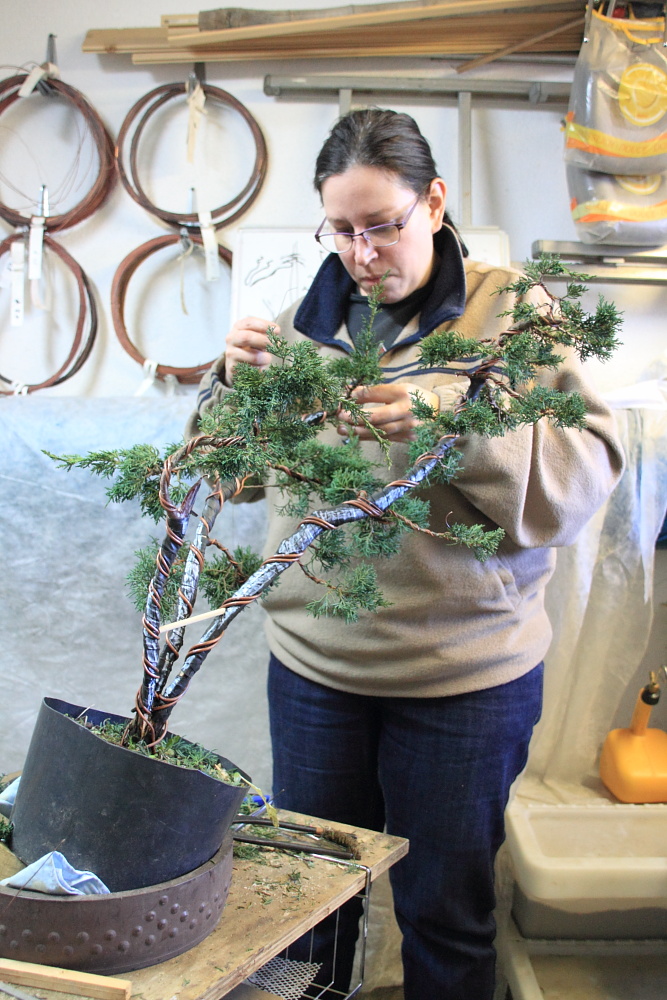
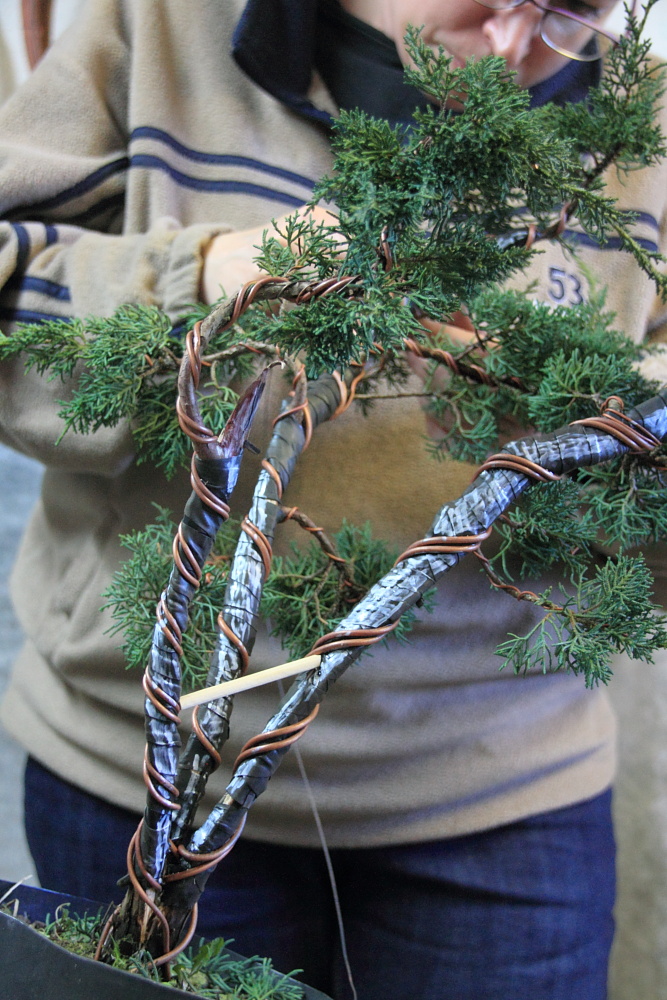
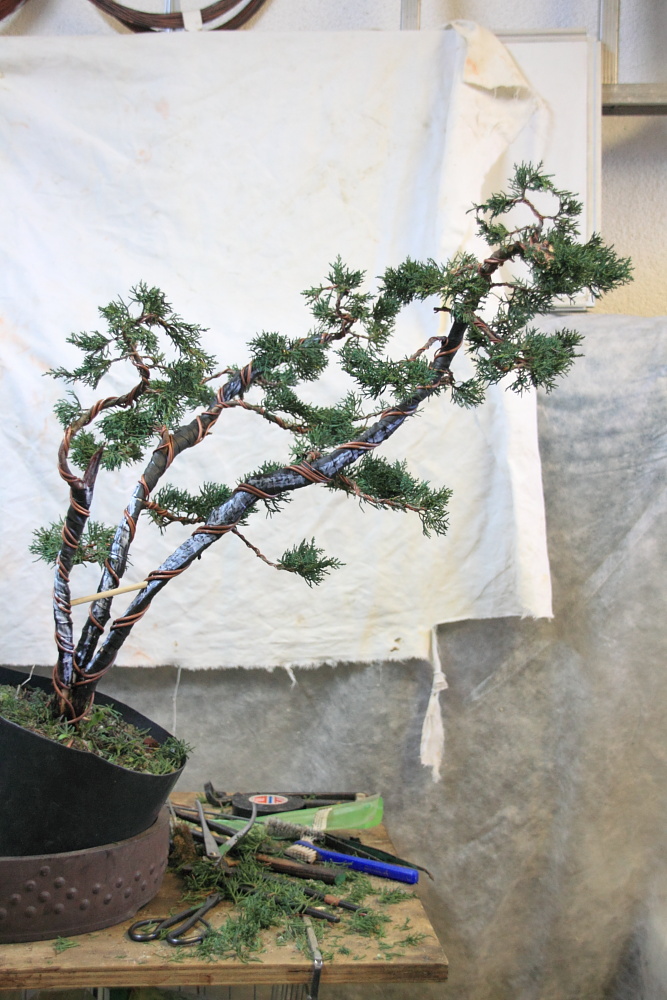 Il ginepro alla fine del primo step.
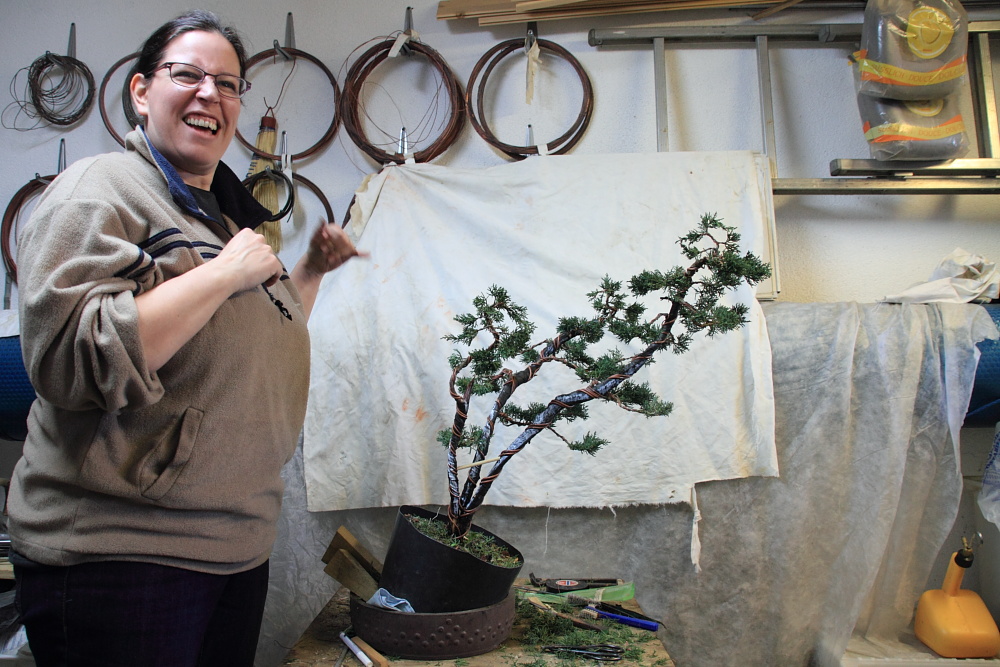
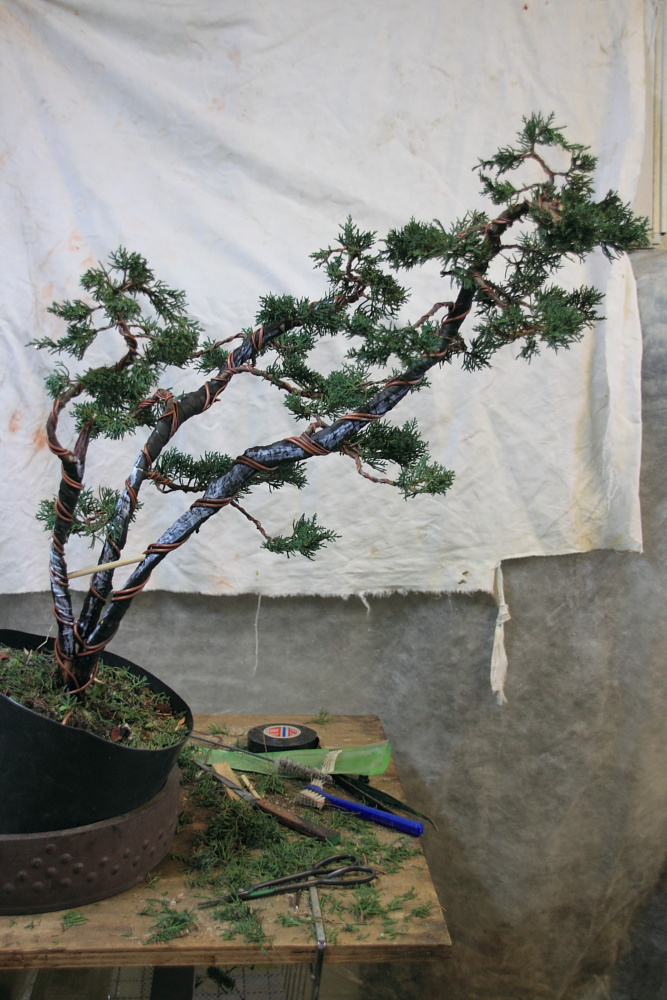
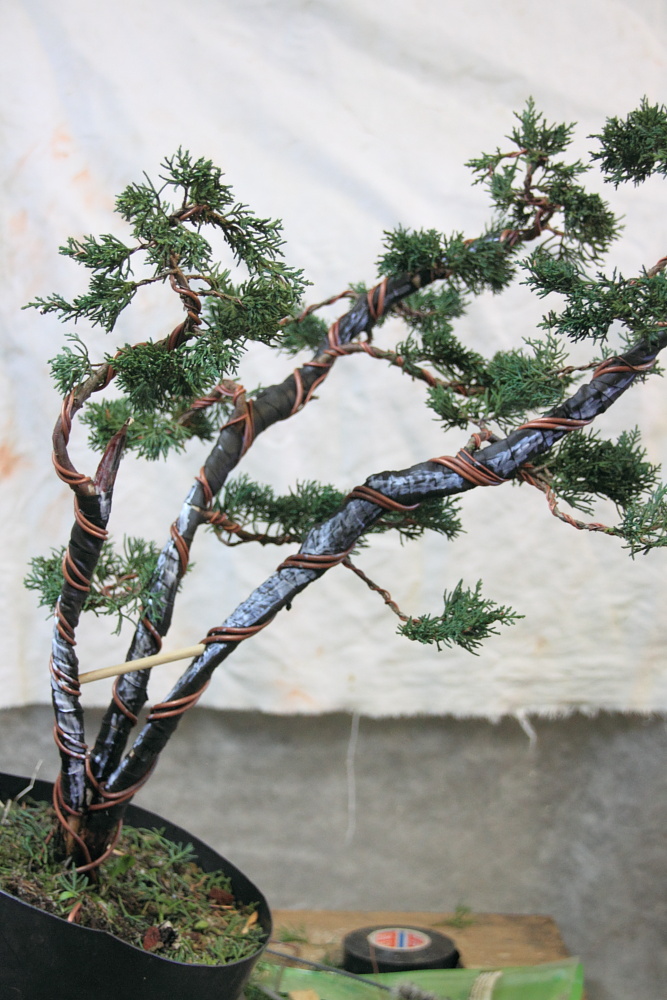
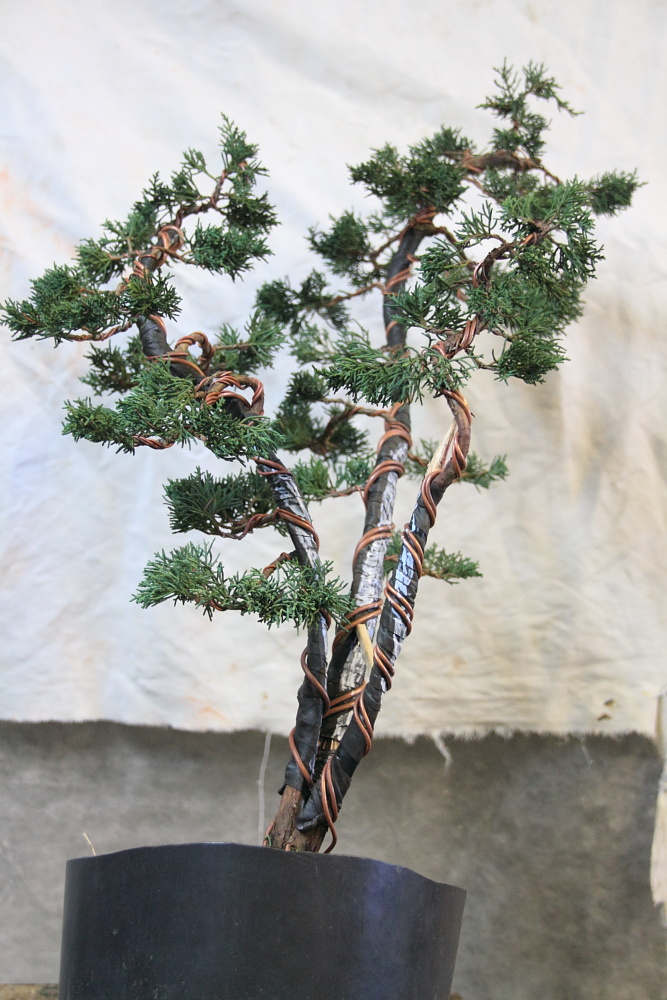 Vista laterale
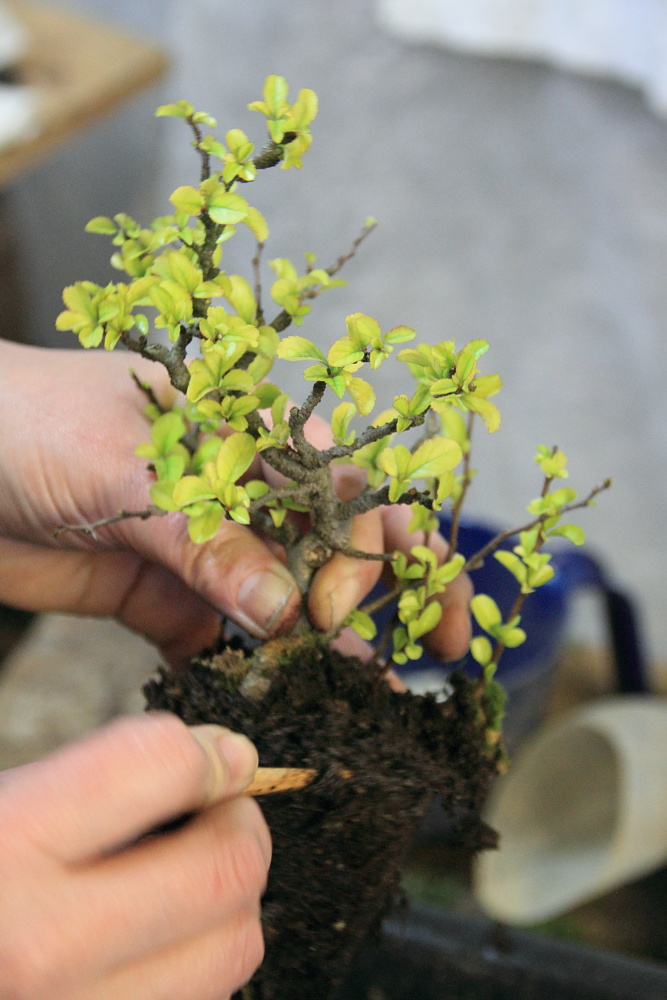 Rinvaso di un chojubai da talea.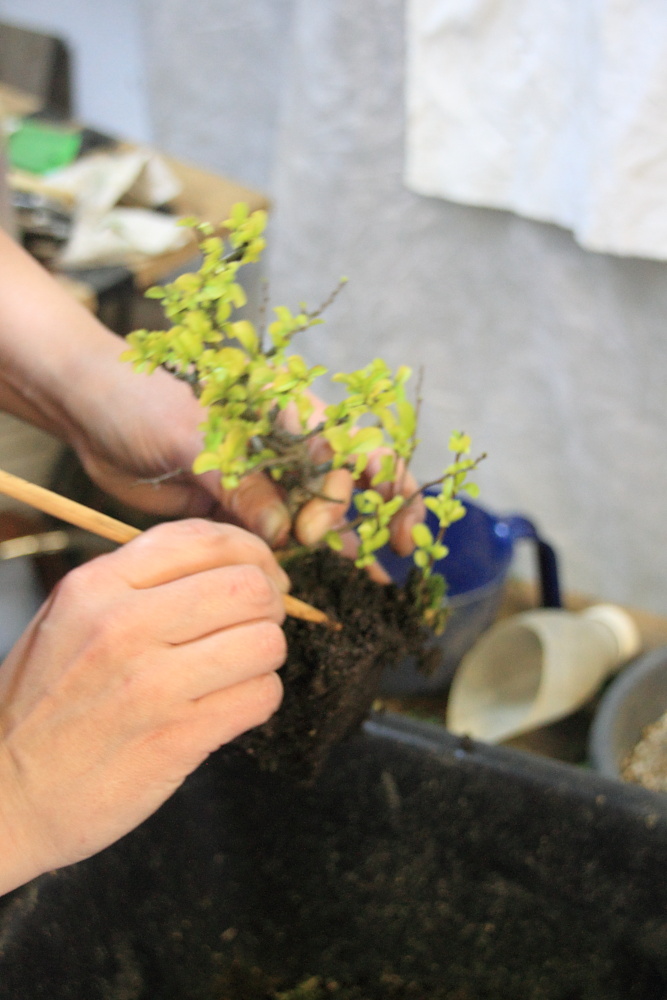
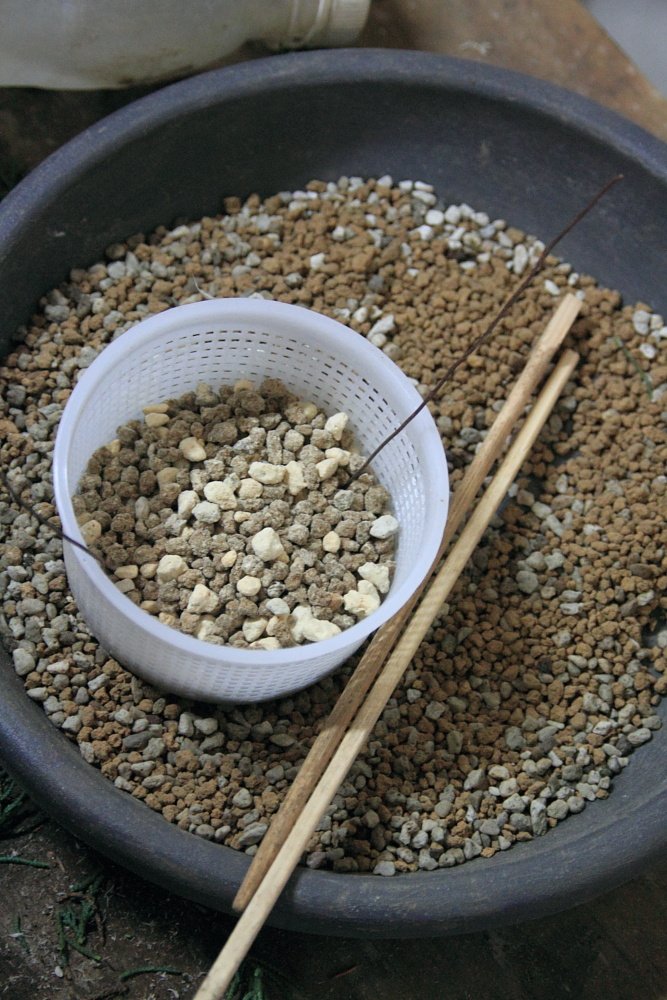
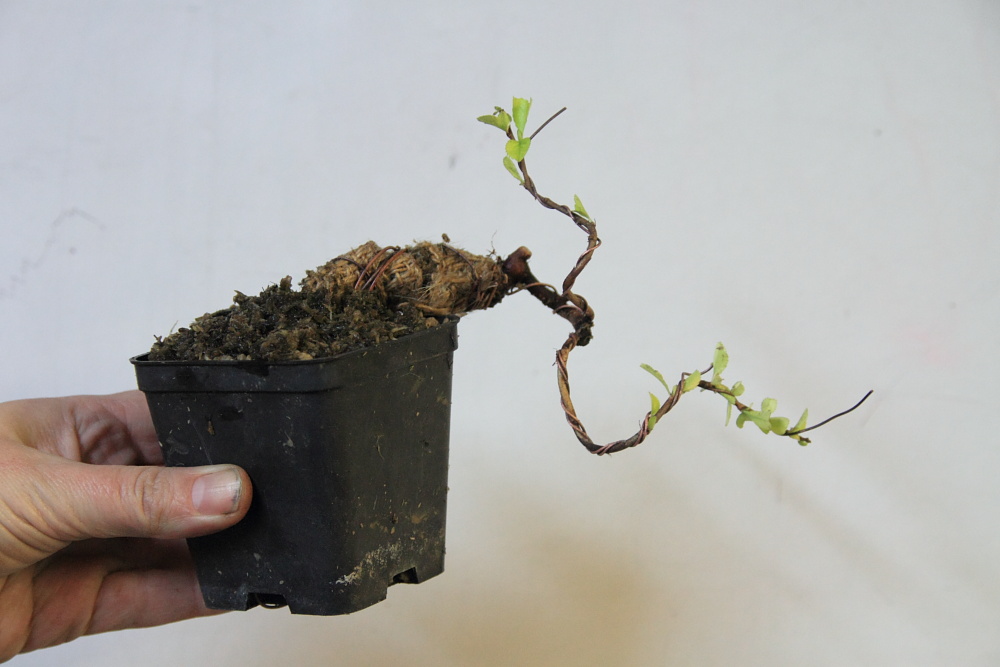
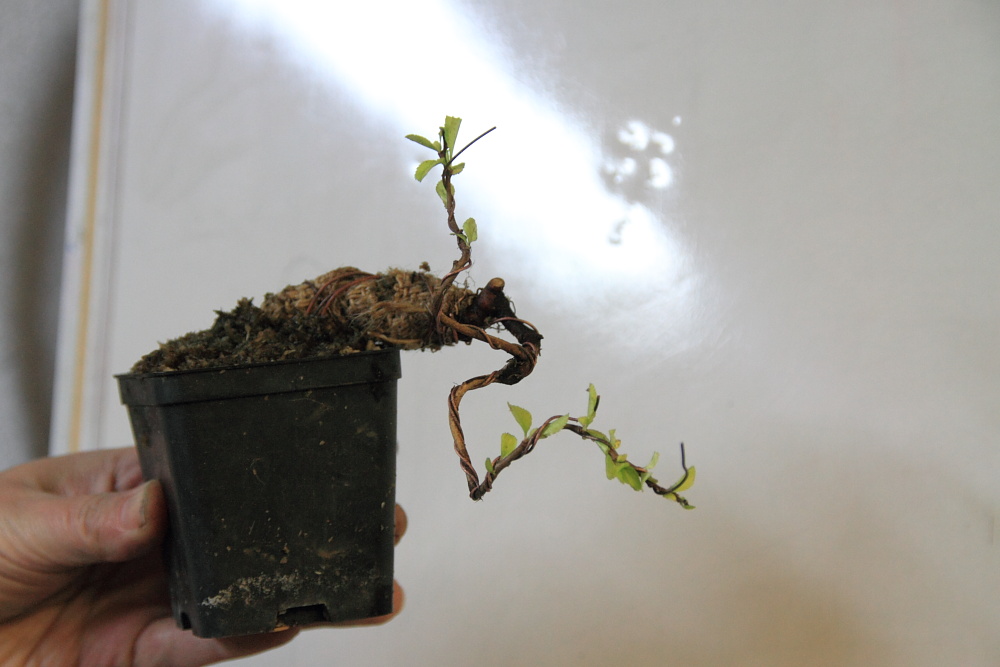
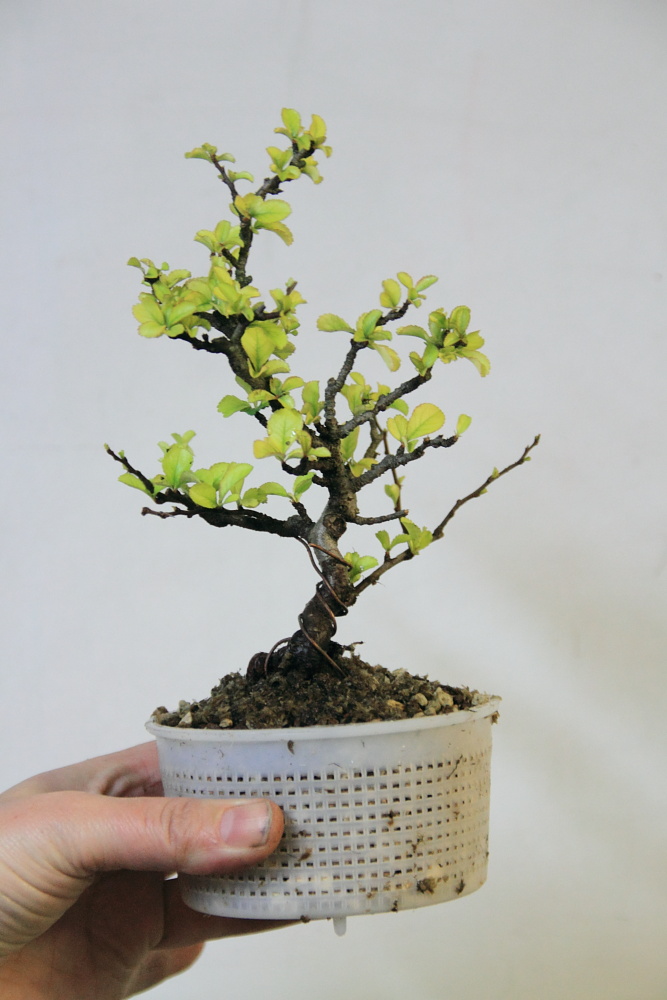
This tree has been developed over the last 12 or so years, so at this point, the goal is to refine the tree; improve the nebari, soften the rough edges, and develop the fine ramification of twiggy growth.
Last year I thread-grafted seedlings into the base to improve the nebari. In a few weeks, I’ll eagerly repot and check on the progress.
Some of the rough edges include primary branches that I didn’t adequately shorten from the jump. They’ll be replaced gradually over time. The upright above the first left branch will be the first to go, and I’m moving new, finer branches into that space. More on that another day.
The twiggy growth comes through pinching new growth early in the spring, and removing heavy, stronger shoots during the winter, when it’s easier to see.
Here are a few shoots that have grown strong, and need to be reduced…
View original post 24 altre parole

Heavy snow continues to fall in Tokyo on Saturday, it’s one of the biggest storms I’ve experienced in Japan. This would be just an ordinary snowfall for Rochester, NY, where nothing would be closed and school would go on as normal.


At breakfast I saw Michael Hagedorn with some of his students who were on their way to Obuse, near Nagano to visit Shinji Suzuki’s garden. Michael studied there about seven years ago and is returning for a few days. Mr. Suzuki is in Tokyo setting up the Kokufu Bonsai Exhibition Part 2 and the new Japan Suiseki Exhibition. Since I’ve never visited Mr. Suzuki’s garden, Marc Arpag and I immediately changed our plans and joined Michael’s group. Everyone stayed in Obuse for a few days, but Marc and I returned to Tokyo a couple of hours later.
Obuse is a few hours from Tokyo in normal weather. But this…
View original post 776 altre parole


We had a private morning visit to the Shunka-en Bonsai Museum of Kunio Kobayashi in the Edogawa area of Tokyo, Japan. Mr. Kobayashi has developed his museum to display many of his masterpiece bonsai in a garden setting as well as in formal alcoves. This is a most complete example of how bonsai can be enjoyed and appreciated in formal displays as well as illustrating the necessary outdoor environment for health and training.

In addition to having each bonsai in pristine condition, each specimen was matched to the perfect display table in size, color, design and quality. The accessories, antique containers, scrolls, as well as the display tables were all first class and of the highest quality, typical of the refinement Mr. Kobayashi enjoys and teaches.


Graduate apprentice Peter Warren from England returns back to his teacher for assistance during the busy…
View original post 563 altre parole
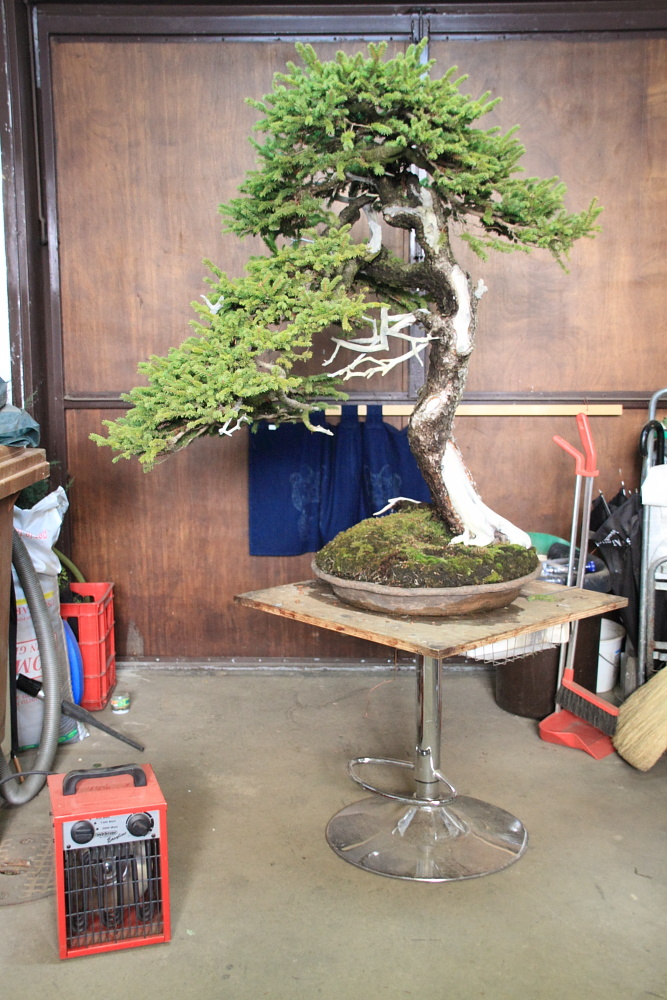
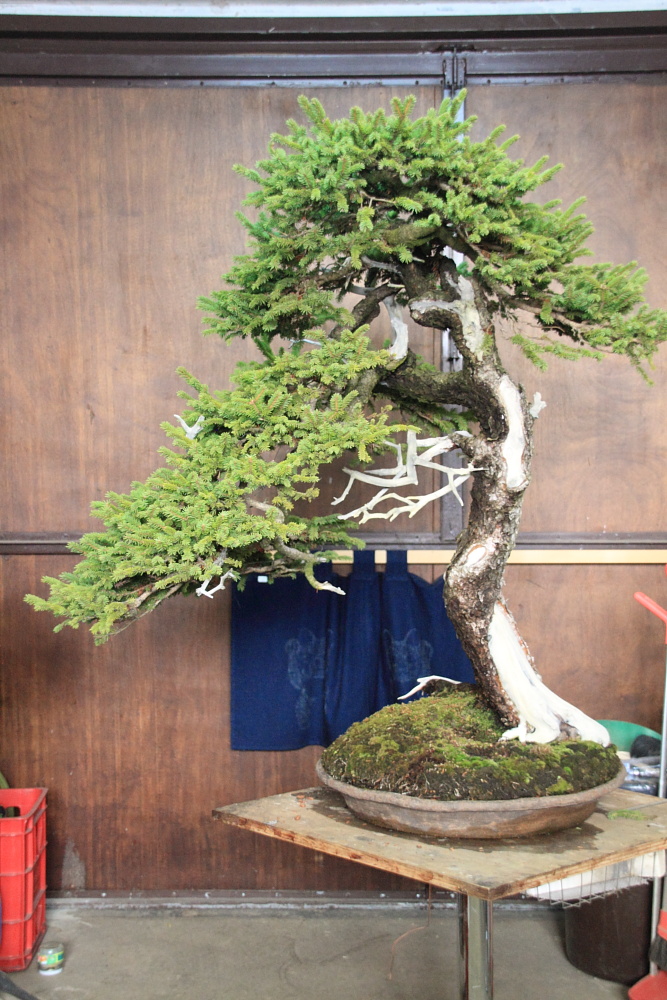

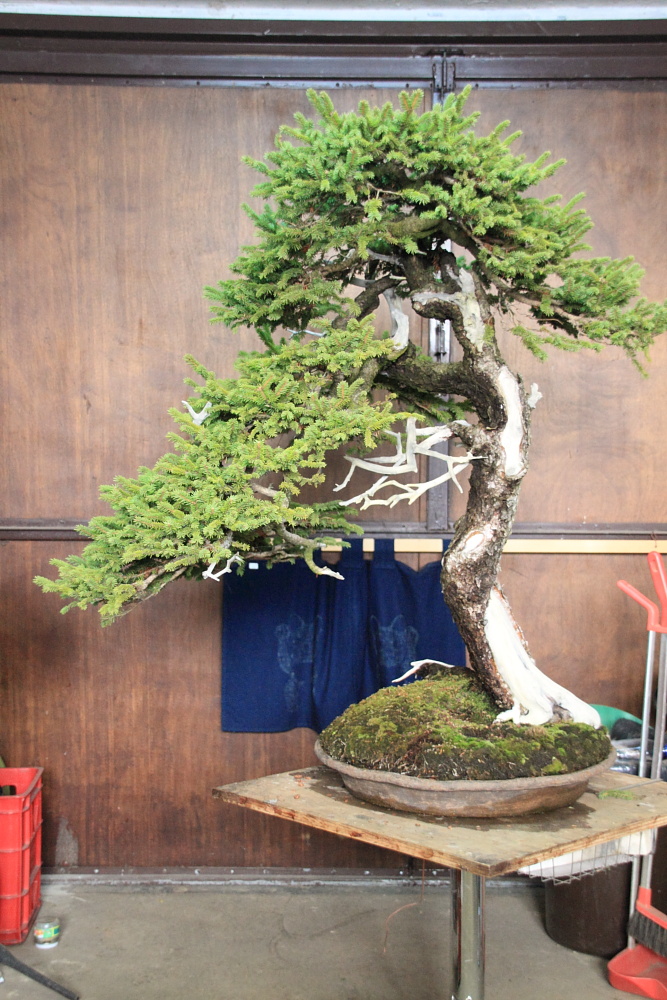

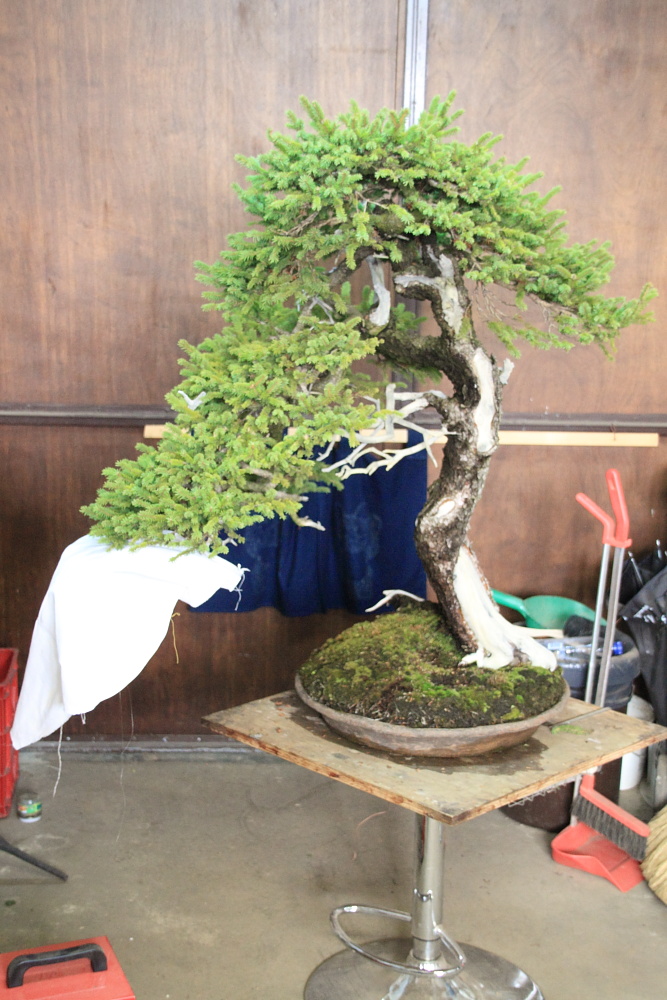 Accorciamo il primo ramo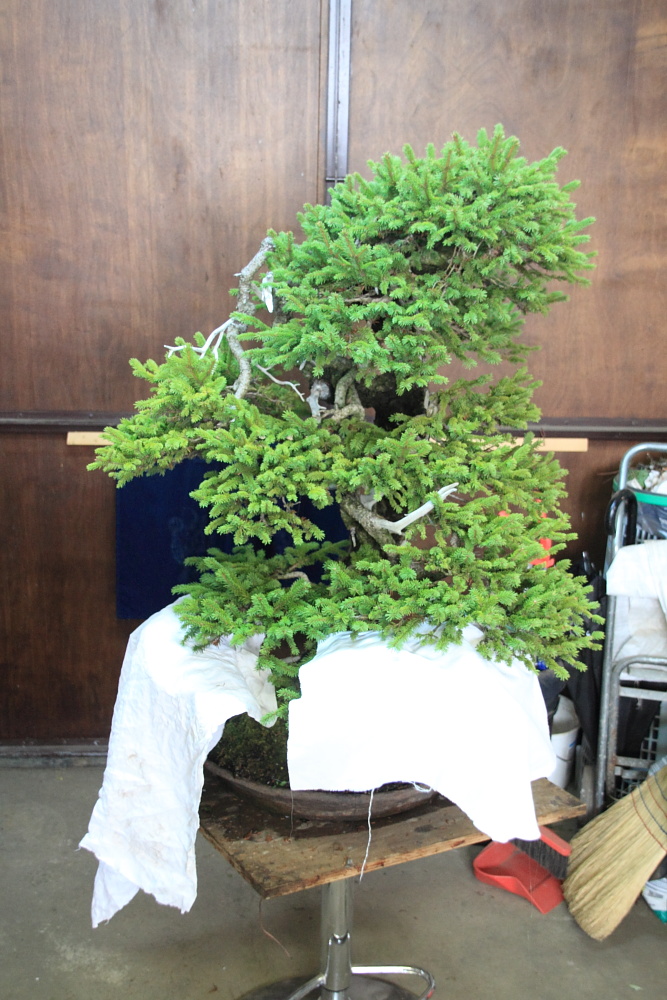
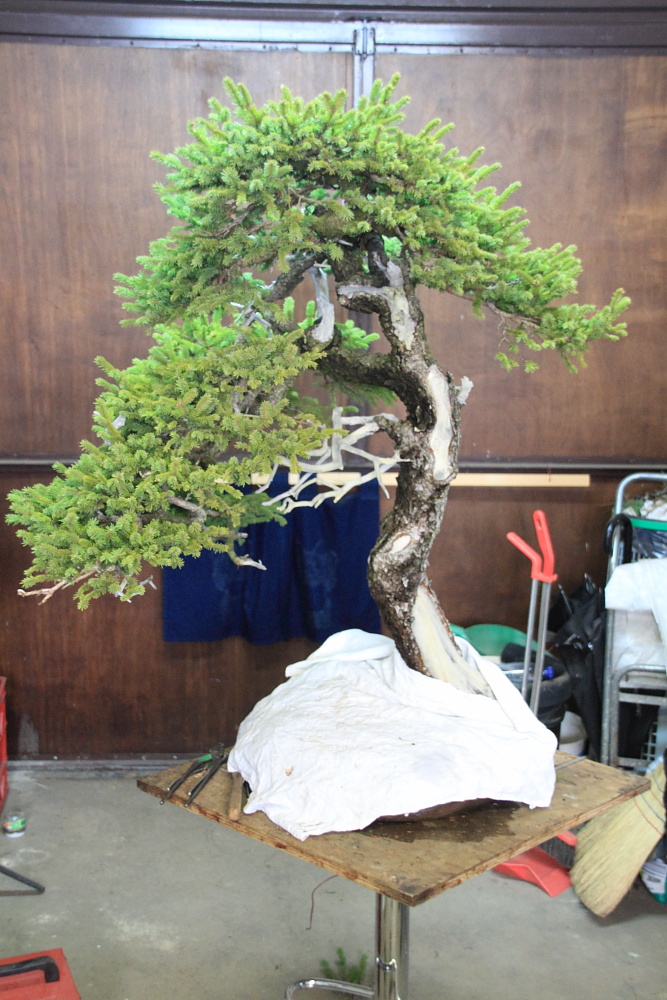
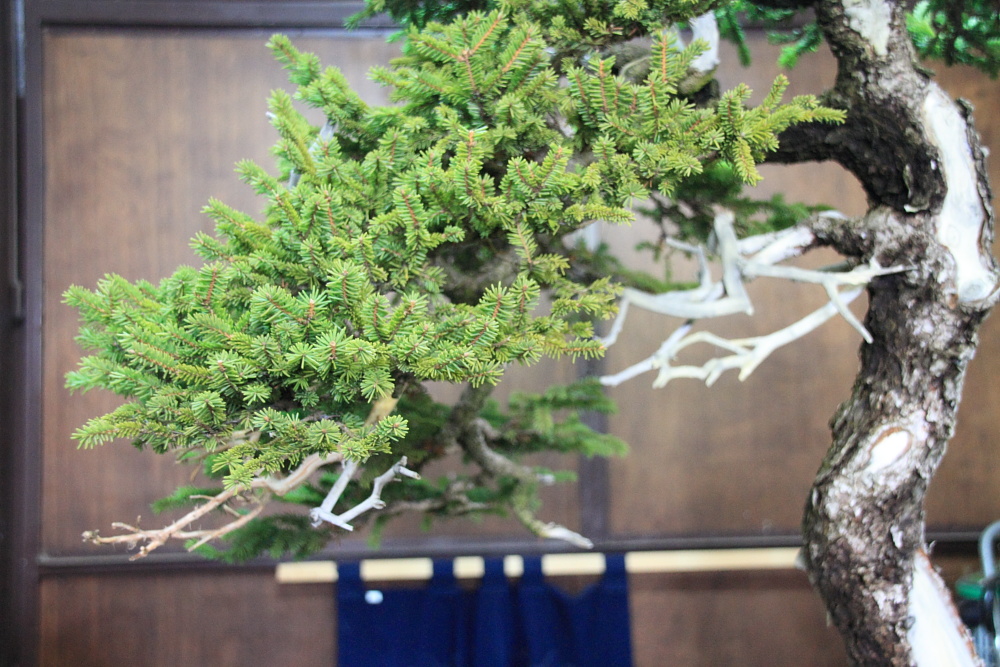
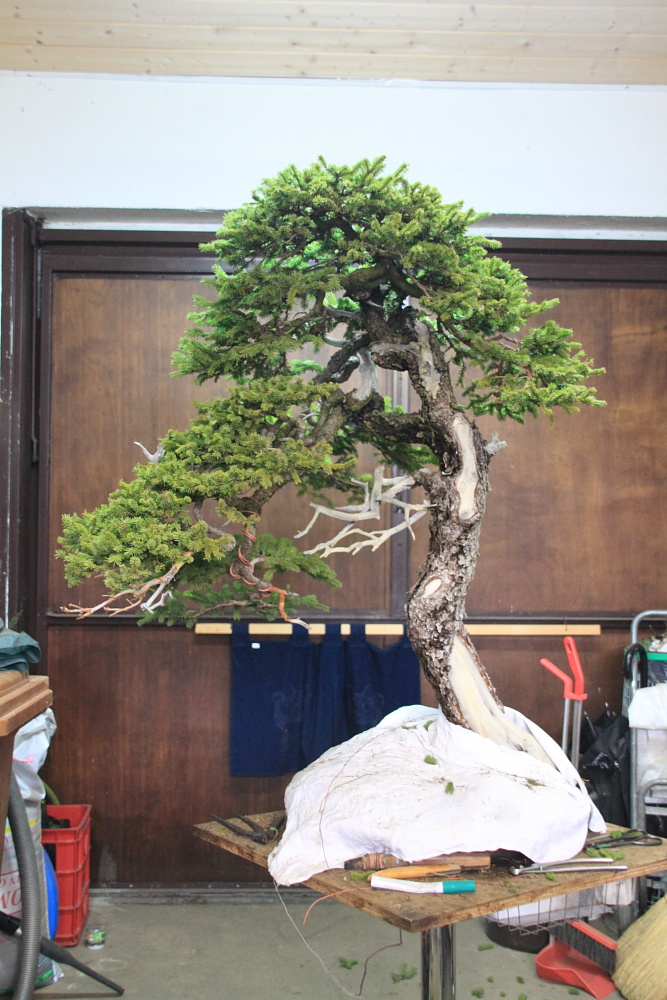

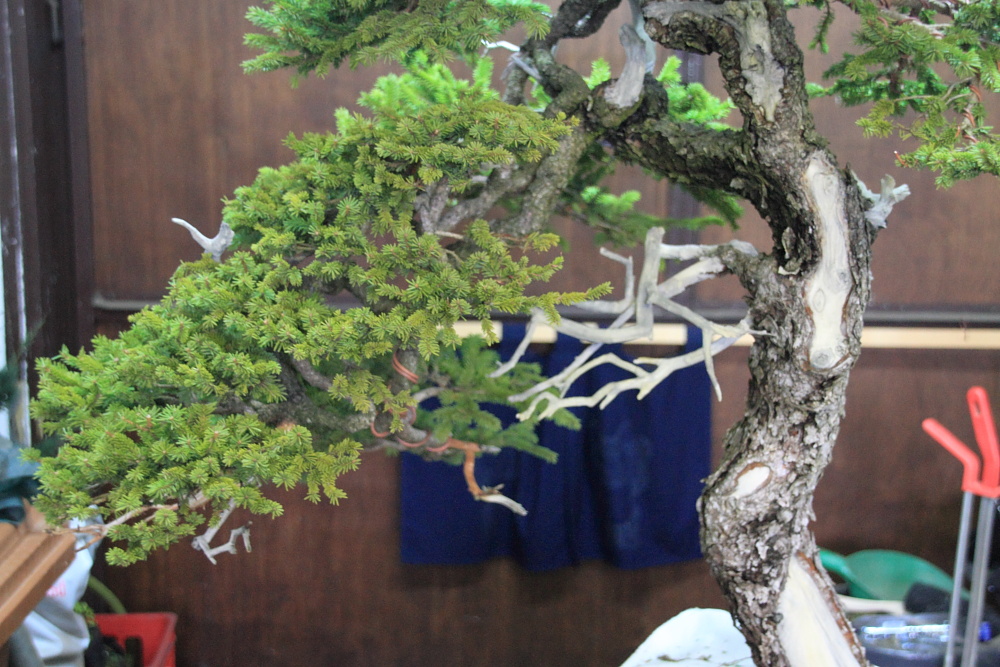
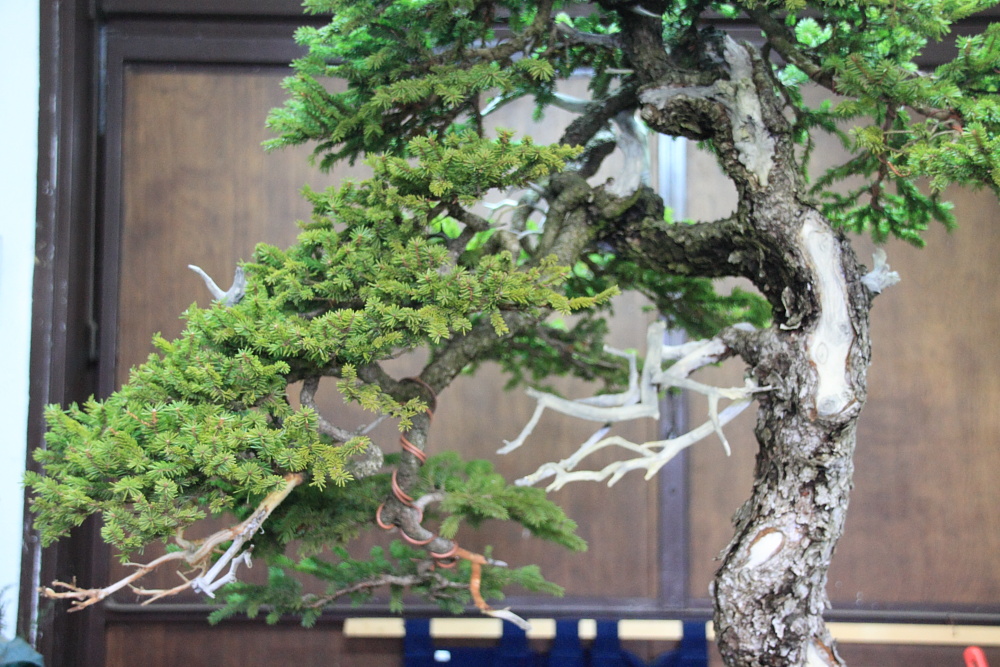
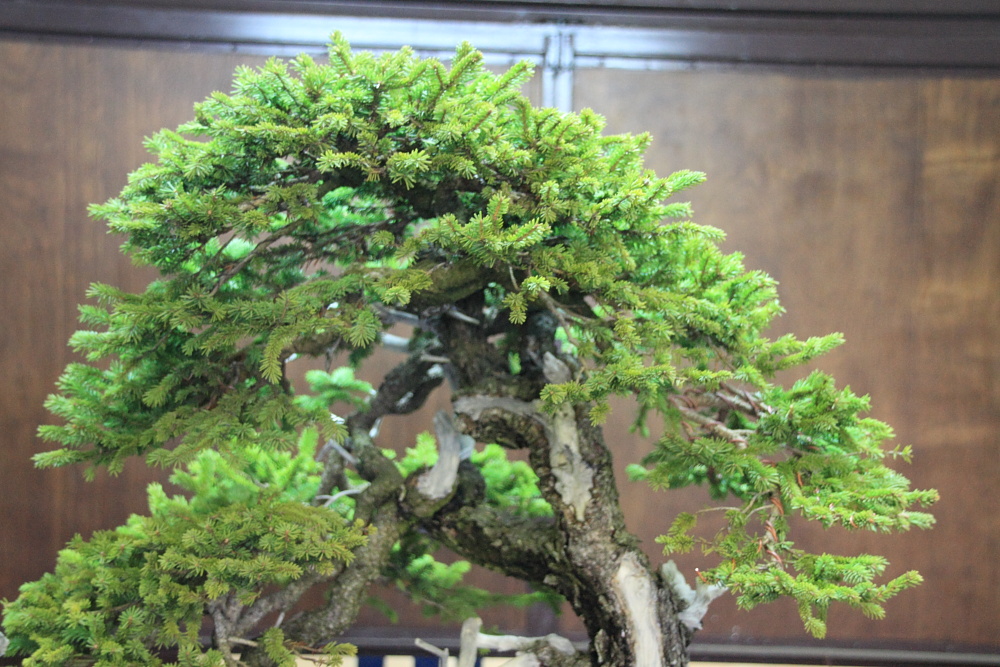
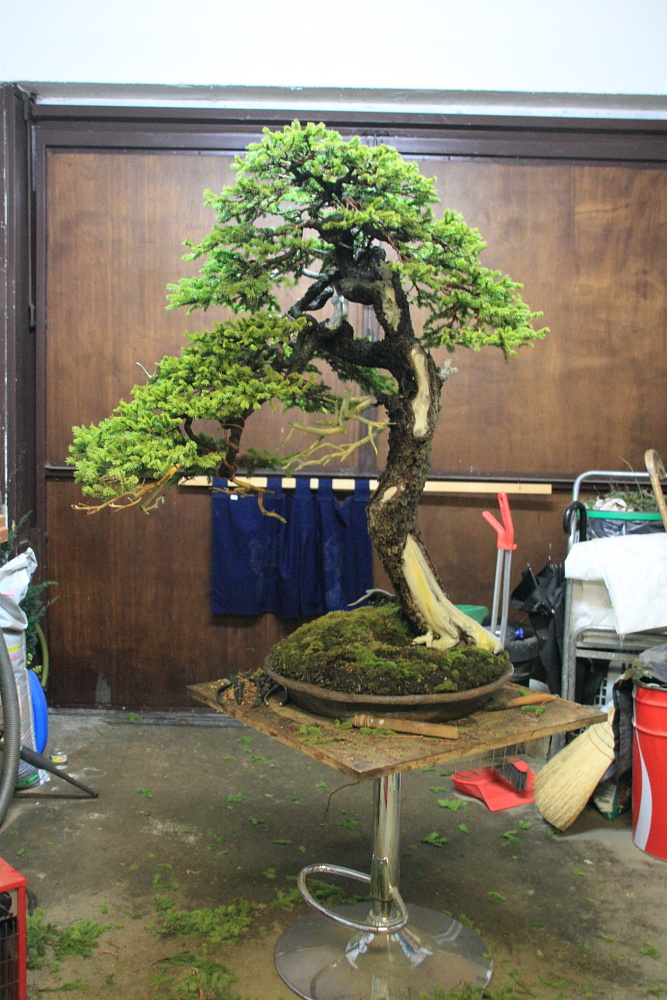
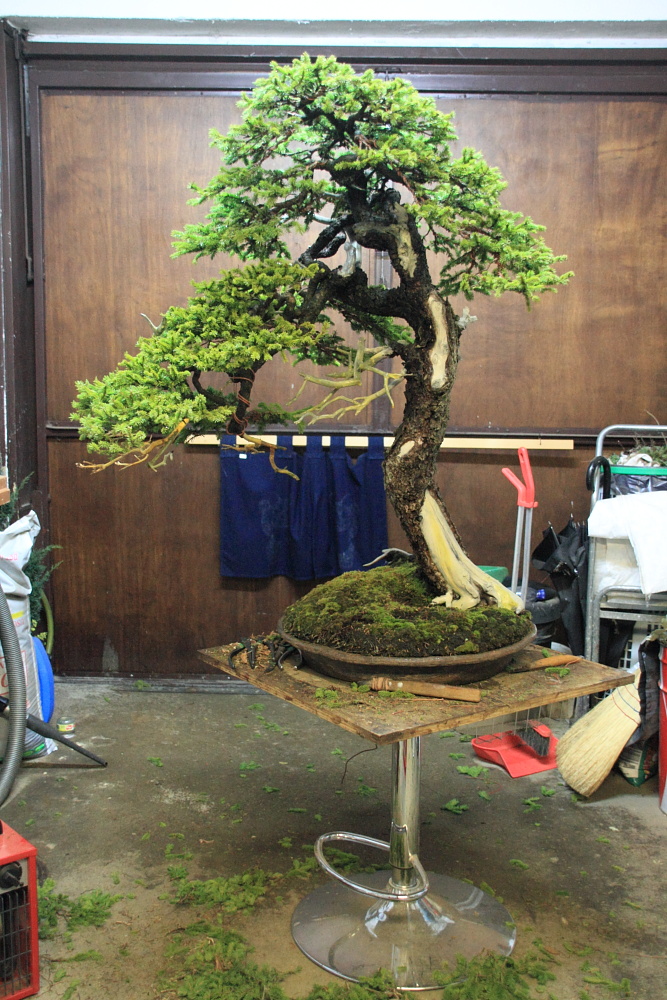
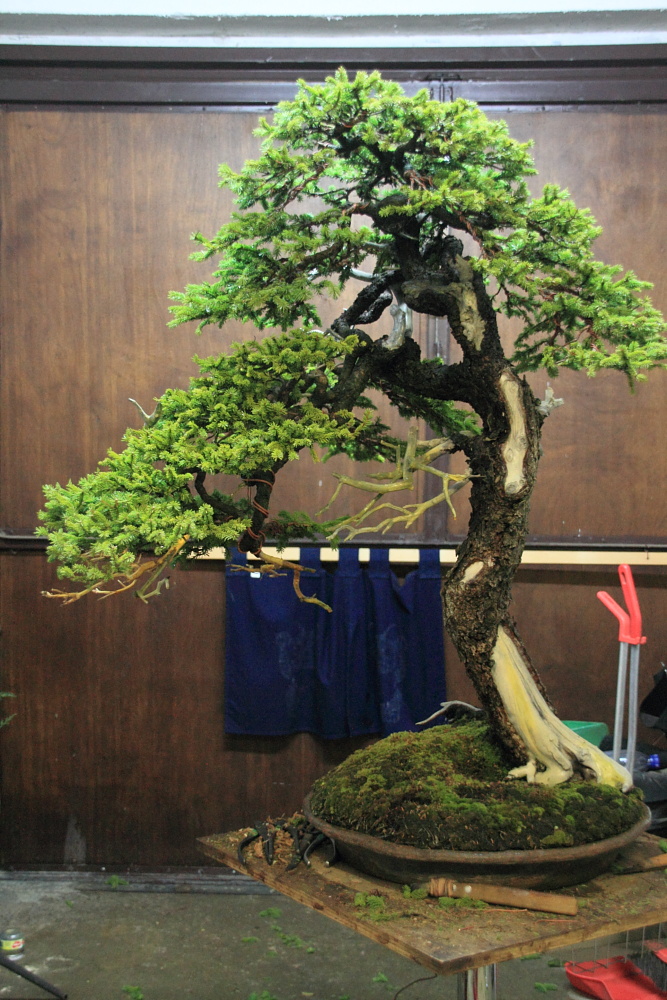

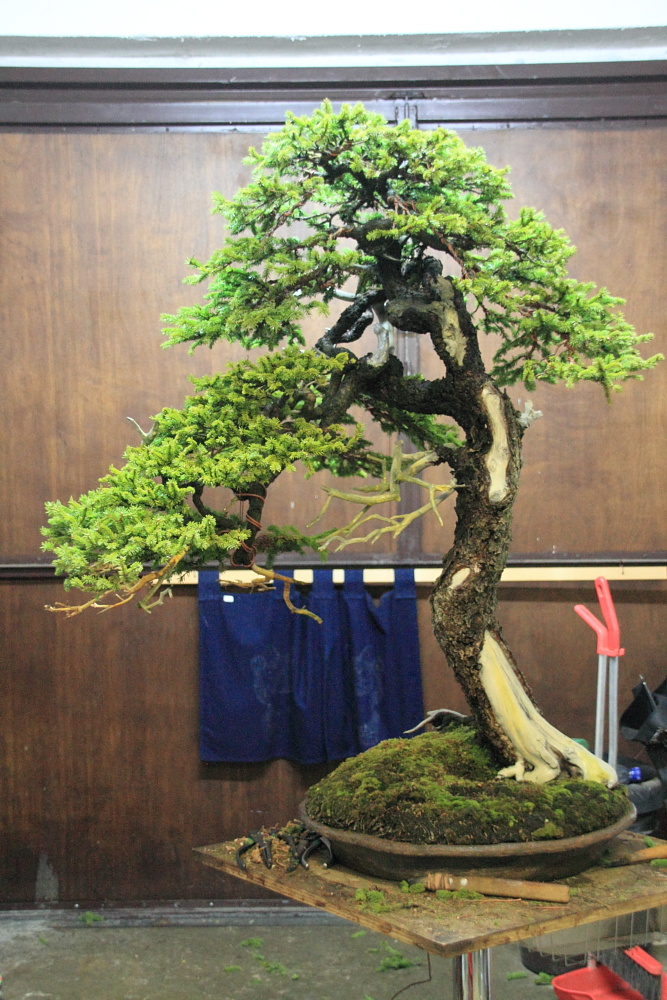
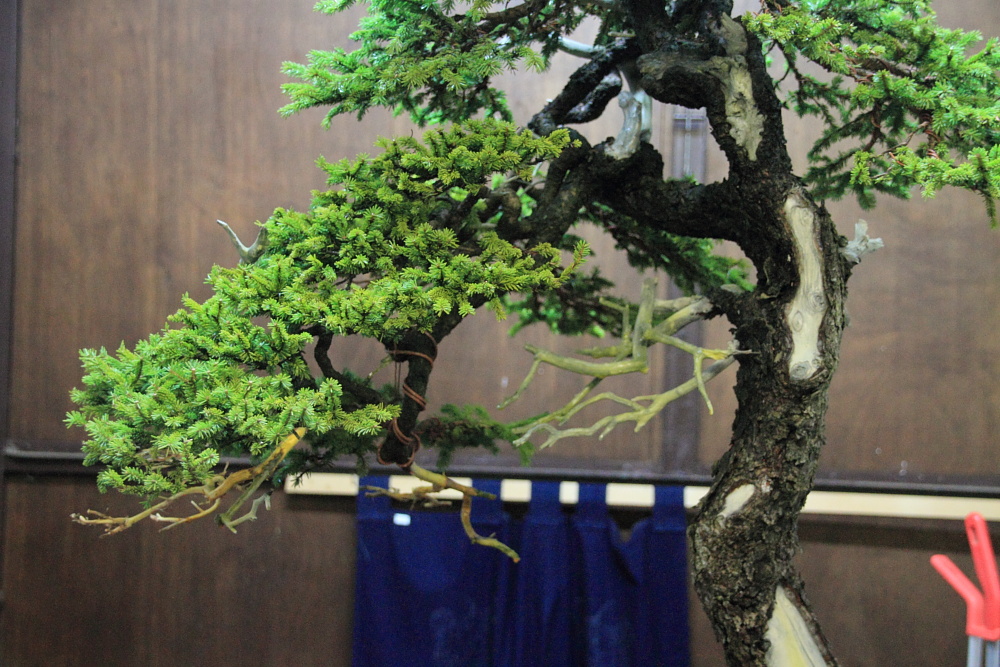


 Kitora no do