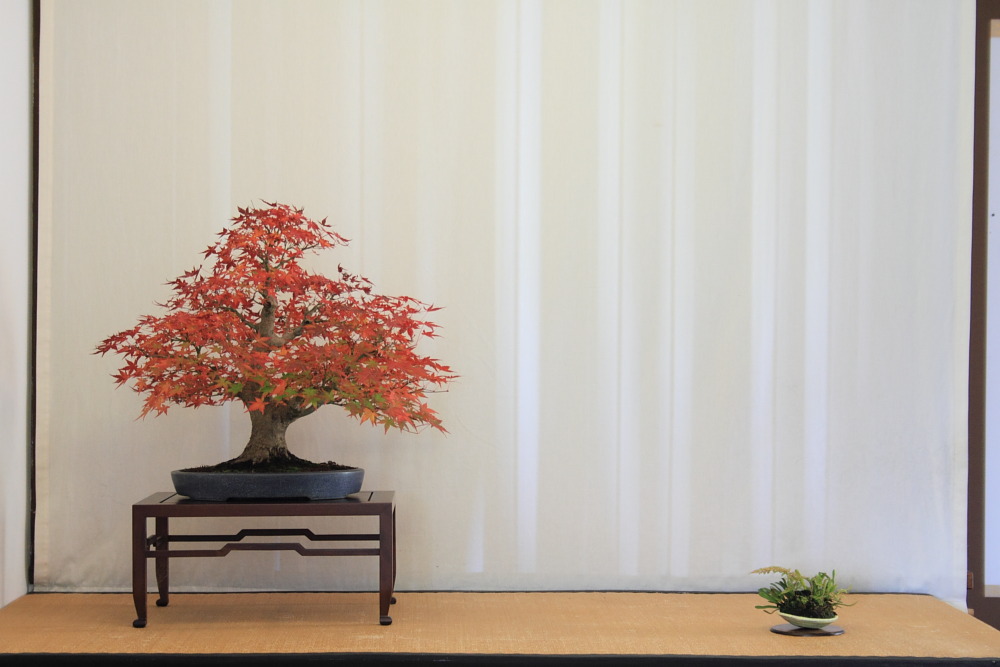
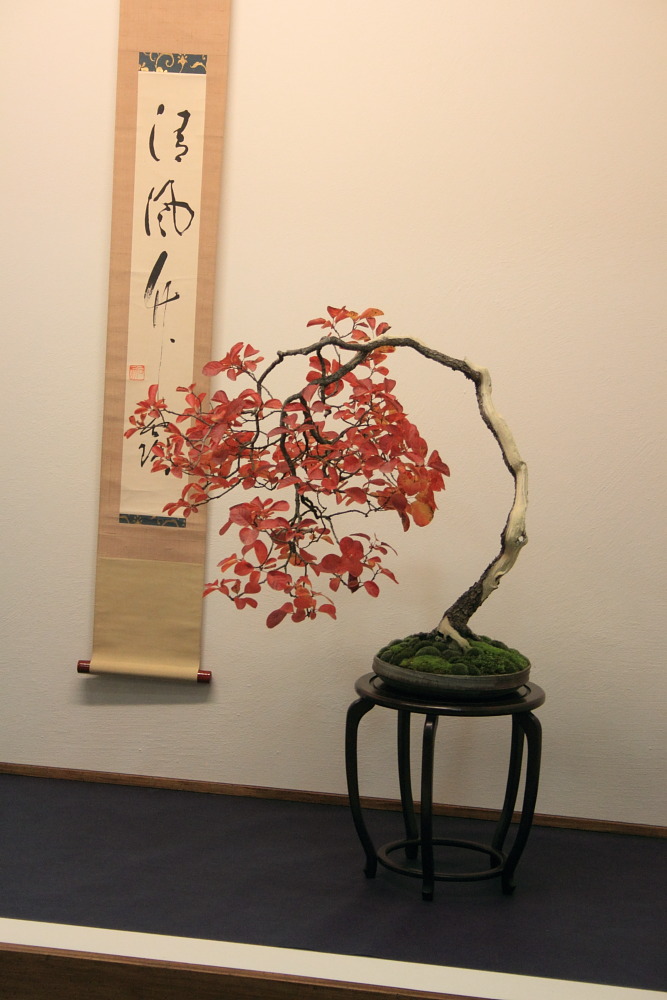
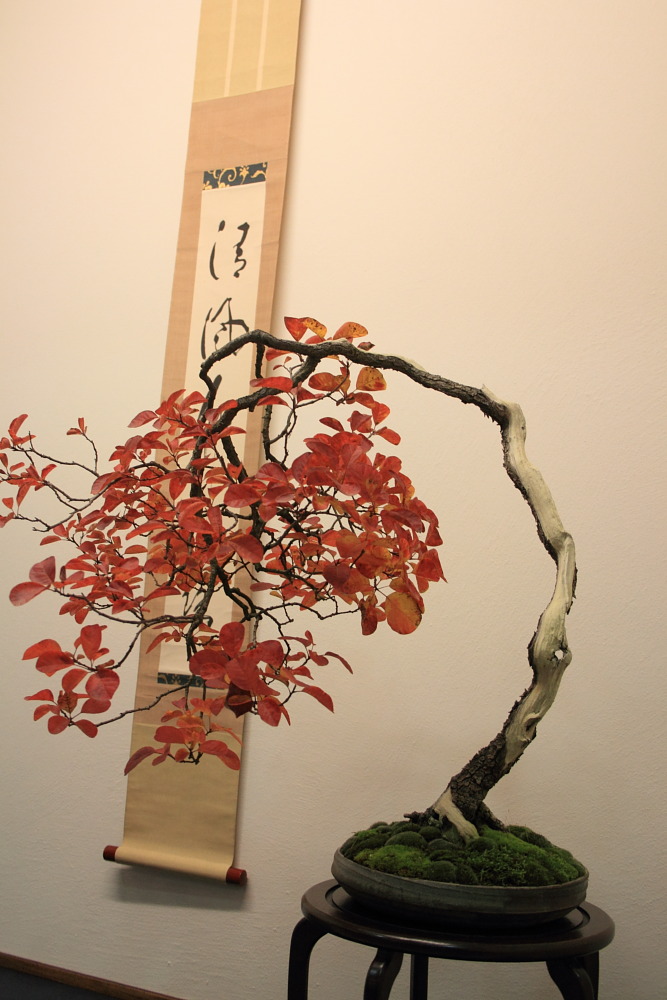
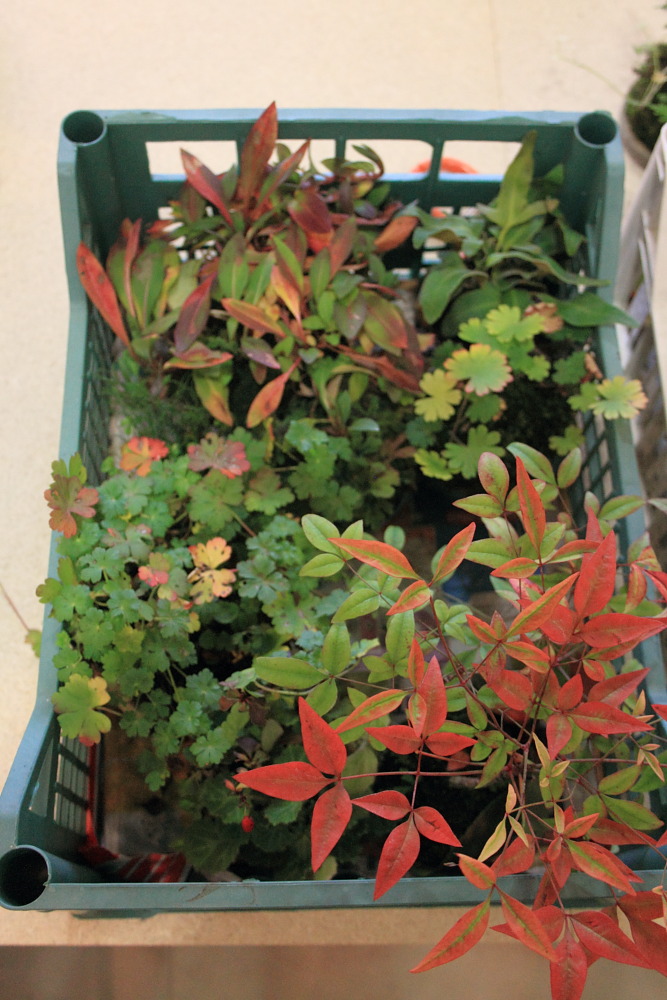
 Ne approfitto di questo giorno di non pioggia per cogliere gli ultimi colori dell’autunno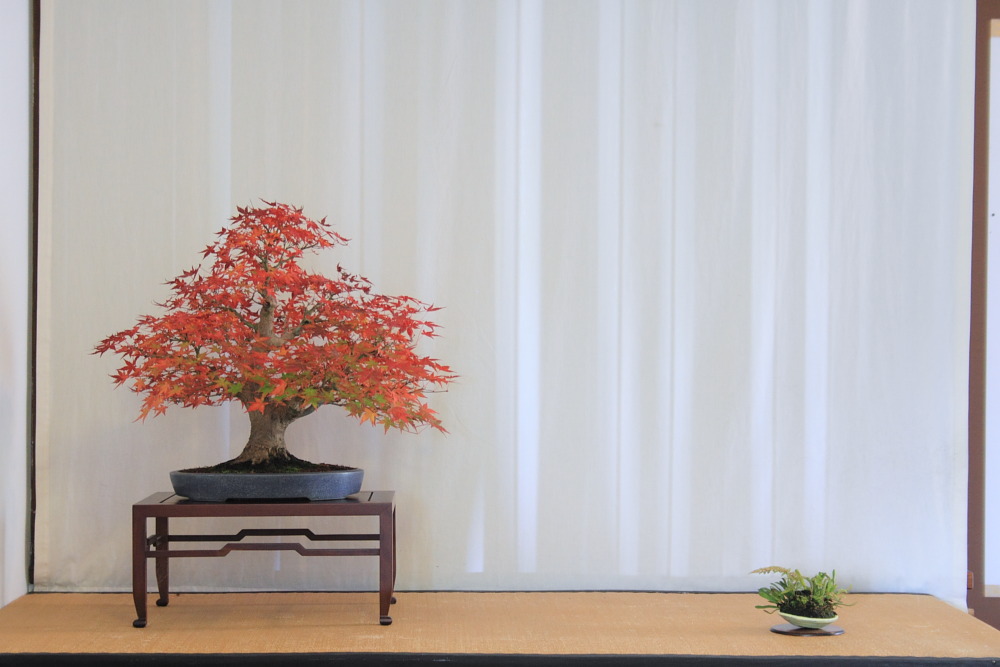
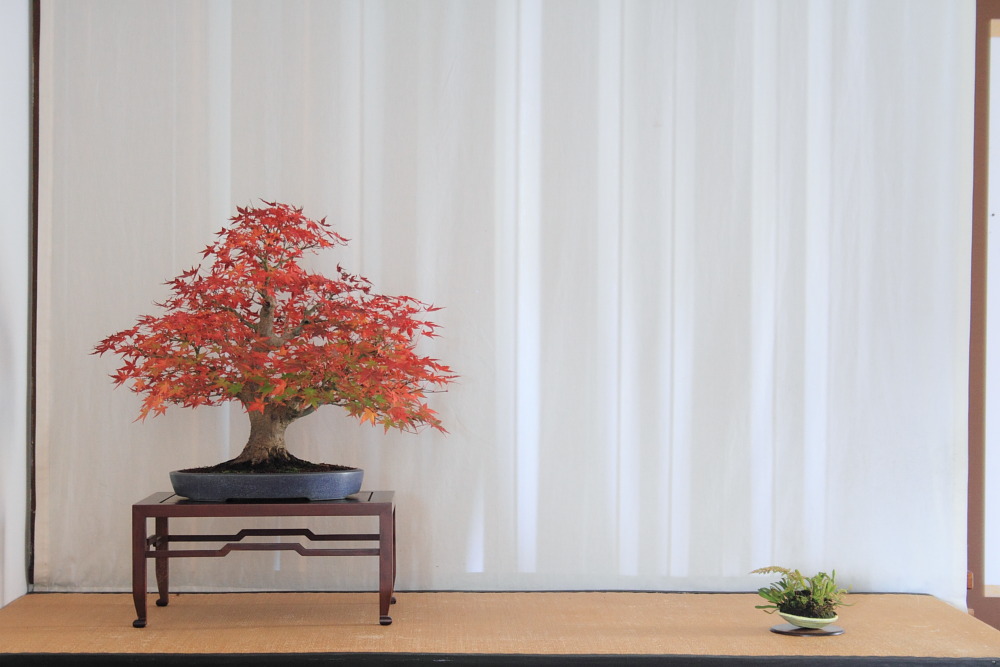
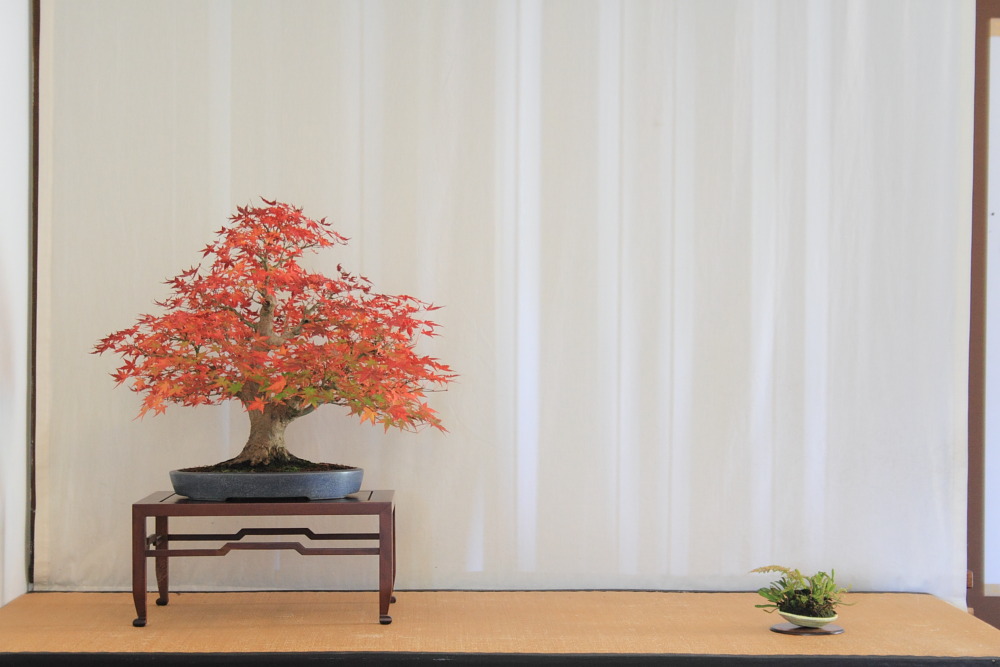
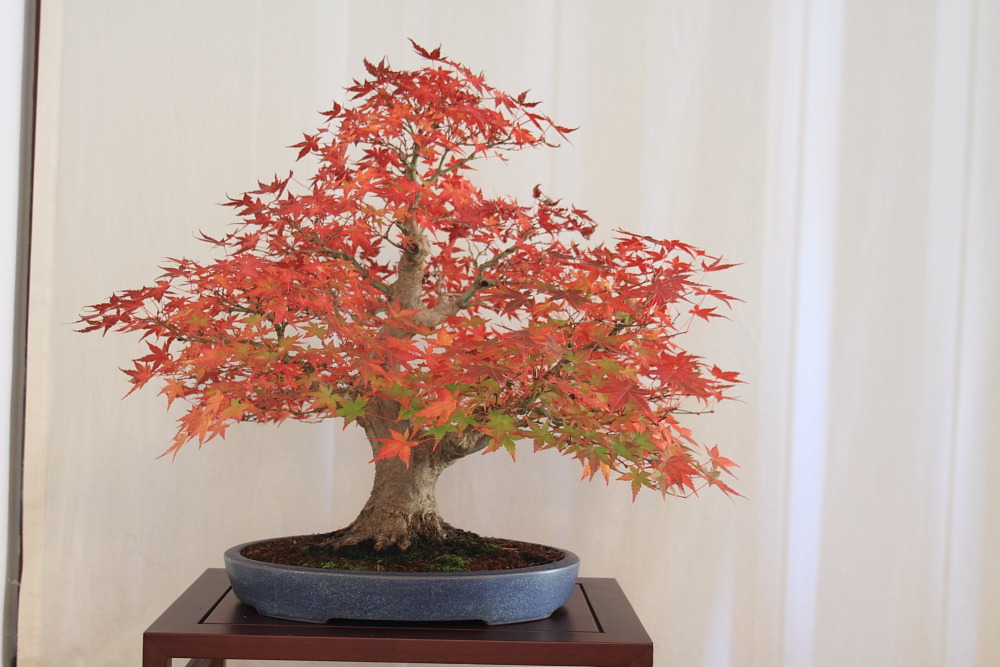
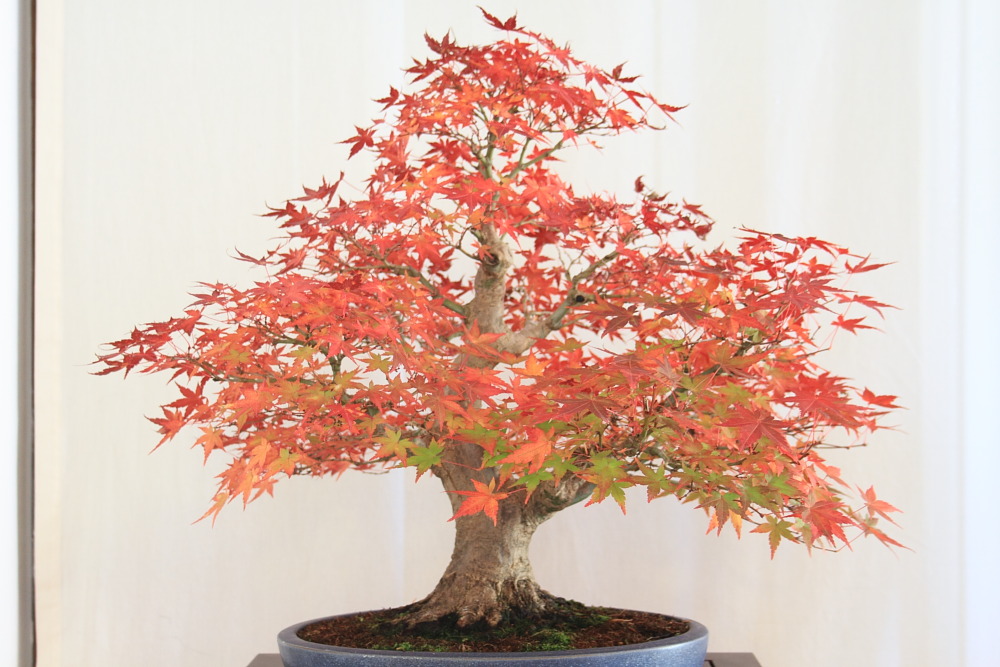
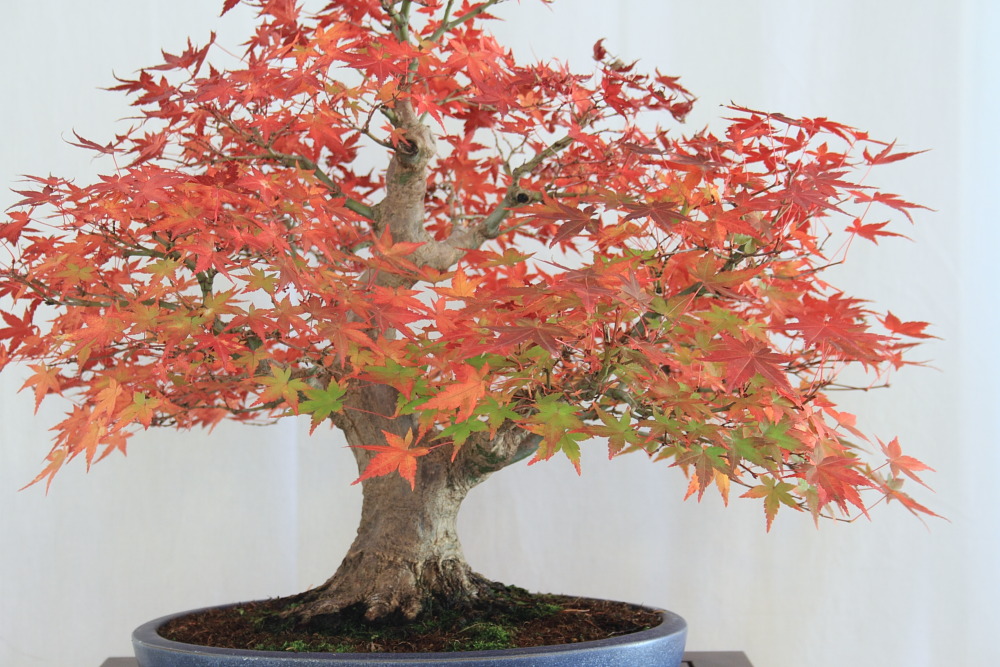
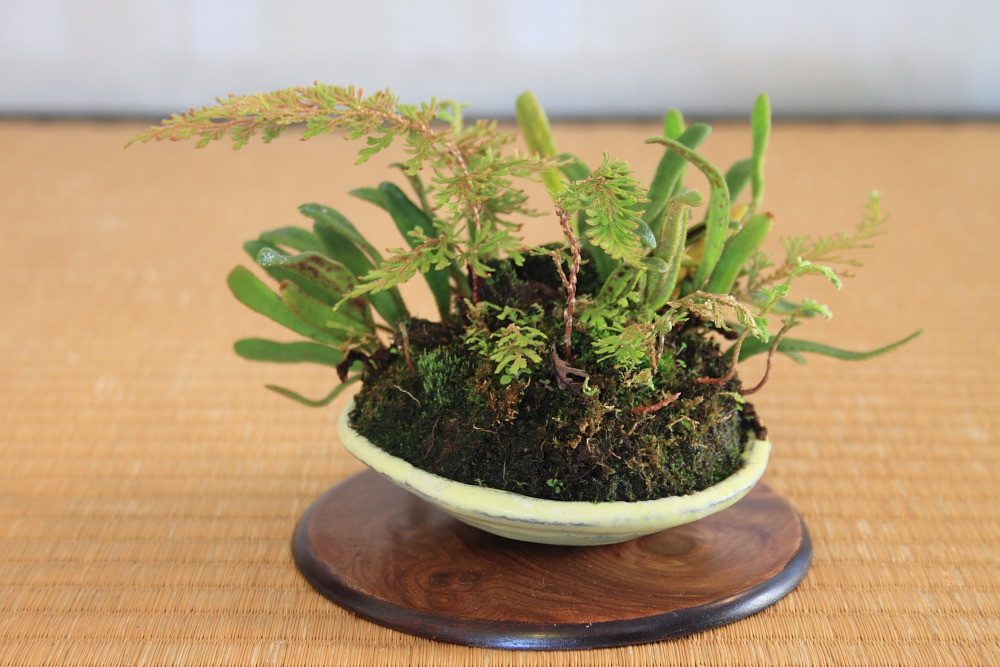
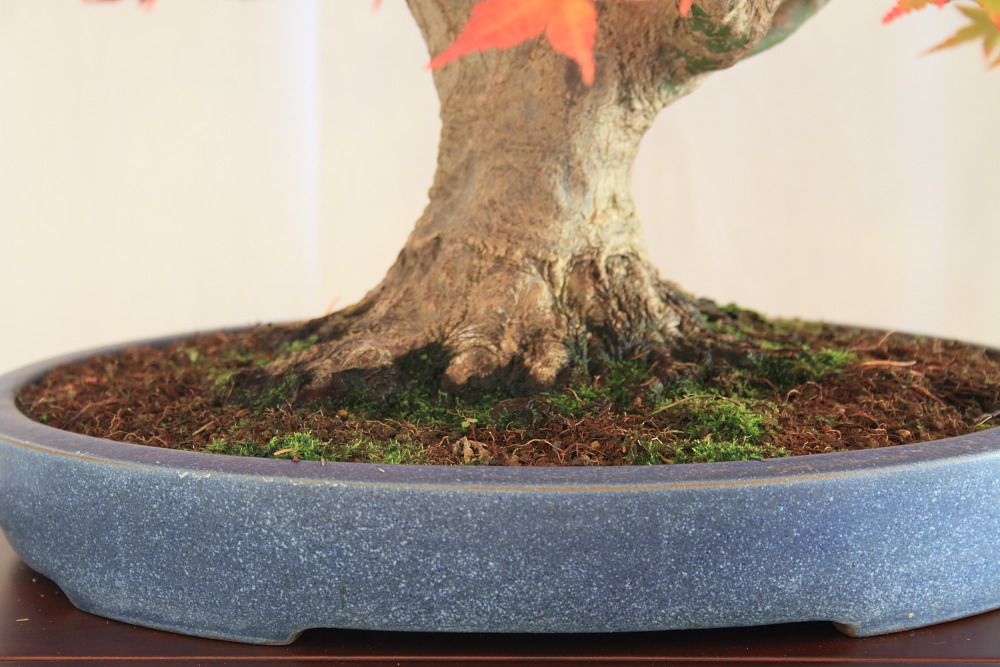
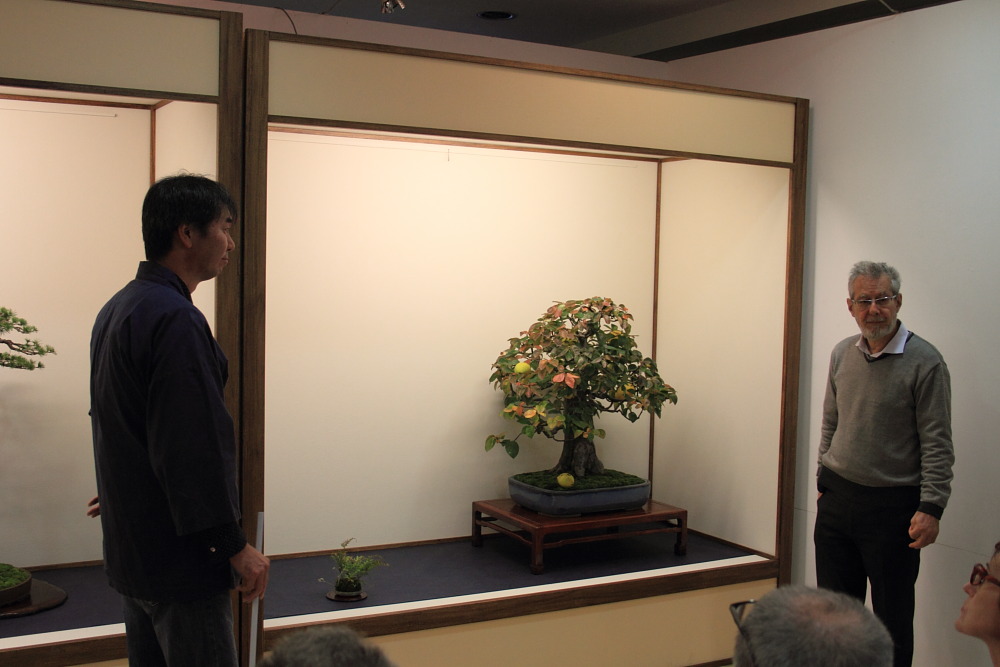
Momiji display
1

Ne approfitto di questo giorno di non pioggia per cogliere gli ultimi colori dell’autunno
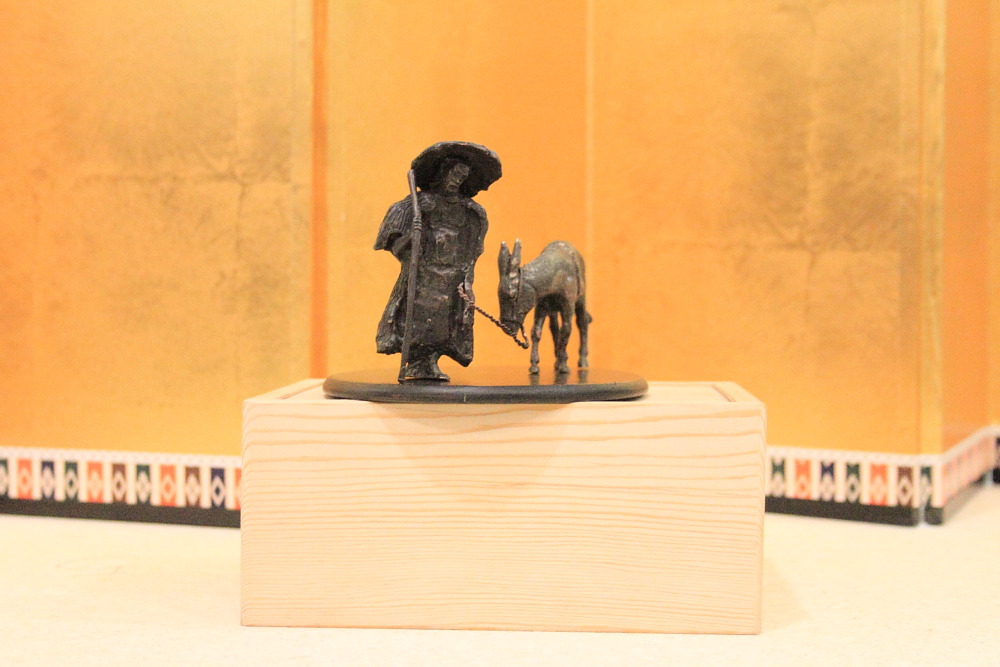
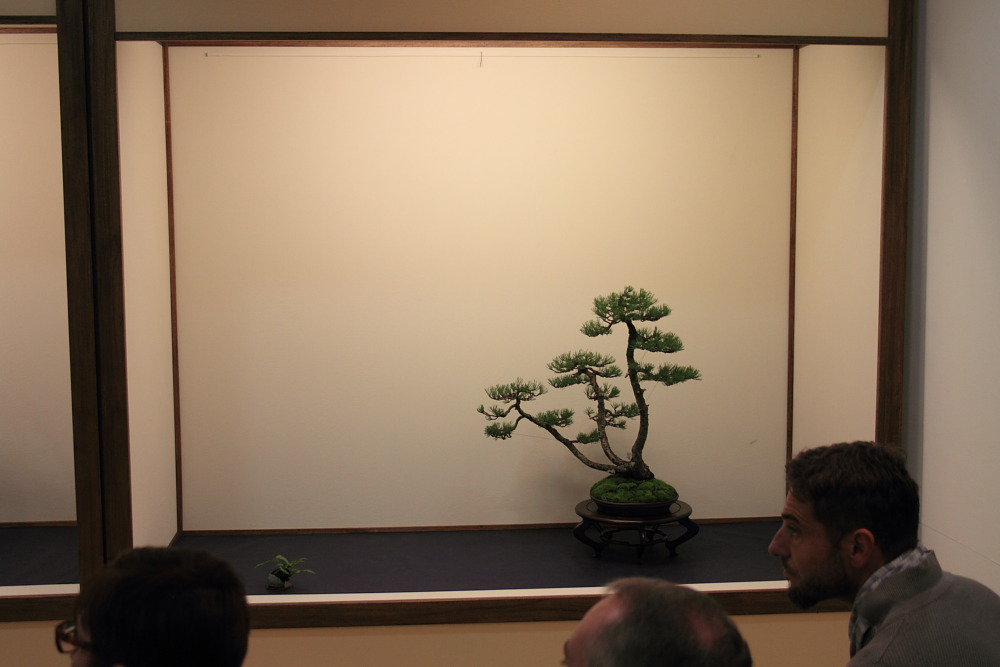
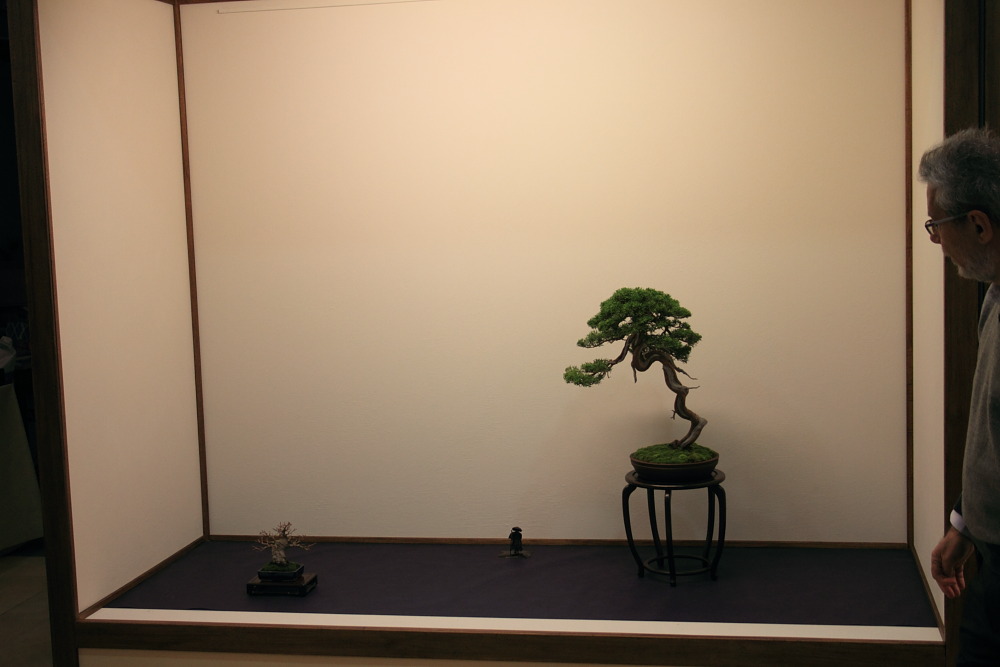
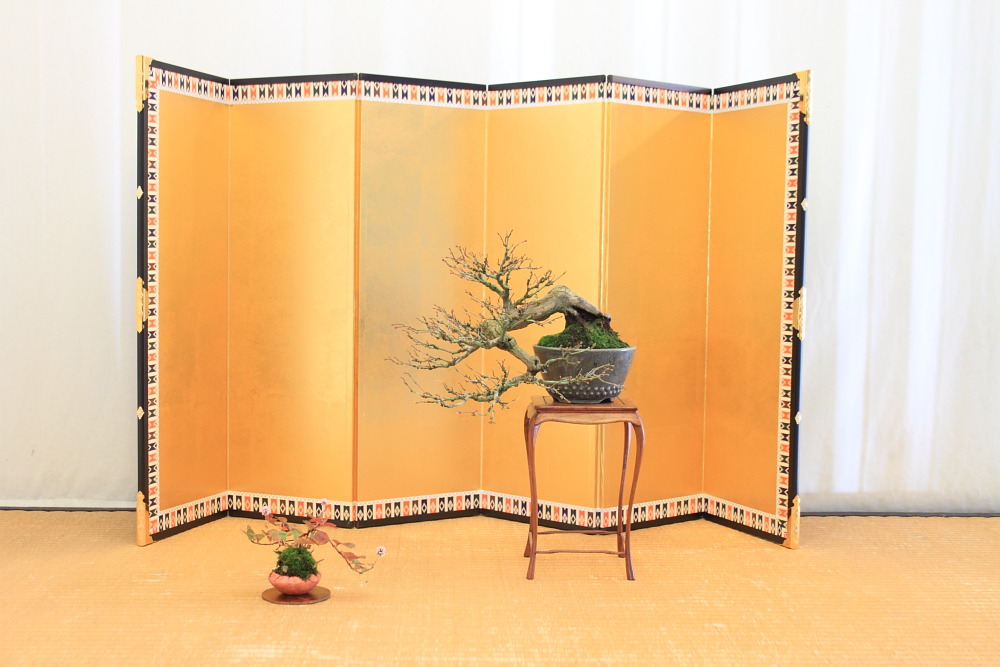 Ho appena acquistato questo paravento giapponese, pensavo di usarlo per l’allestimento di shohin in display singolo 😉
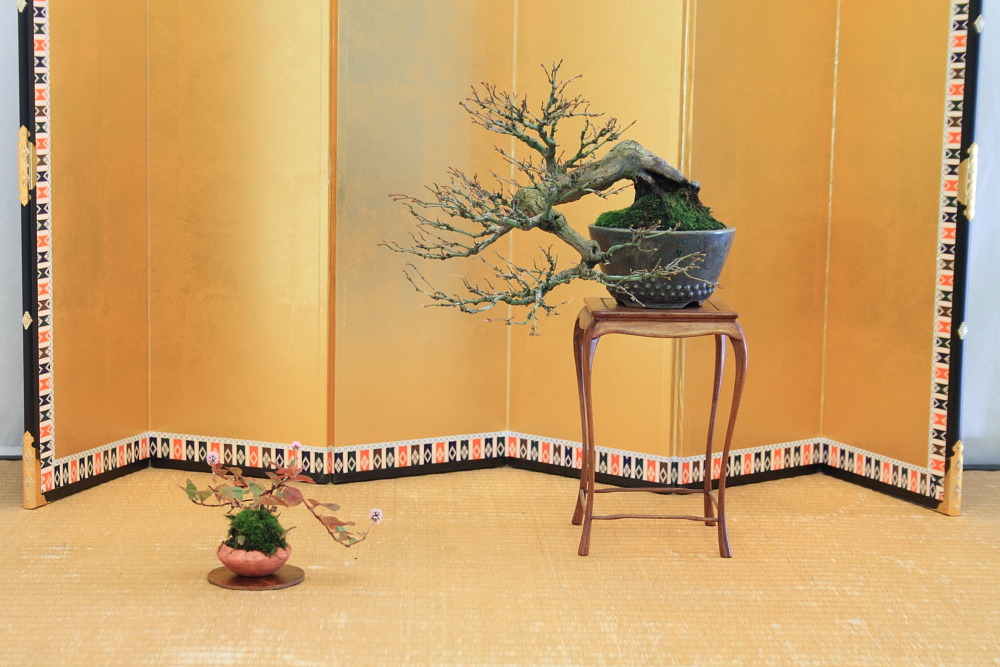 A me sembra che funziona.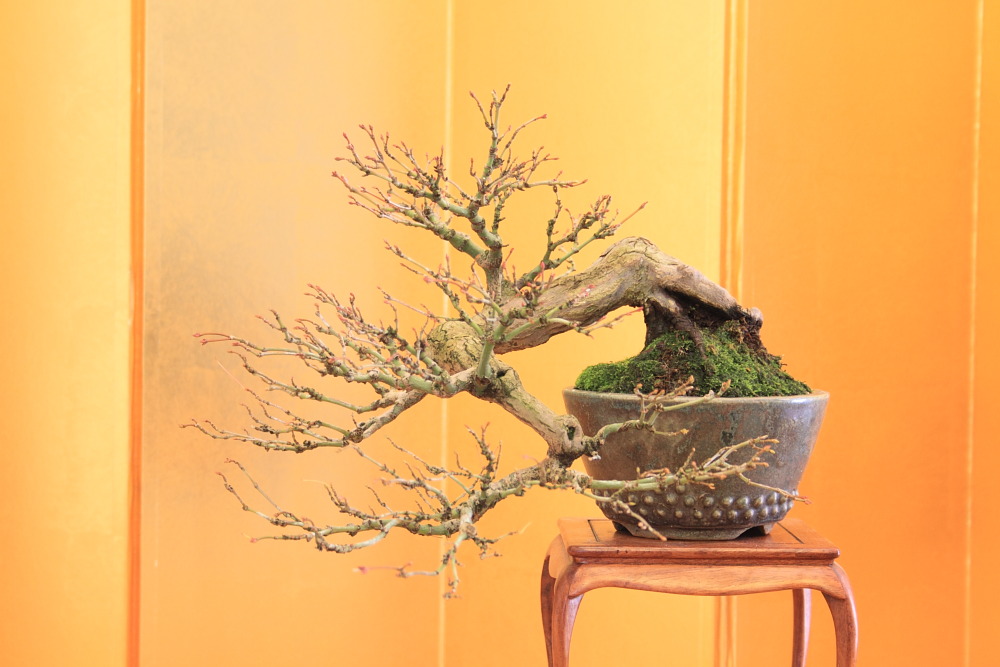
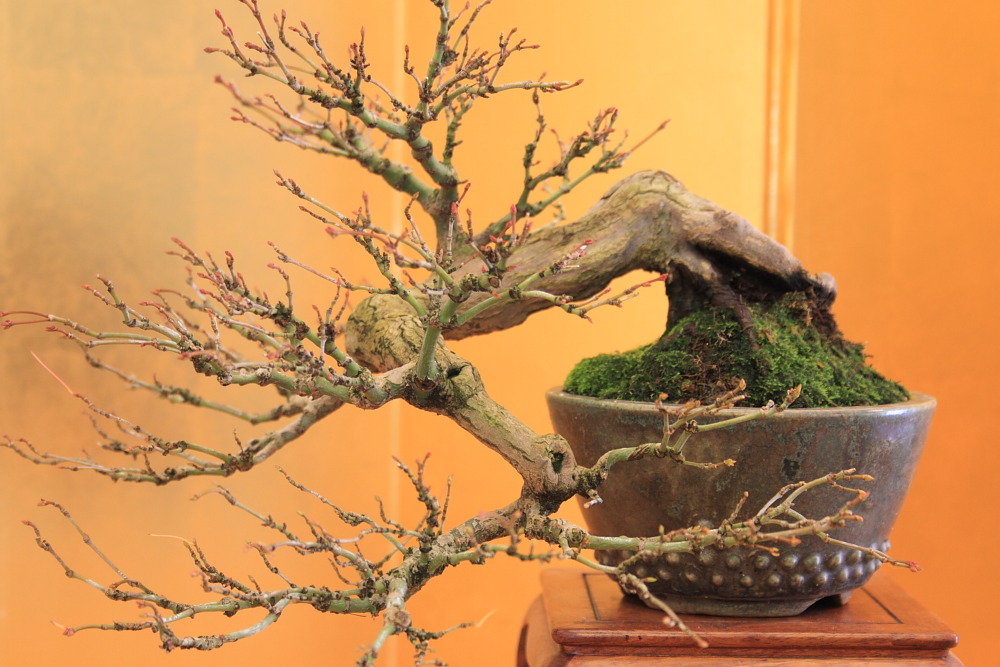
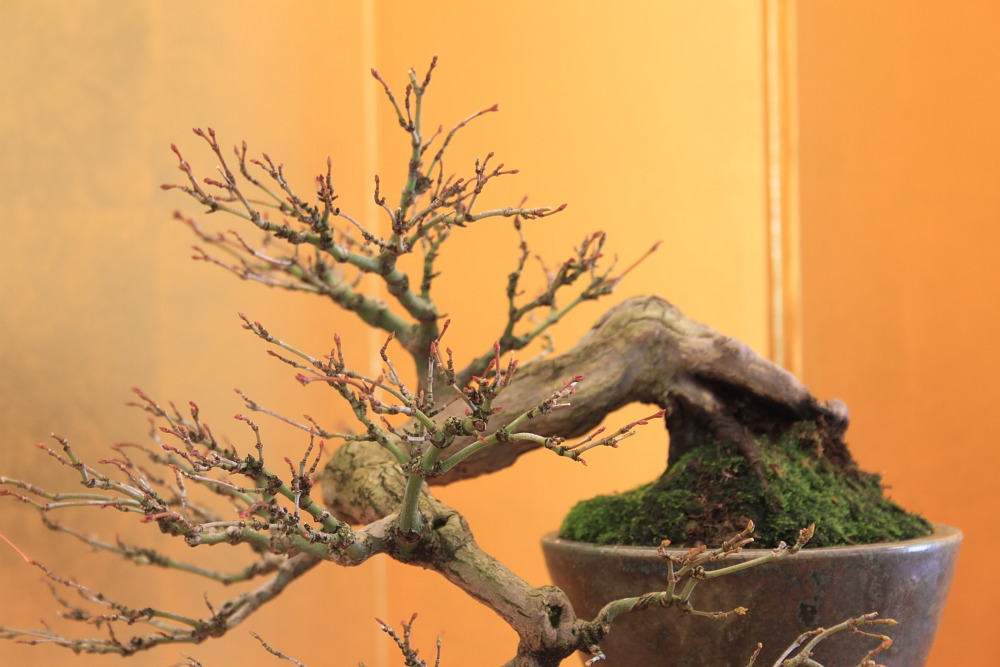
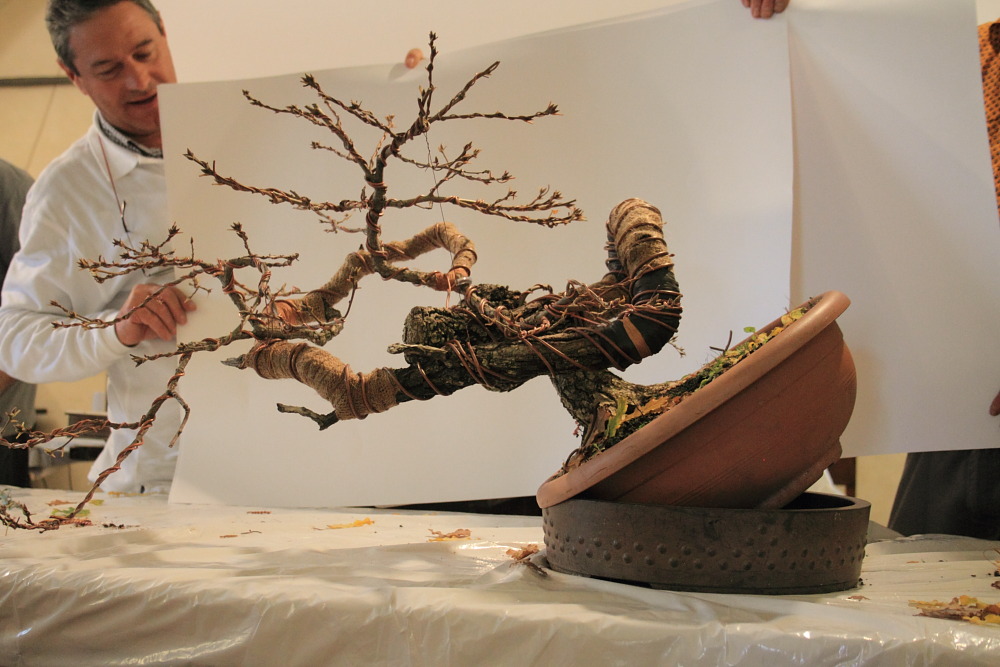
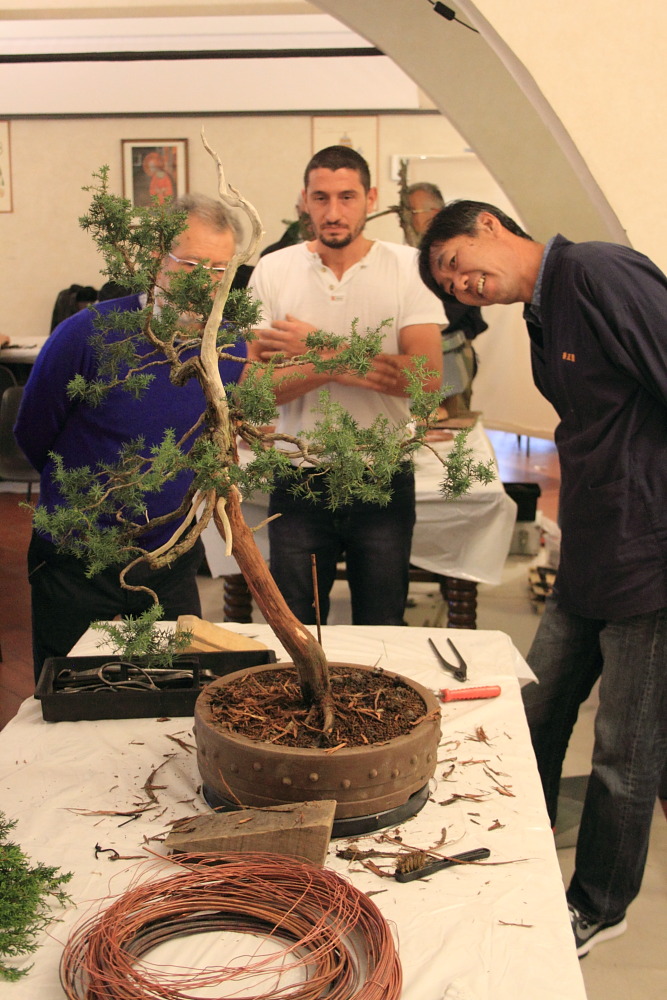
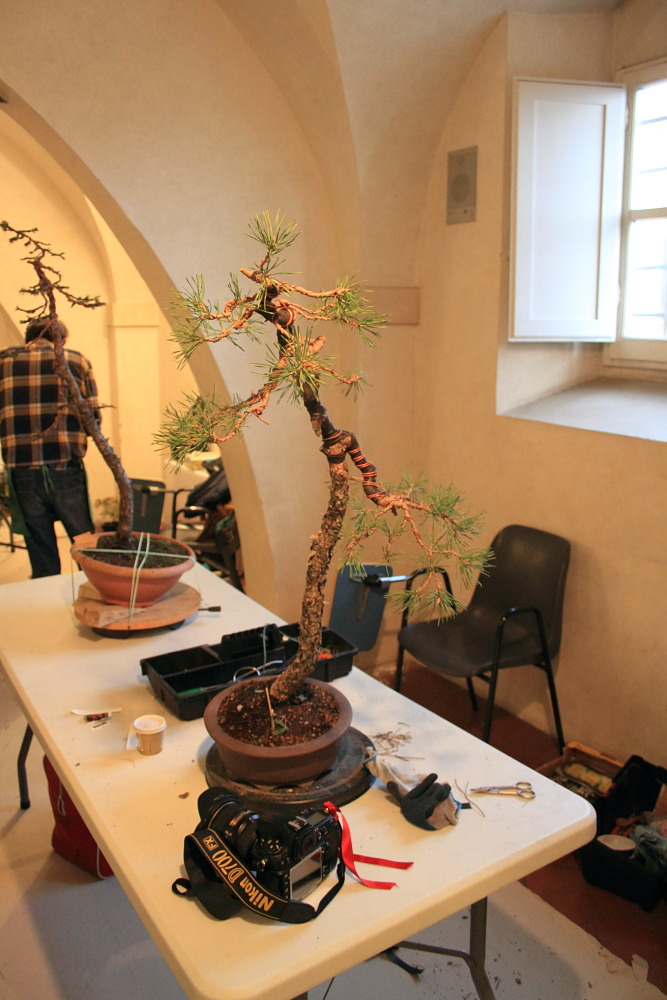
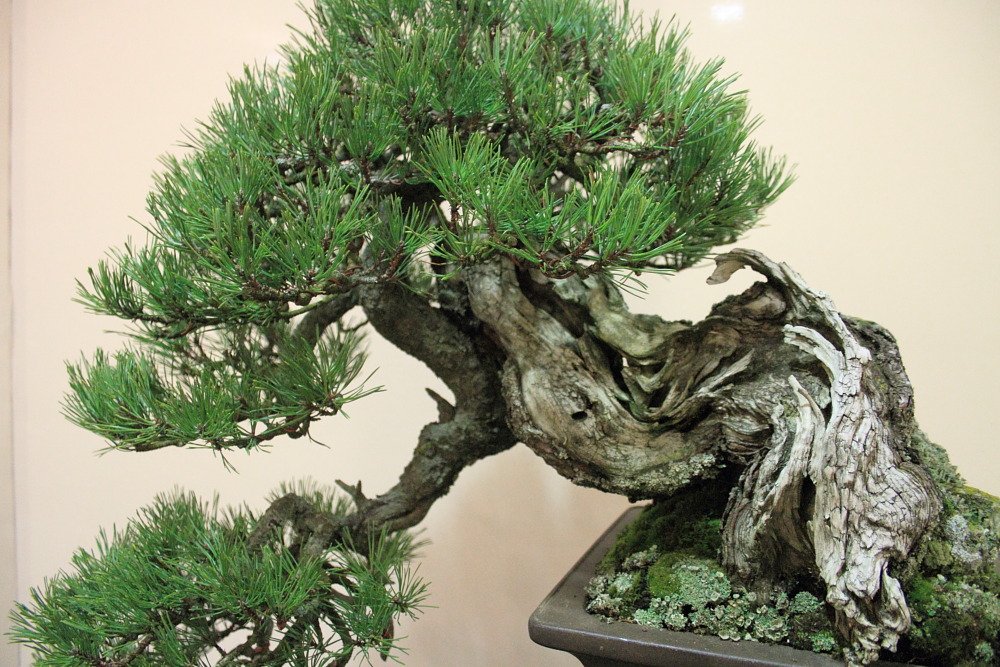
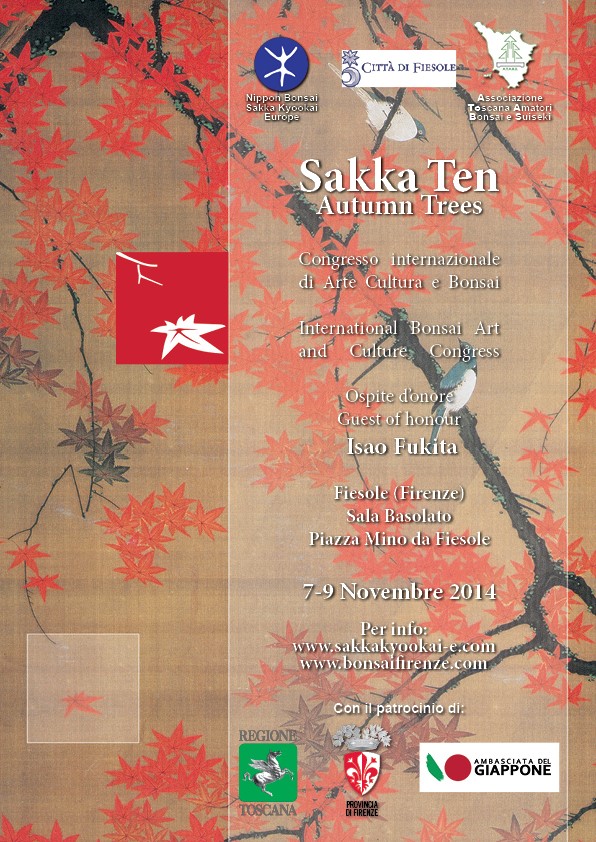
In occasione della Sakka Ten 2014 a Fiesole decido di lavorare questa roverella romagnola molto particolare.
Il tronco è finemente cortecciato, senza tagli ne shari, cosa che al mio occhio la rende molto pregiata. Foto dell’inverno 2013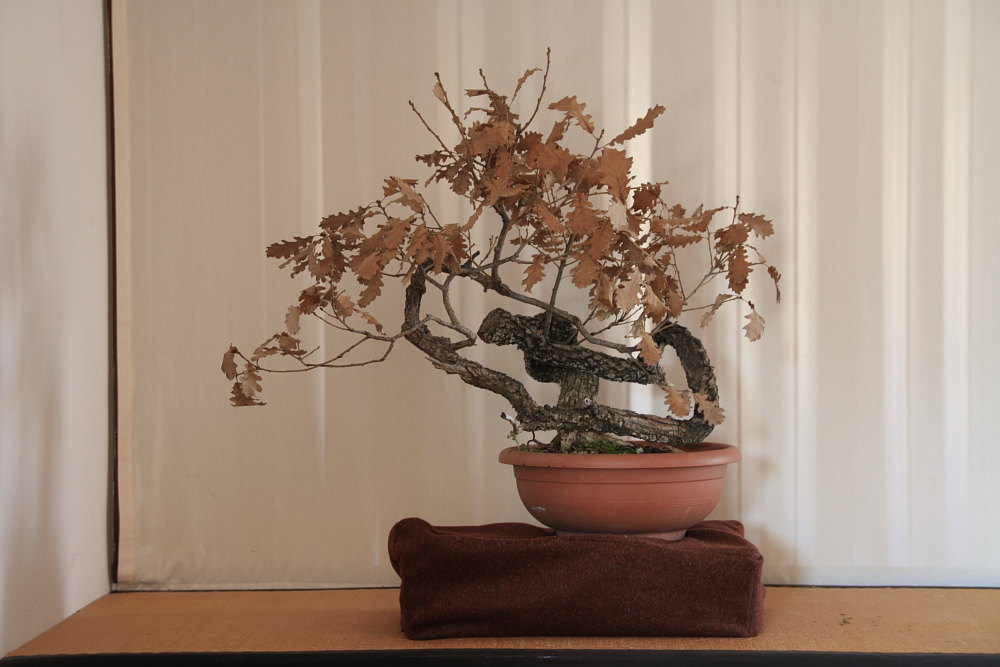

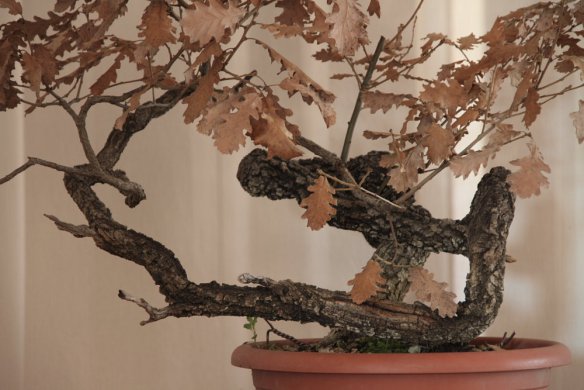 Le curve ci sono già ma sono abbastanza larghe
Bisogna avvicinare la vegetazione al tronco
Ho già piegato diverse roverelle e con i giusti accorgimenti la cosa non è ne difficile ne pericolosa per la pianta.
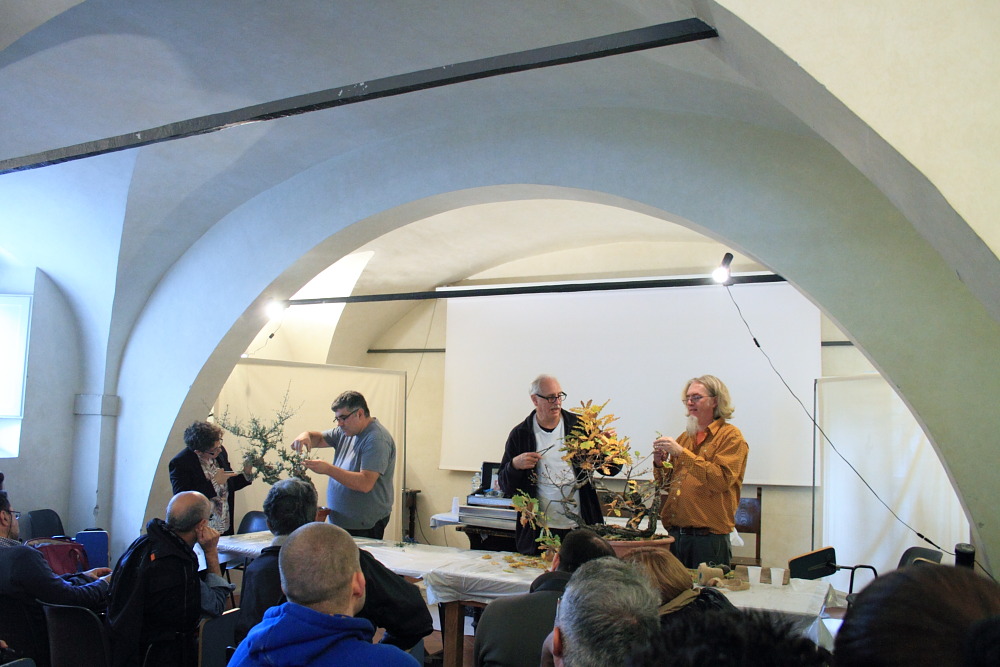
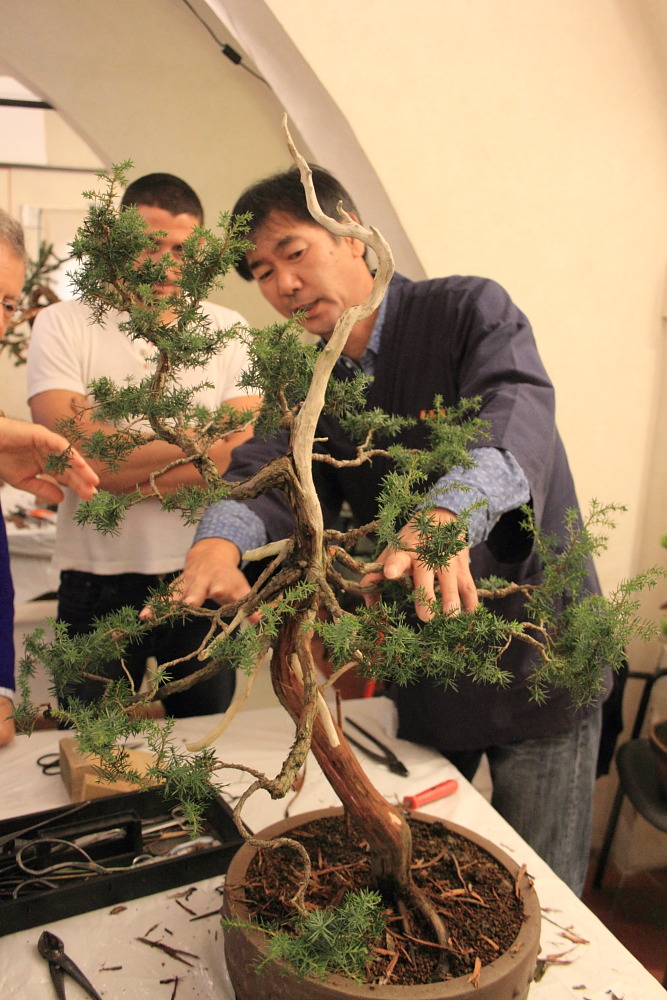
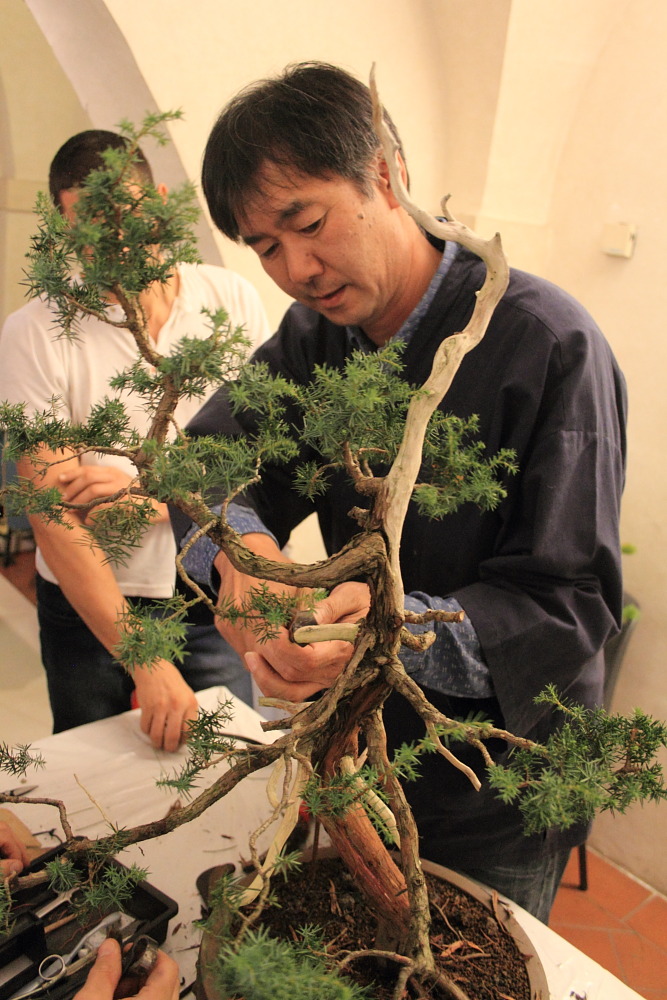
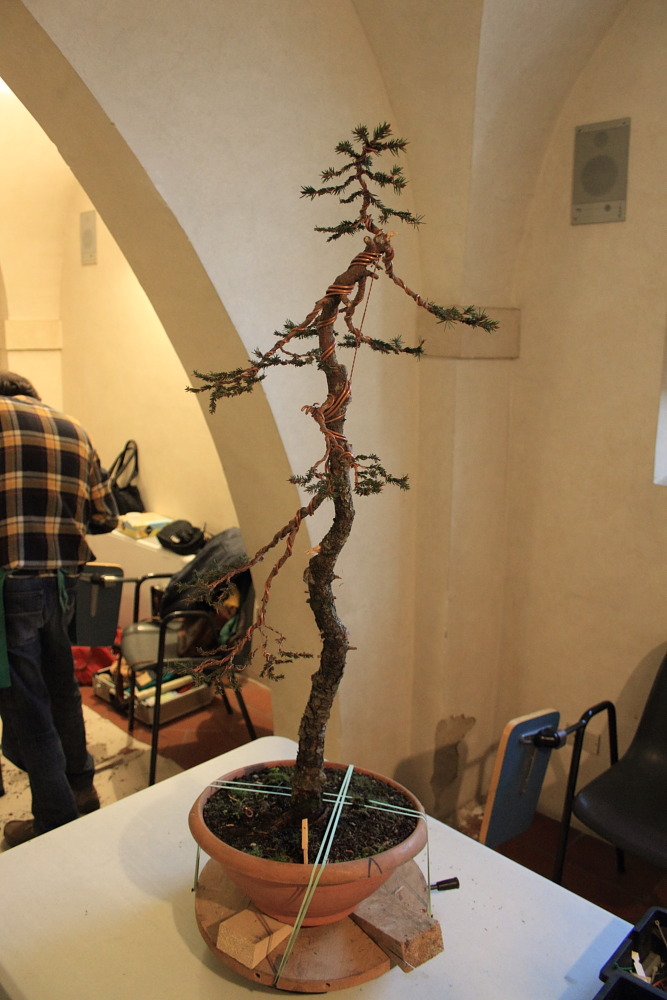
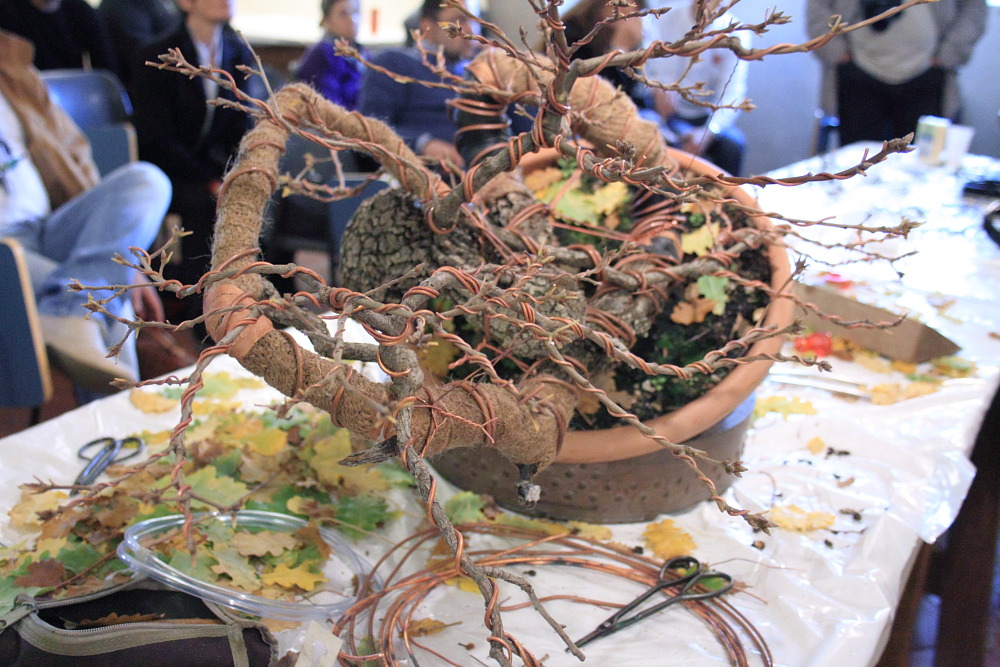 Fascio bene il tronco con il nastro di Yuta, e lo filo tutto con il filo di rame del 3,5
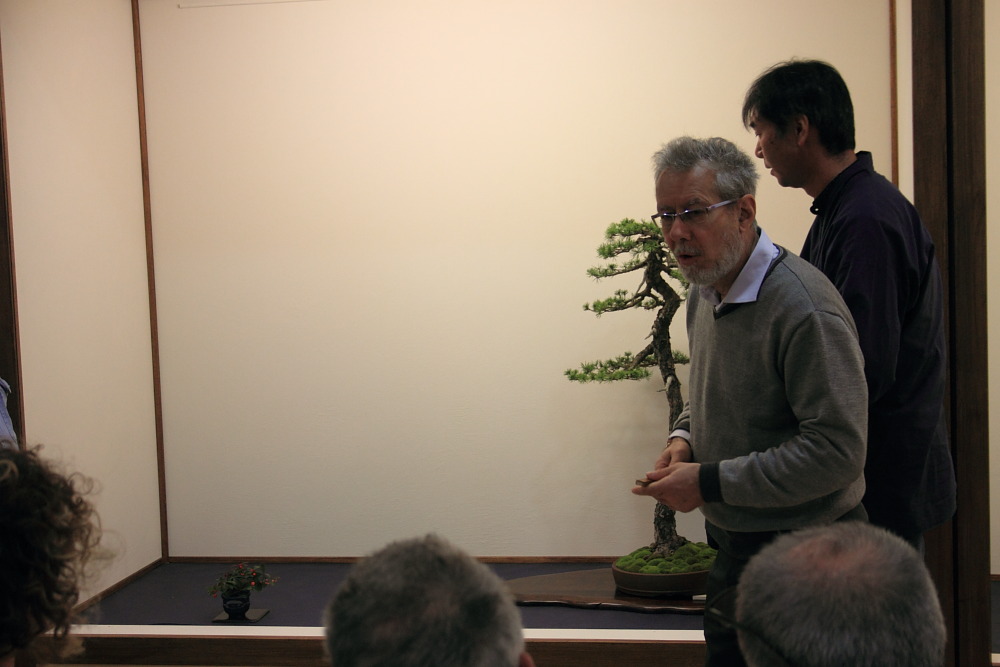
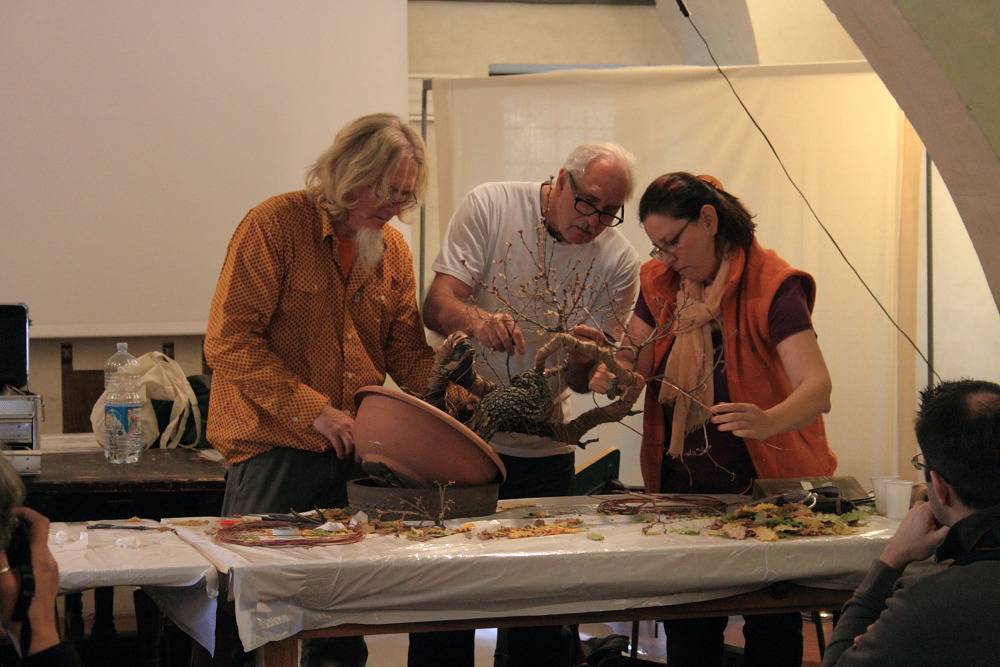 Mi assistono Mario e la mia allieva Melanie
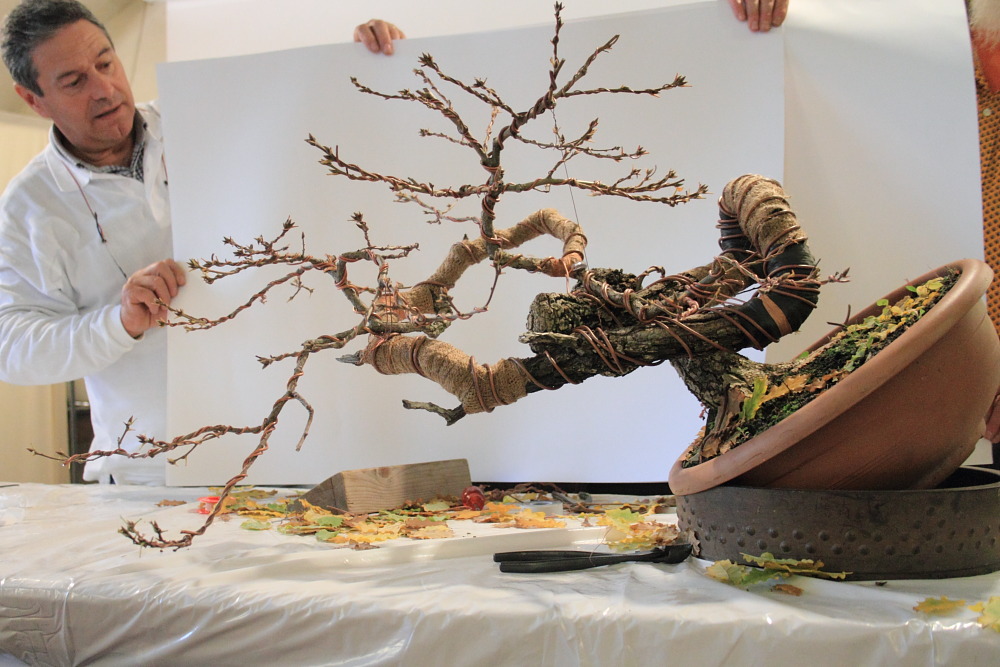
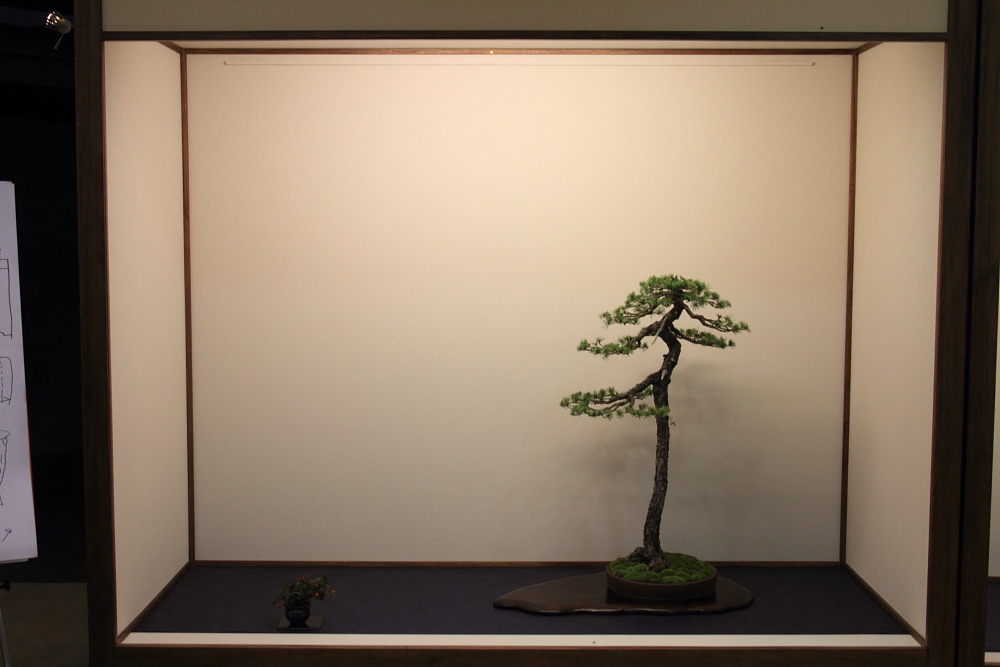
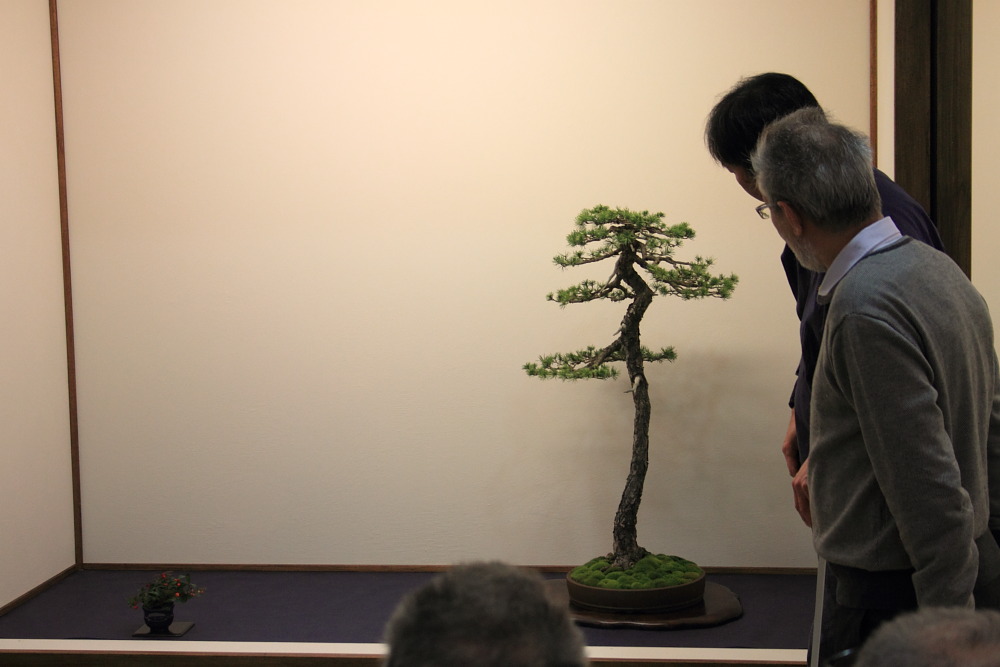
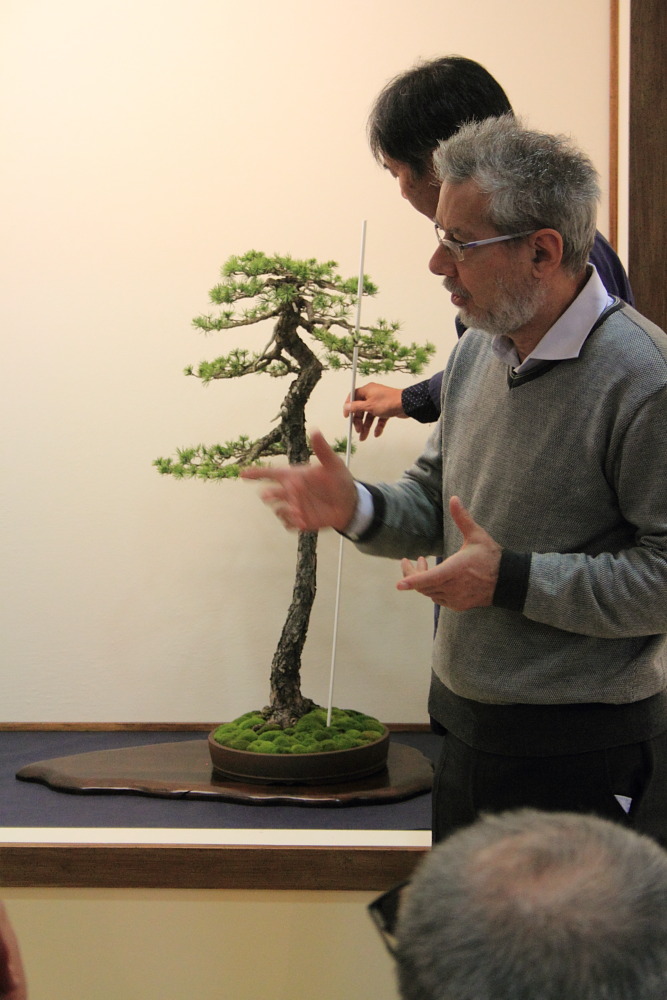
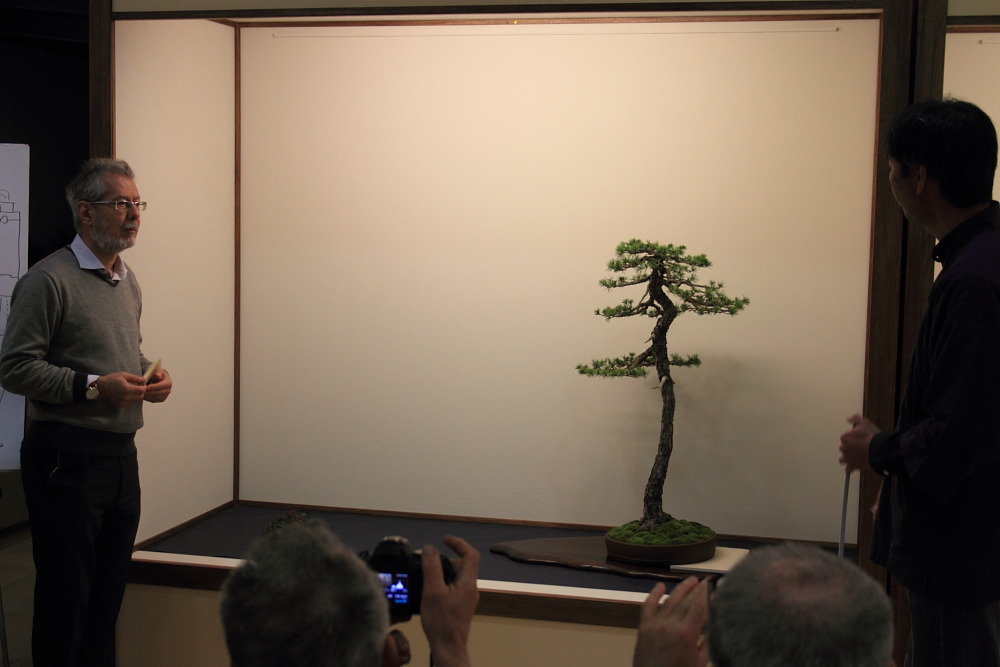
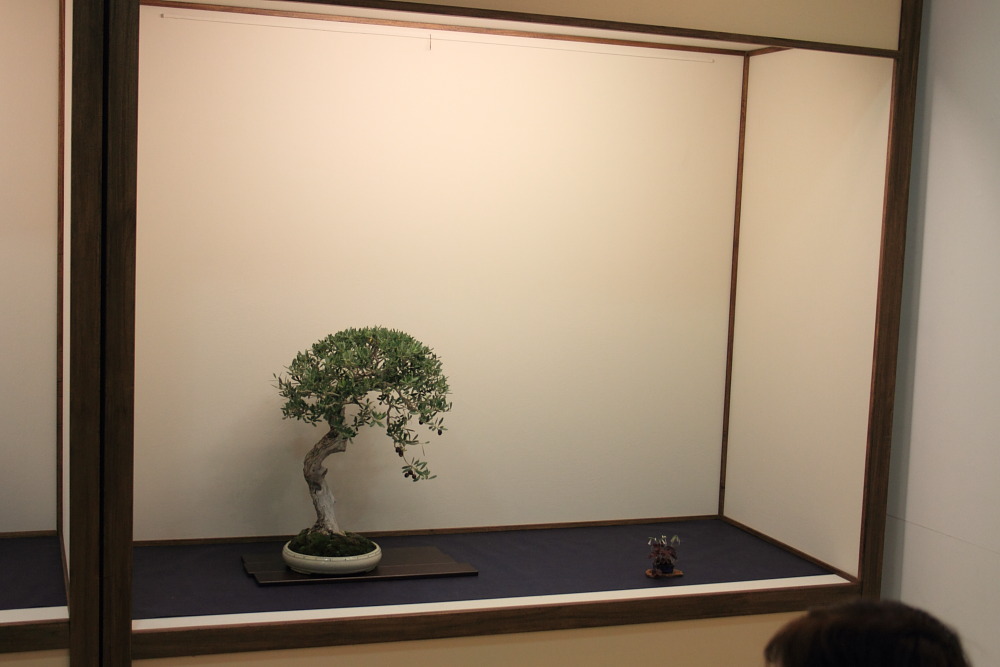
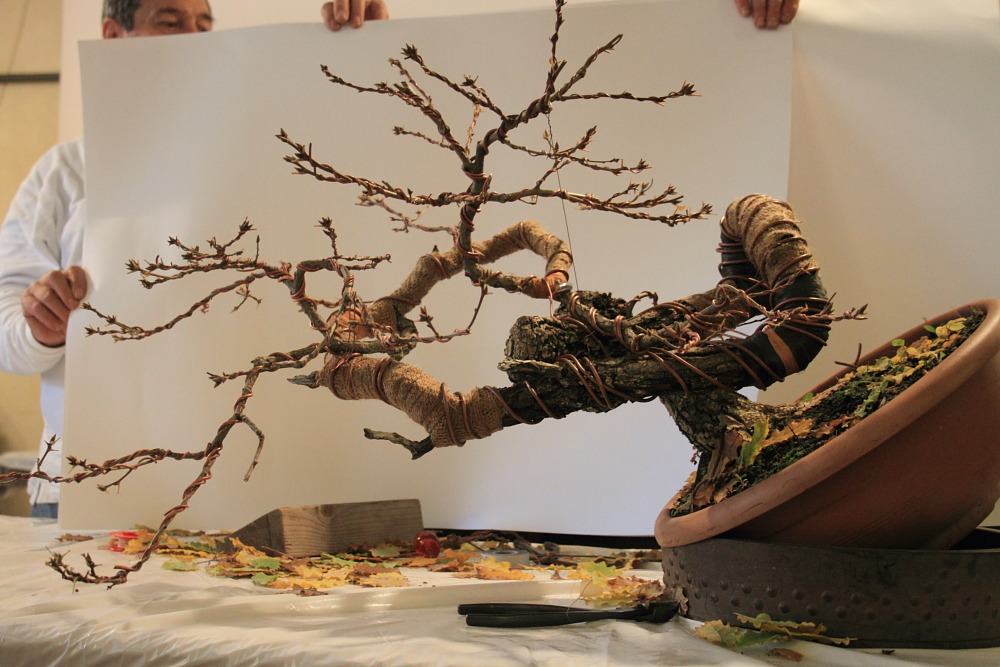 La pianta alla fine della demo
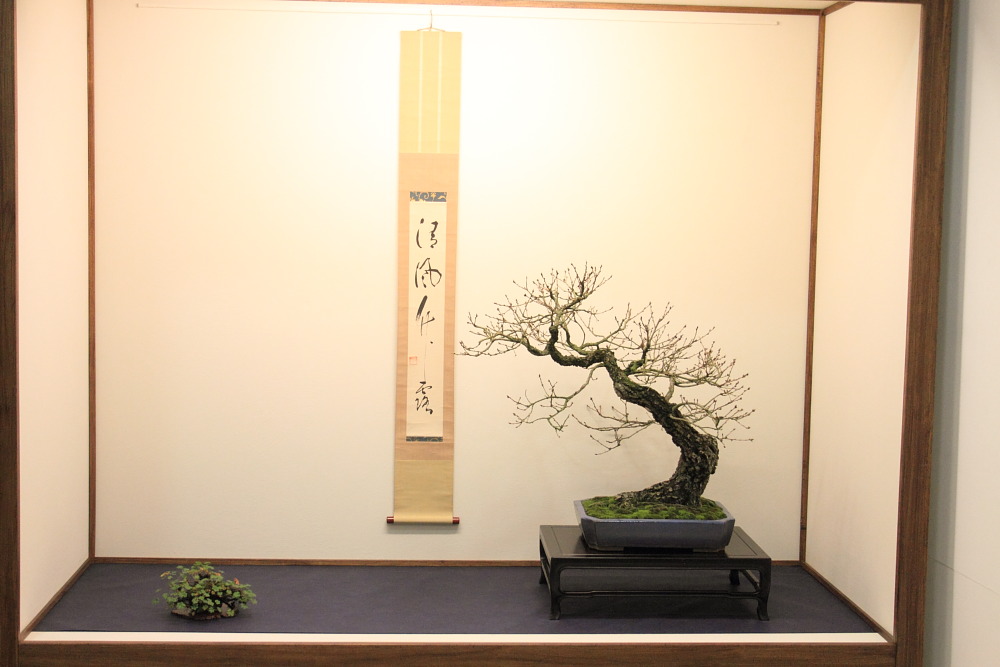
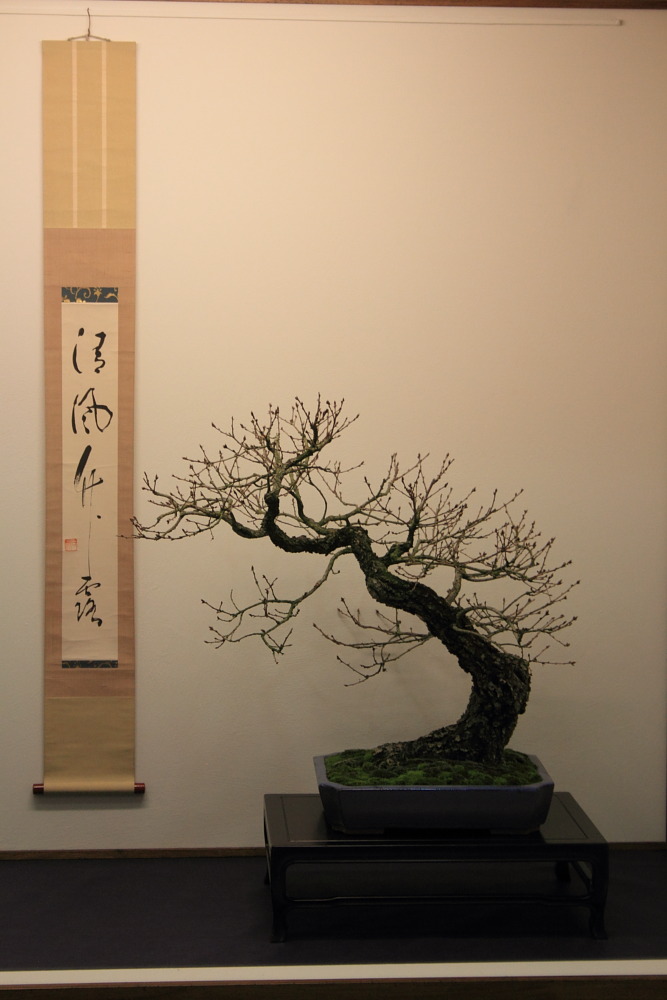
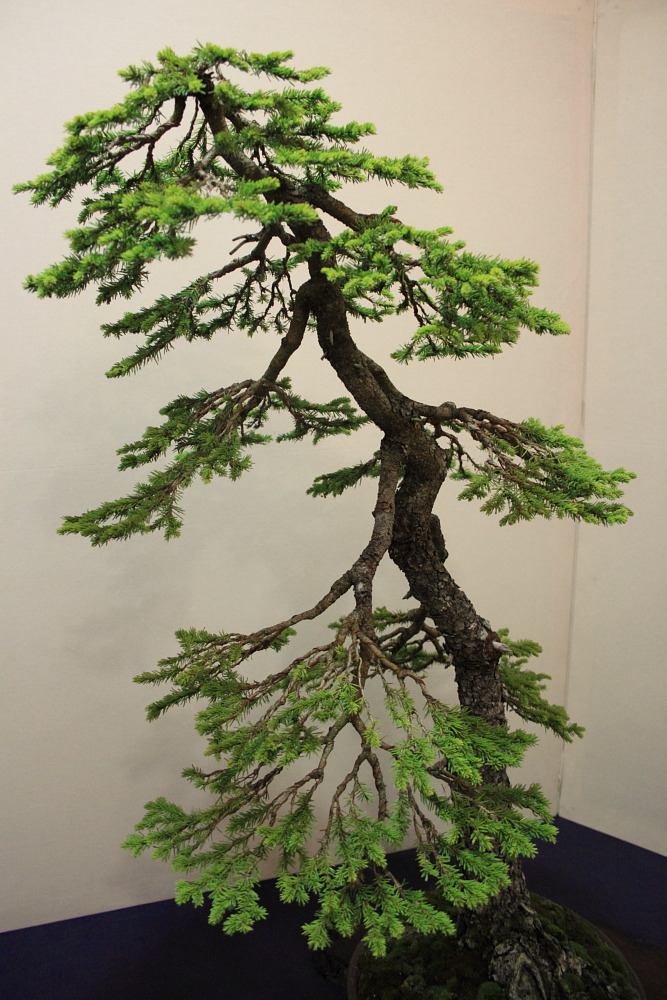
Il risultato è un semi cascata, han kengai, quasi bunjin.
Voglio mantenere la vegetazione molto leggera e femminile in modo che rispetti la tipicità dell’essenza, la Rashisa.
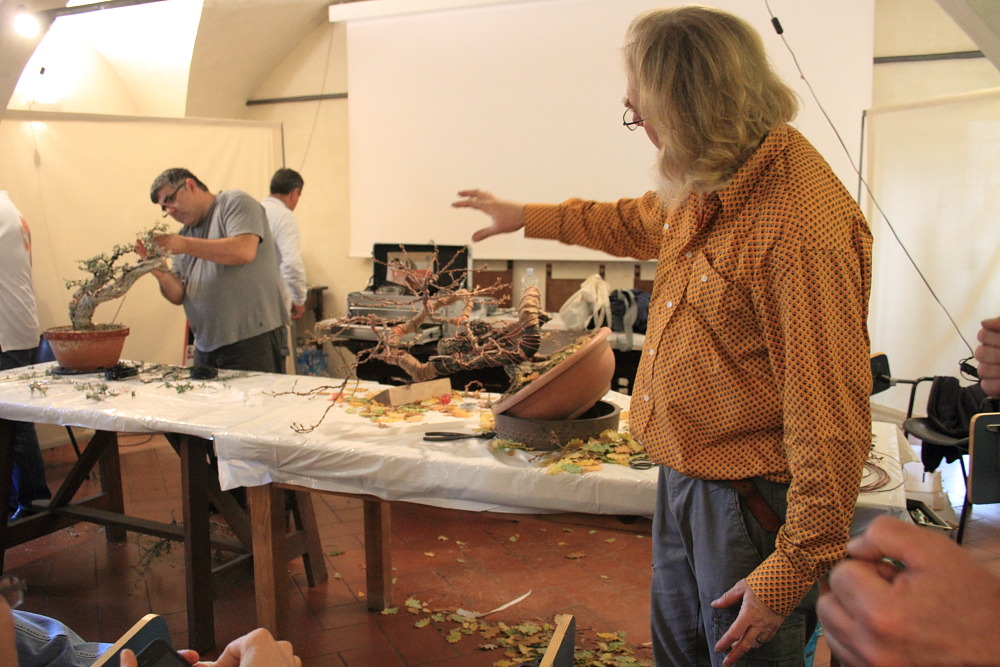



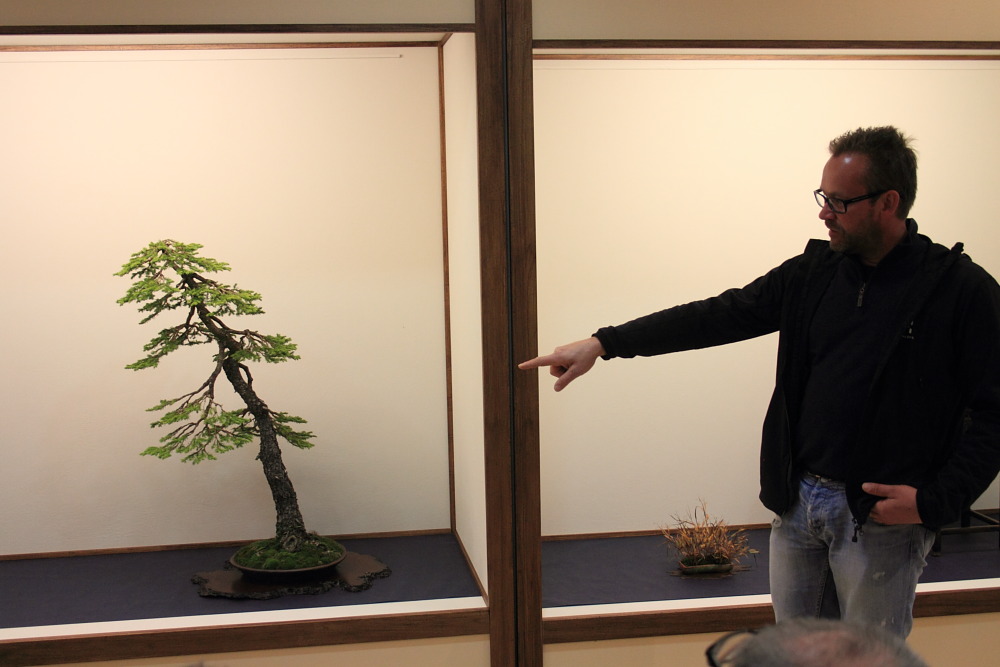
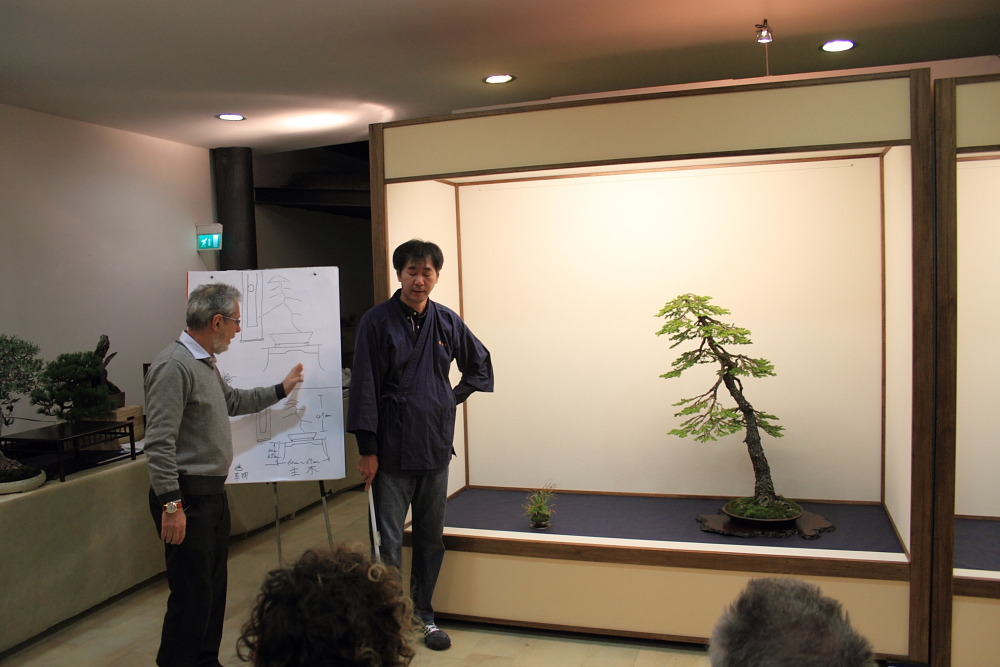
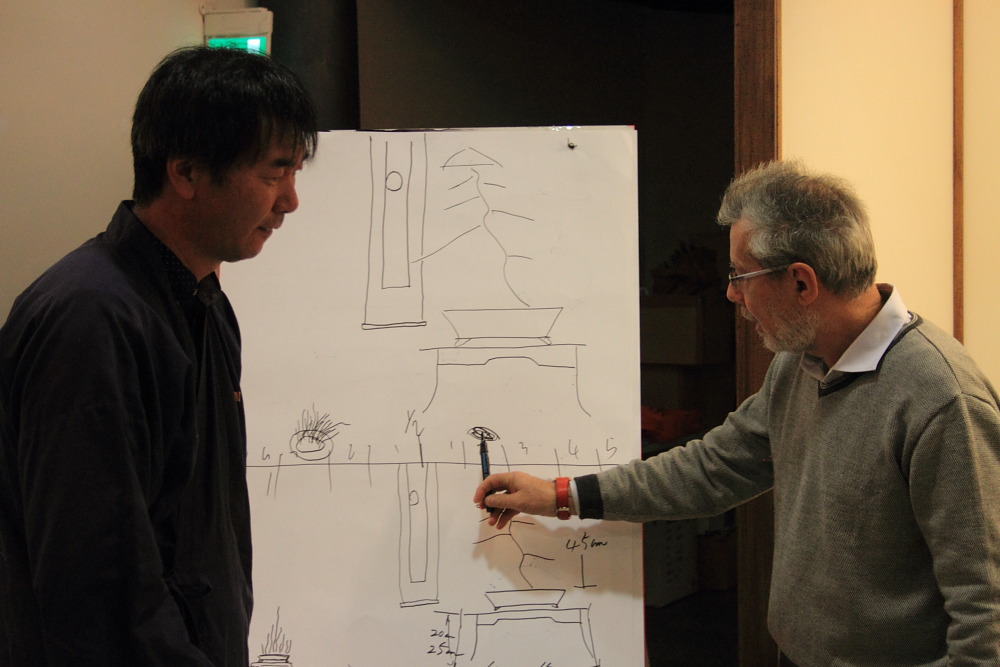
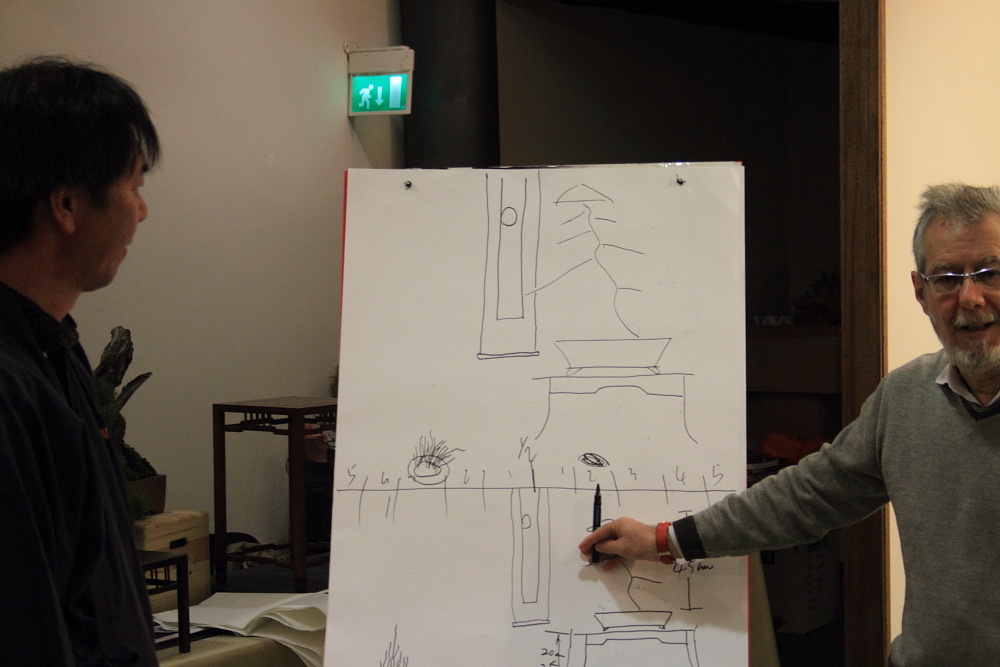
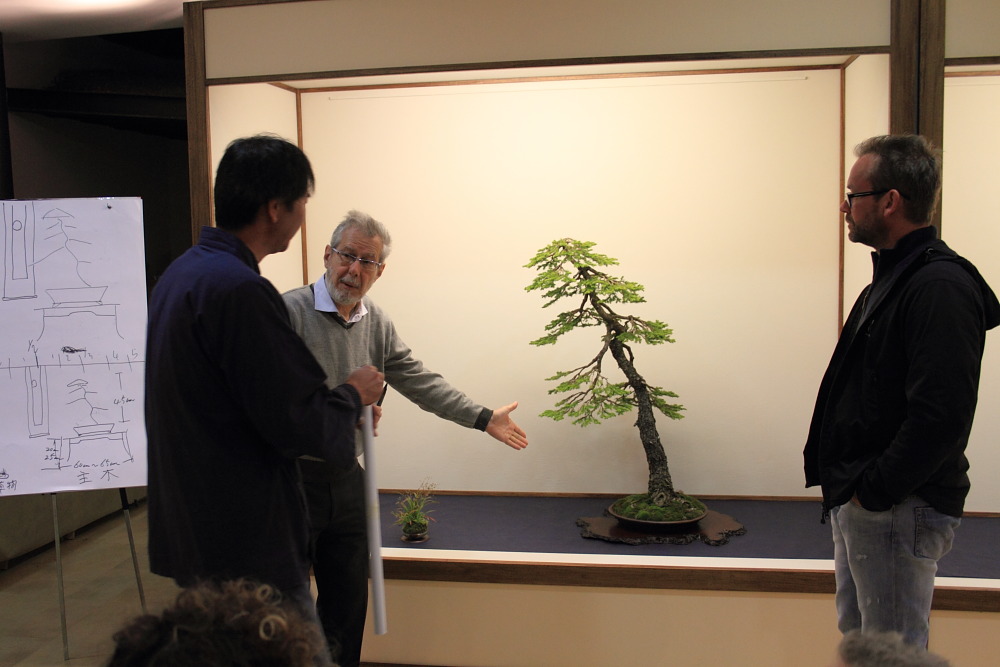
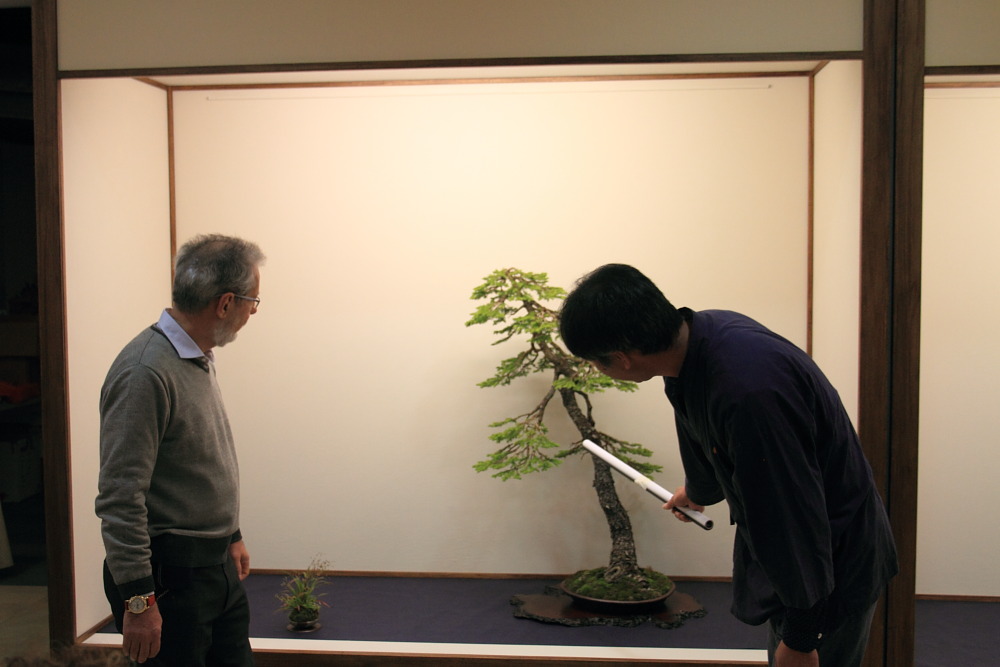
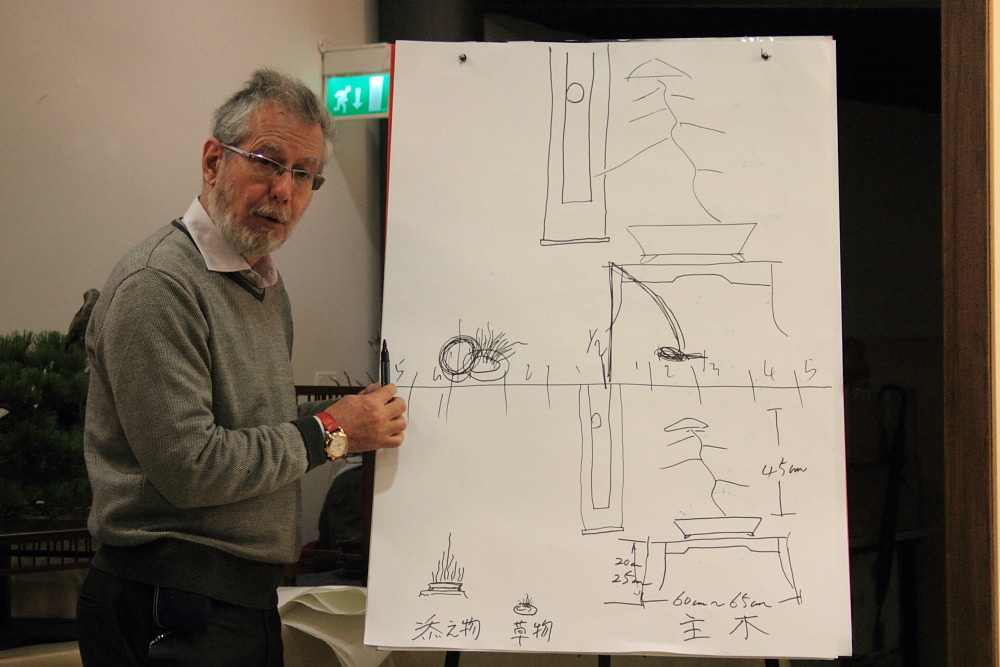
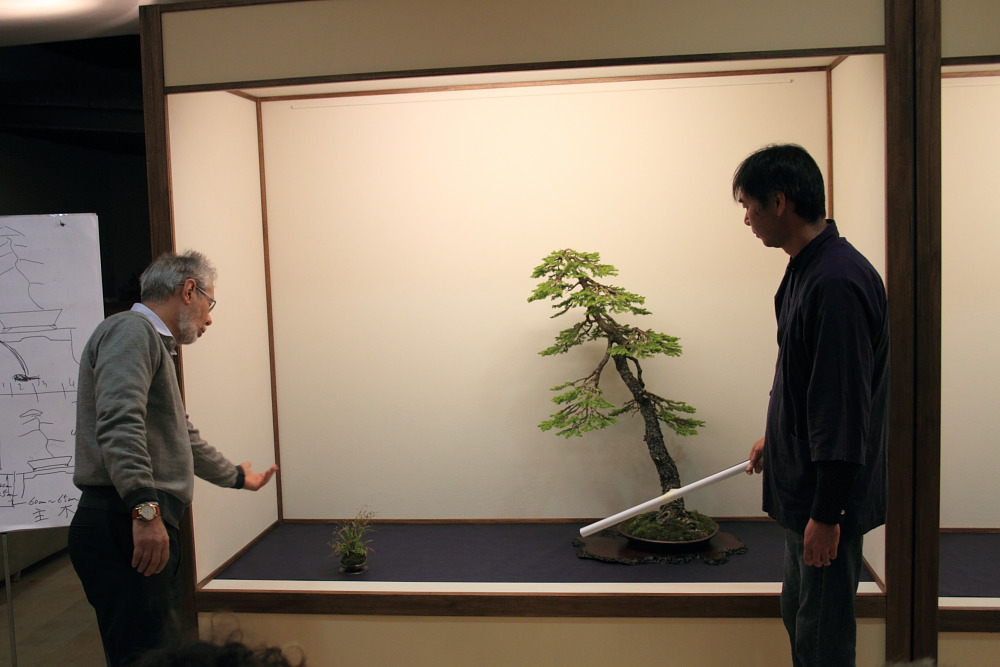
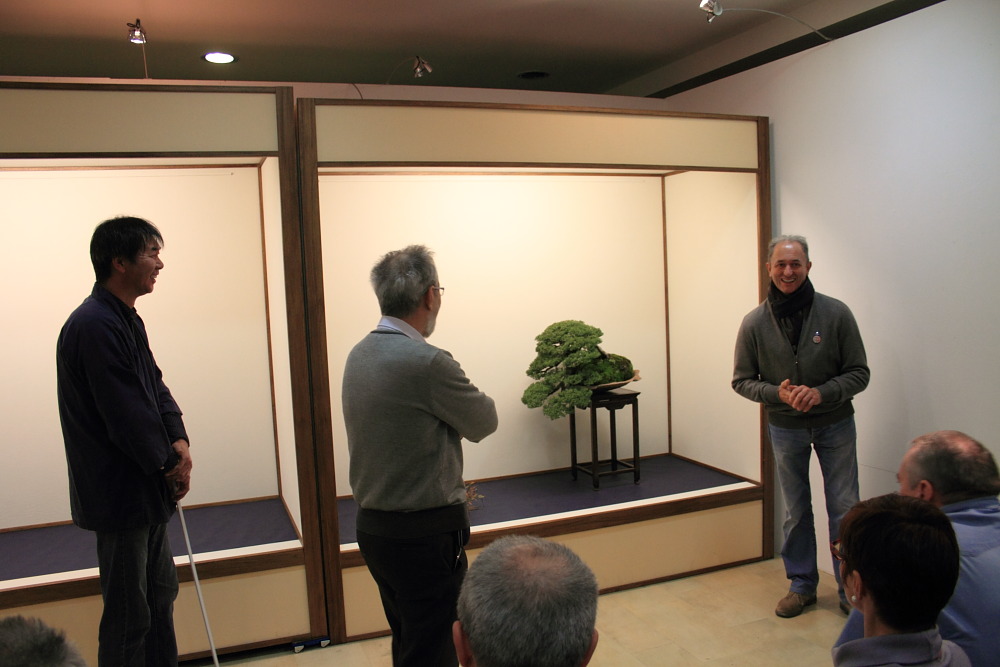
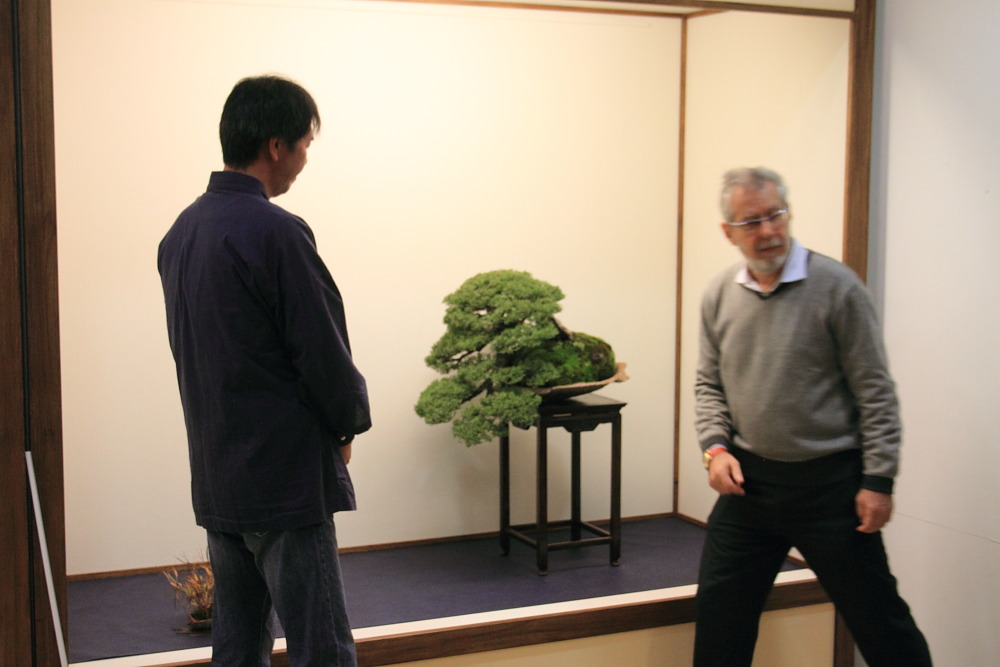
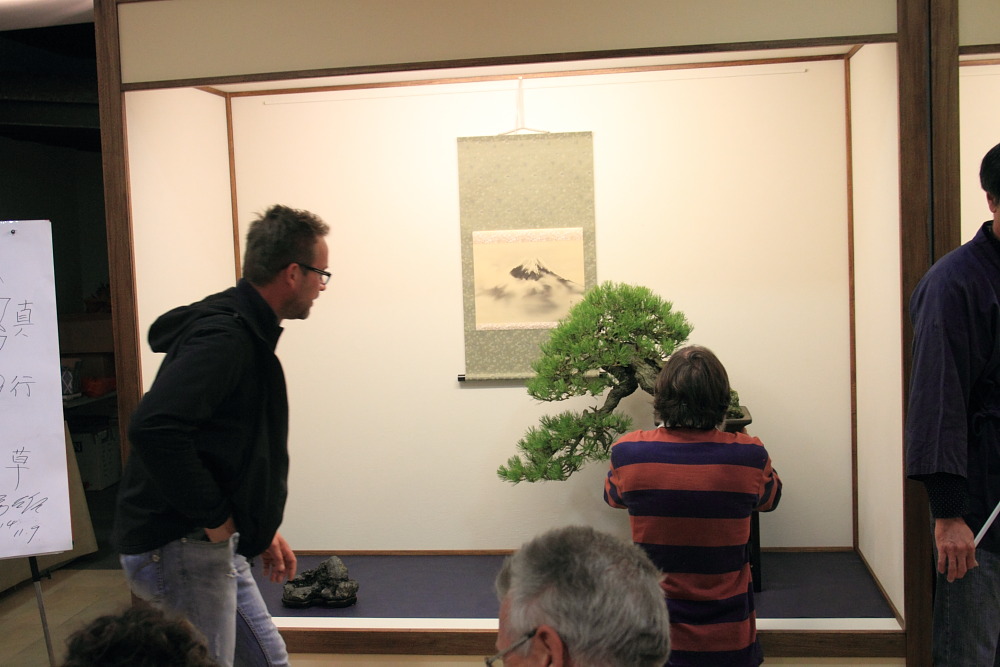
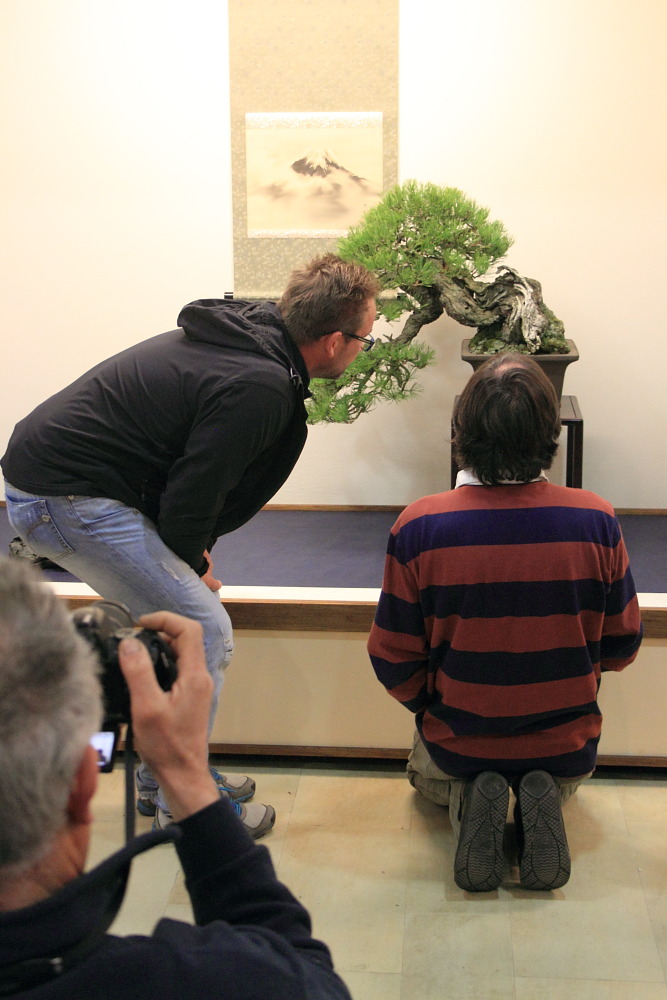
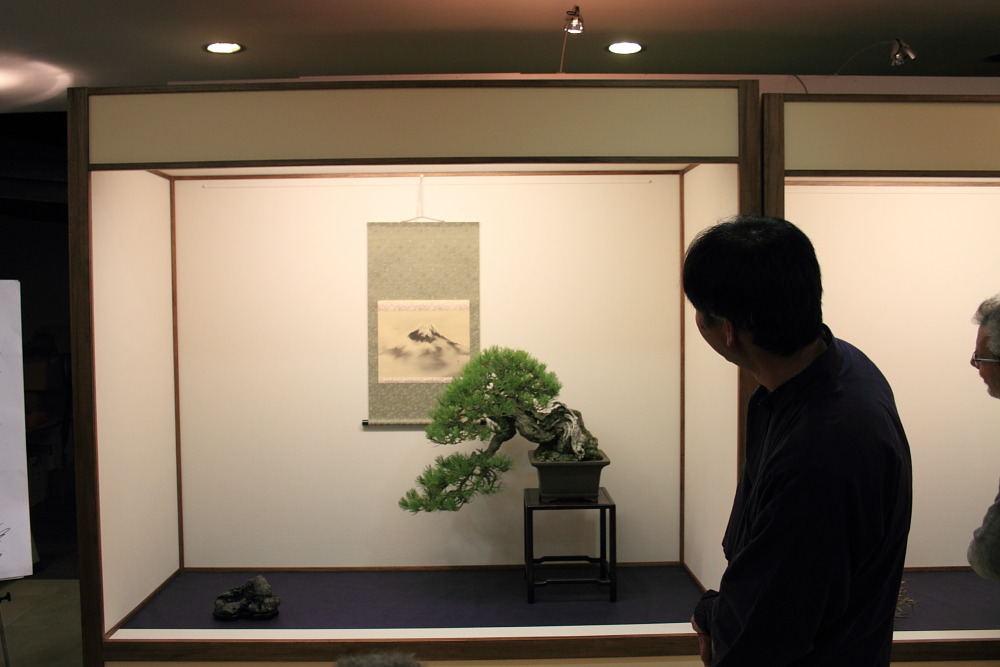
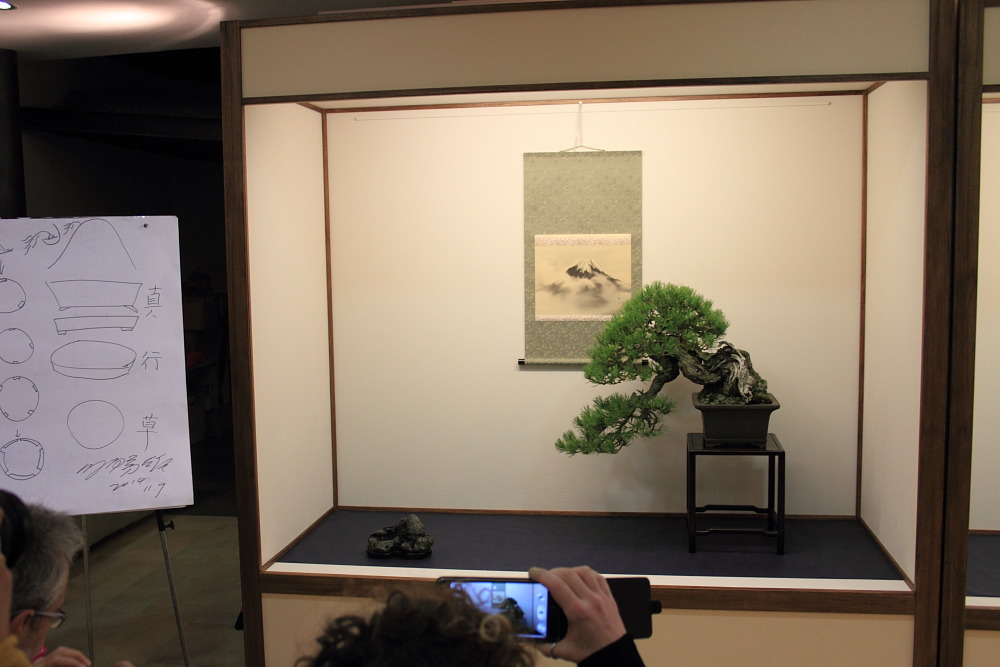
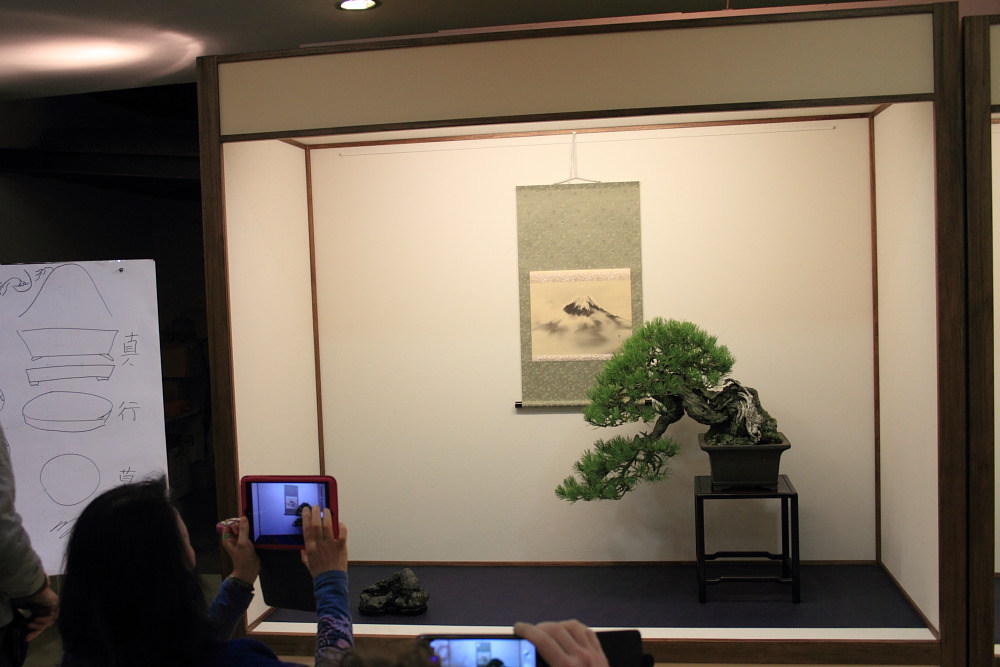
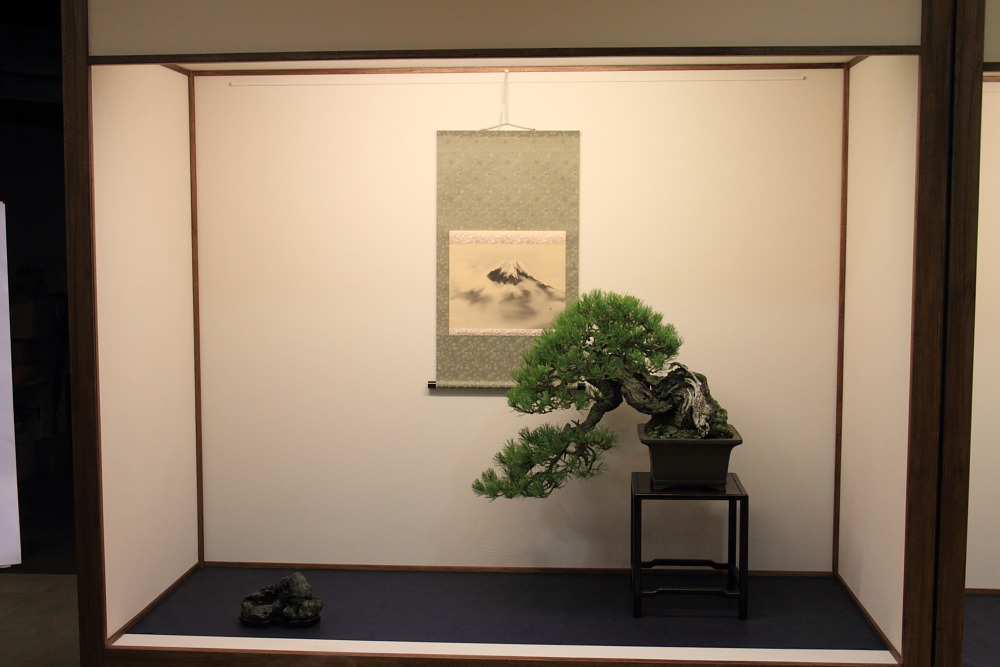
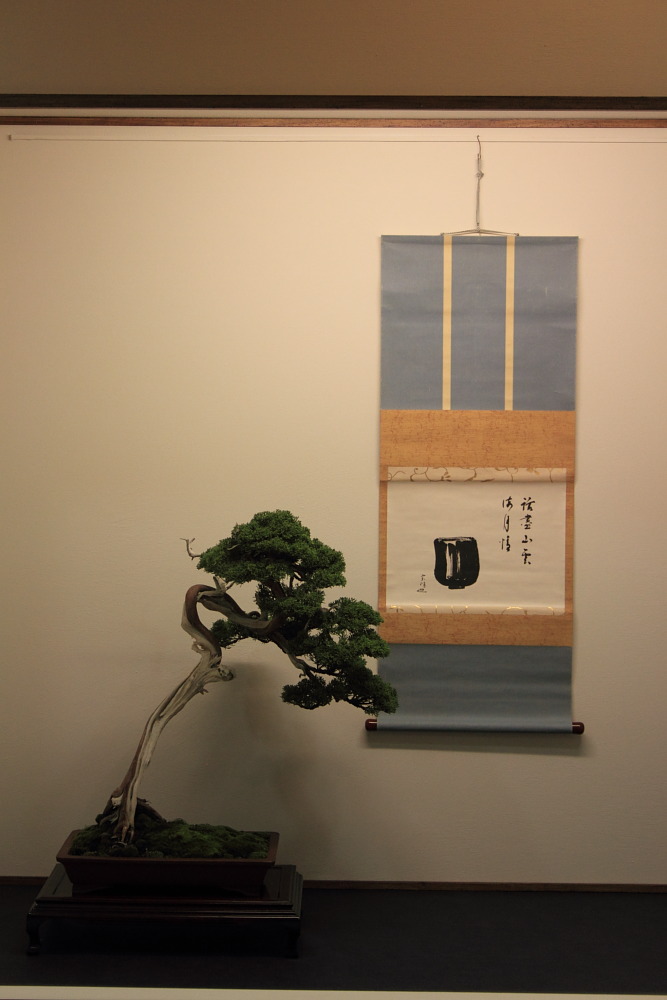
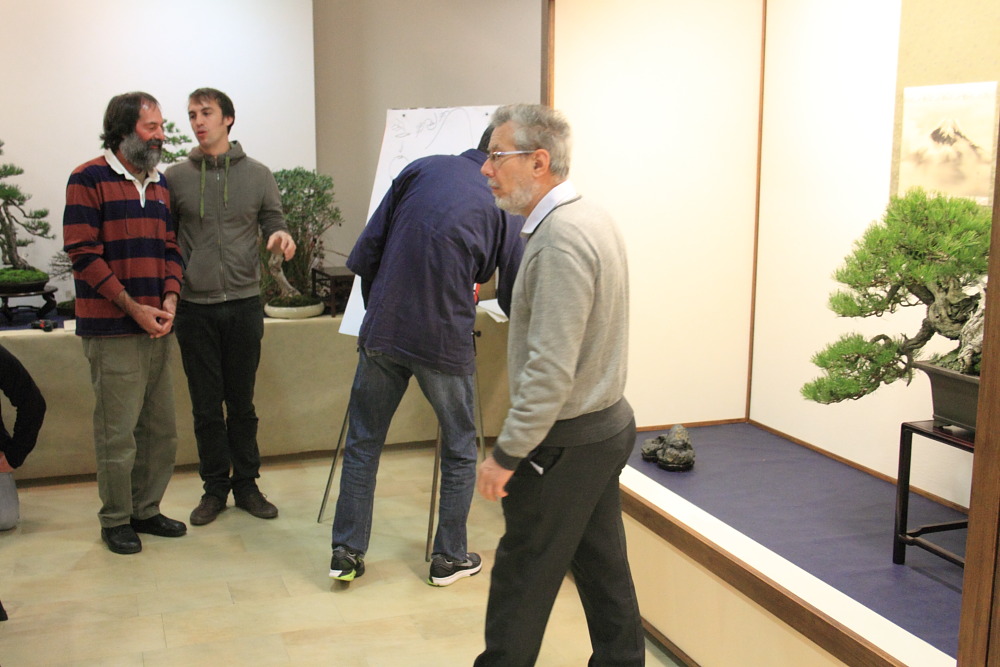
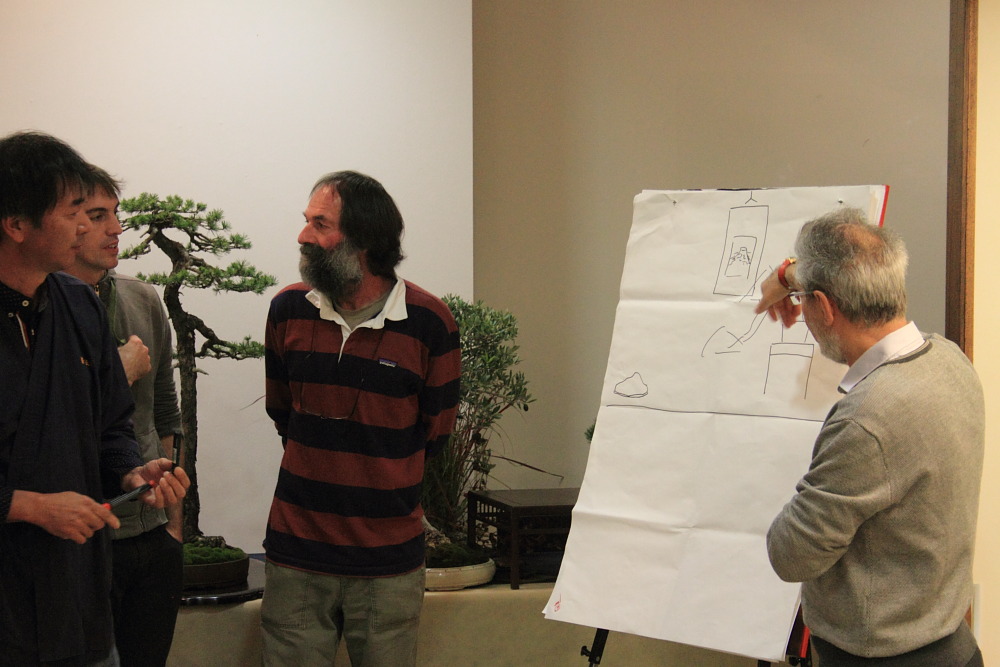
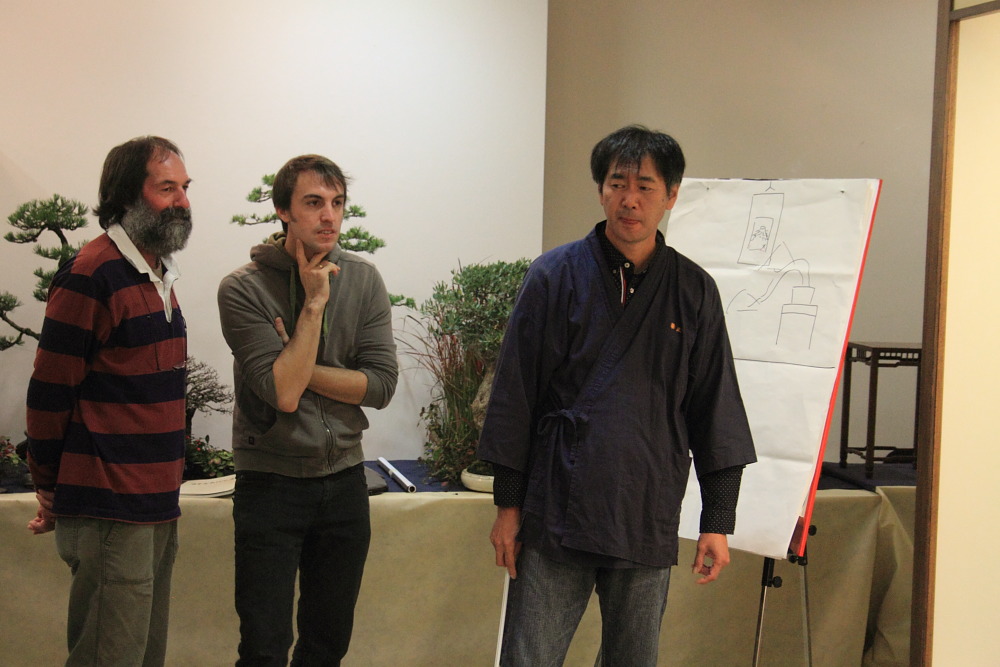
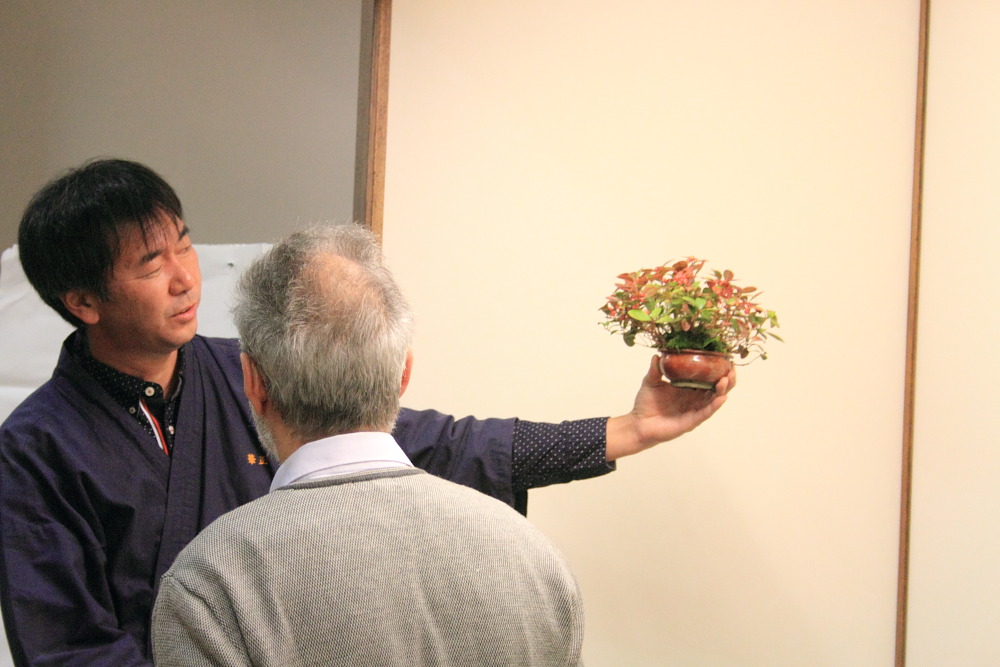
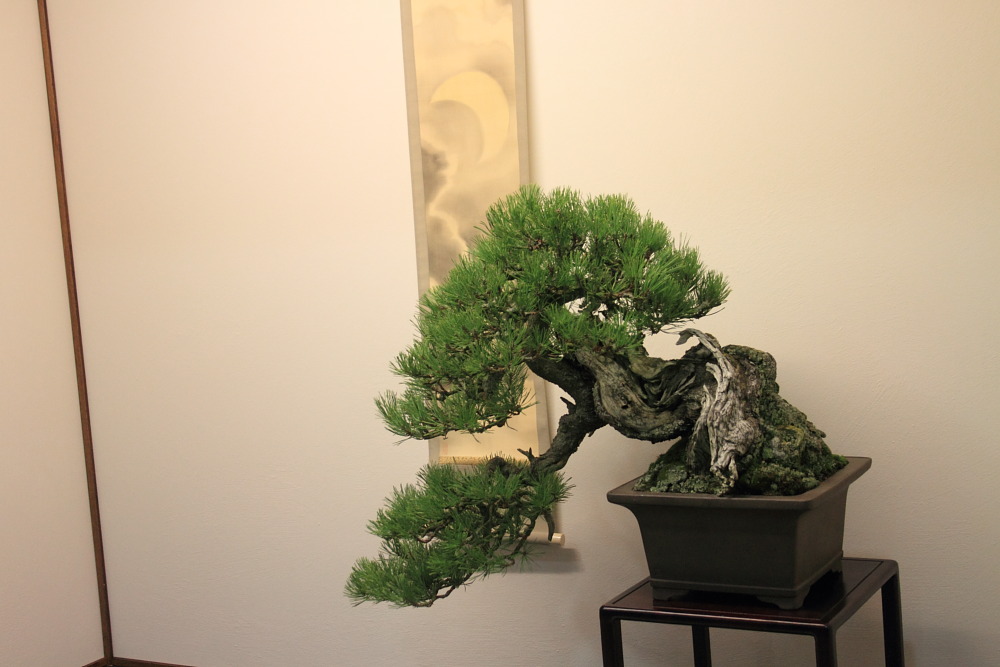
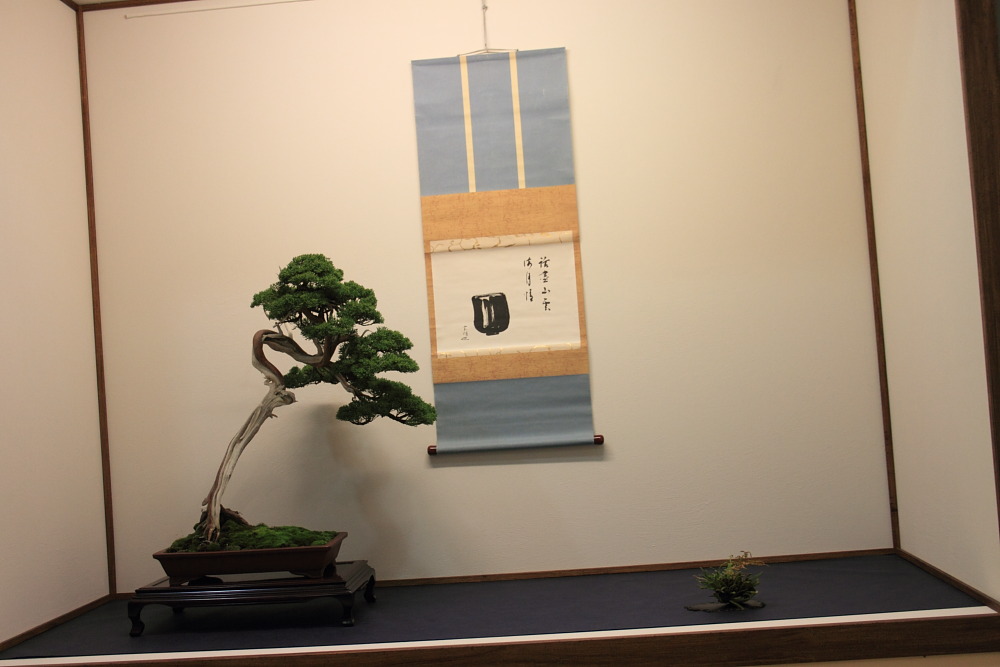
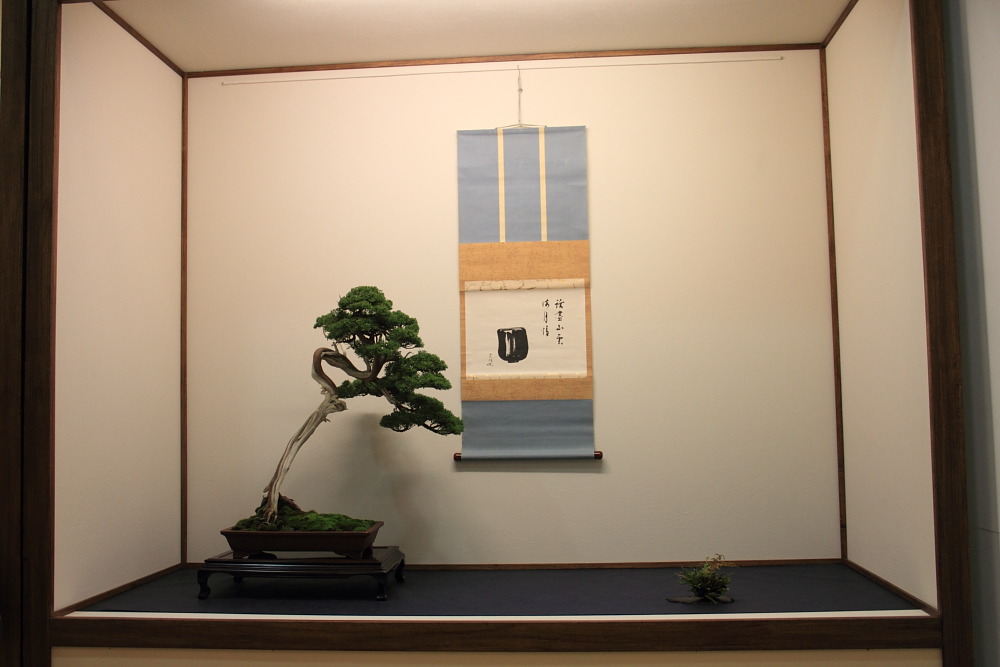
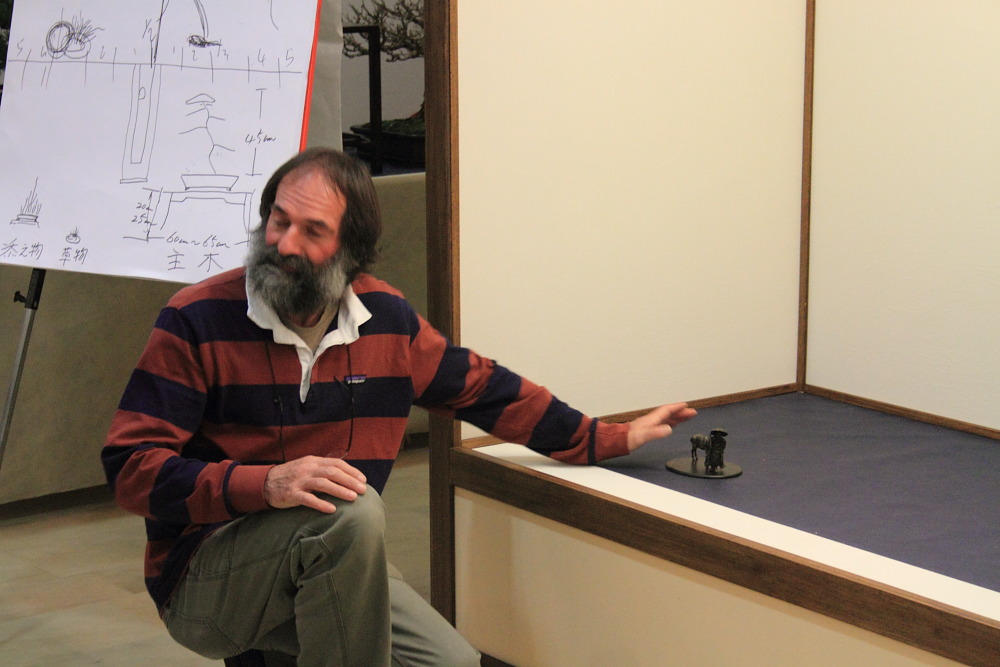
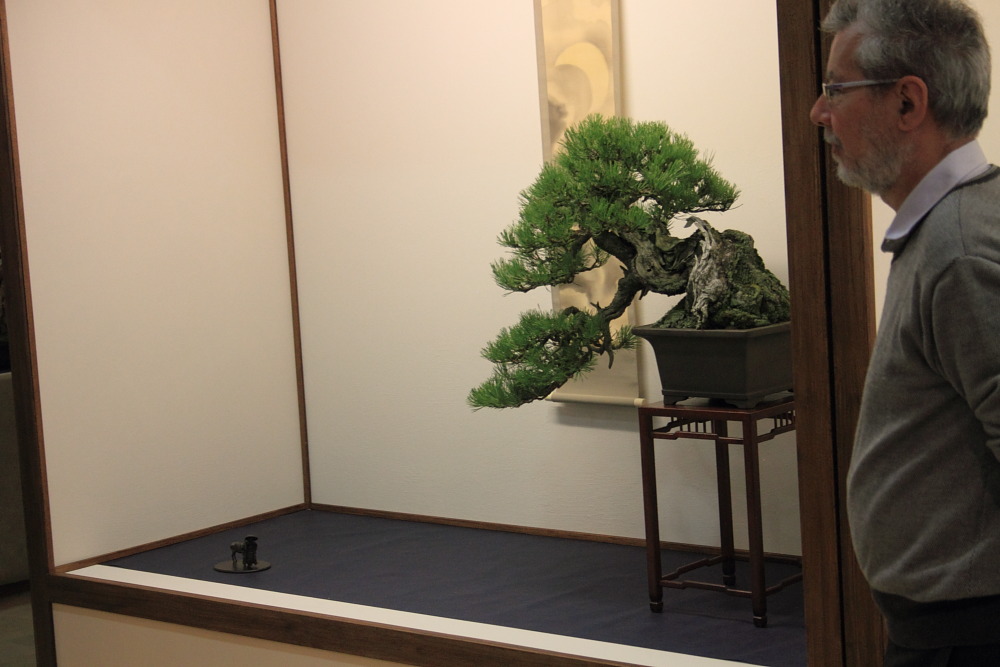
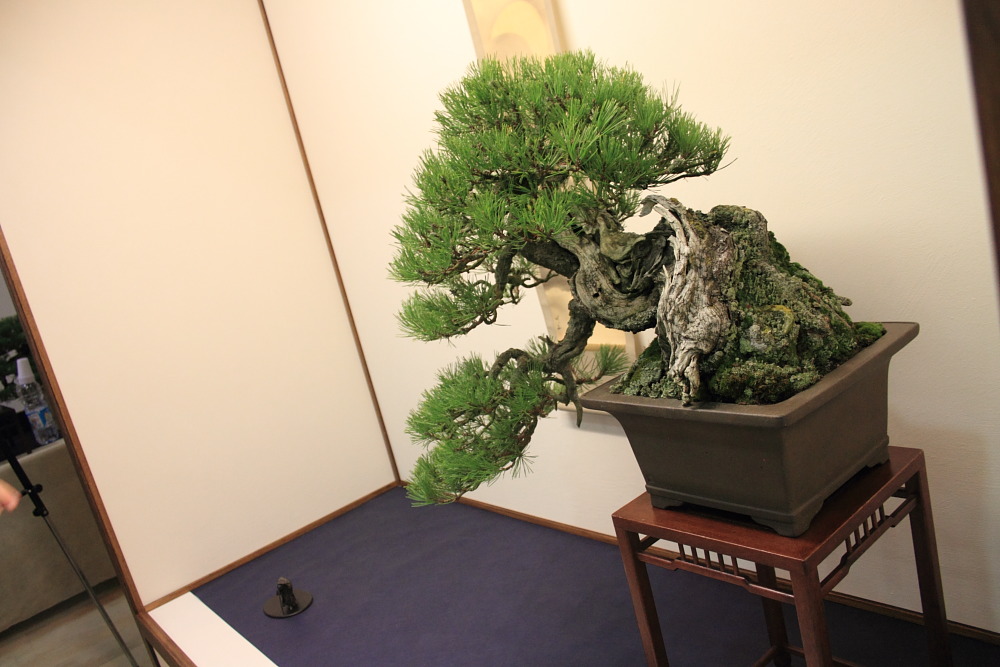
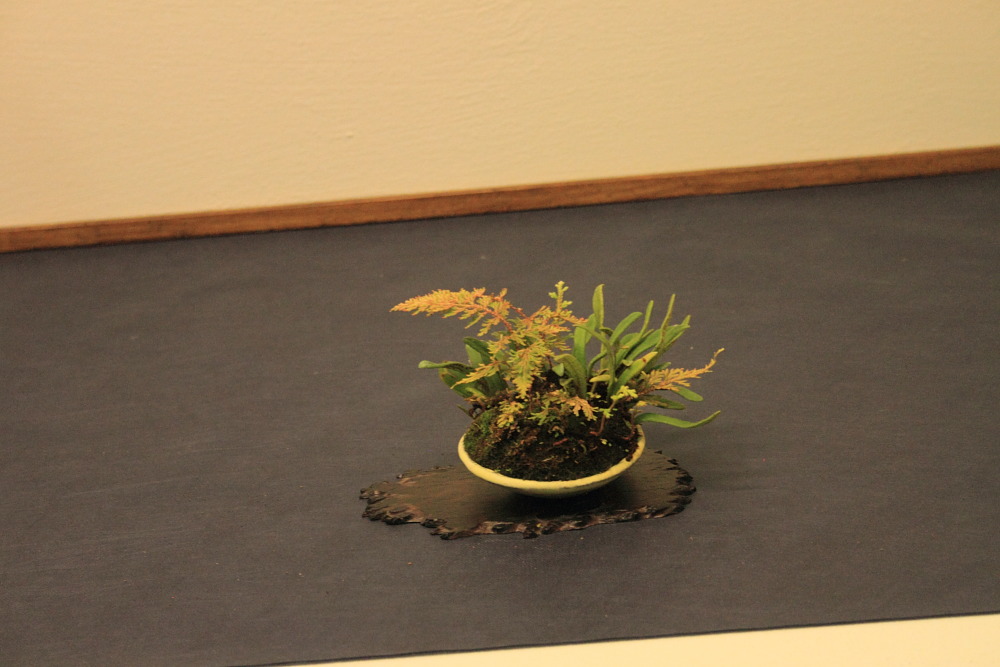
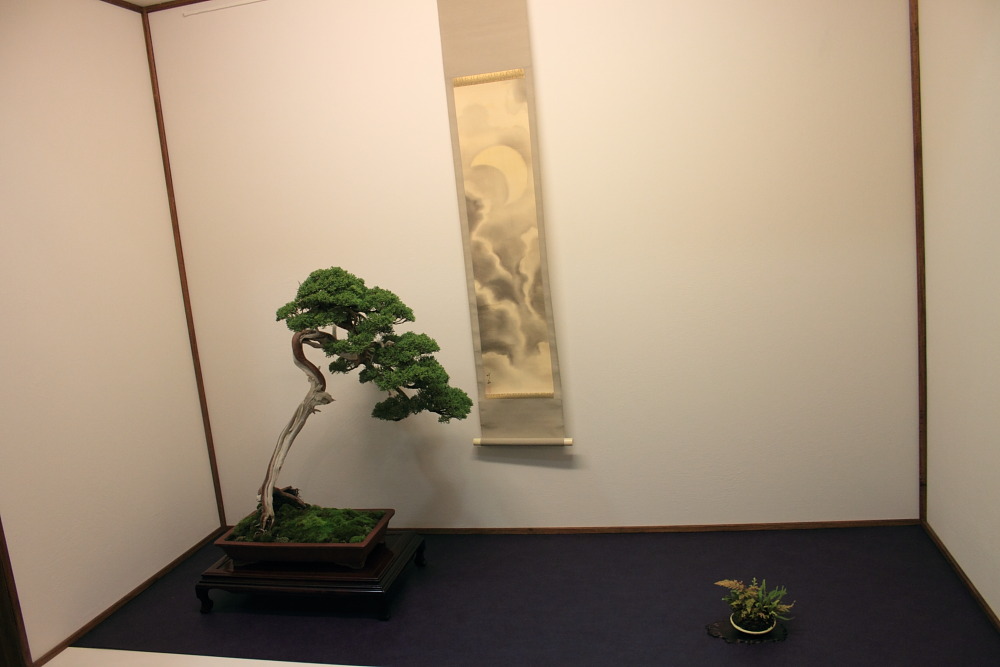
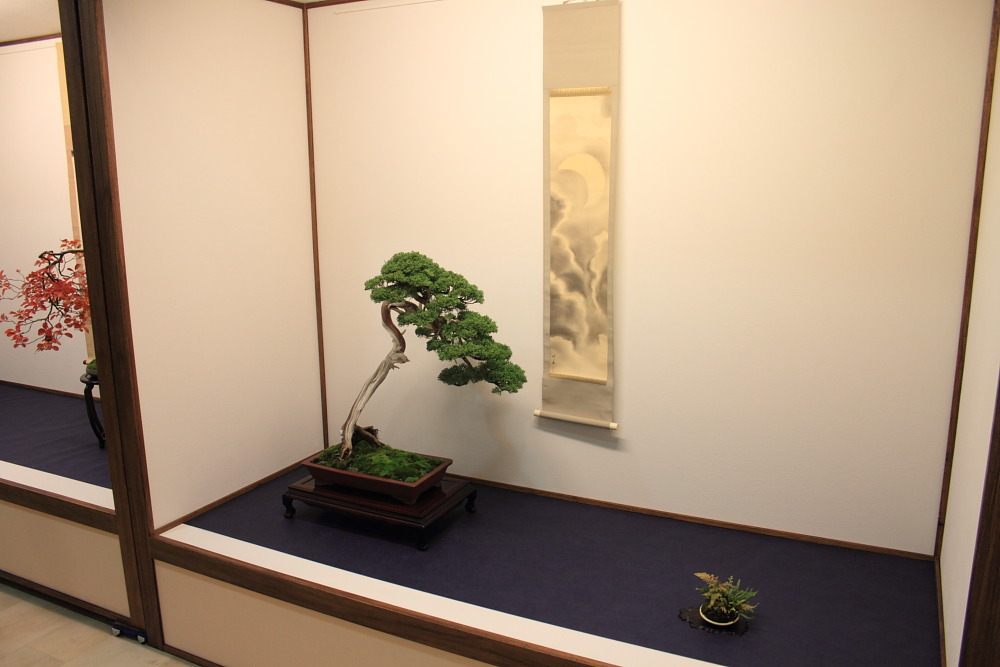
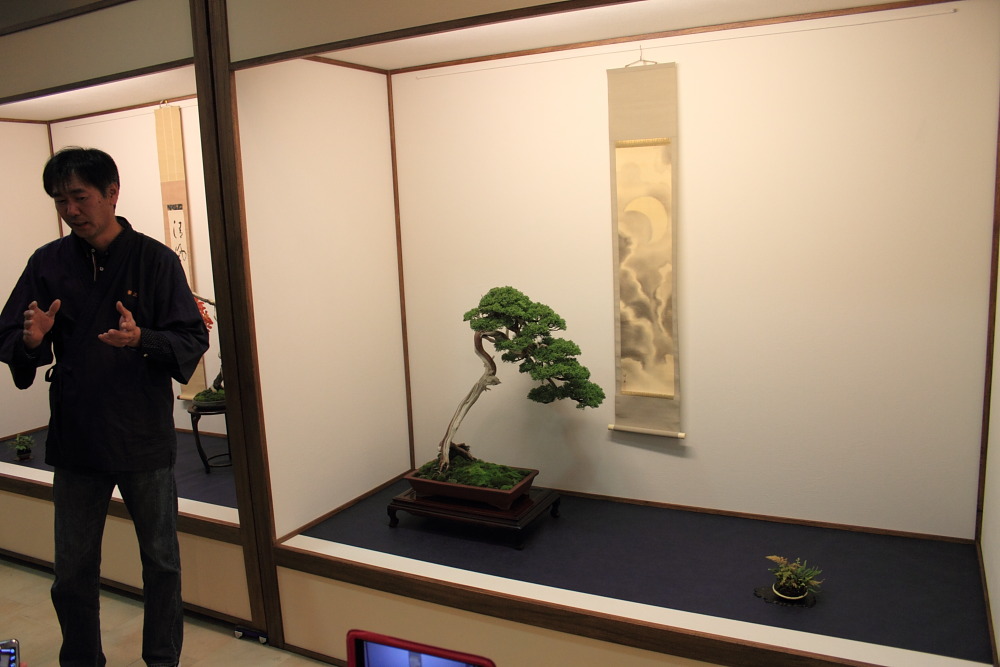
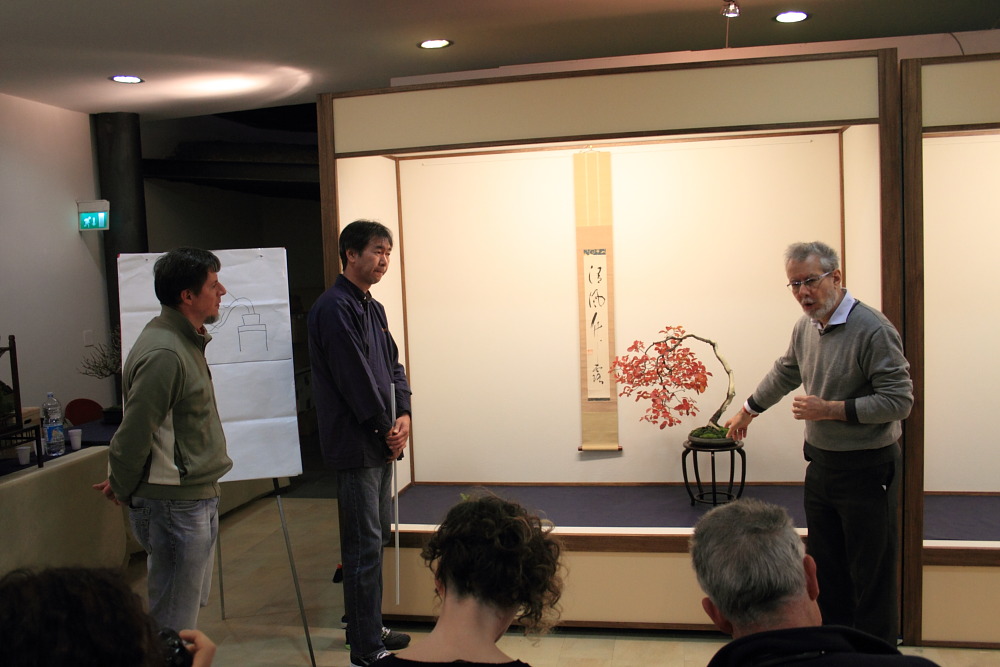
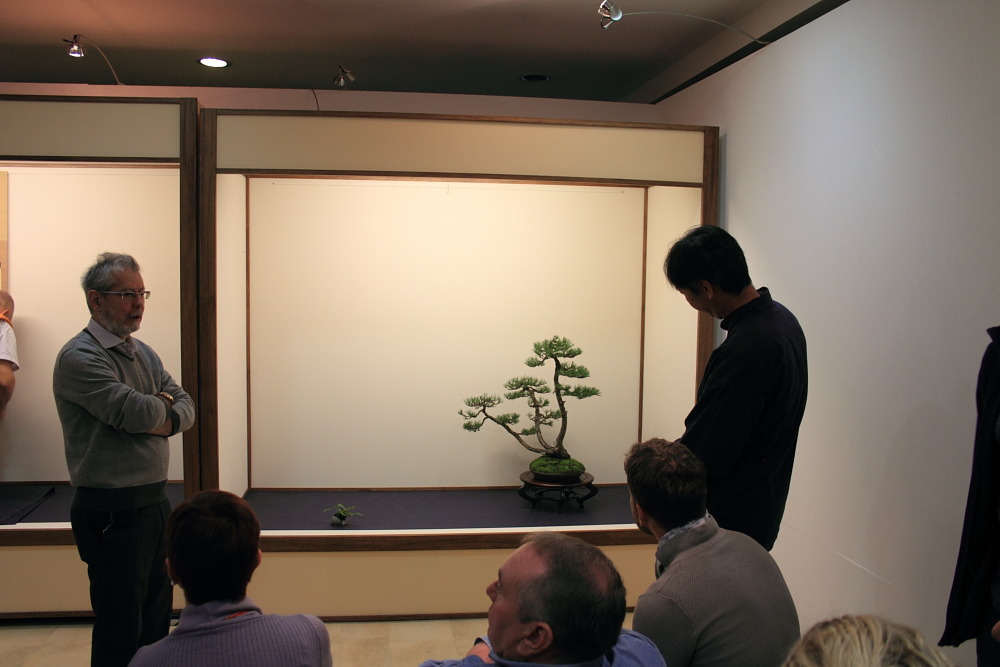
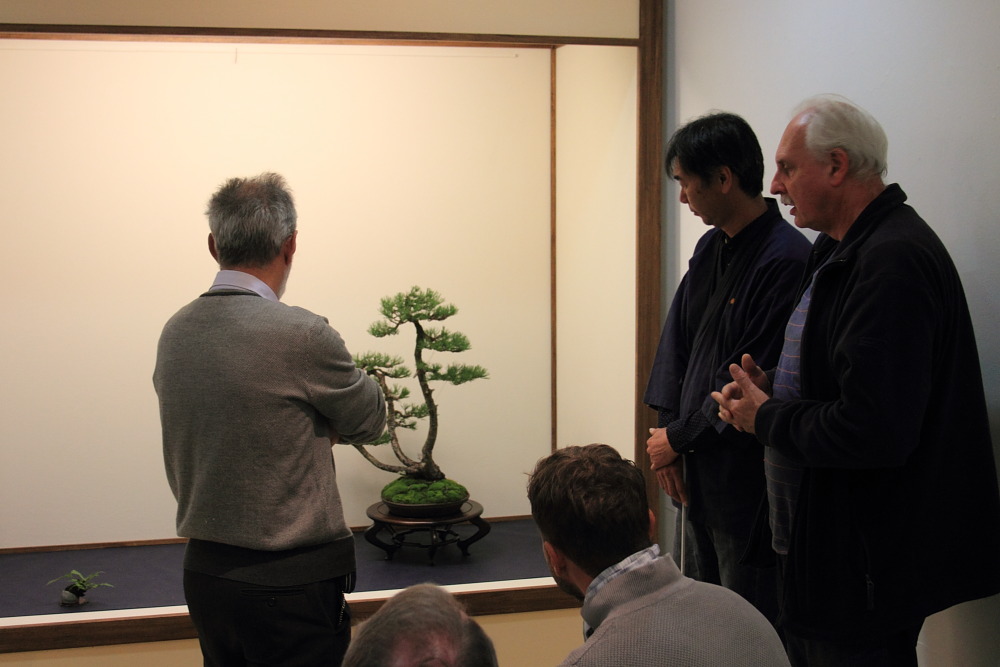
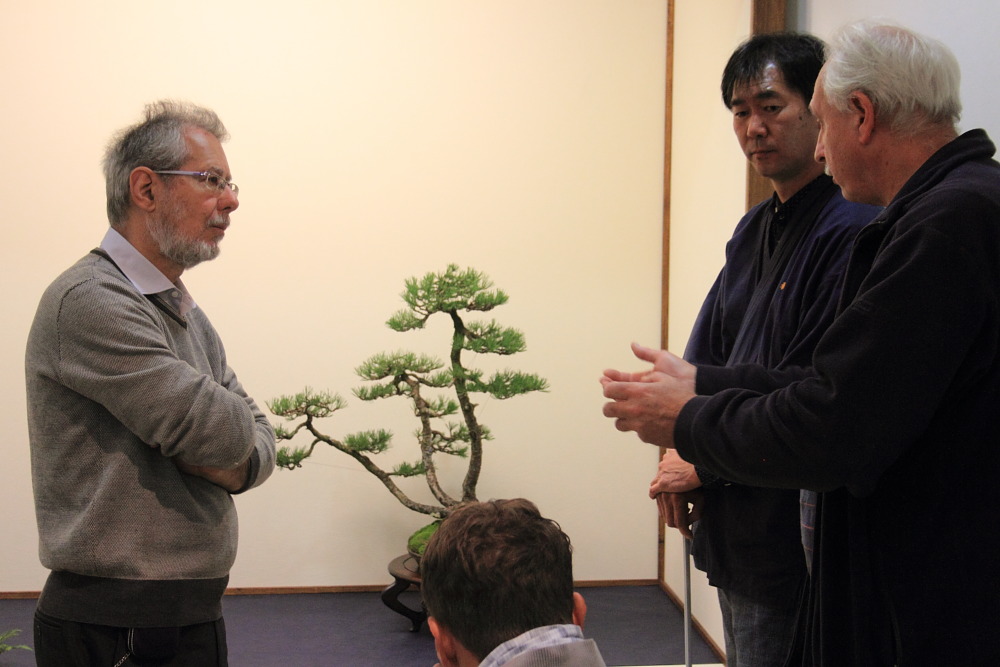
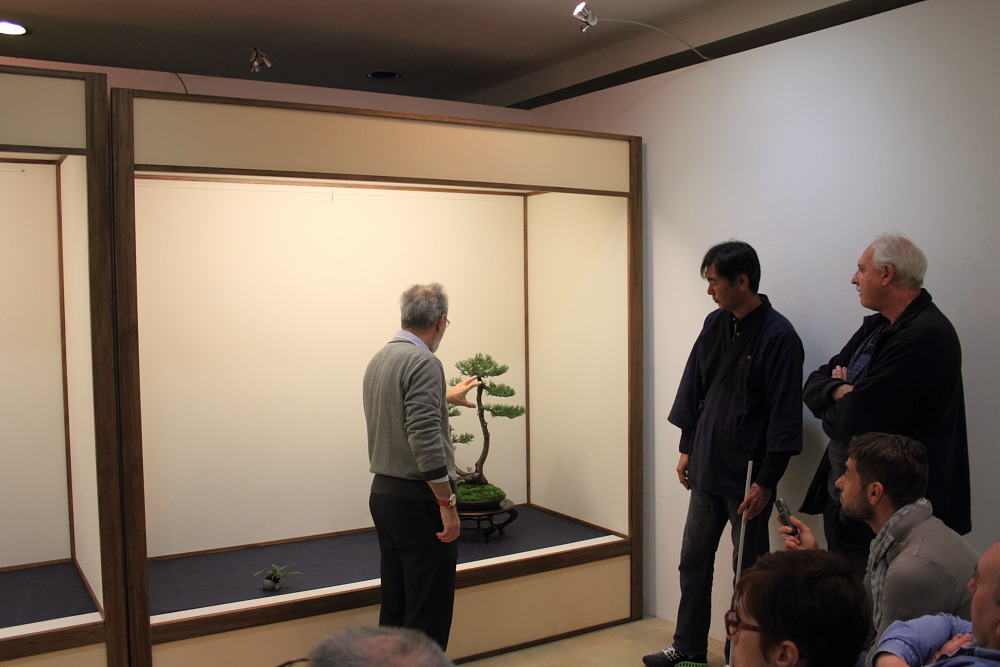
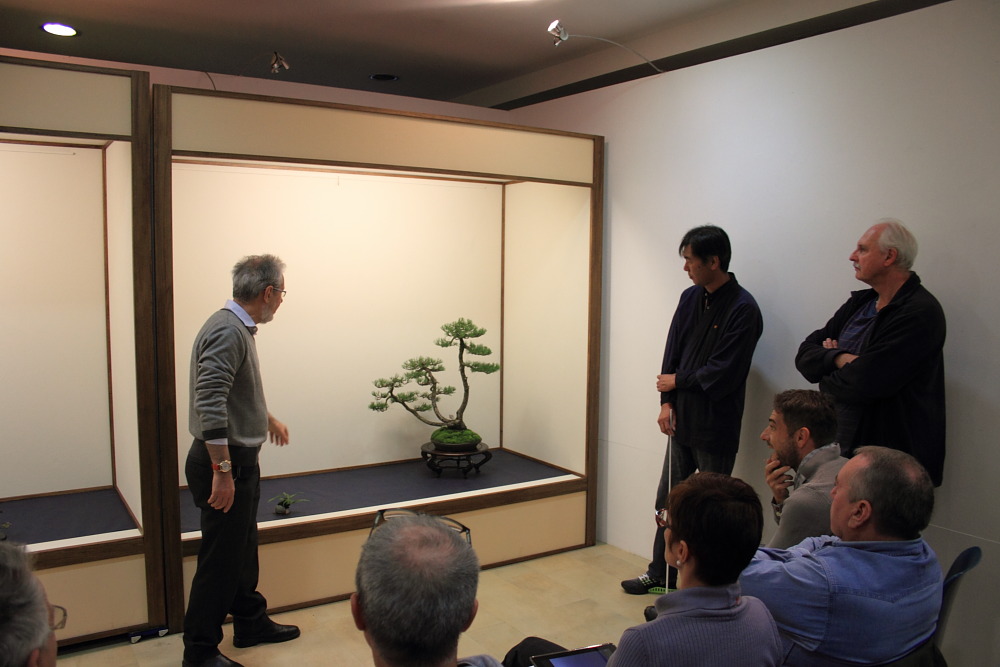
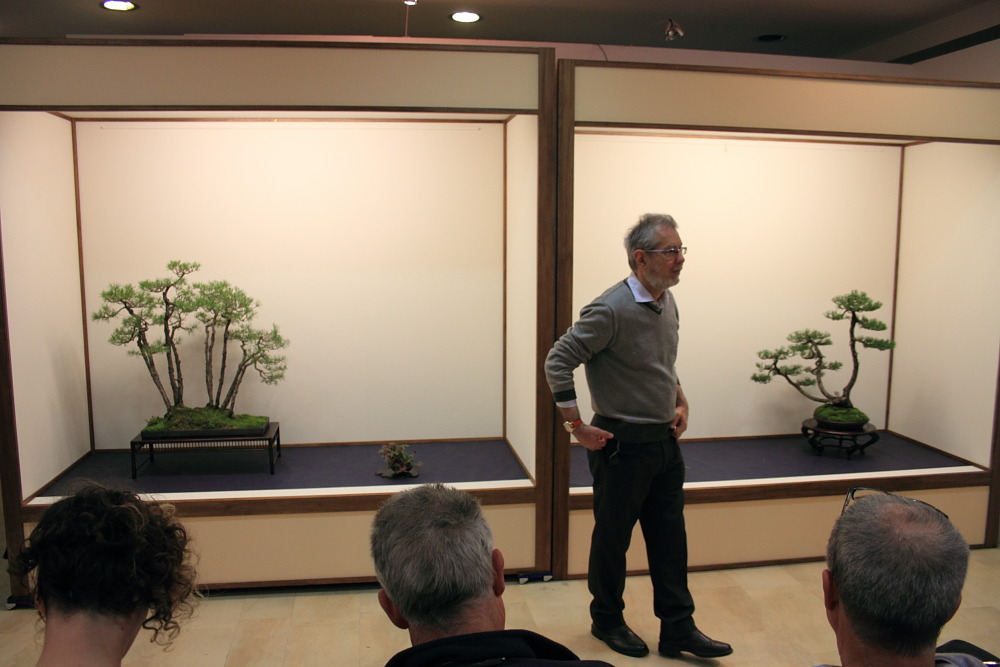
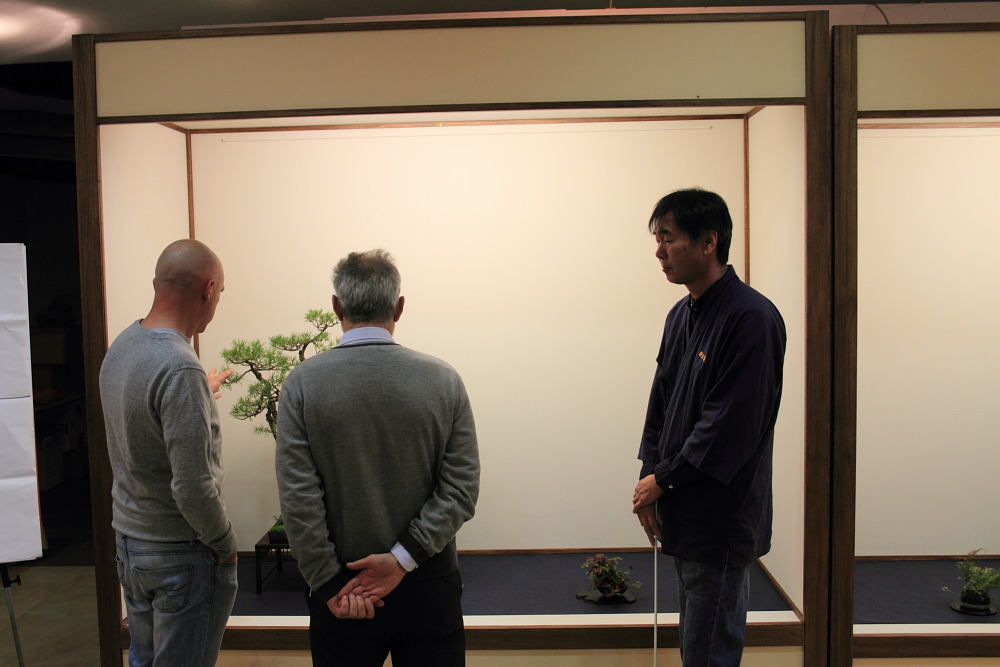
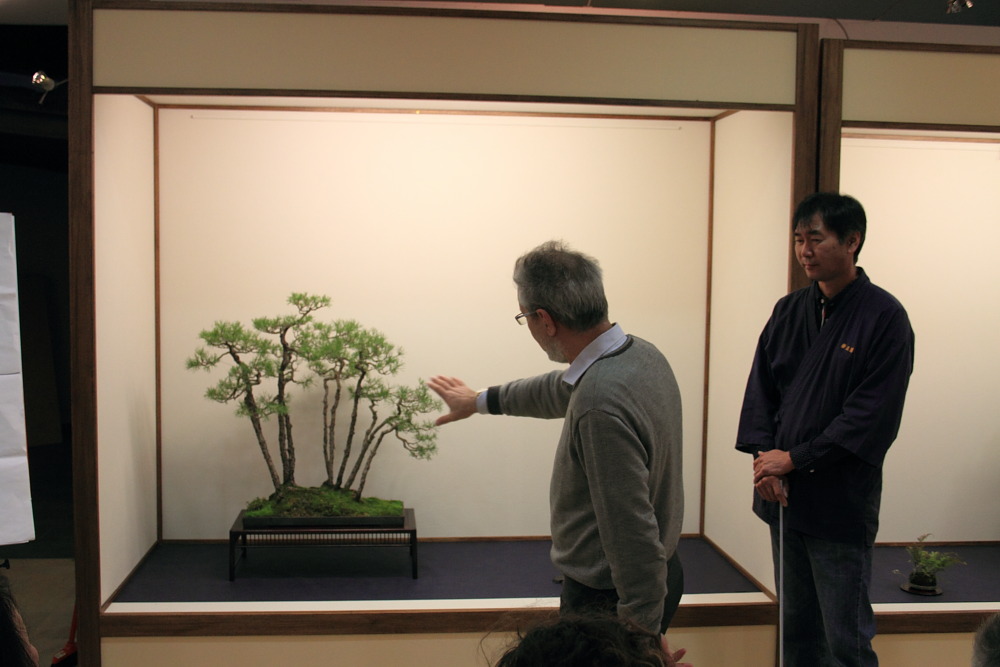
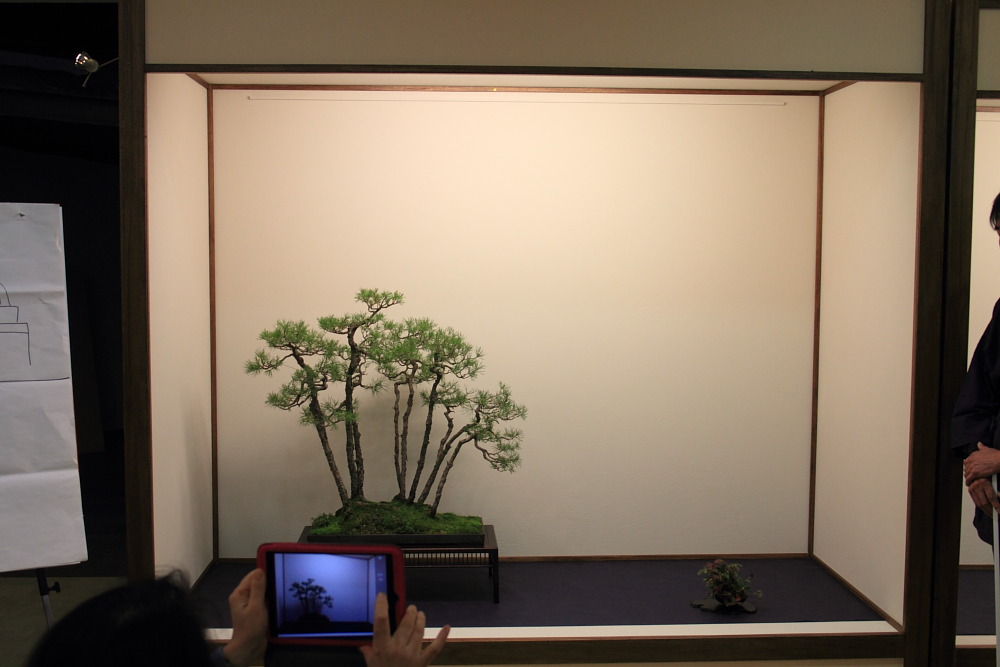
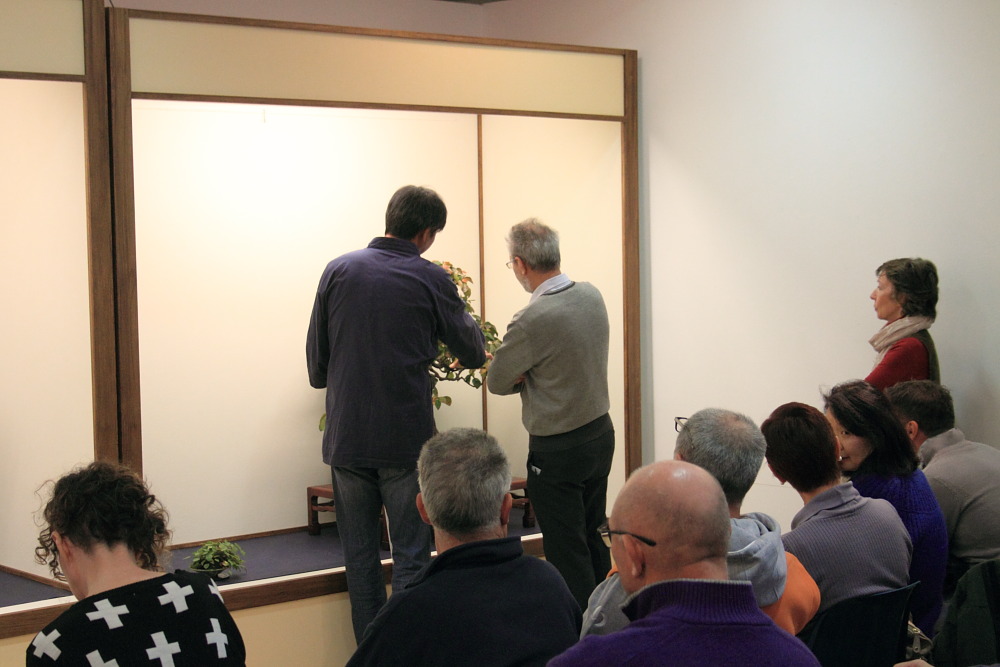
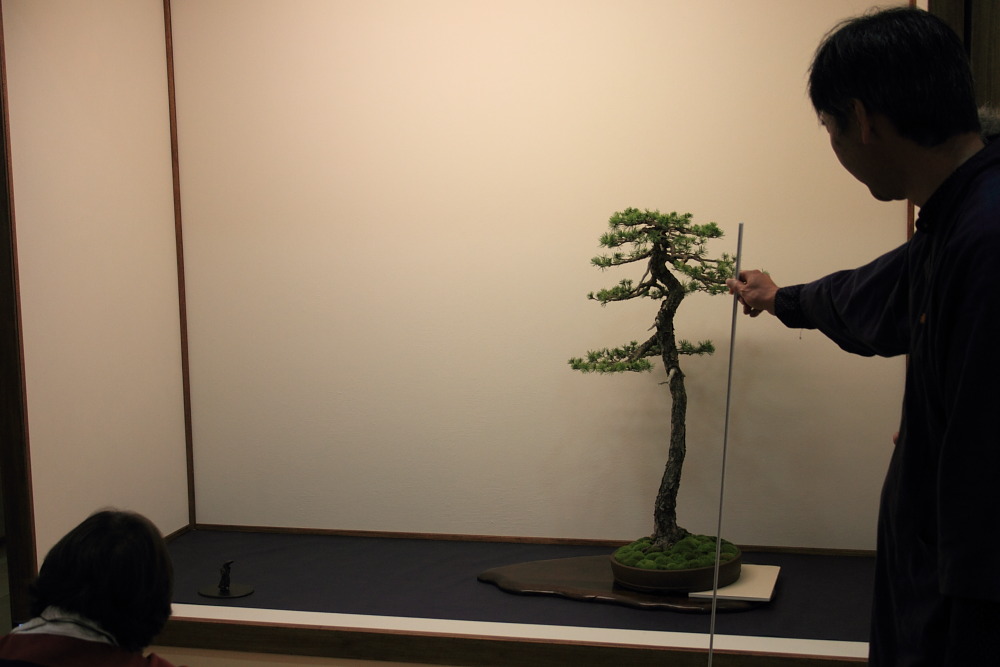
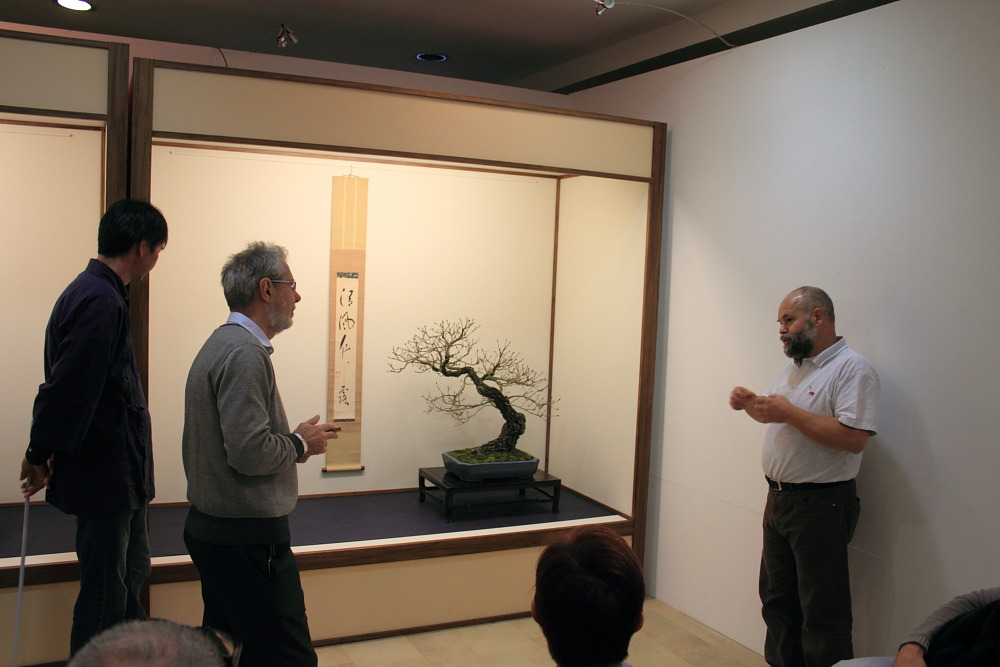
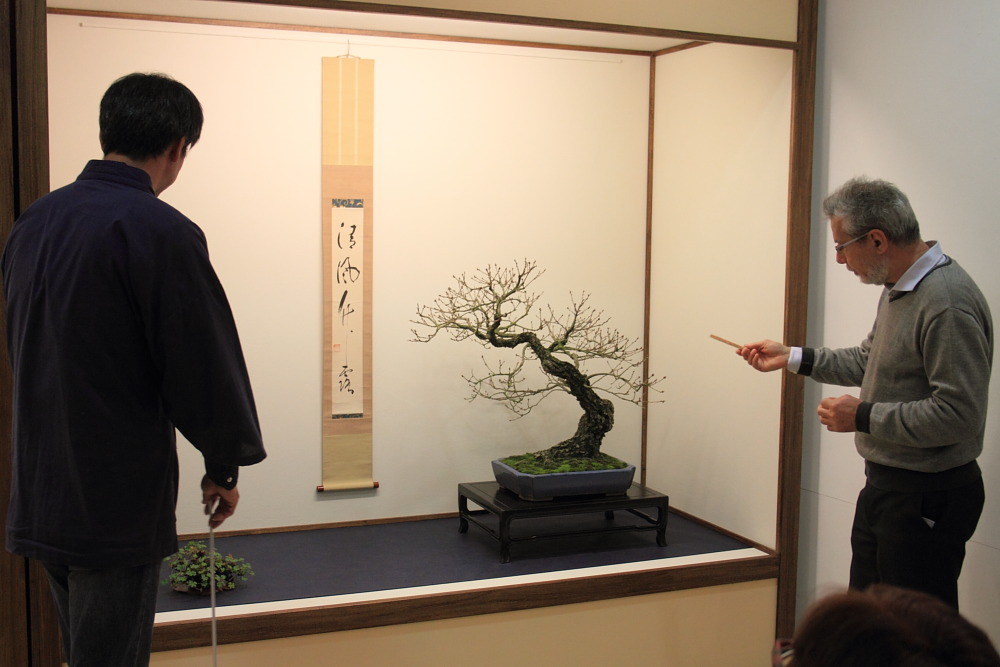
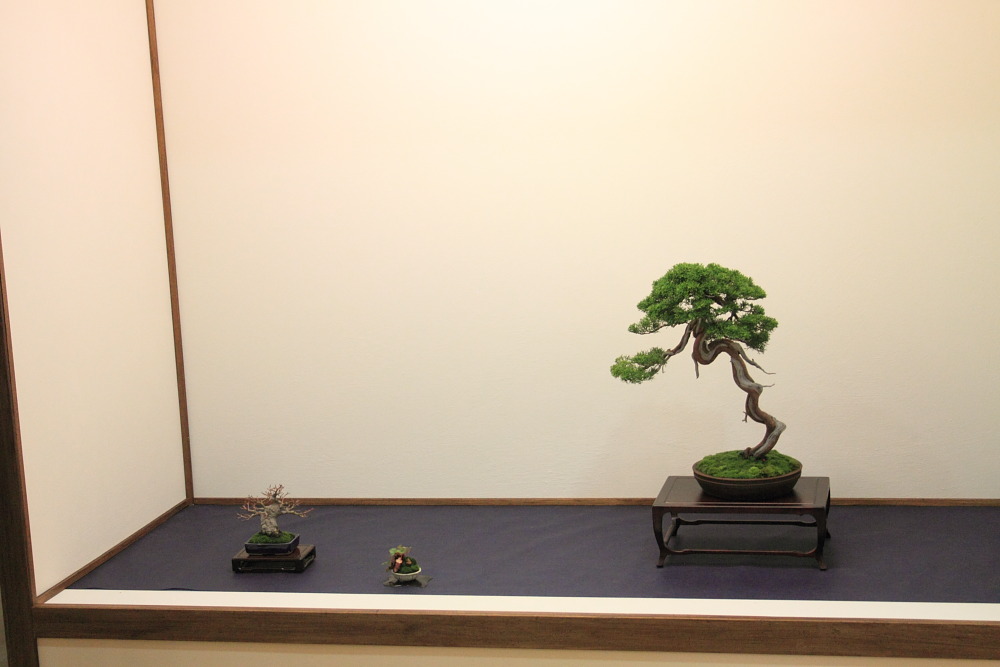
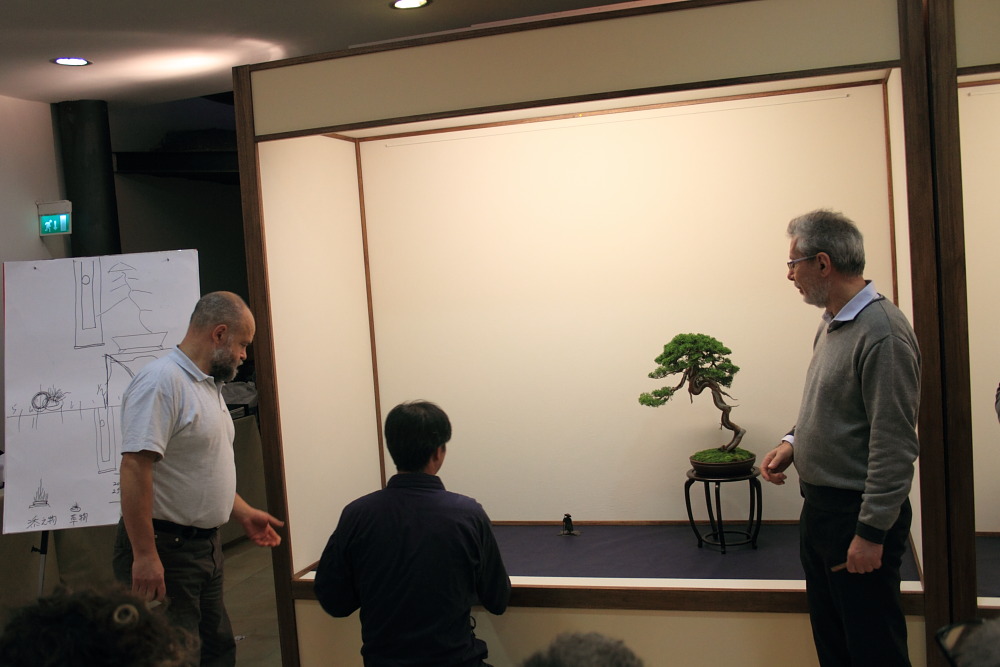
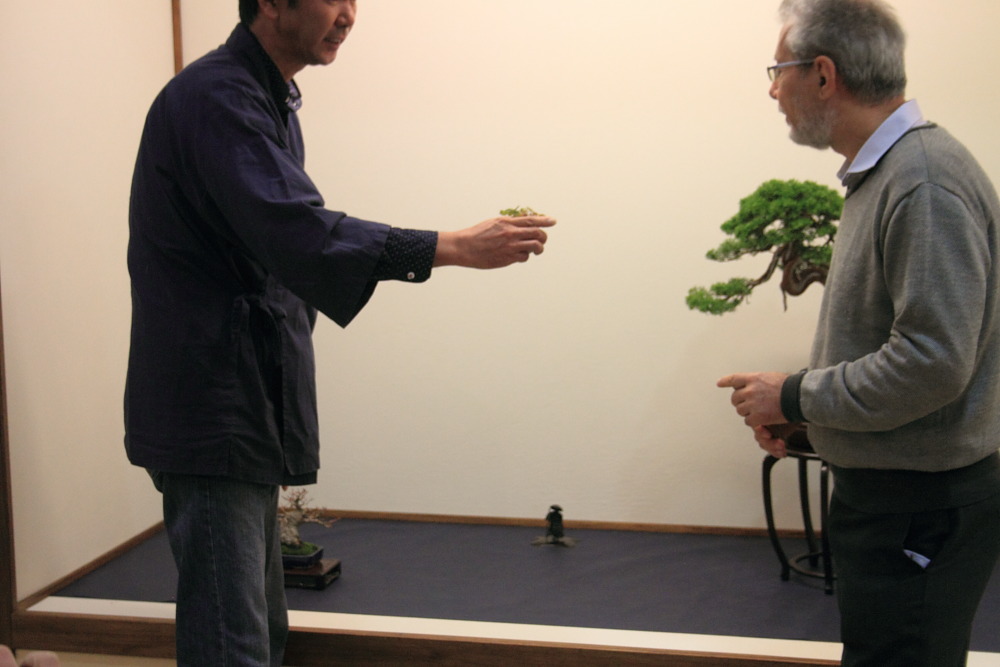
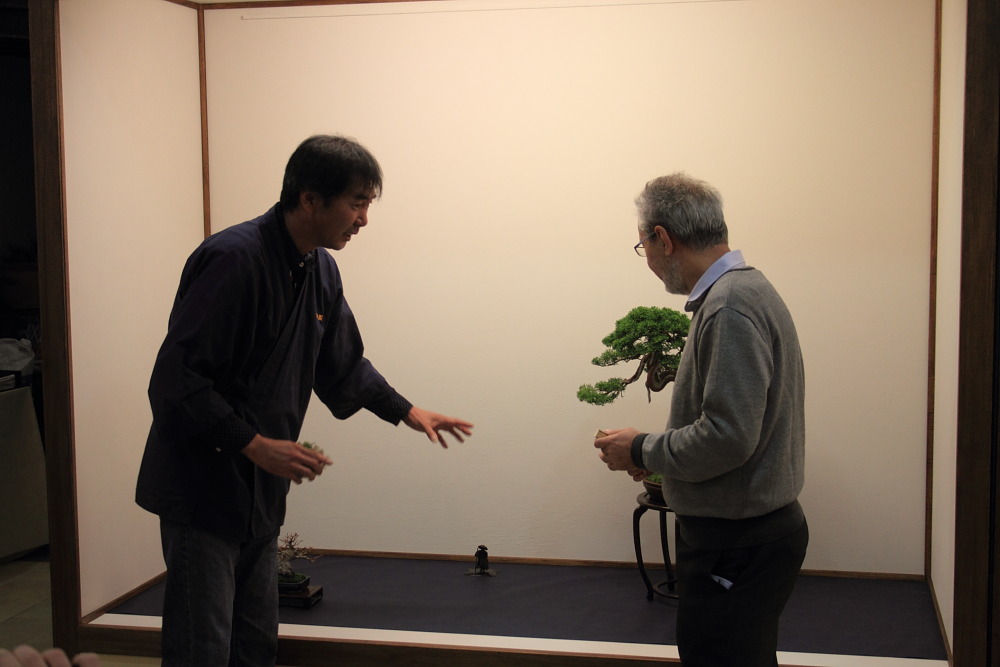
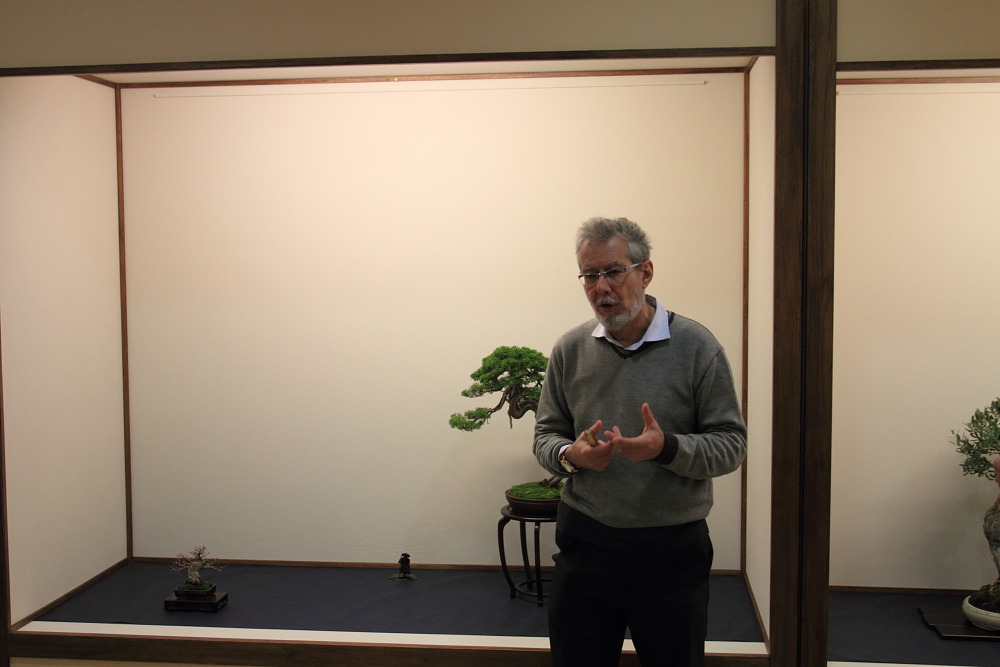
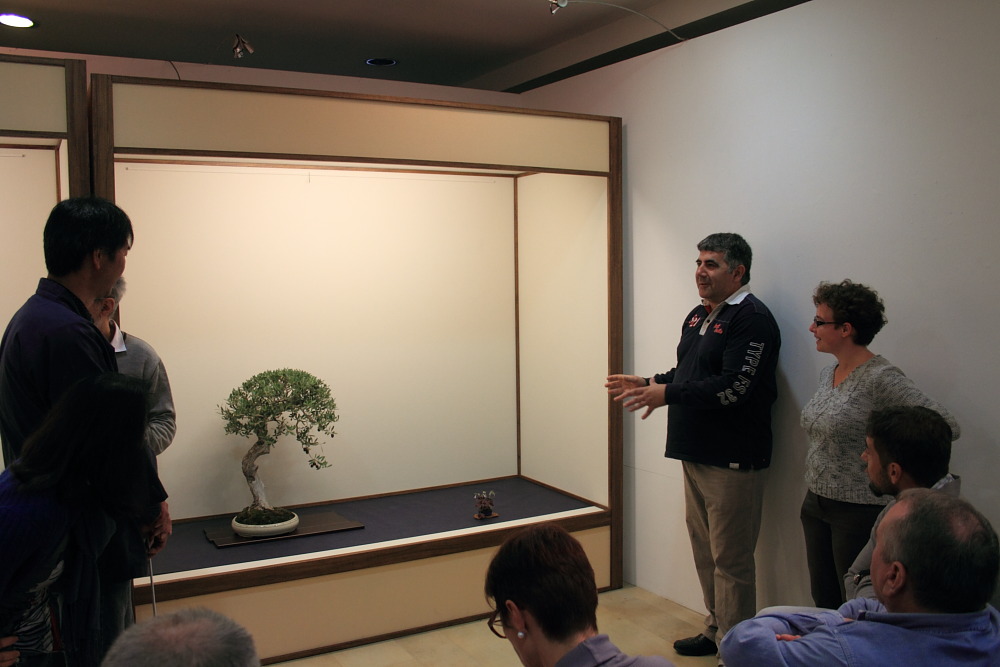
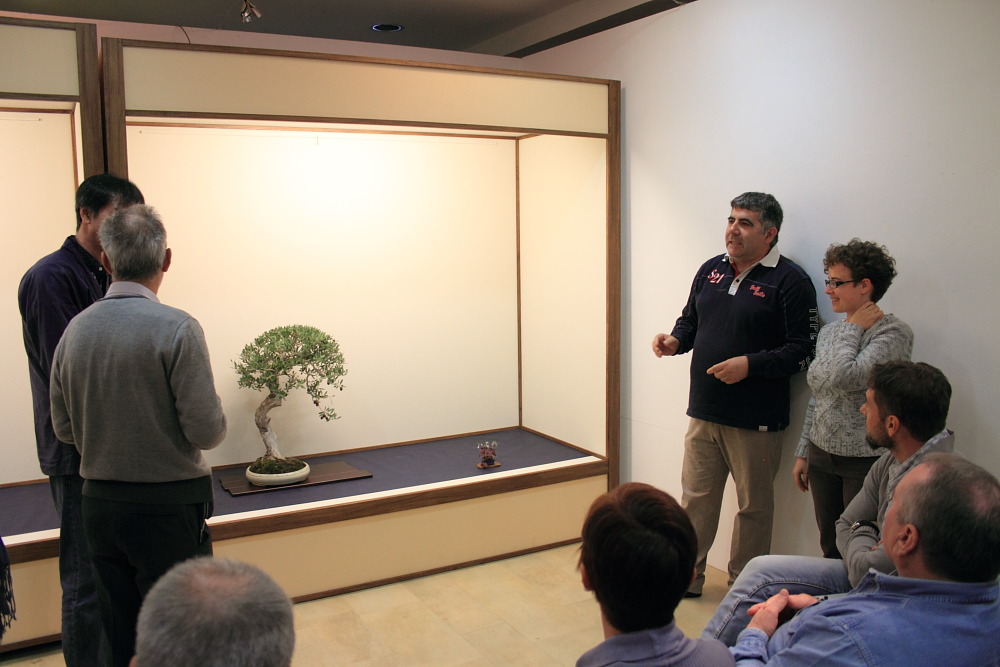
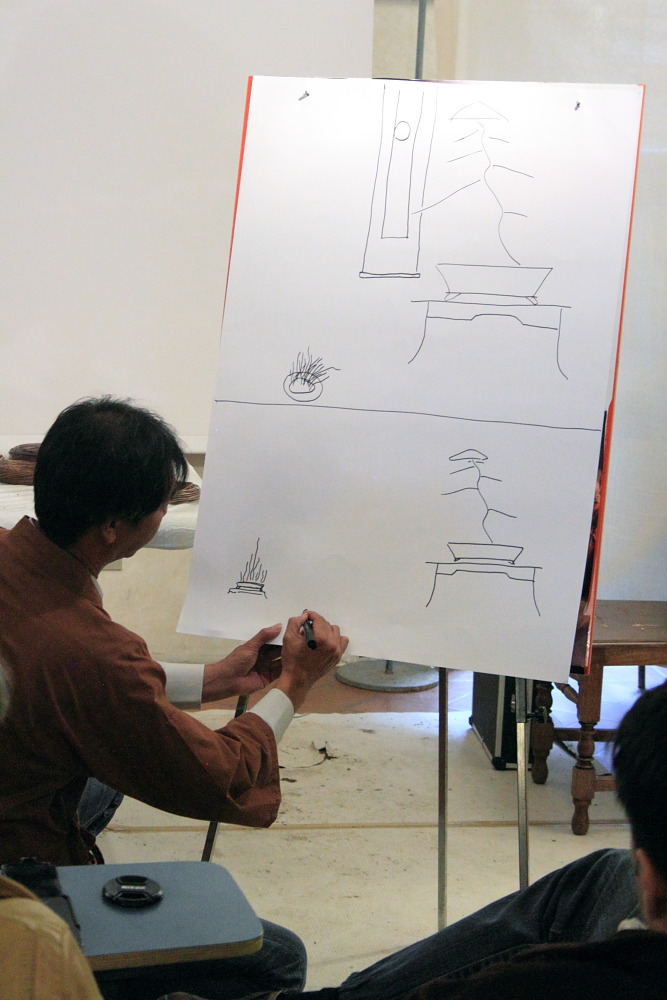
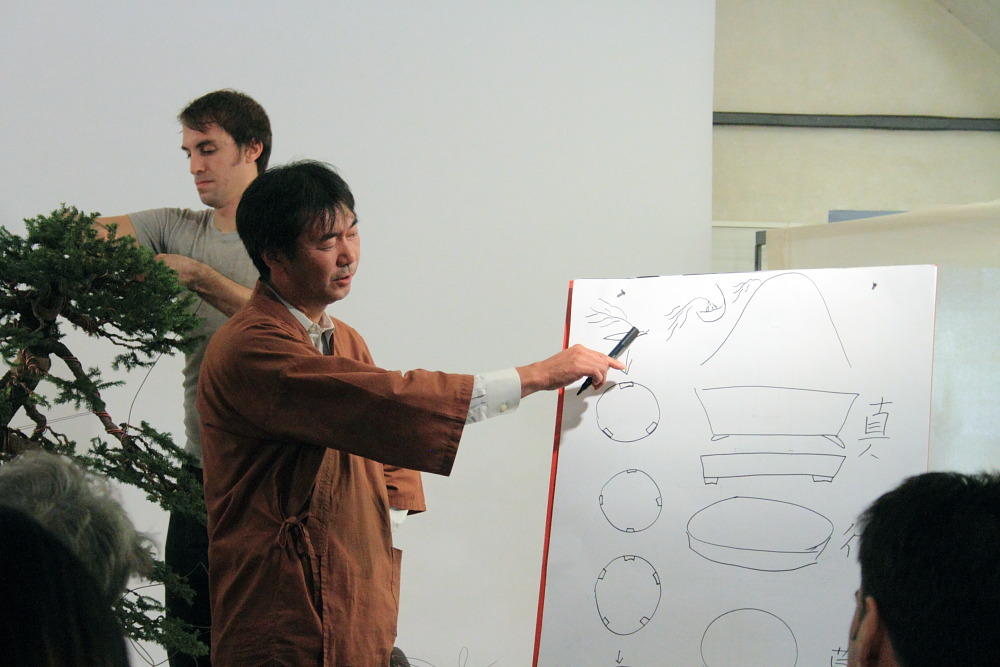
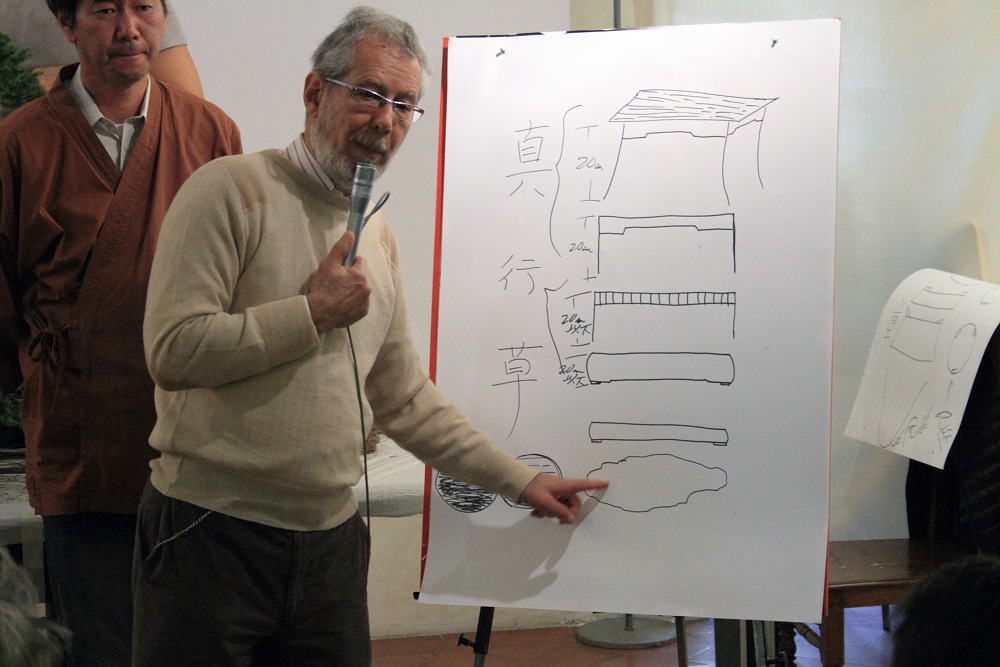
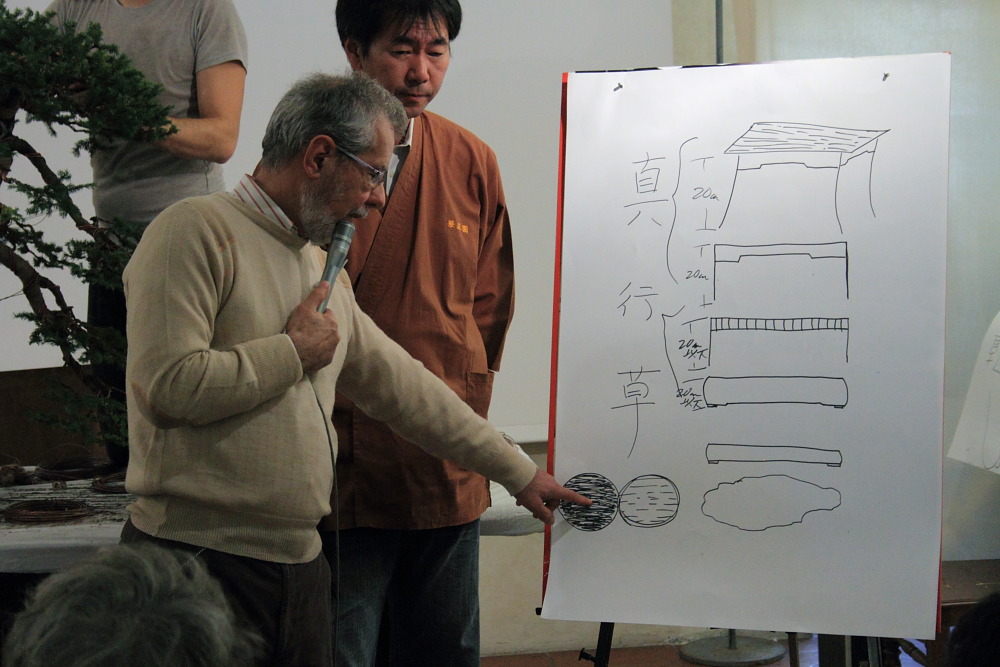
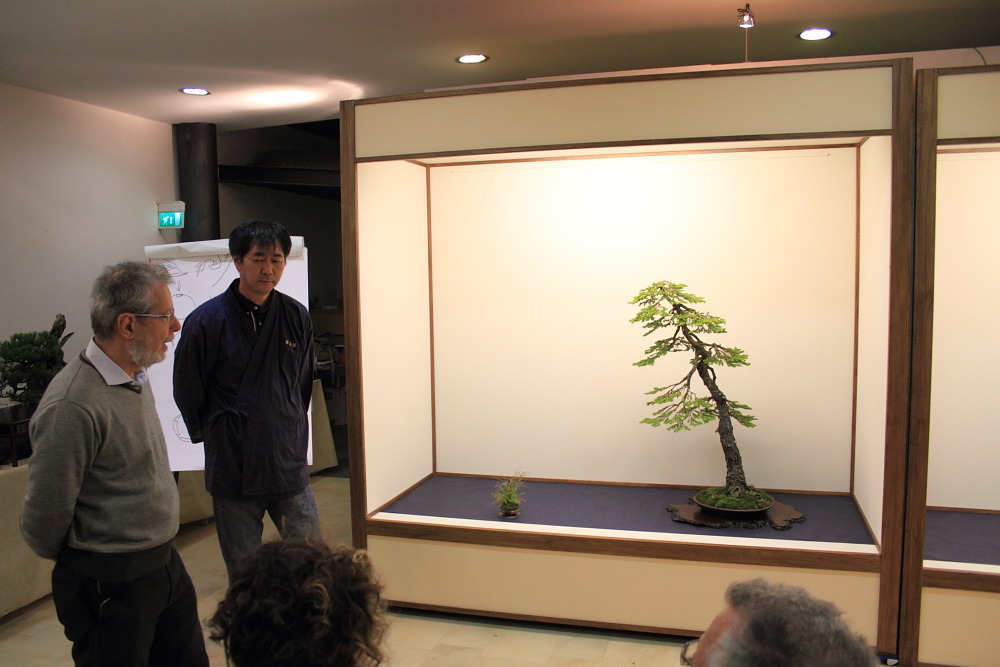 Lezione di Keido con il Maestro Isao Fukita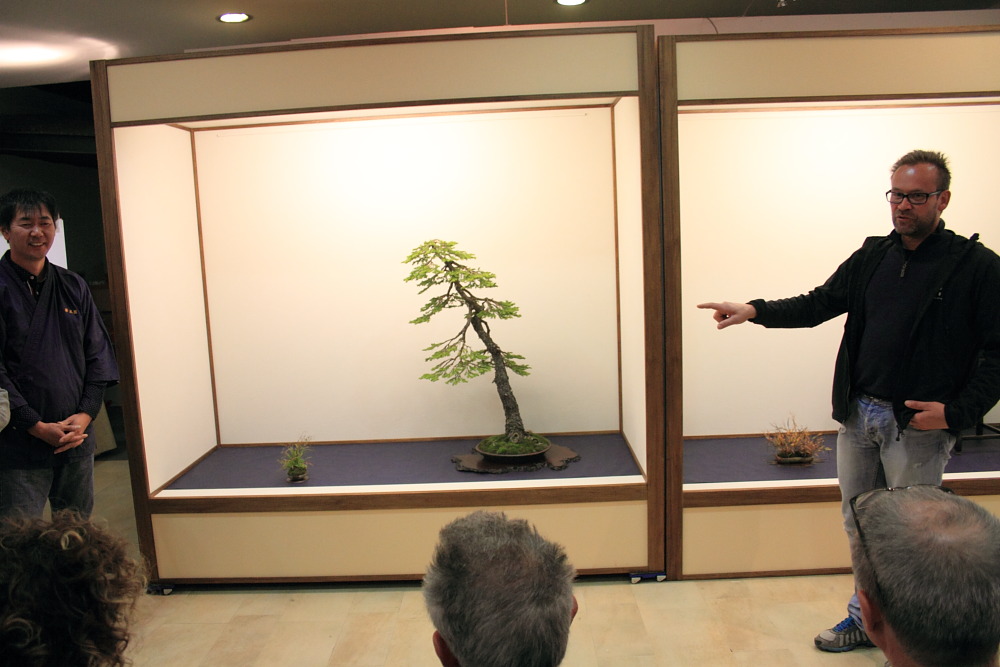



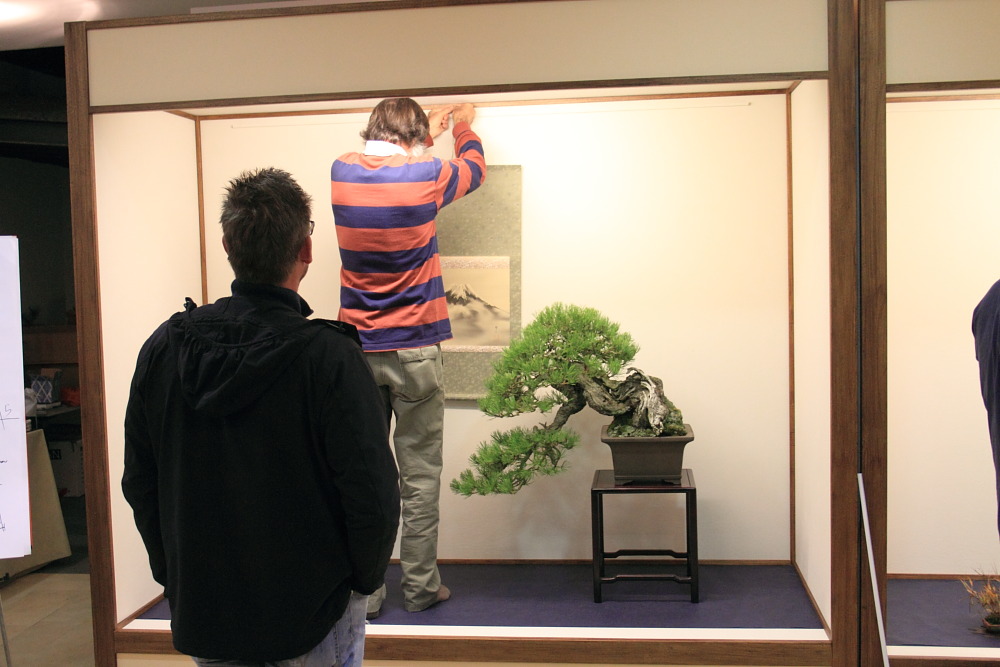
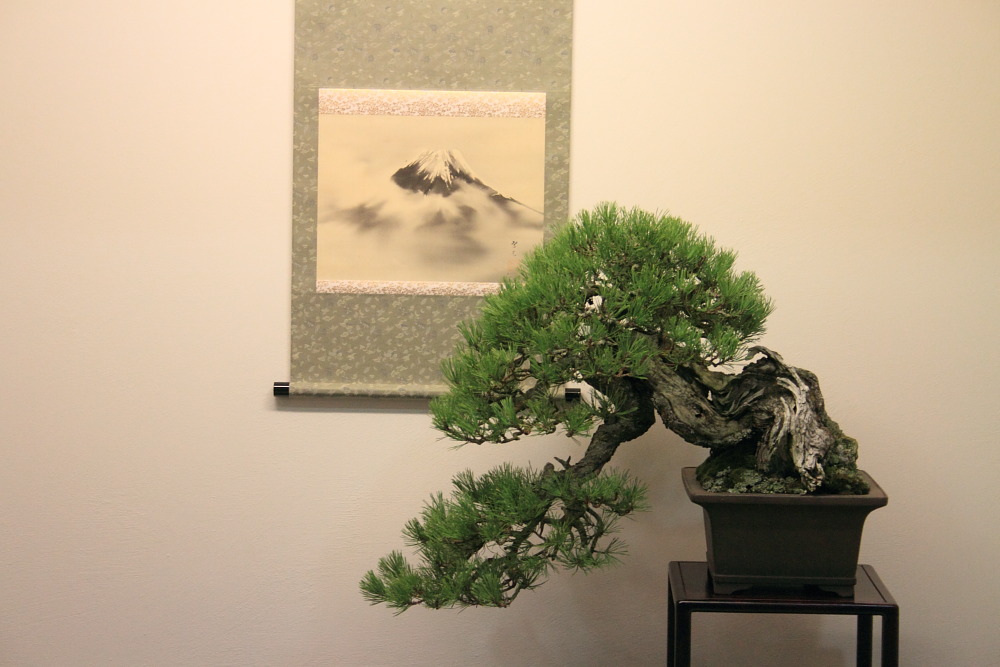
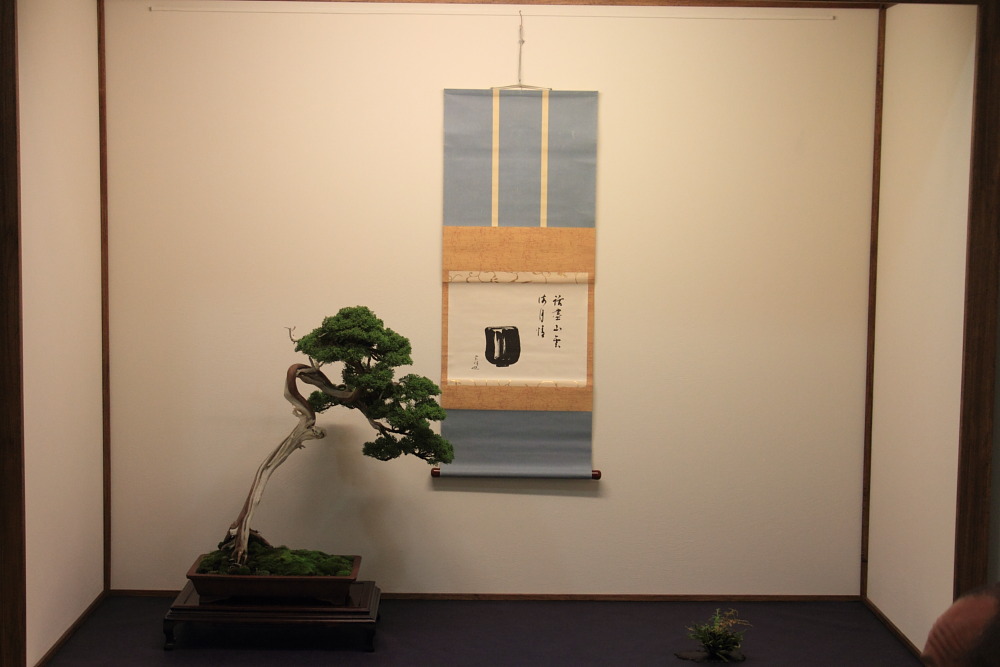
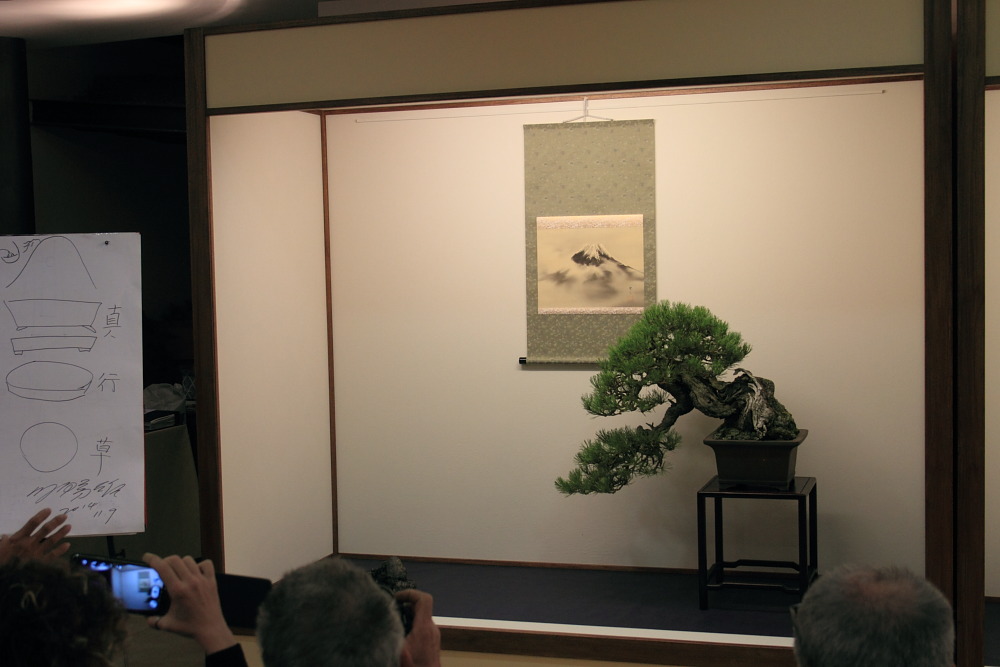
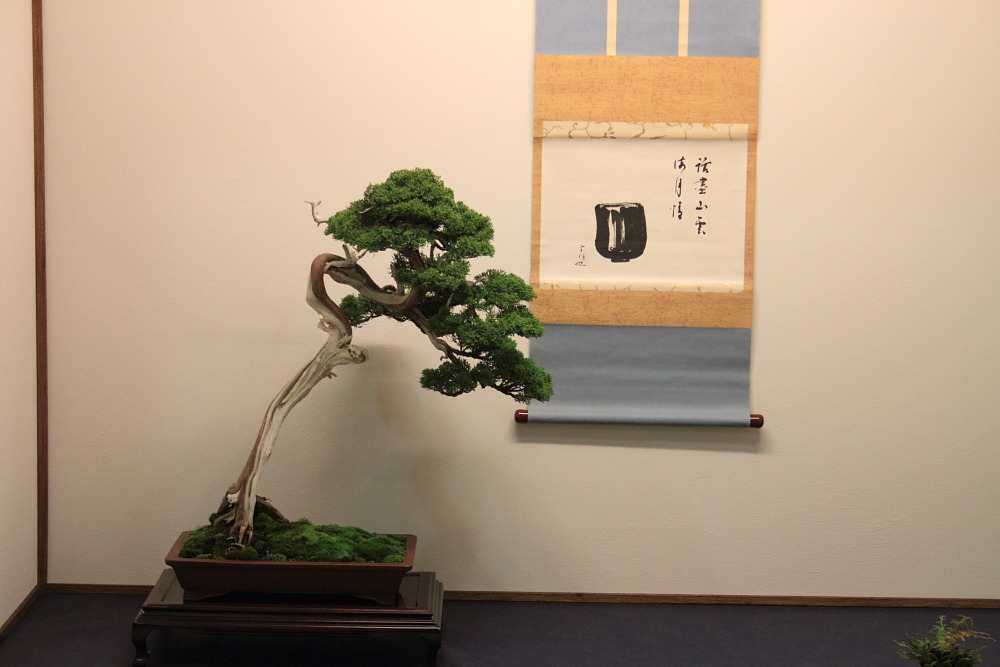




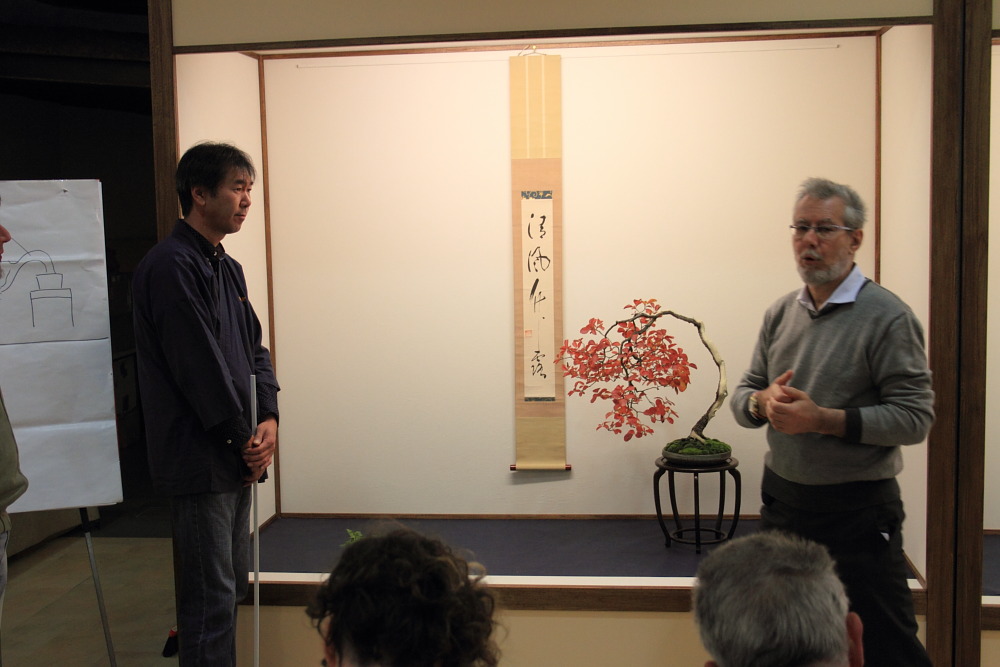
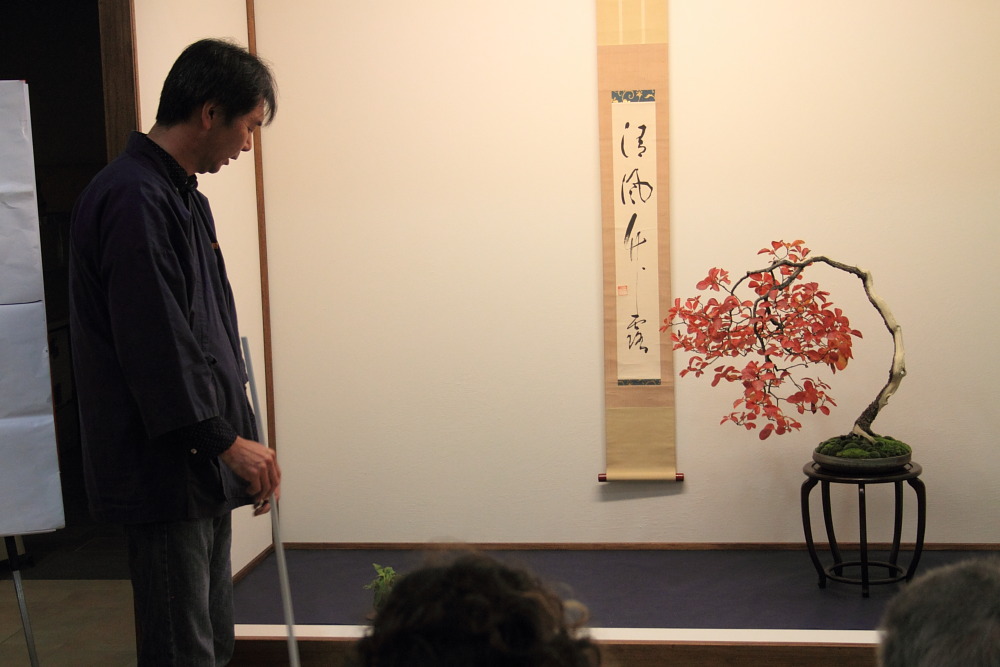
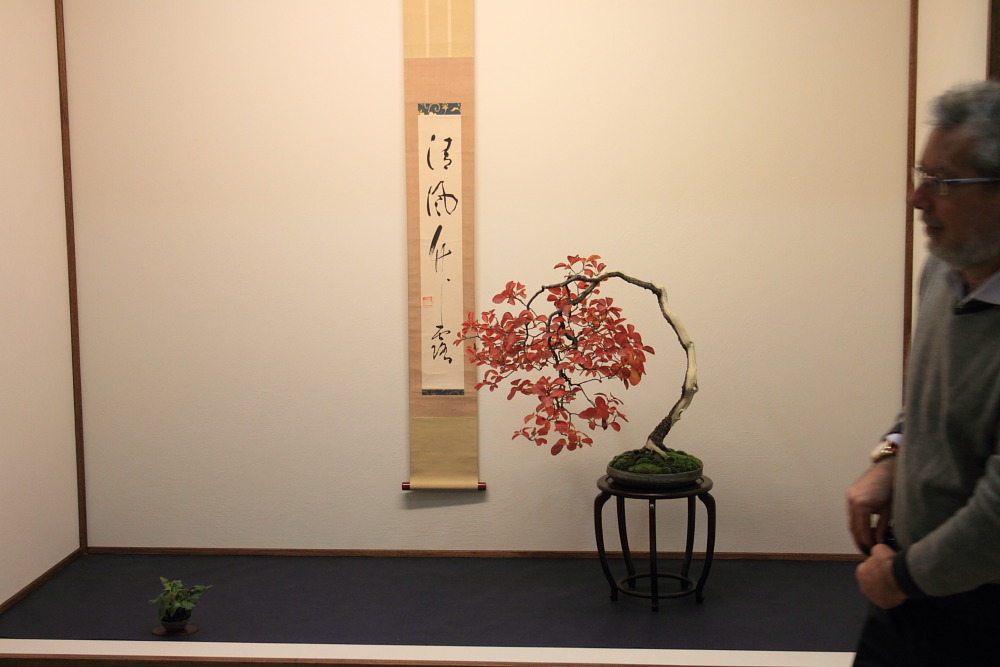
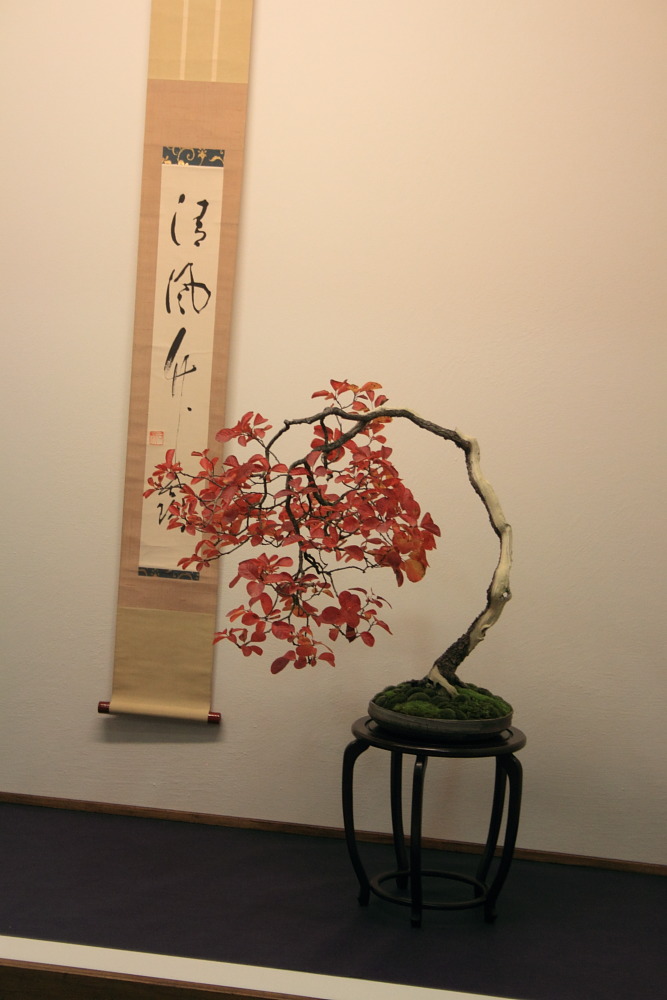






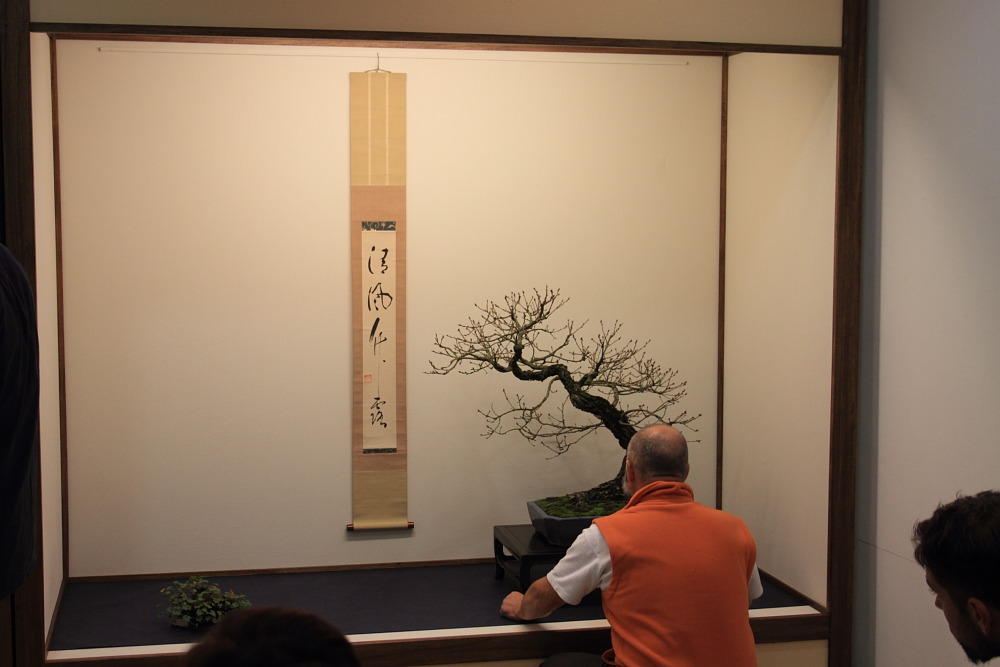

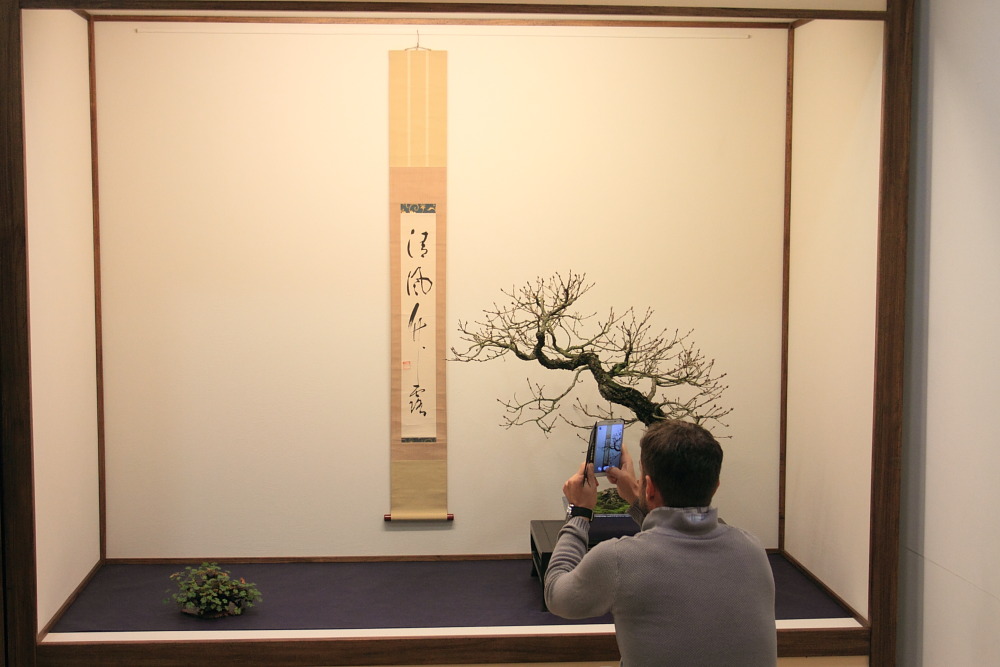





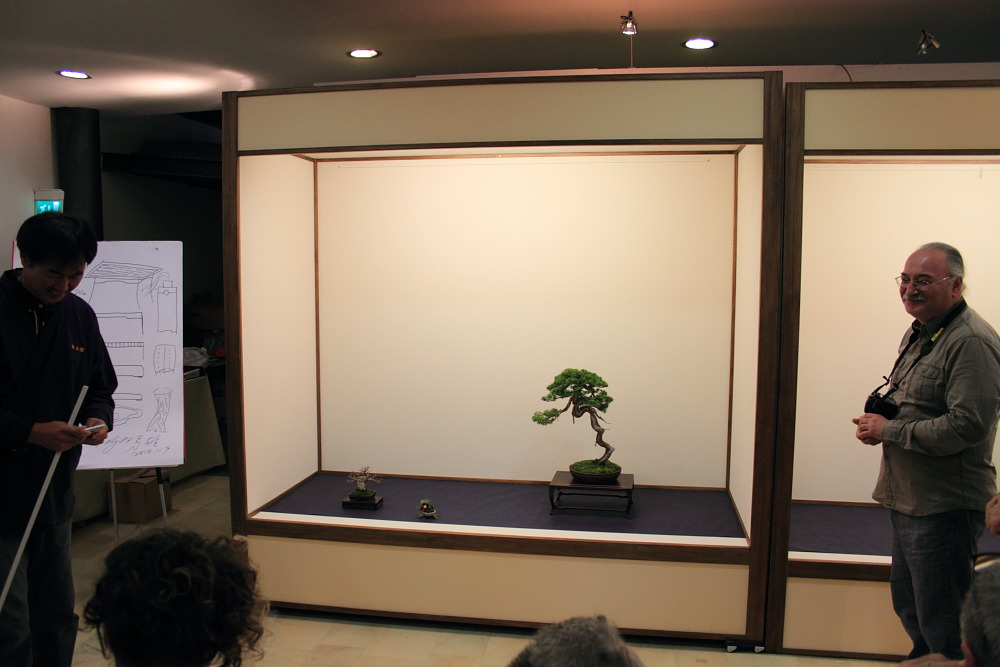

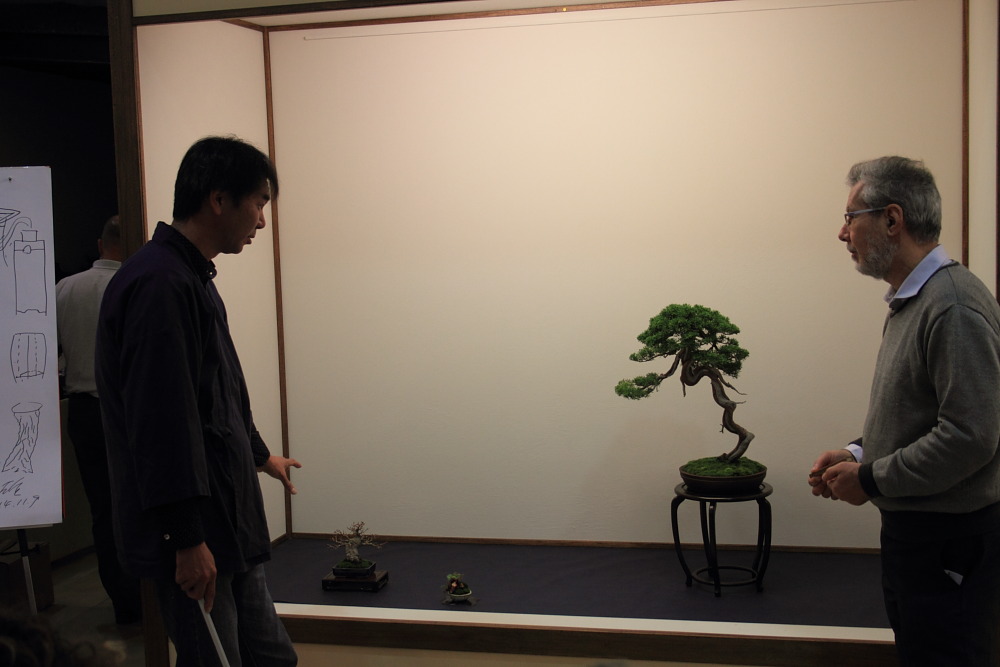
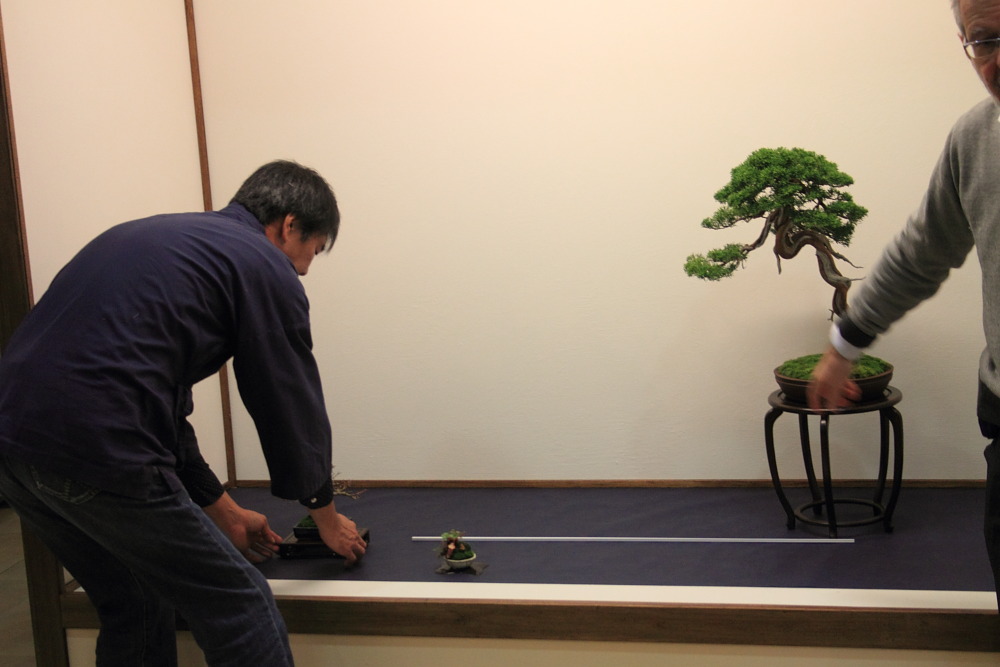
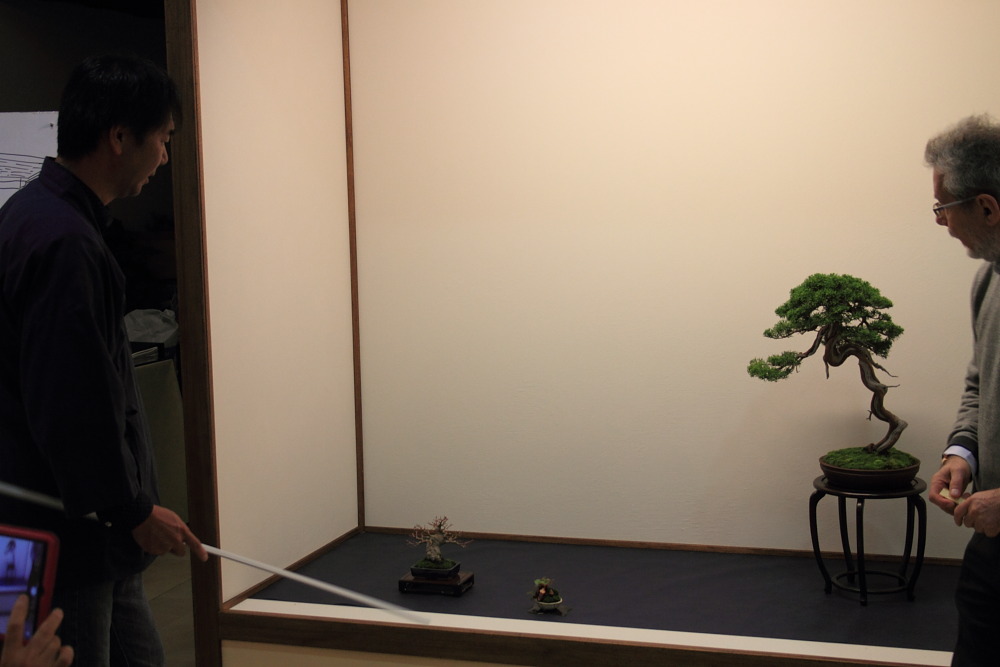

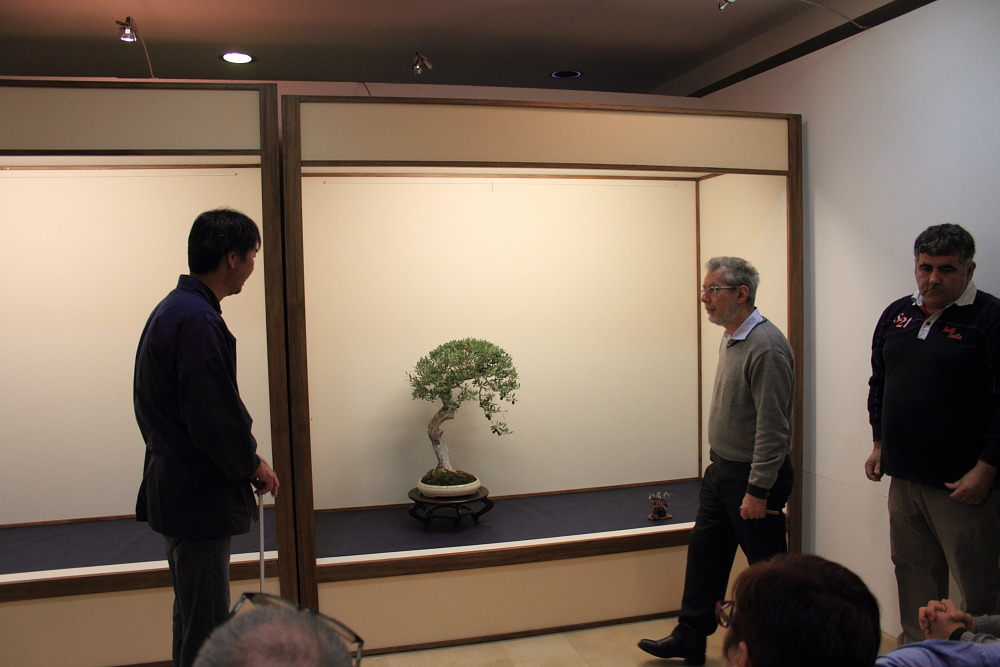
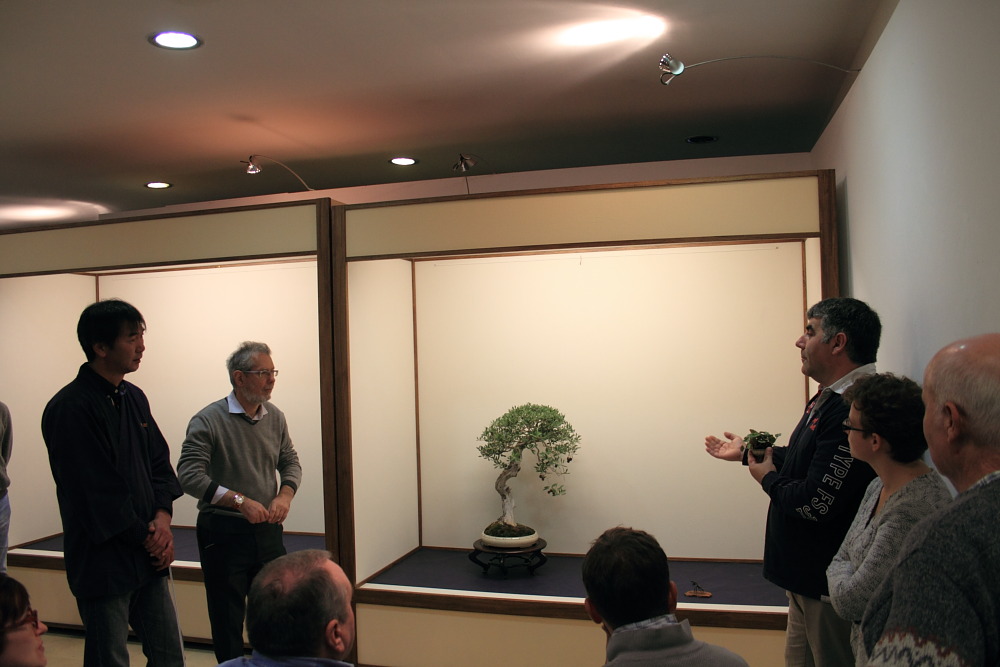
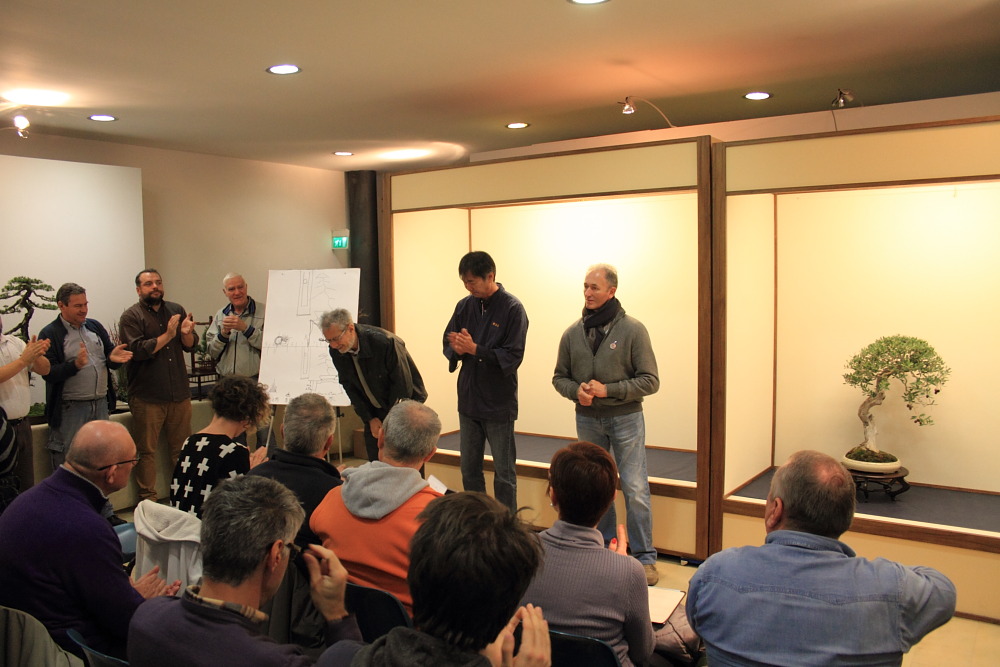 d
d
 le direzioni nel bonsai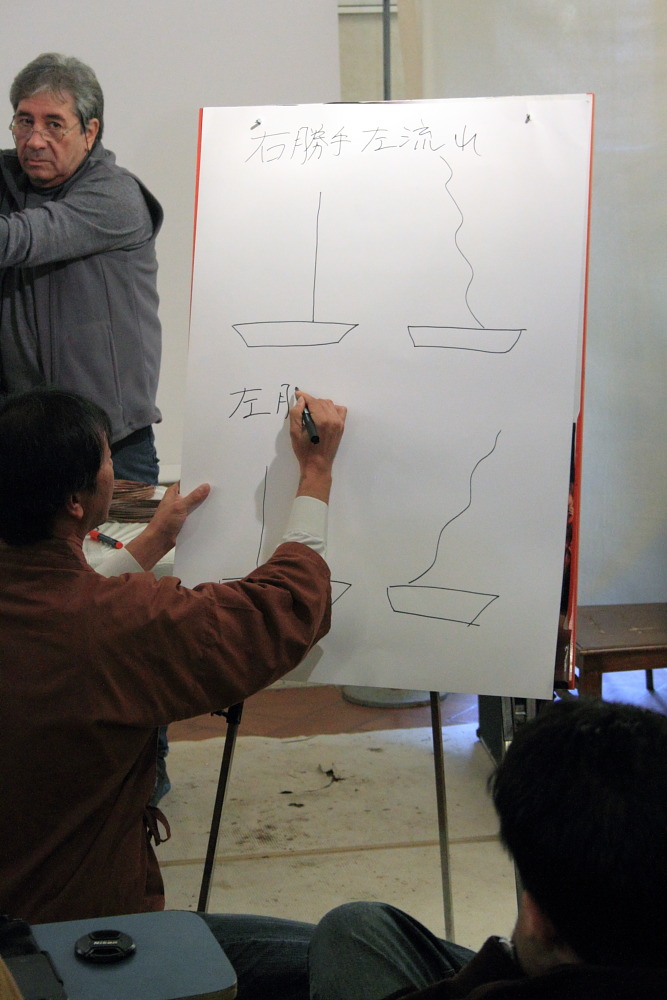

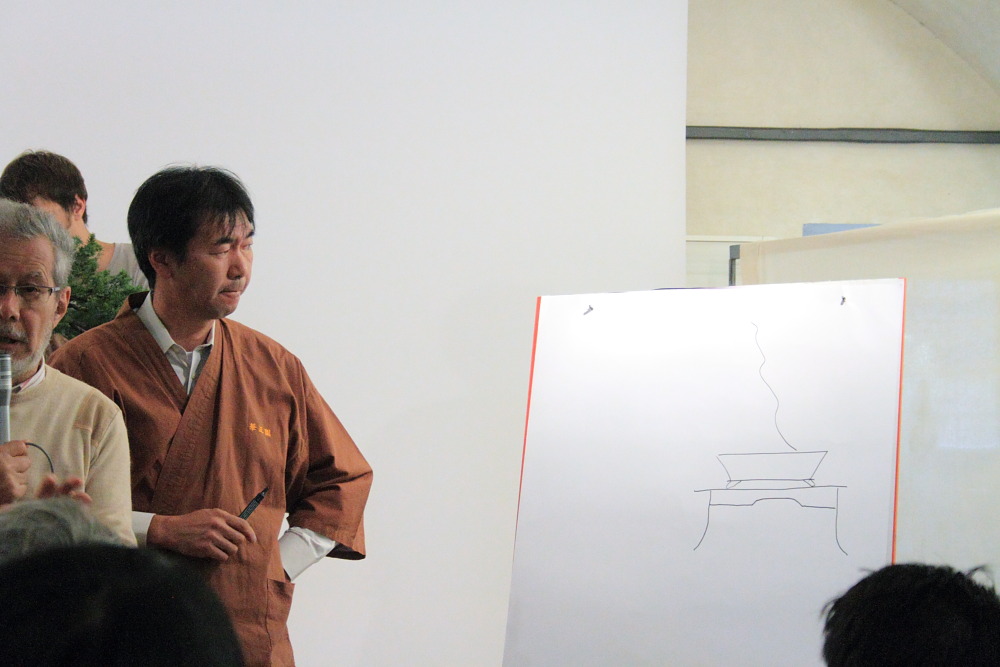
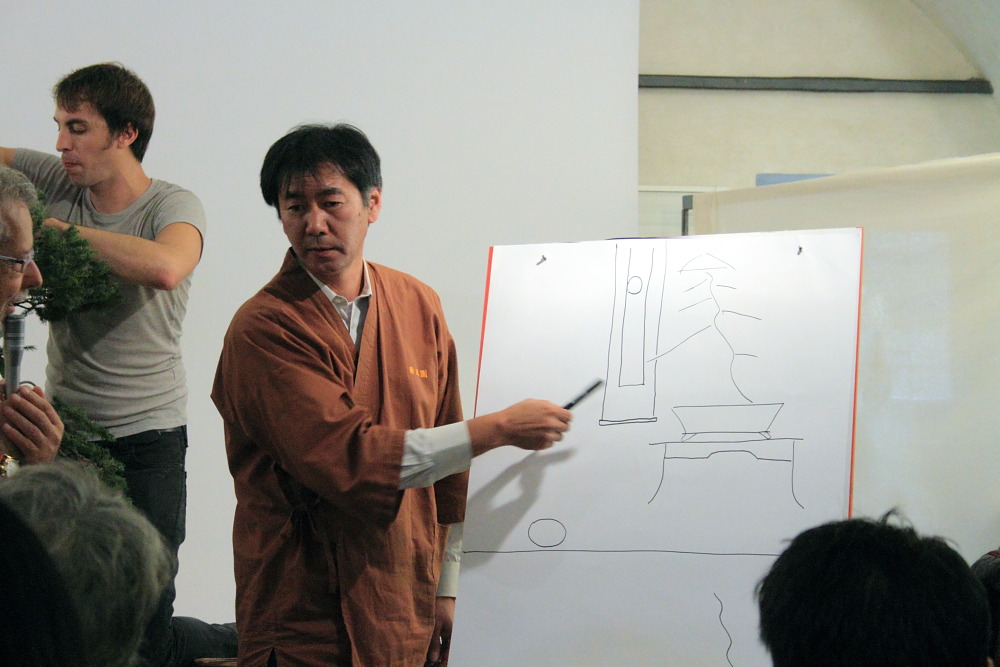 Jiku ed elementi d’accompagnamento
 chuhin display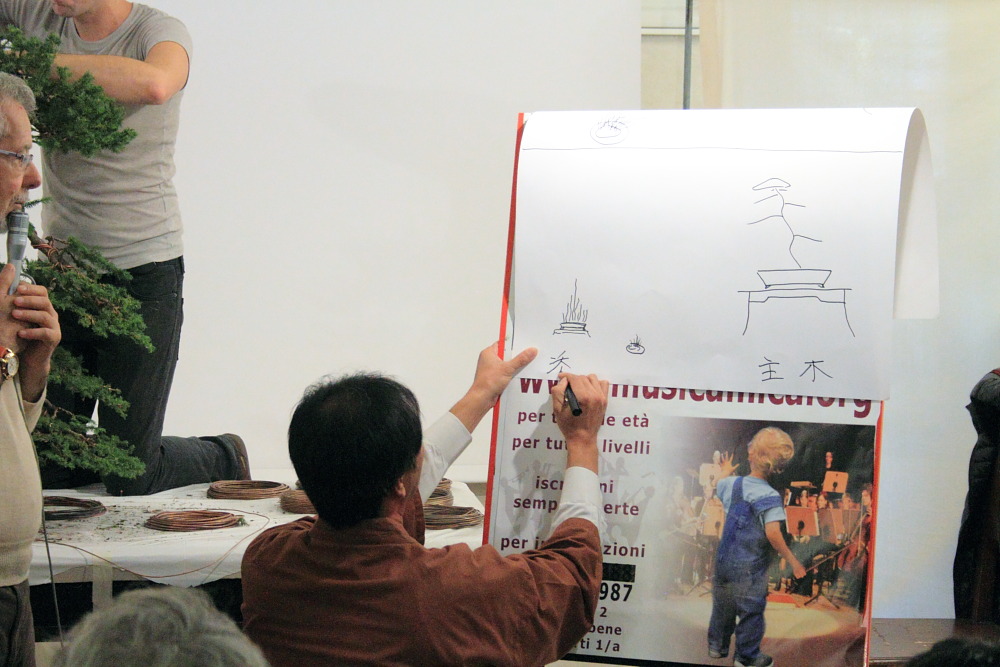
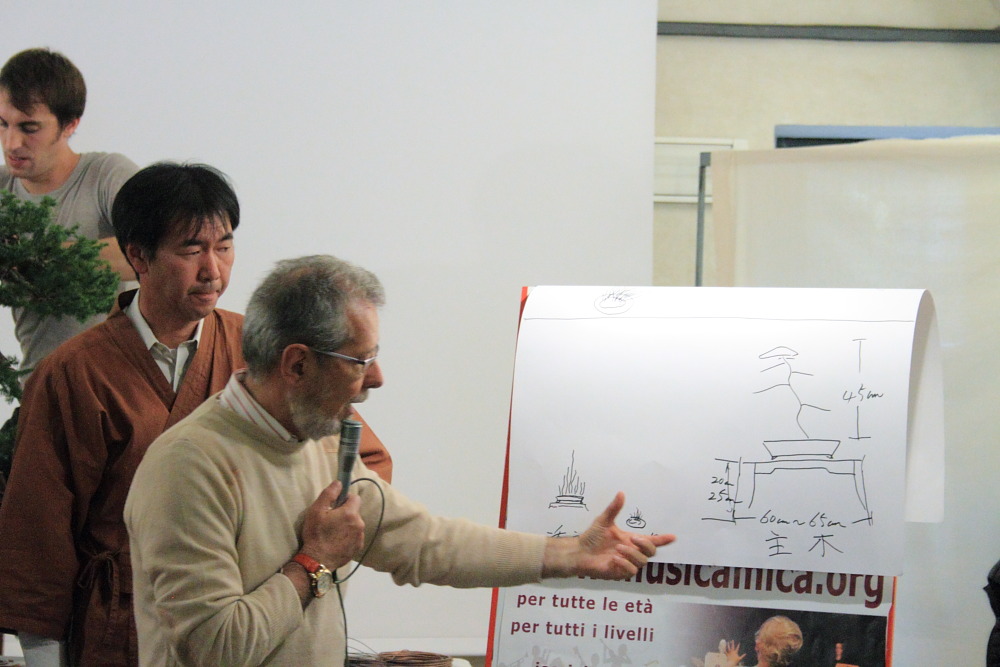
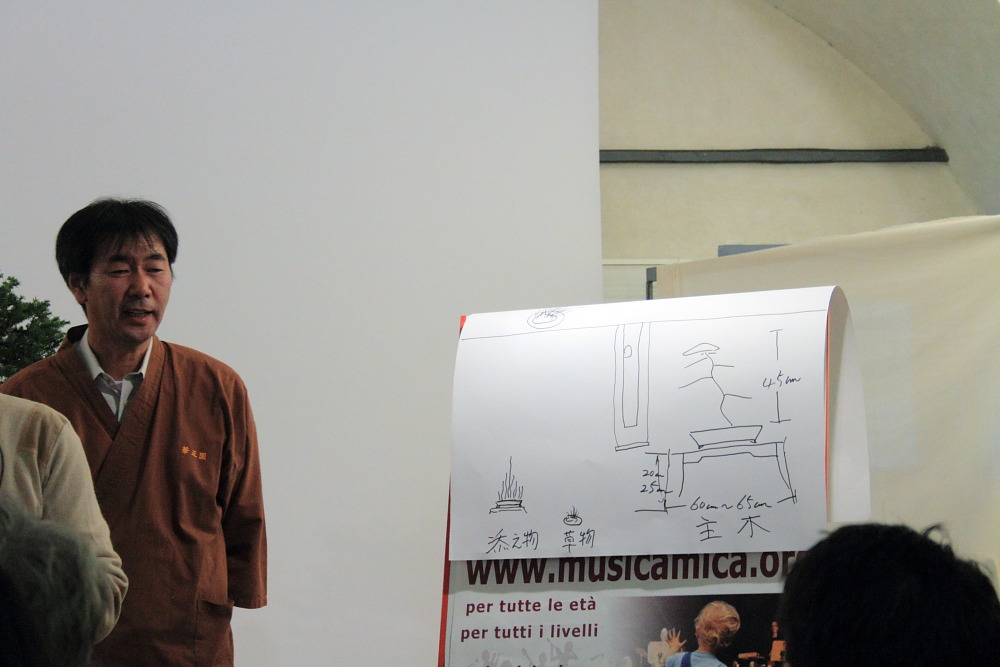
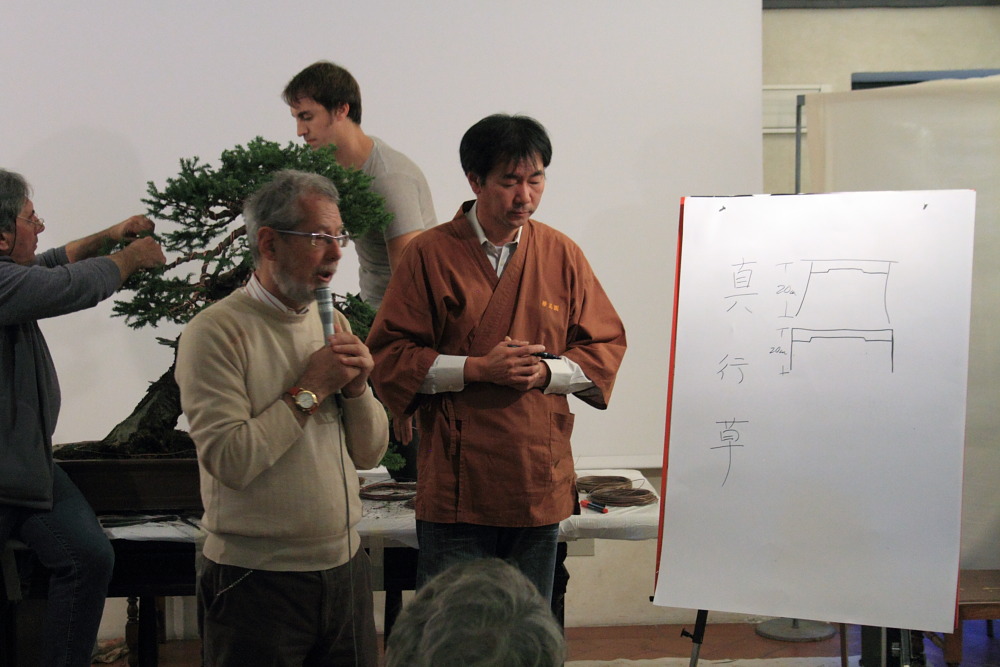
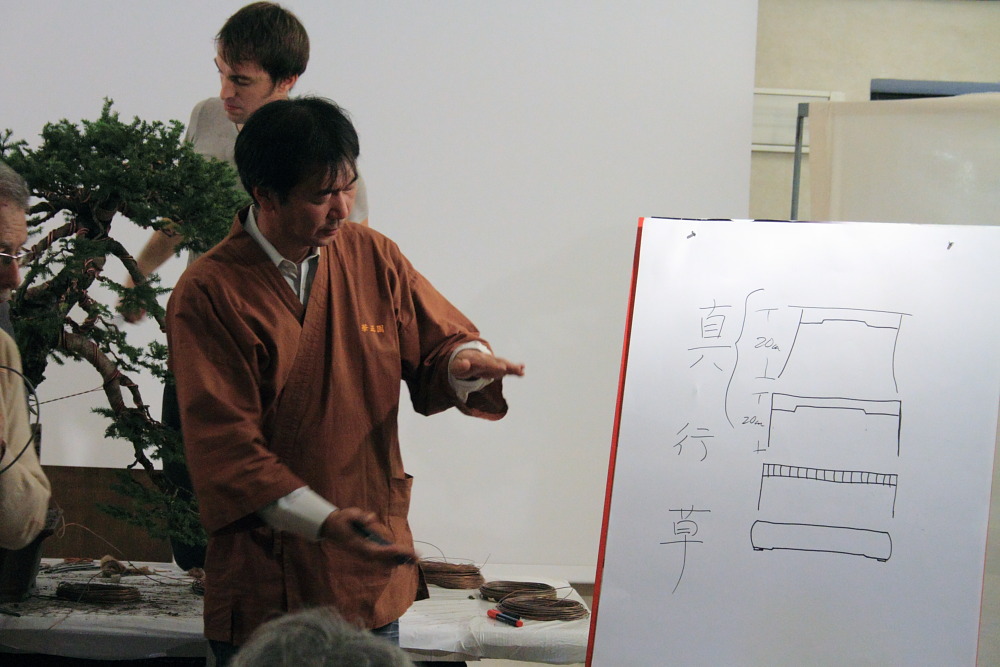 Shin Gyo Sou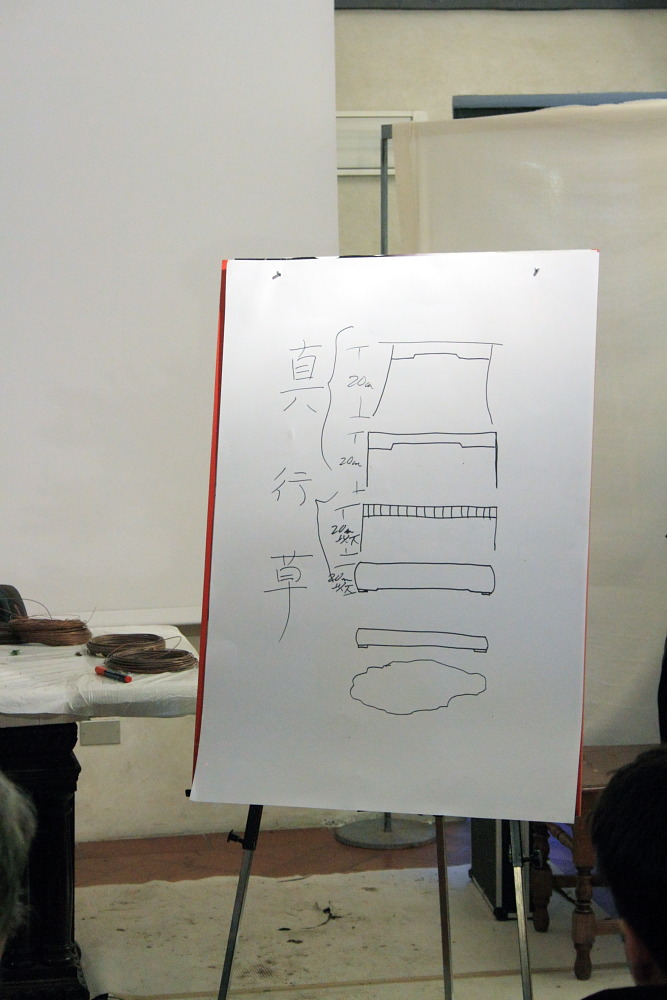
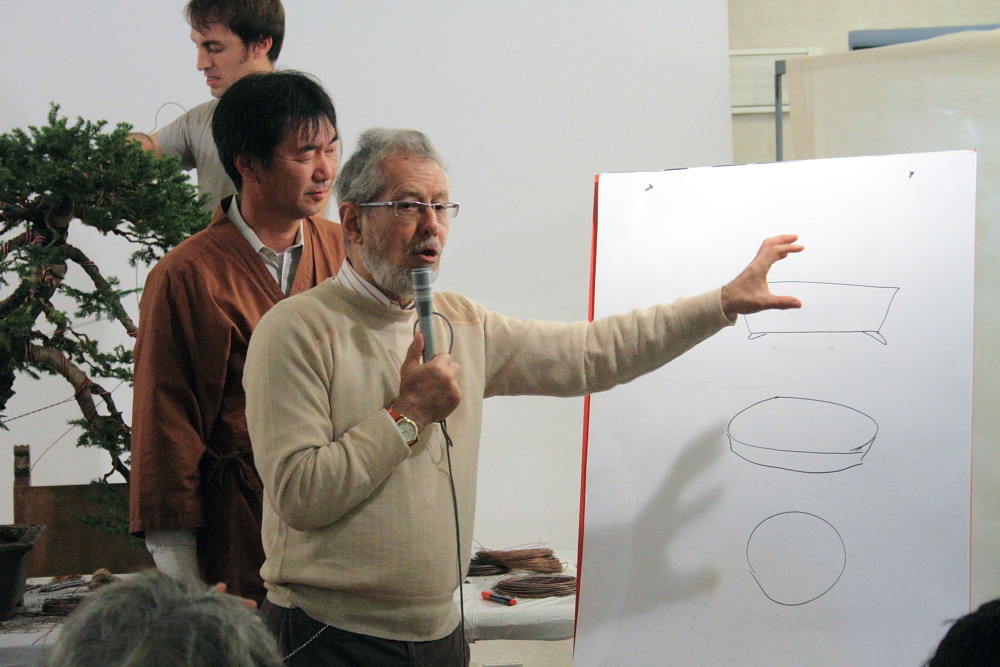

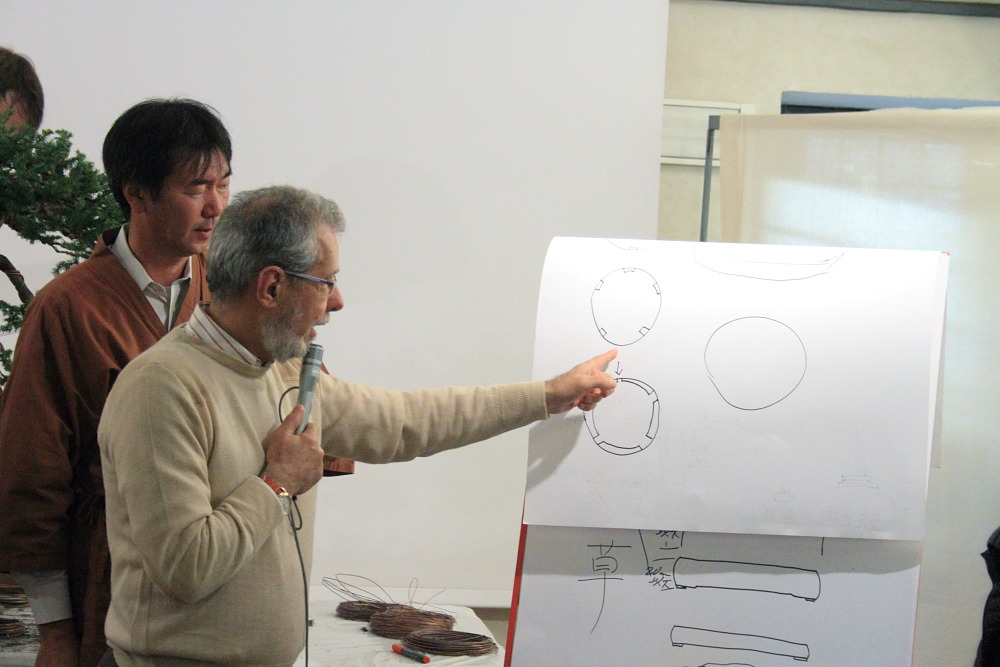
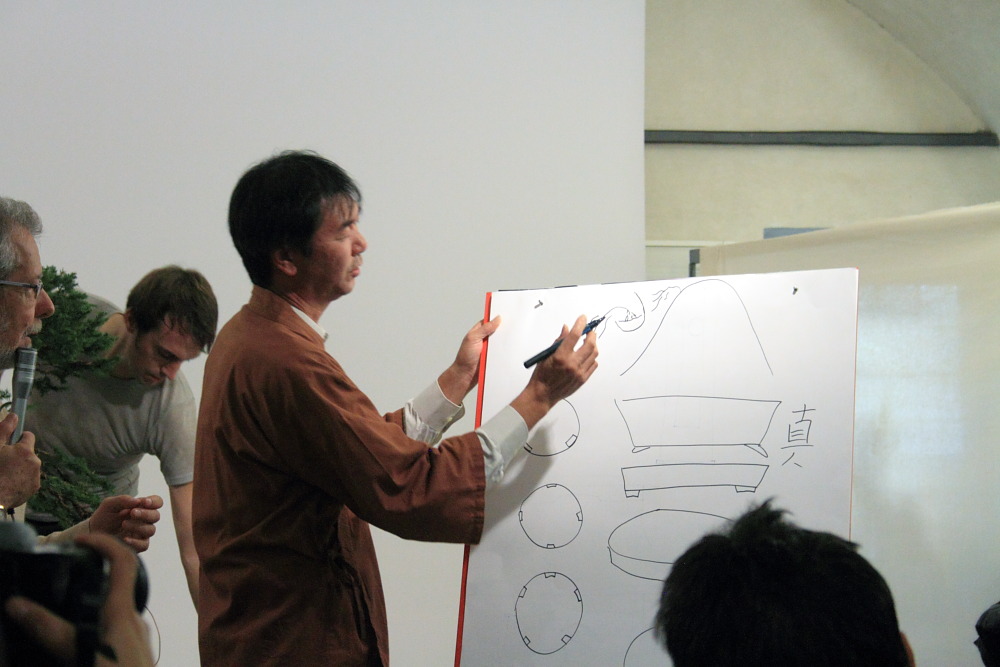

Questa galleria contiene 94 immagini.
Questa galleria contiene 297 immagini.
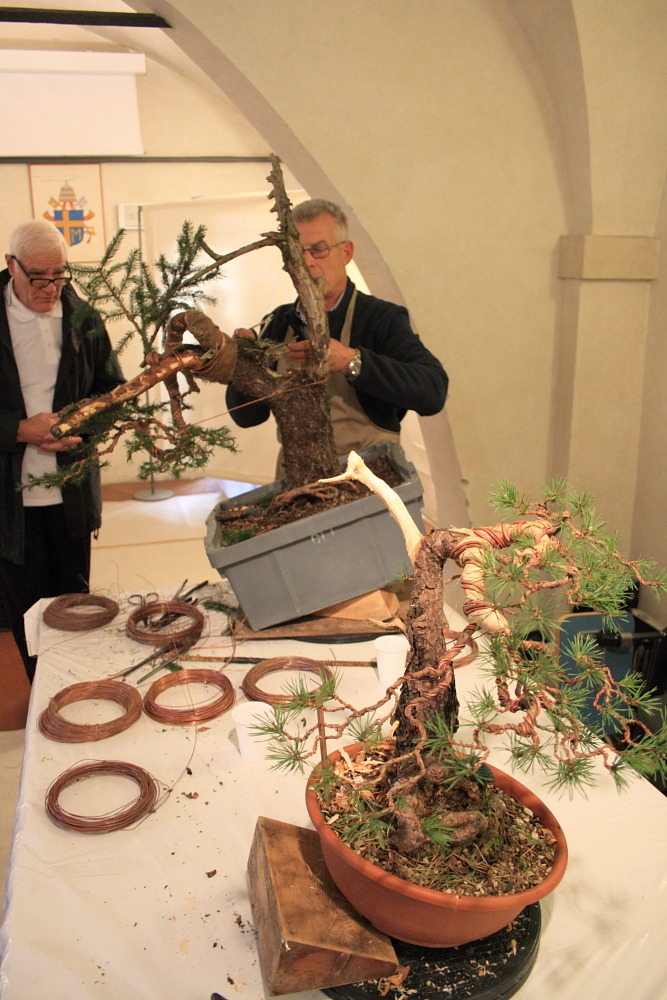
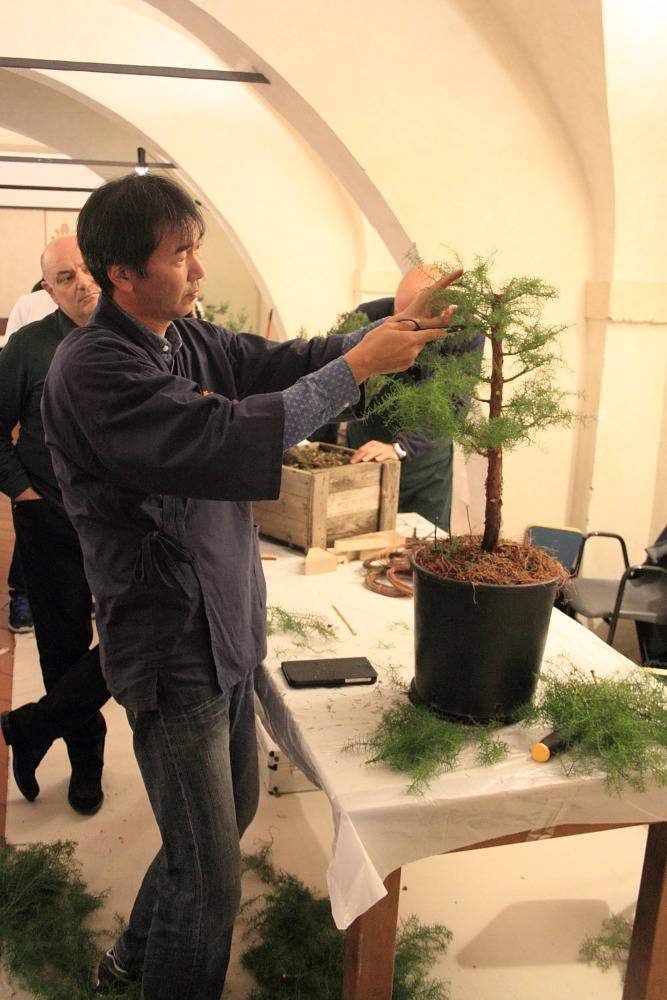
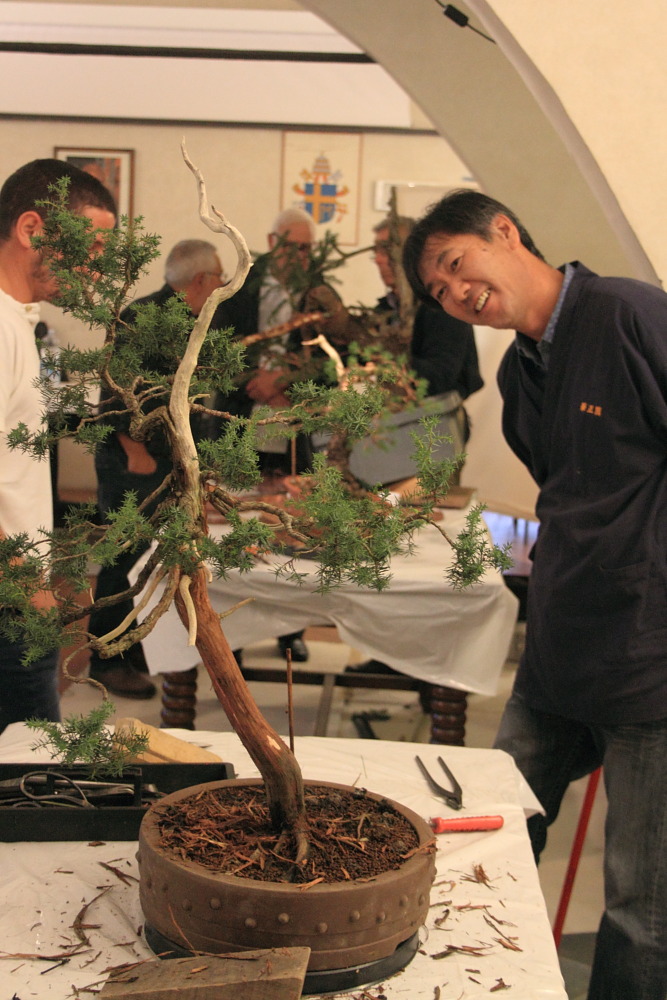
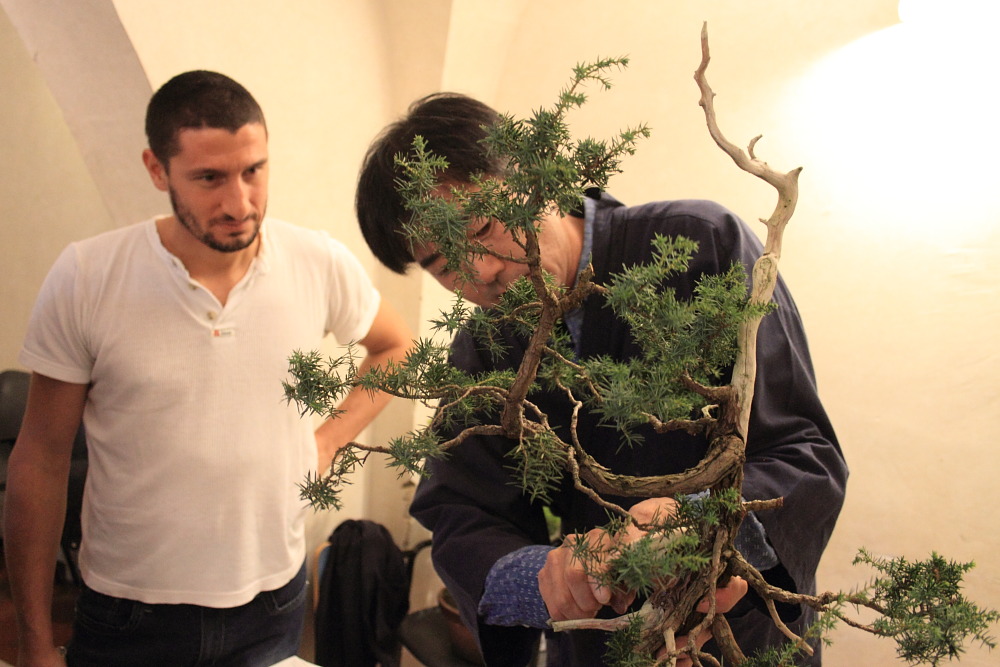
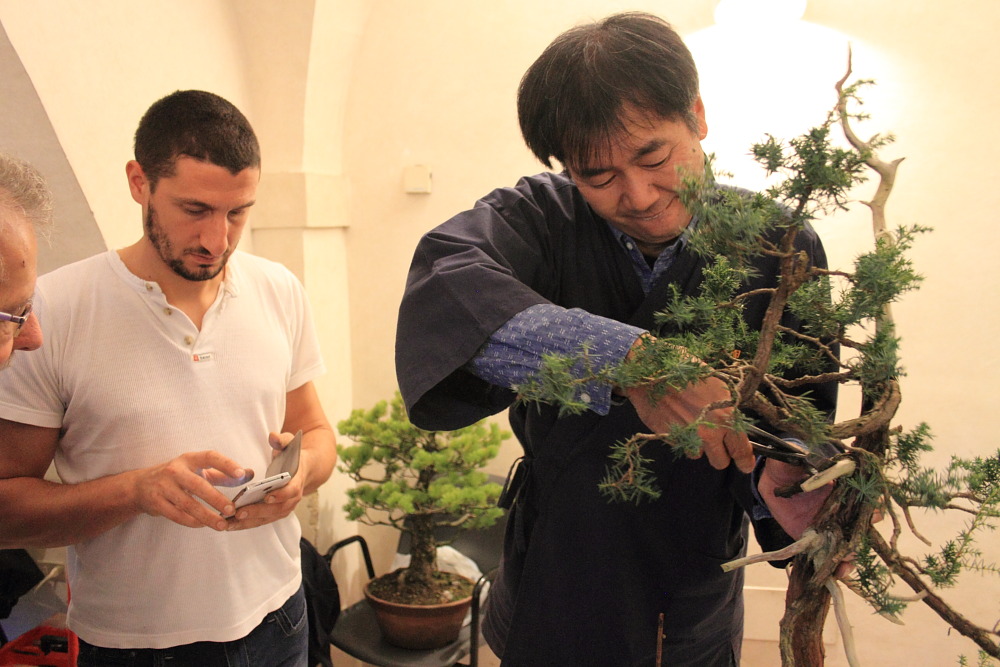
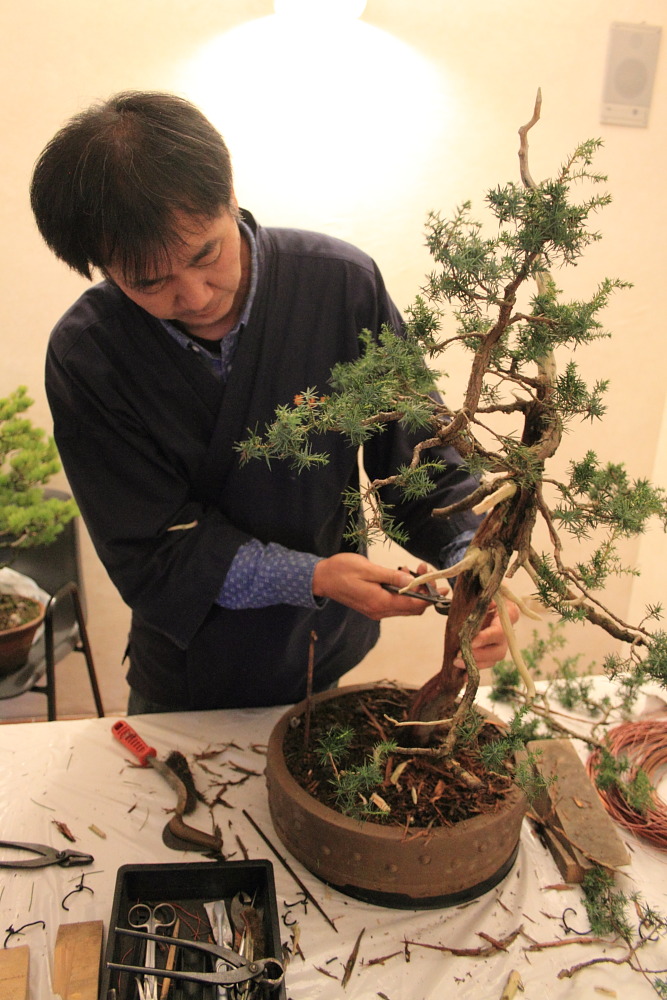
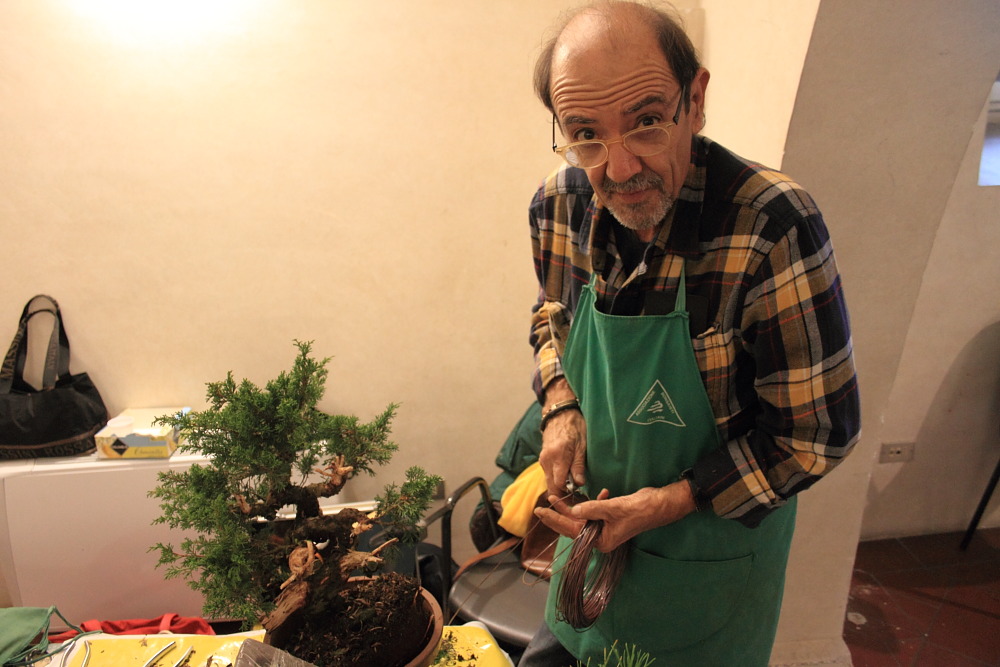
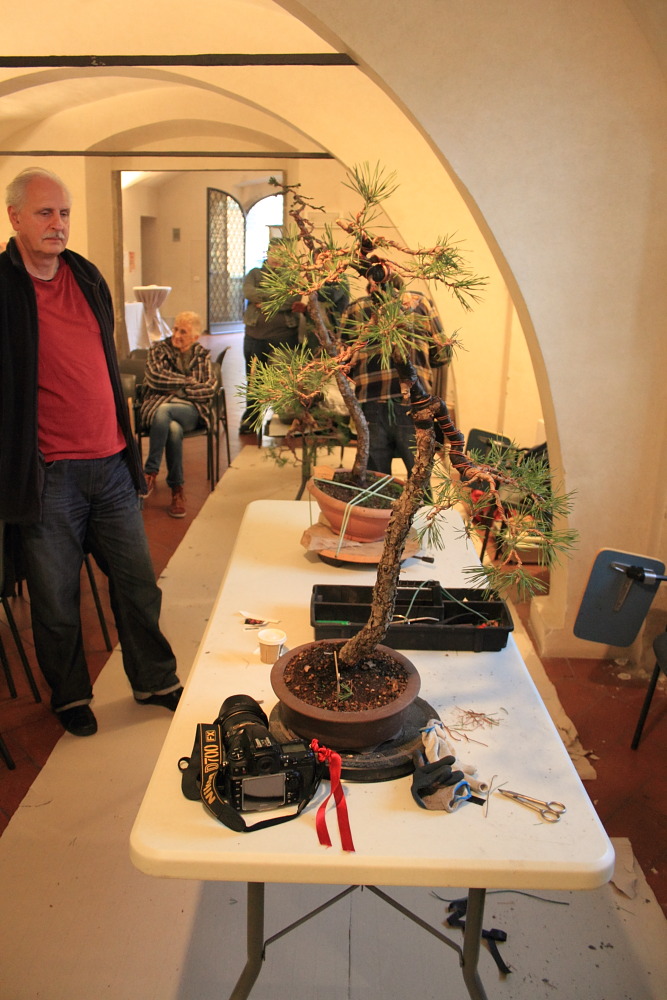
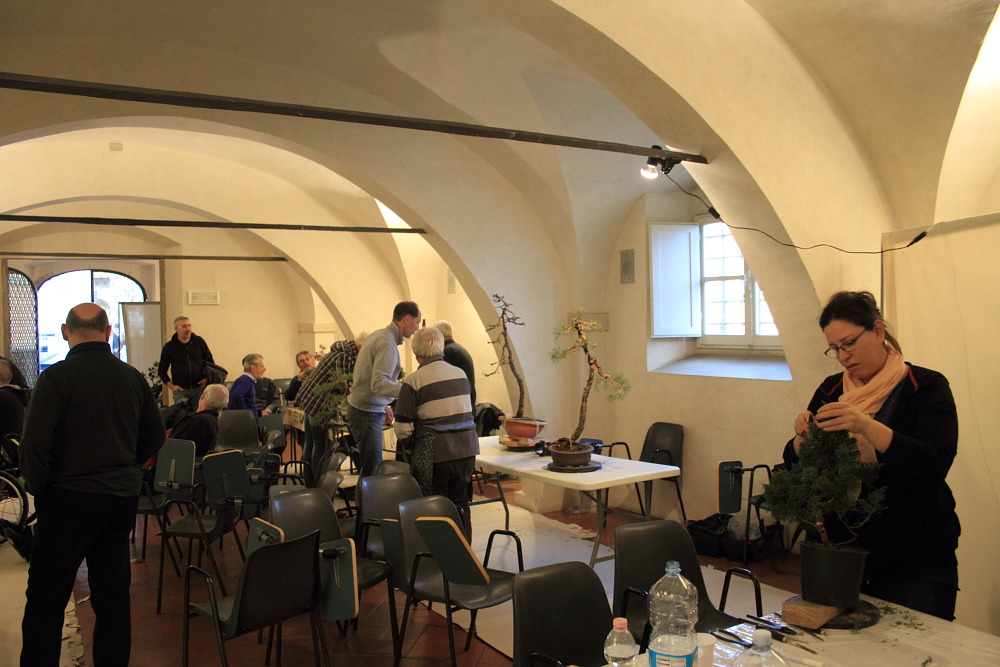
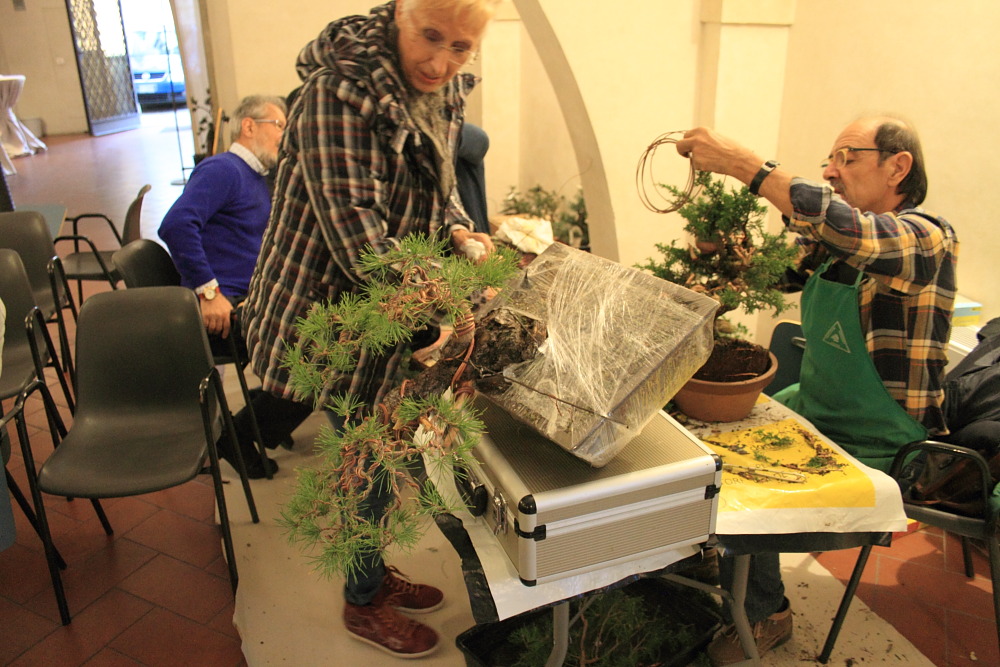
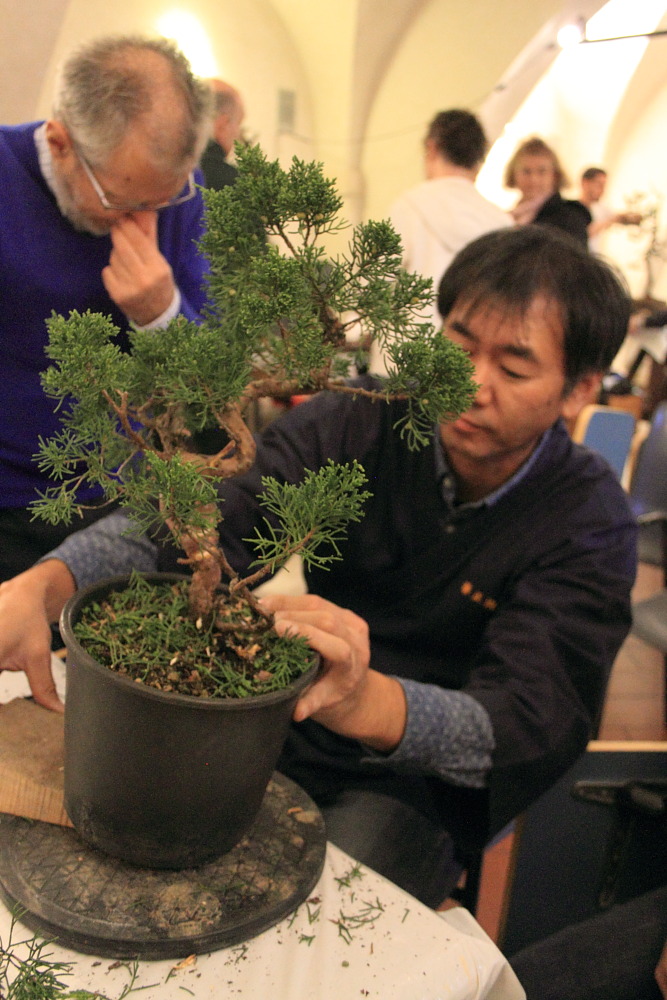
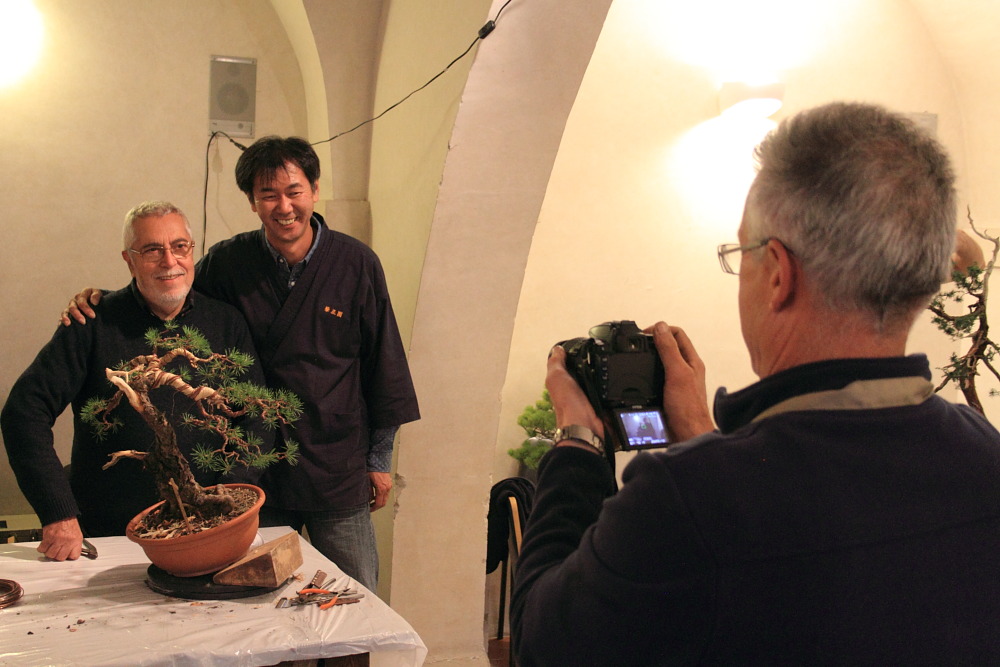
 Il workshop con il Maestro Isao Fukita

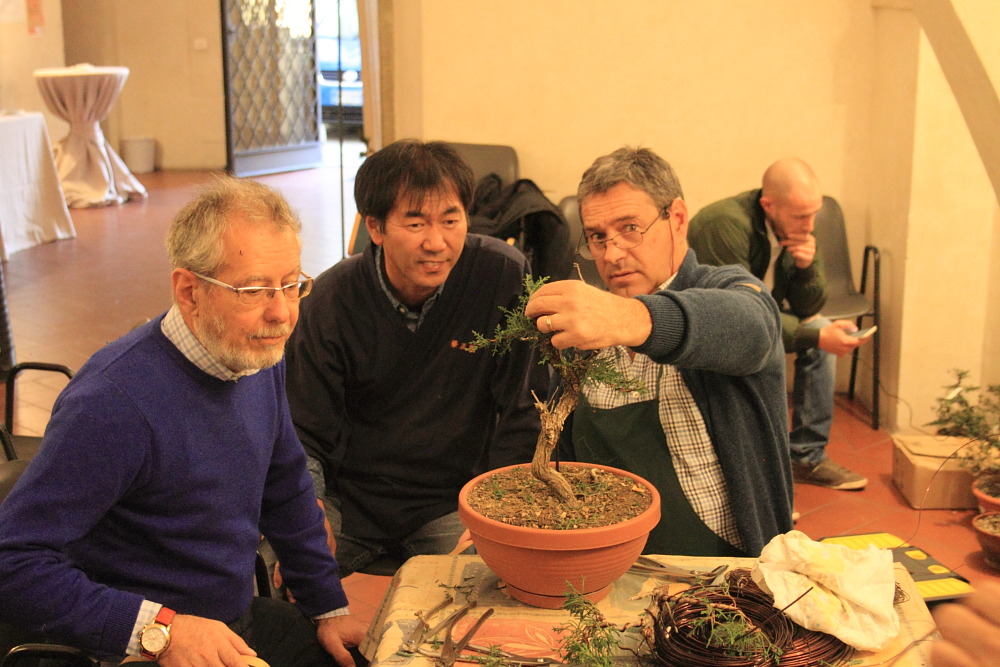
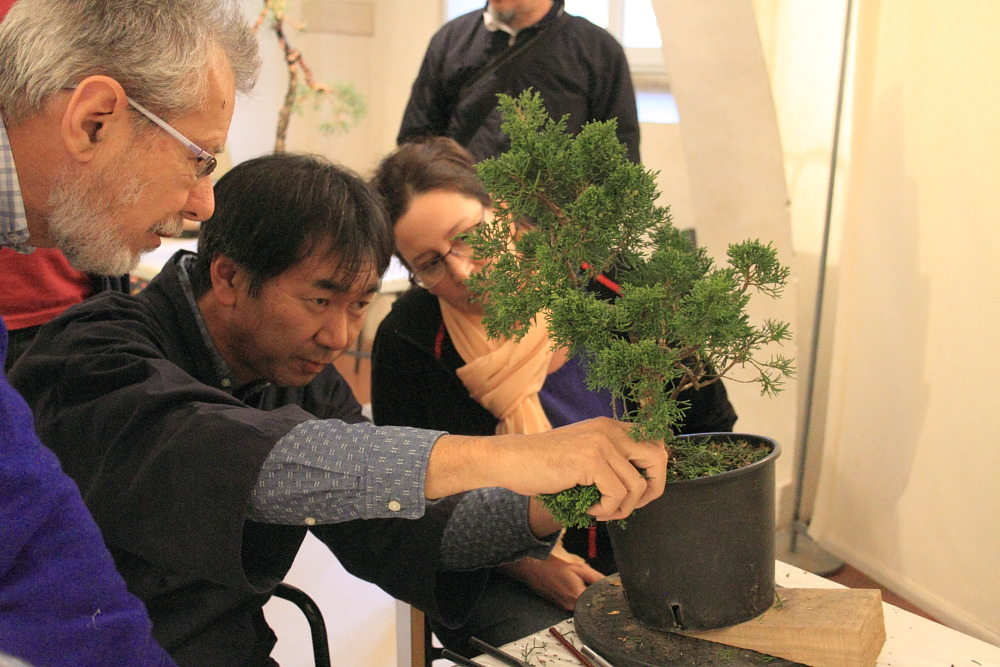
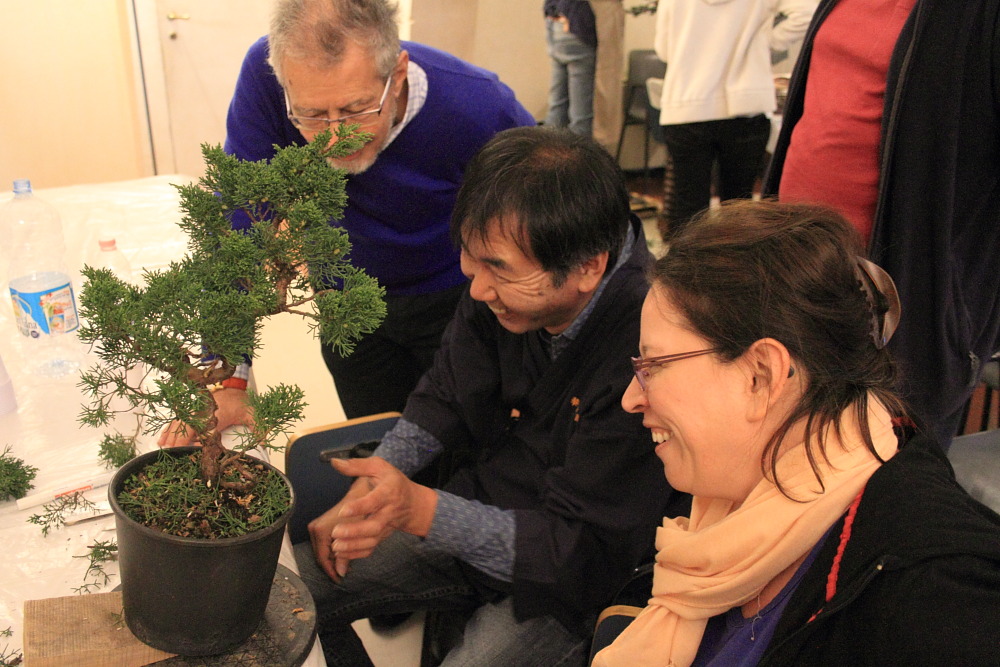
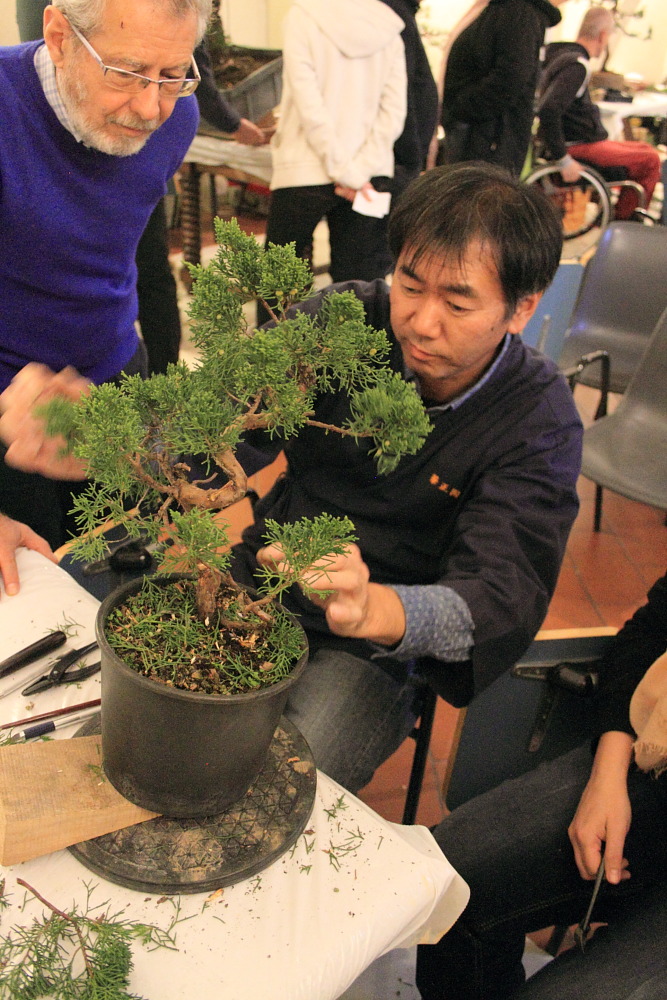

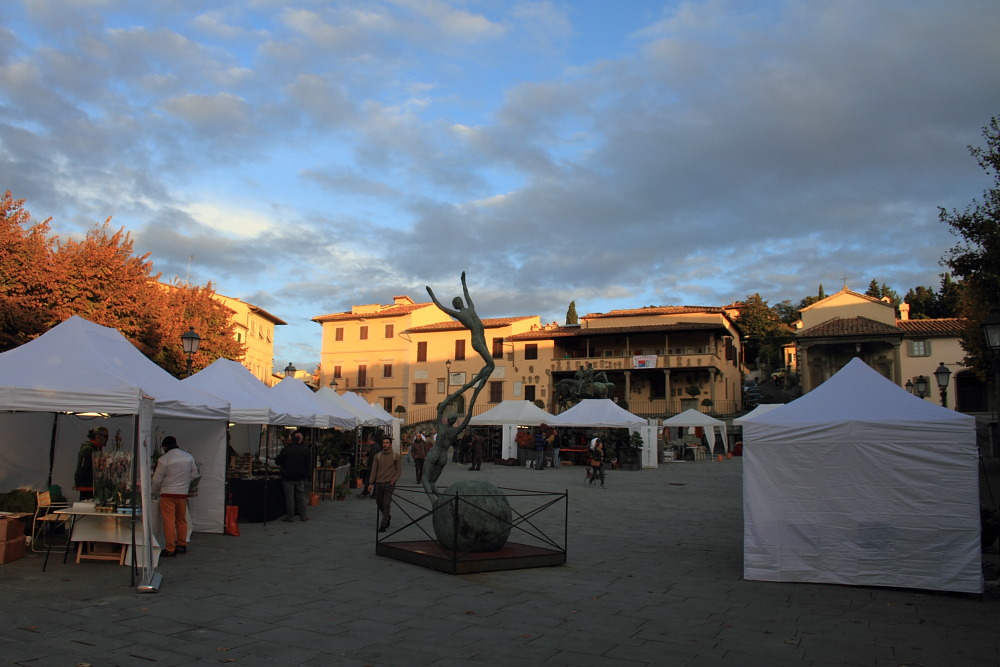
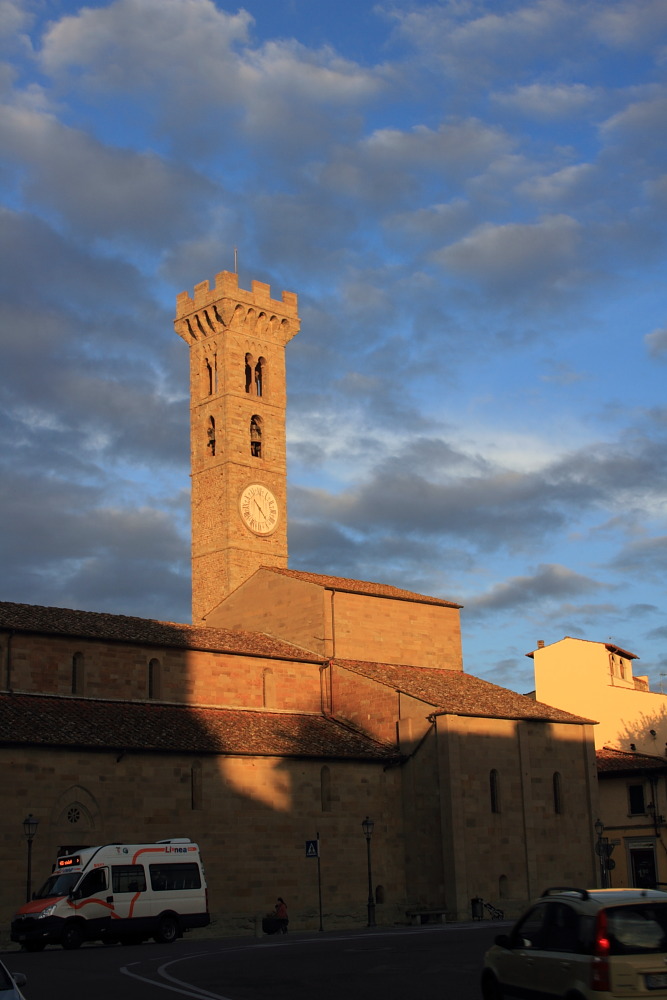 Fiesole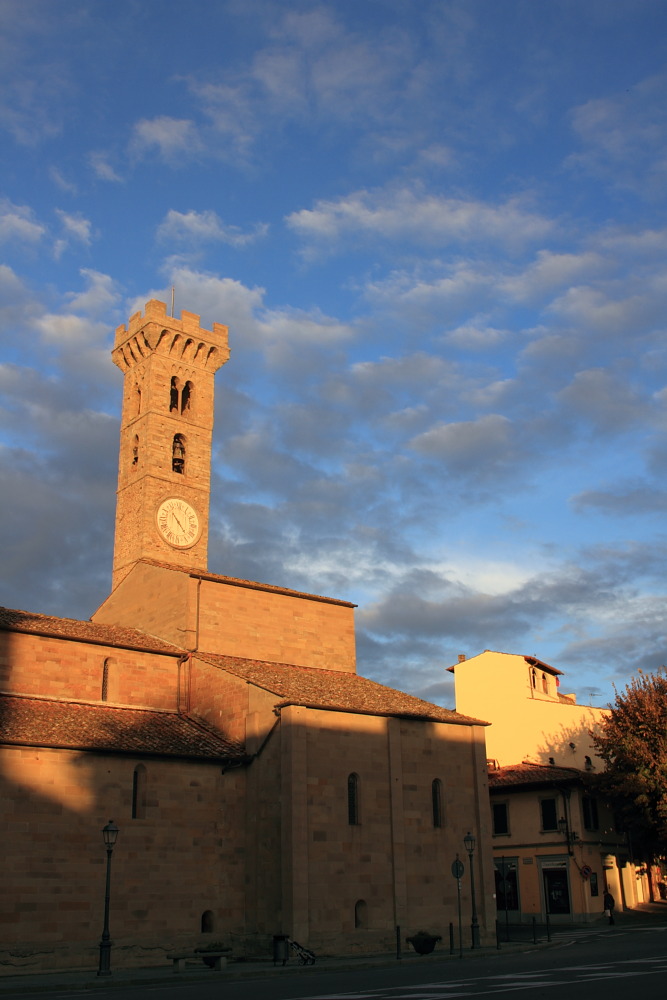
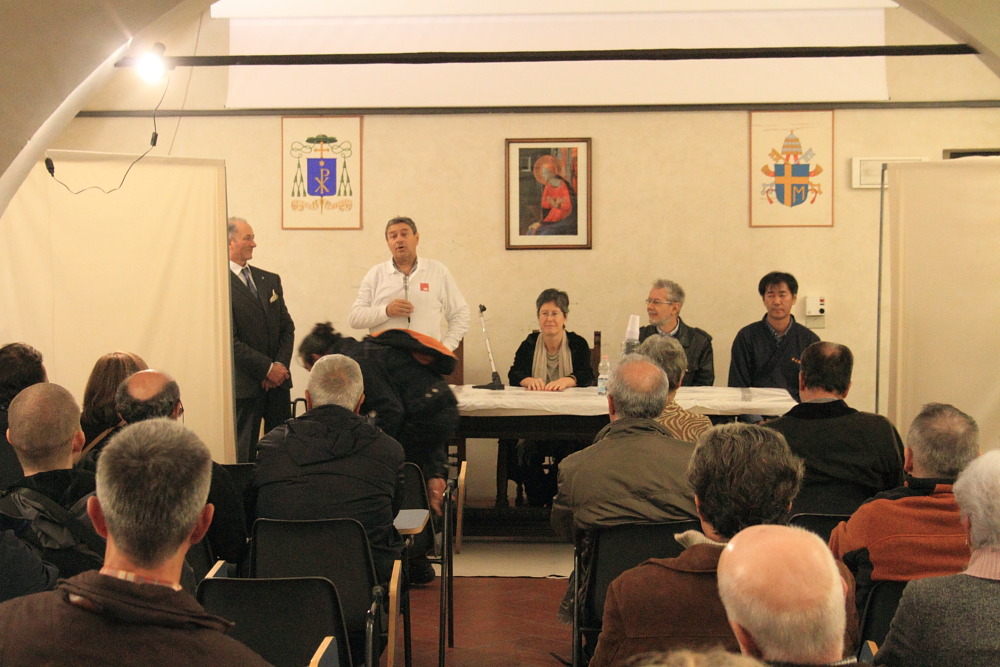 L’inaugurazione del Congresso Sakka Ten 2014 a Fiesole
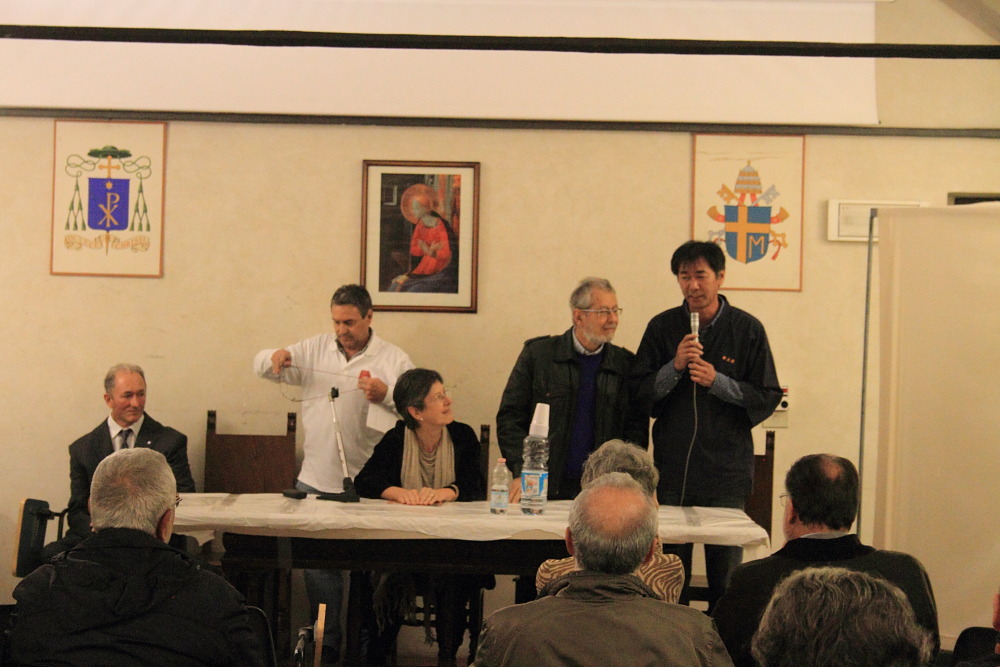

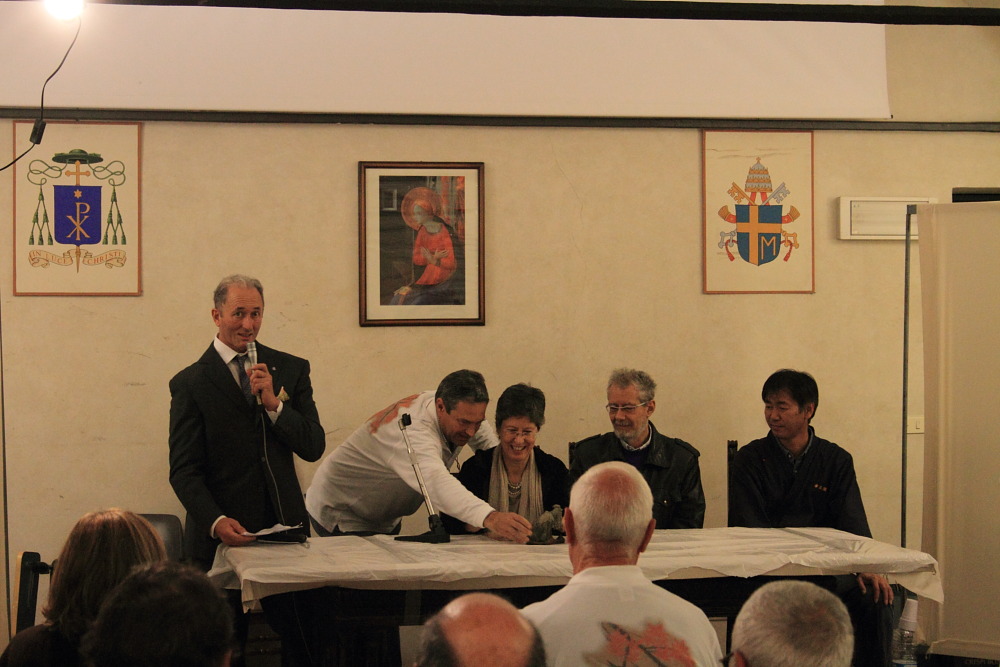
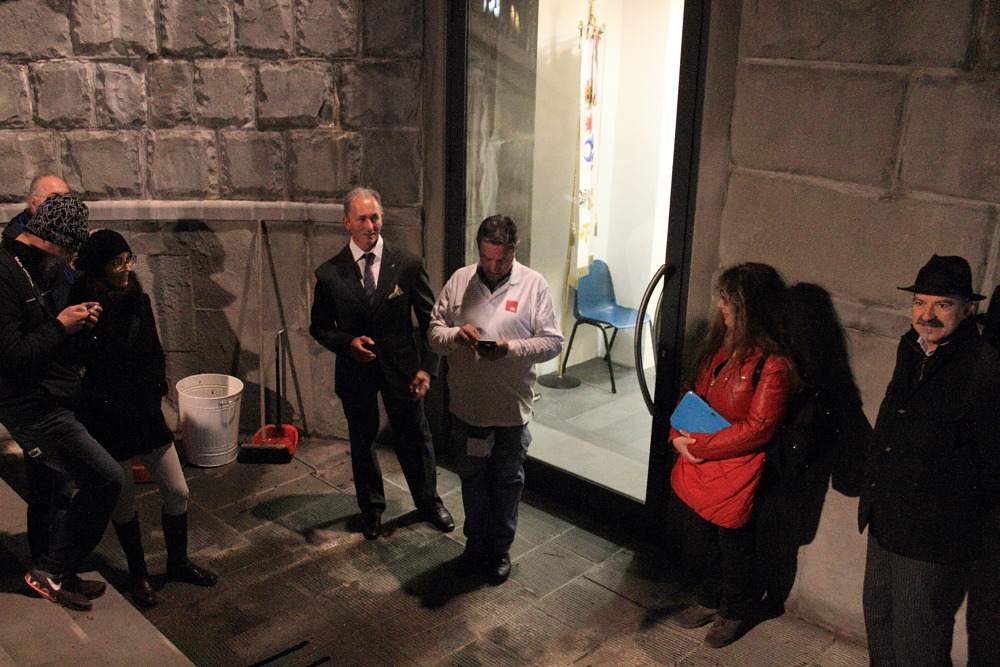
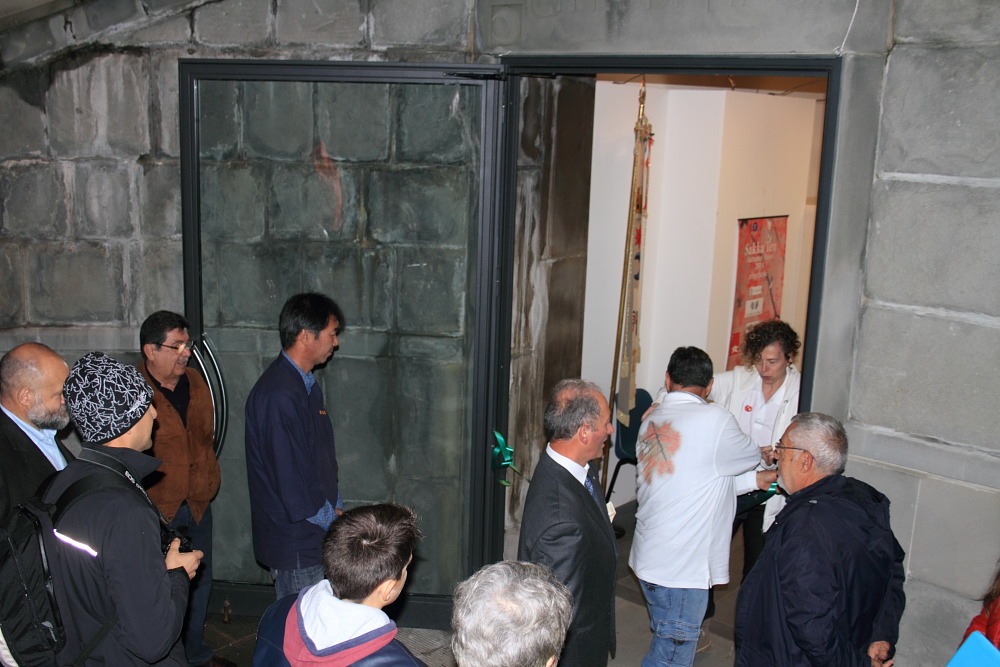
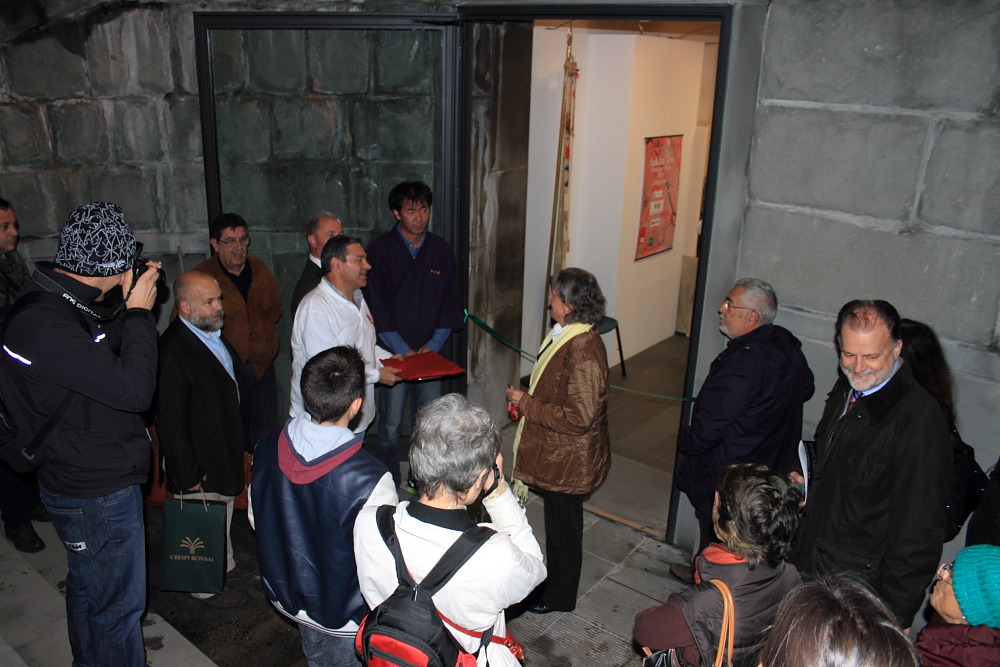
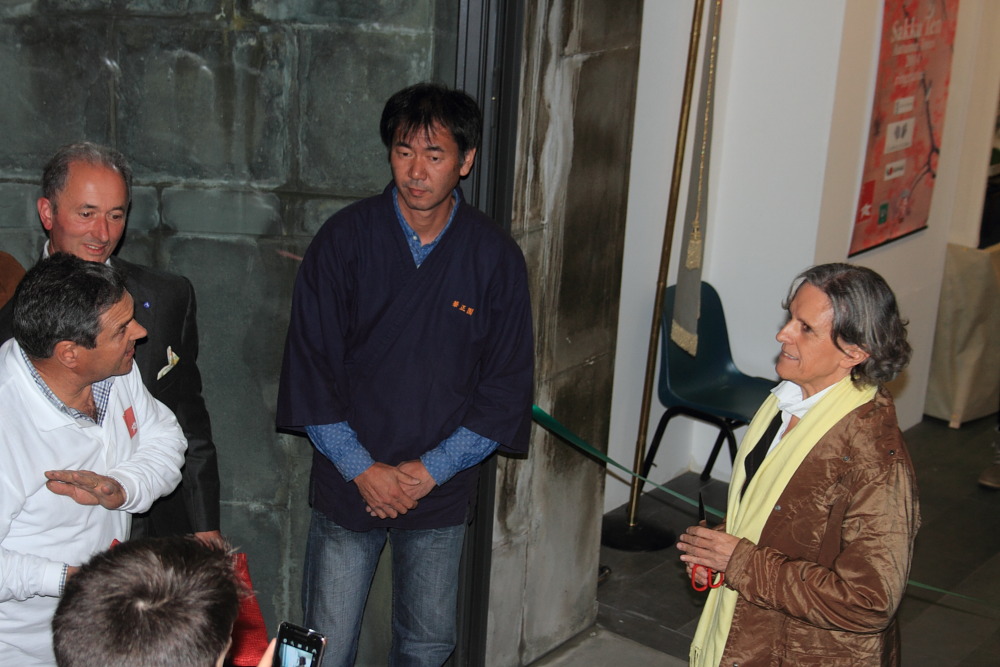
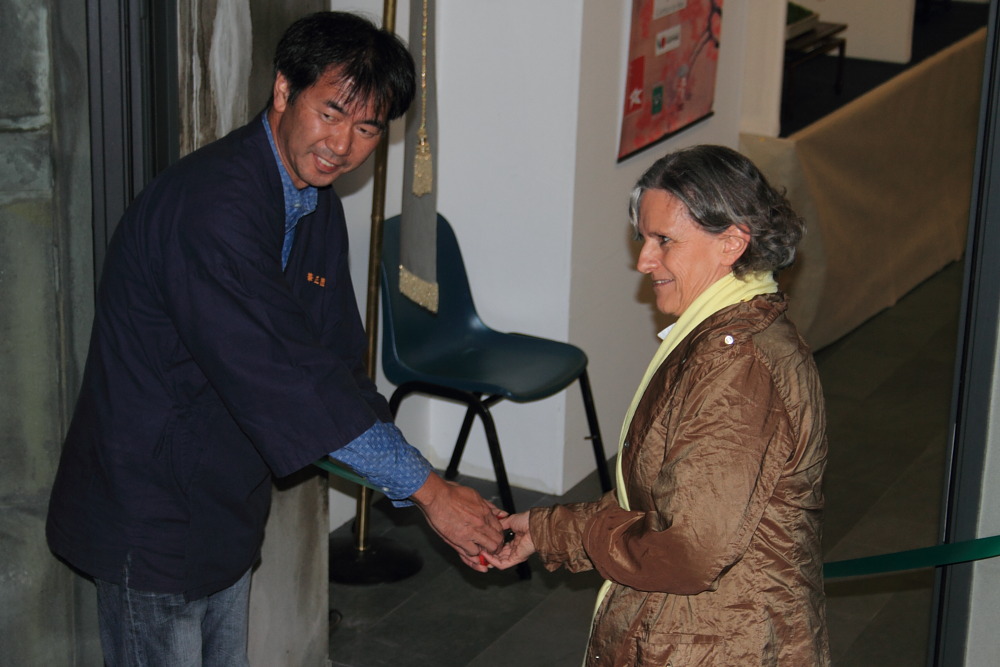
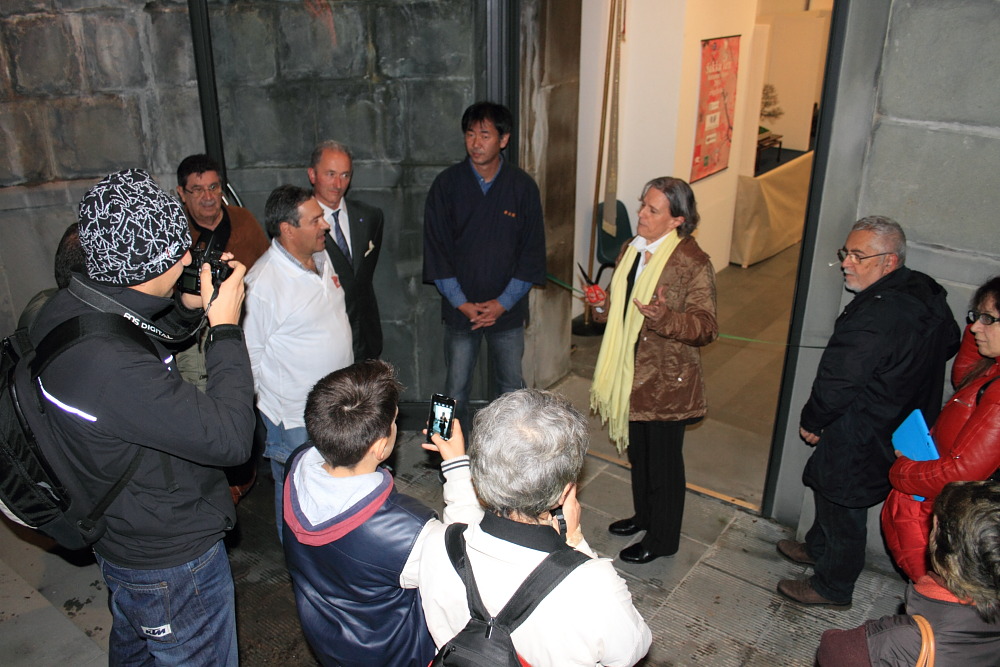 Apertura della mostra con le autorità di Fiesole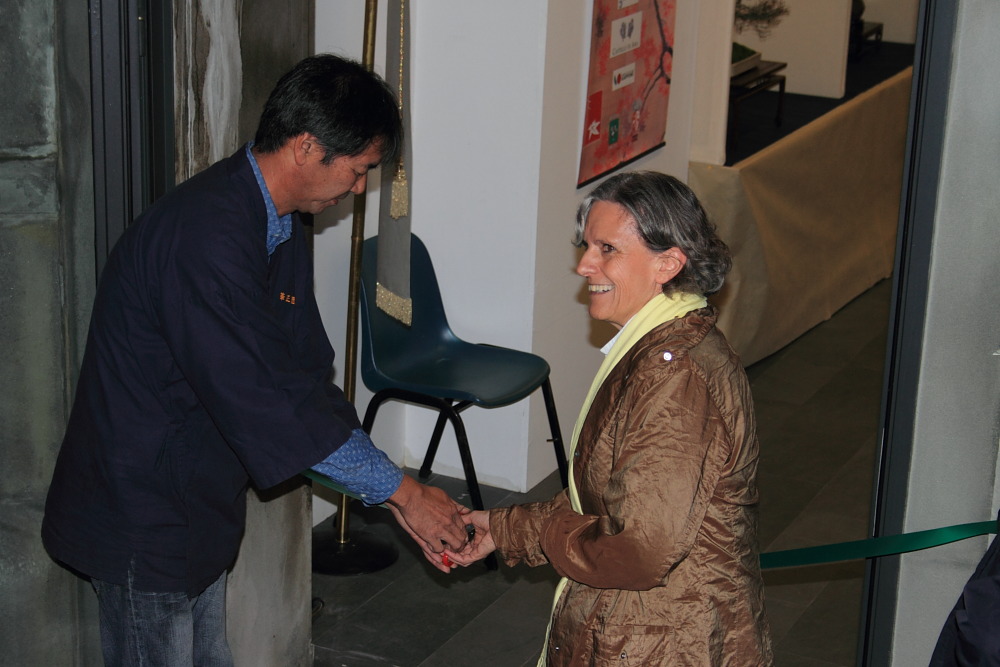

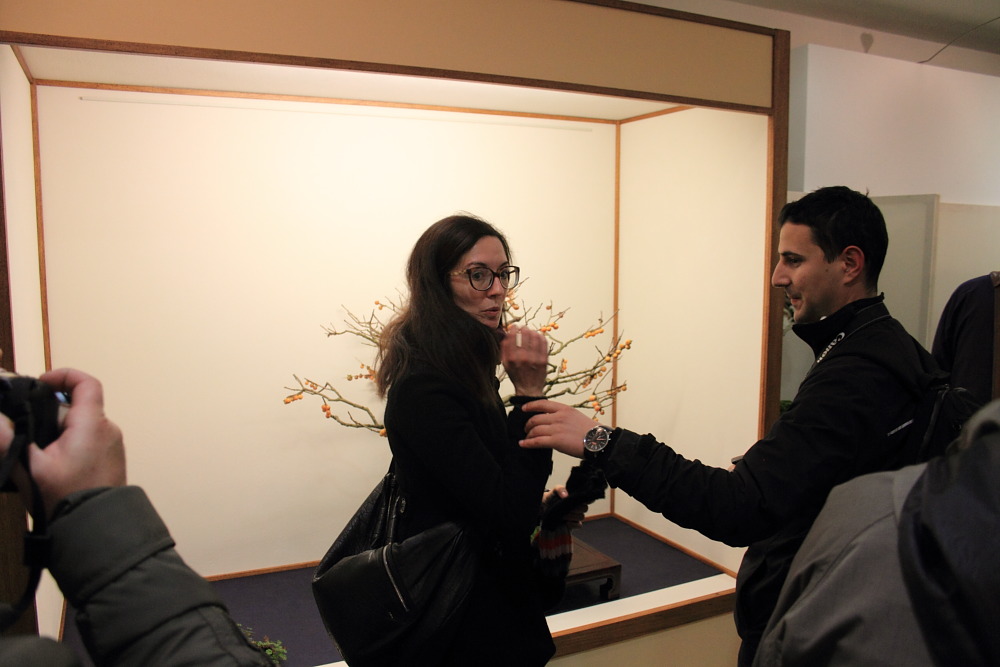
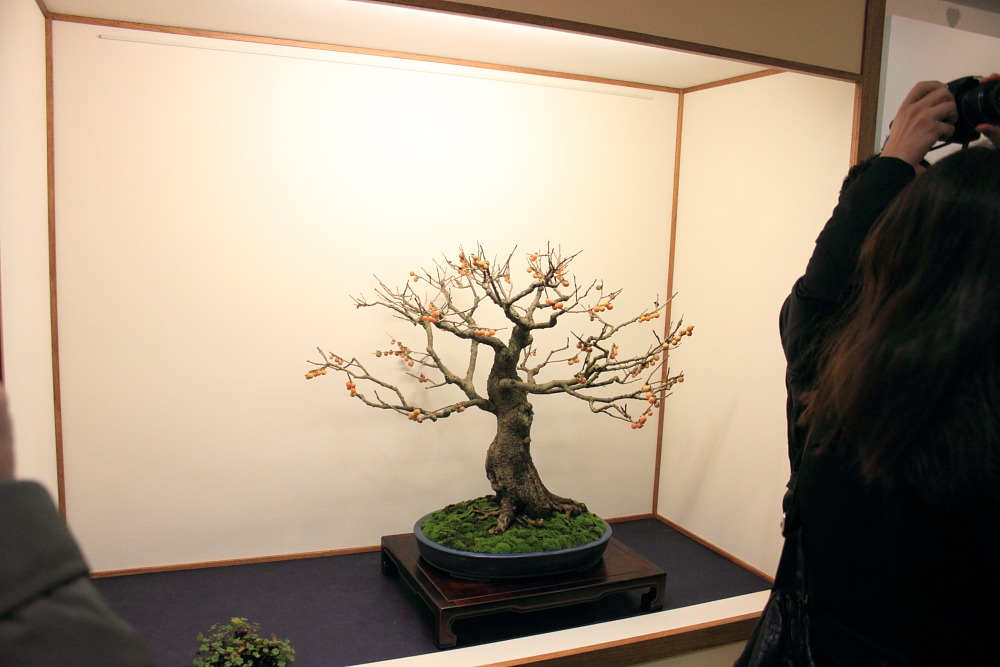
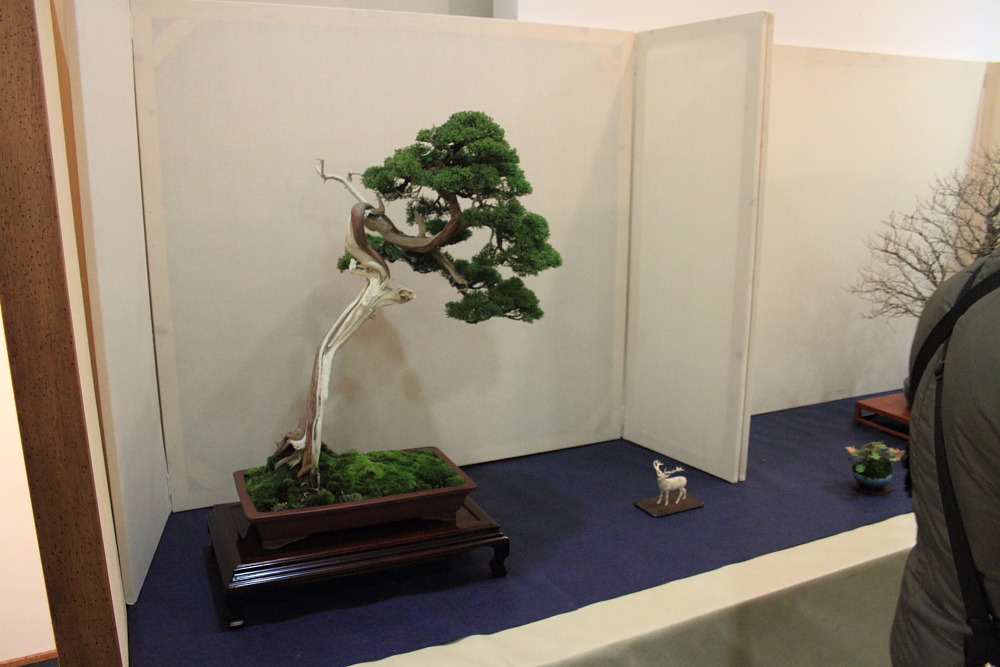
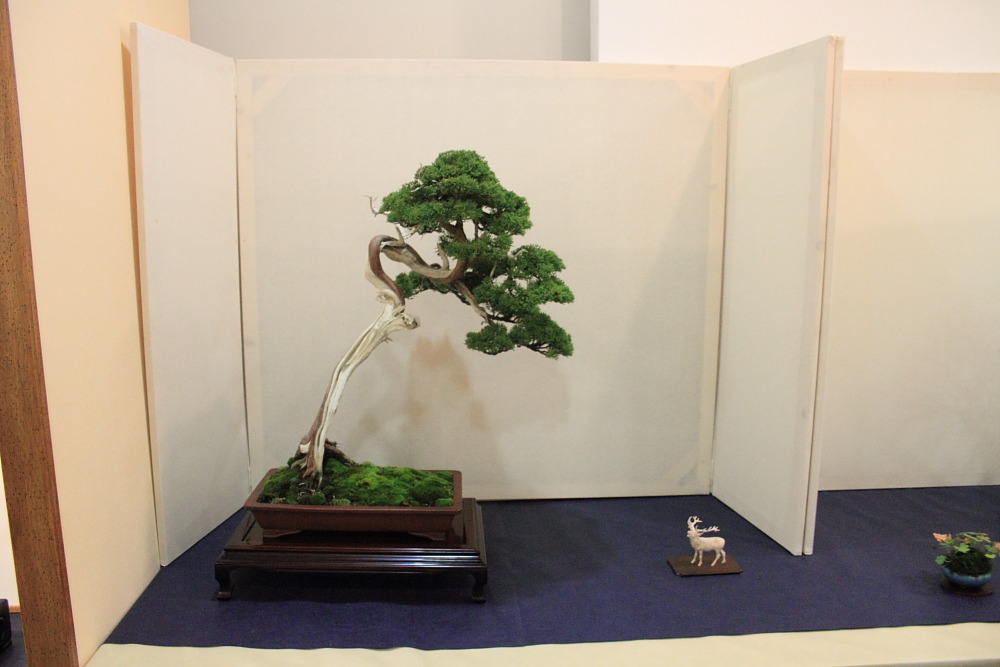
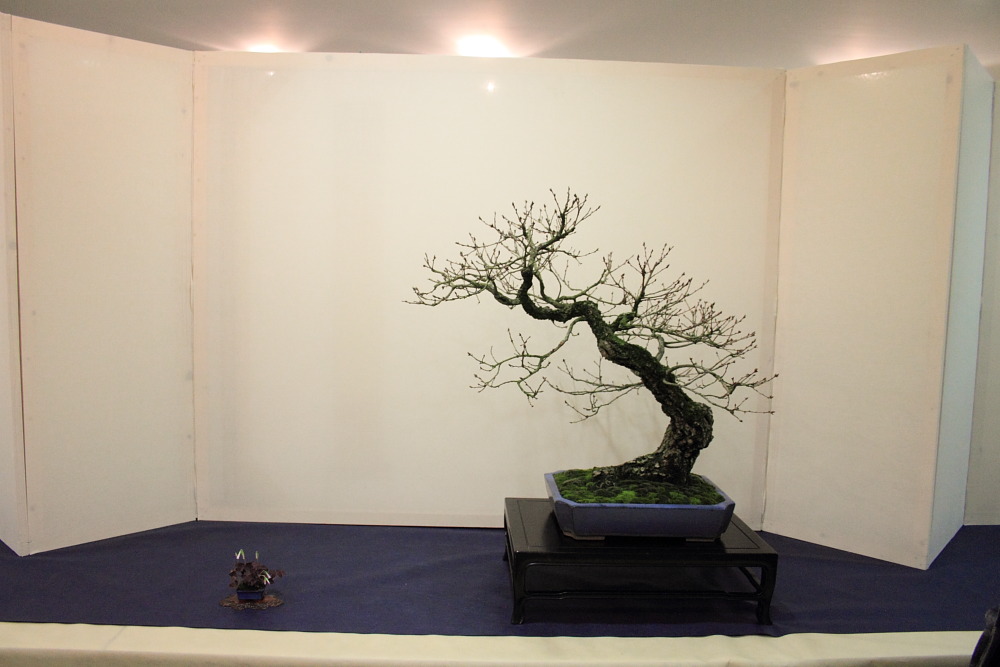
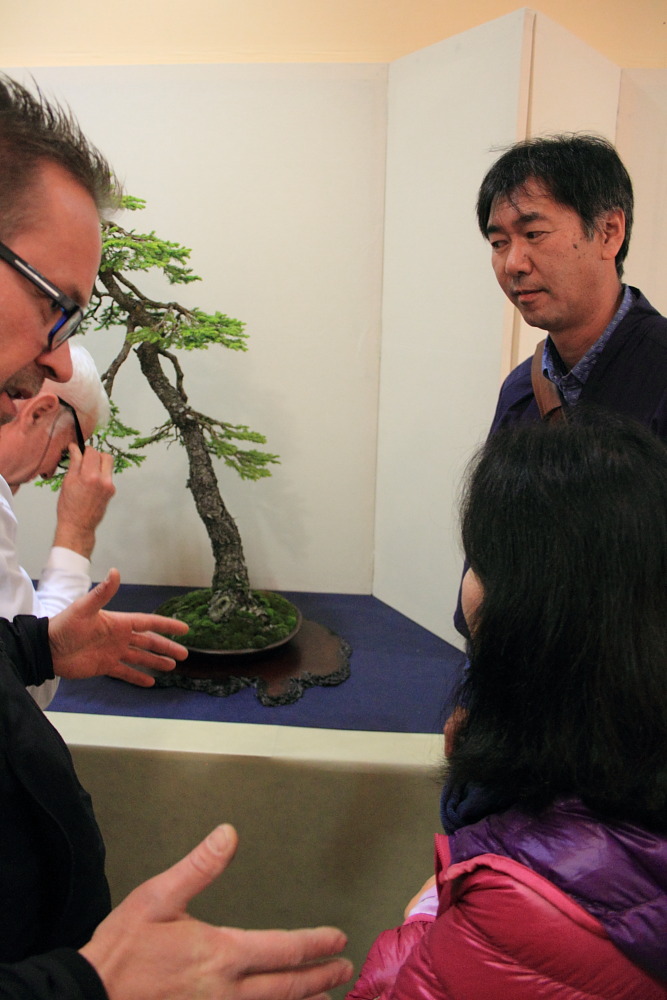 Il Maestro Fukita discute con Andreas sulla sua Jita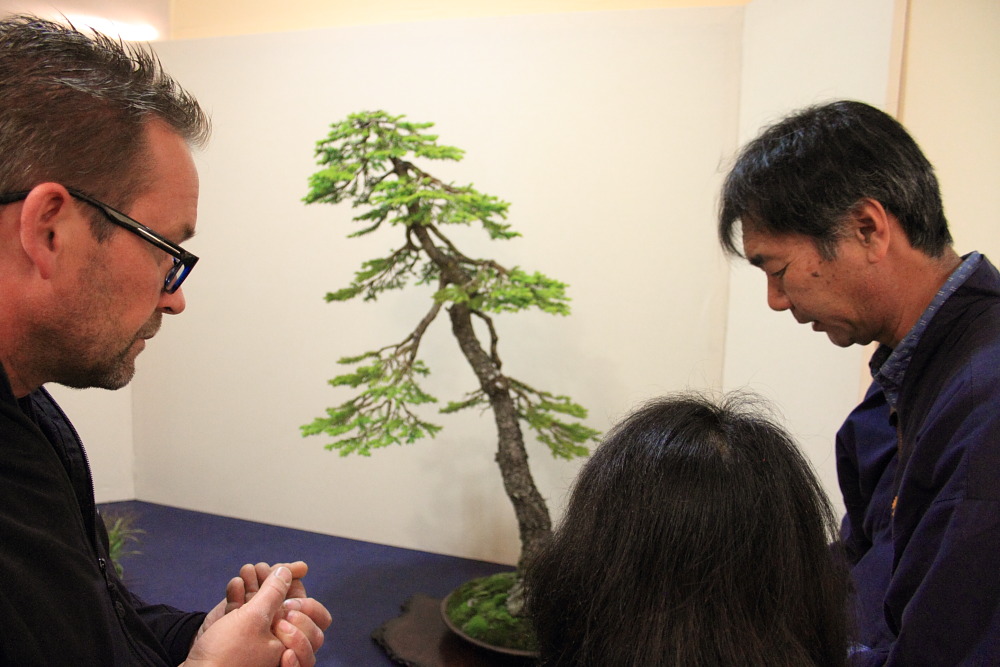
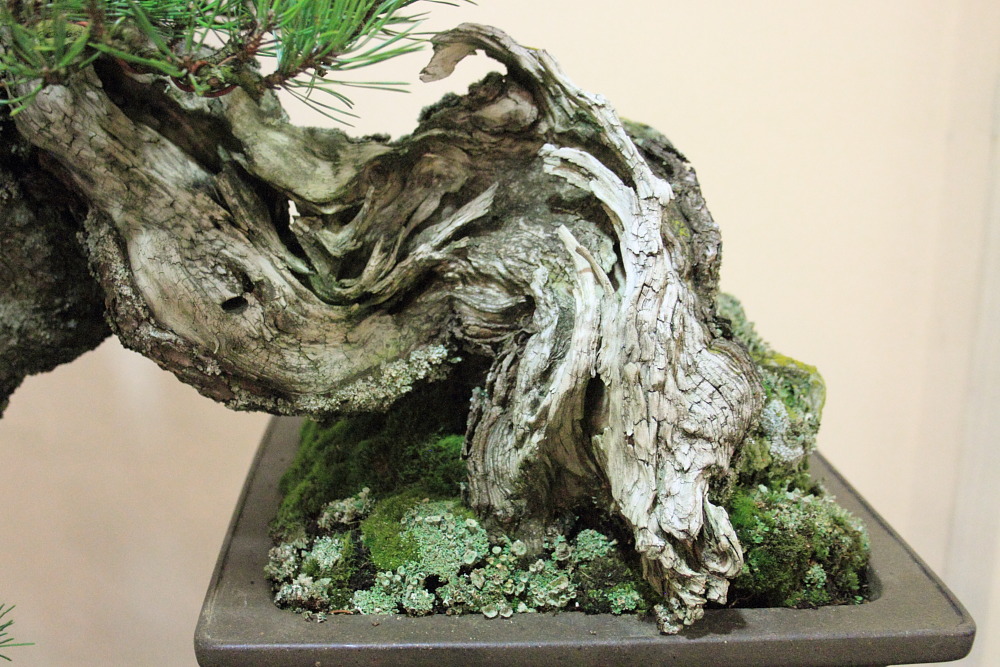
Takemoto Hayata was born Takemoto Masenori In the first year of the Kaei period, 1848. The son of Takemoto Yotoki, a Shogunate Bannerman, he was born into the Samurai class of nobles in the feudal Shogunate system in Tokyo. As his father was powerful and he himself was a samurai, they lost everything in the Meiji Restoration. In 1867, upon the restoration of the Emperor to the throne, the Shogunate ended. Over the course of several years, Samurai and Daimyo had their rank, property, income, and elite status revoked by the Emperor.
Many Samurai chose to side with the Emperor, and in Takemoto’s area of Tokyo, these became the Tokyo police. Many others did not go quietly, and revolted. The revolts were quickly squashed by the new Imperial Army, headed by a core of Samurai that were the Tokyo Police. Takemoto refused to fight on either side, and thus, having…
View original post 1.189 altre parole

 Kitora no do